
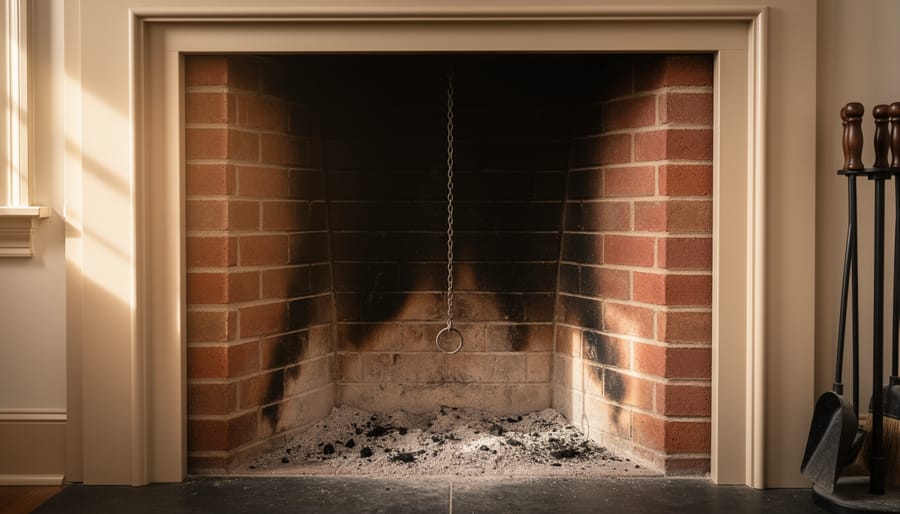
Look inside your firebox for these telltale signs: a floor made of firebrick or refractory panels (often reddish-orange or tan), a damper handle or chain hanging in the throat of the chimney, and most importantly, the complete absence of gas logs, burners, or gas line connections. Wood-burning fireplaces have a distinctly rustic, masonry interior with ... Read more
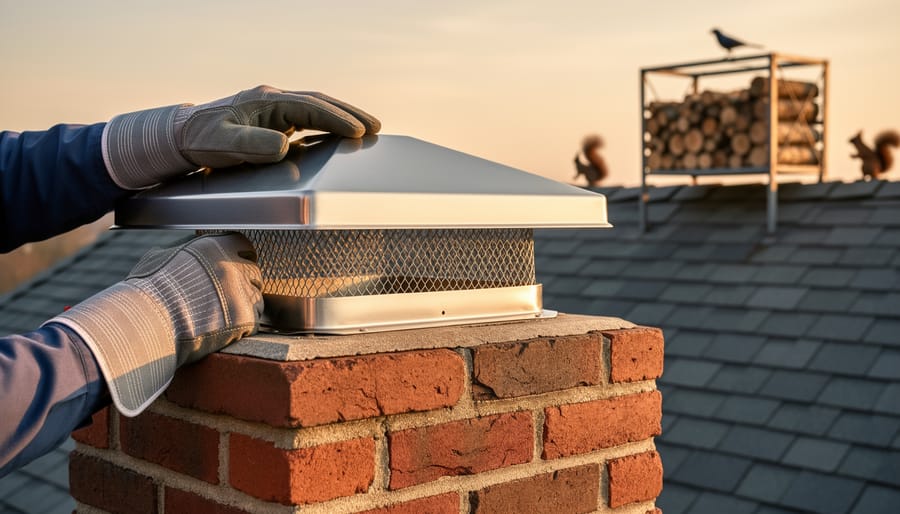
Inspect your chimney and fireplace annually for nests, droppings, and entry points where pests commonly infiltrate homes—birds, squirrels, raccoons, and insects frequently use these warm spaces as gateways into living areas. Seal gaps around the damper, install a sturdy chimney cap with mesh screening, and repair any cracks in masonry or mortar that could serve ... Read more
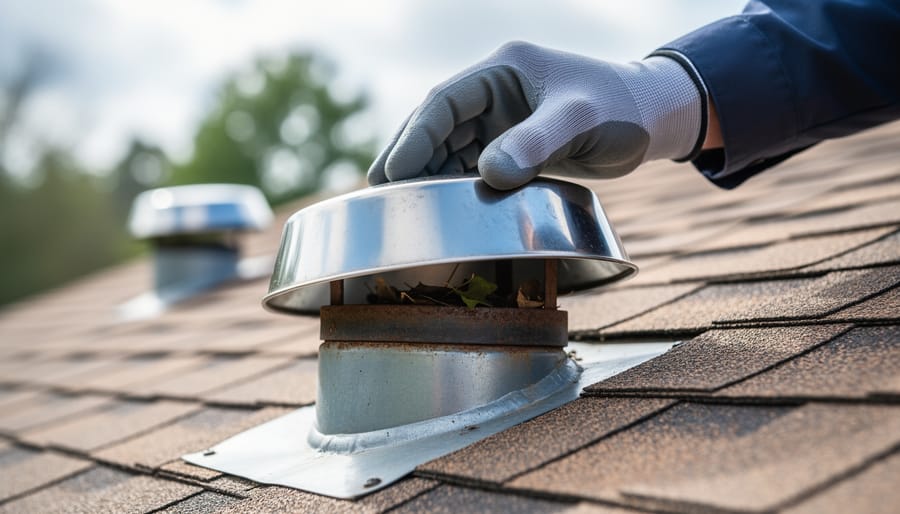
Your B-vent flue system quietly works behind the scenes to safely exhaust combustion gases from your natural gas or propane fireplace, but when problems arise, they can threaten both your comfort and safety. This double-walled venting system draws air from inside your home for combustion while expelling exhaust through the space between its inner and ... Read more
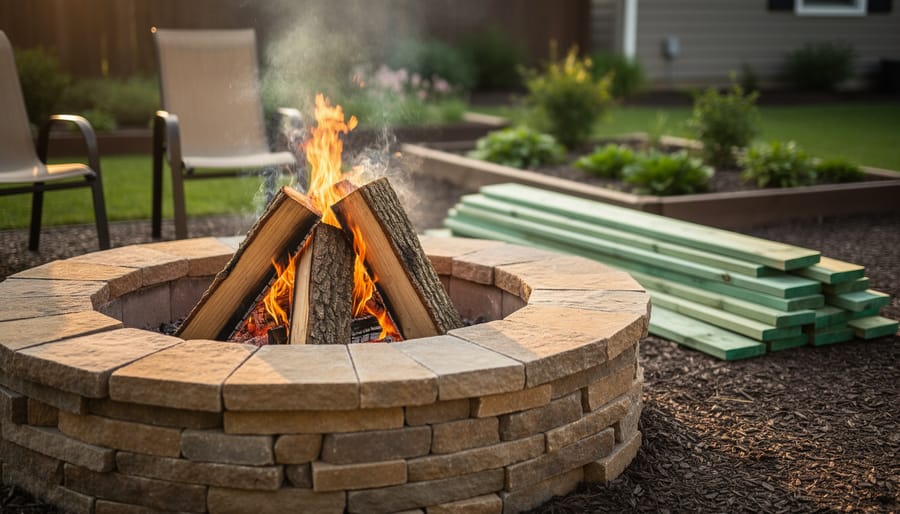
Stop before you toss that leftover 2×4 into your fire pit. While it might seem like a practical way to dispose of construction lumber, burning treated or painted wood releases toxic chemicals including arsenic, chromium, and copper compounds directly into the air you and your family breathe. Even untreated dimensional lumber from big-box stores often ... Read more
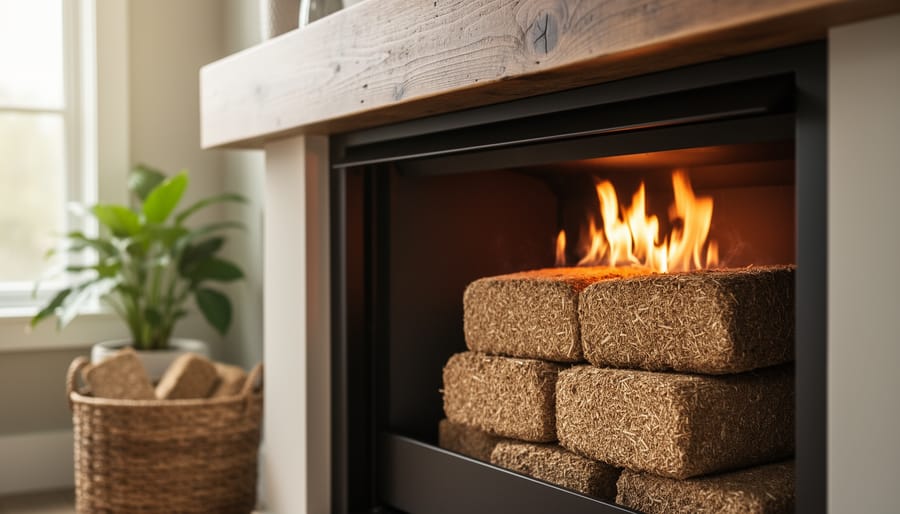
Choose fireplace logs made from recycled materials like compressed sawdust, coffee grounds, or agricultural waste rather than cutting down trees. These manufactured alternatives burn cleaner, produce less creosote buildup in your chimney, and transform what would otherwise become landfill waste into cozy warmth for your home. Look for logs certified by the EPA or labeled ... Read more
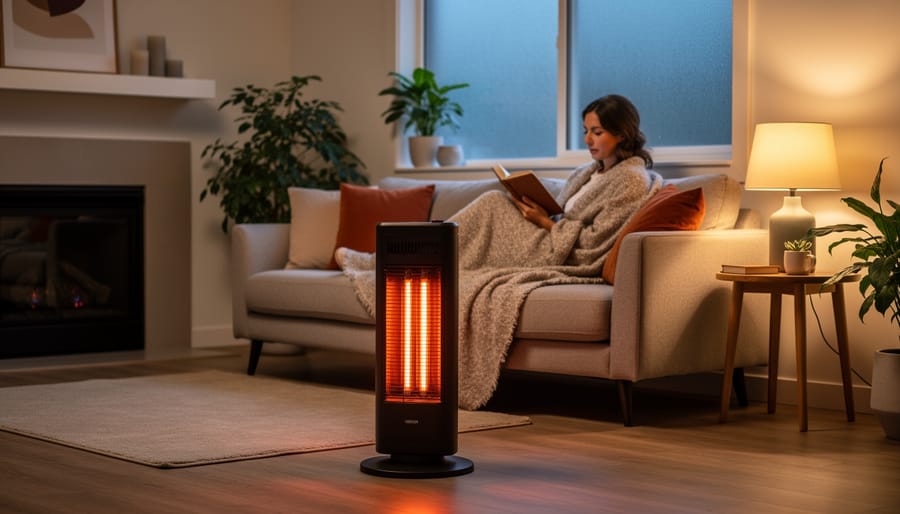
Choose infrared heaters rated at 1500 watts or less for typical room heating, as they convert nearly 100% of electricity into direct warmth without wasting energy on heating air that escapes through drafts. Position units 3-6 feet from your primary seating areas to maximize the penetrating warmth that heats people and objects rather than empty ... Read more
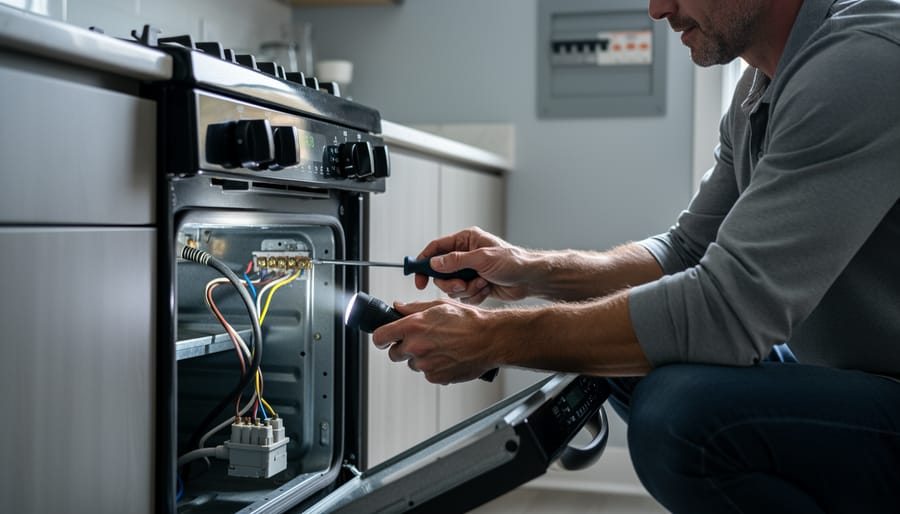
Check your circuit breaker or fuse box first—a tripped breaker is the most common culprit when an electric stove stops working suddenly. Flip the breaker completely off, then back on, ensuring it clicks firmly into place. If it trips again immediately, you likely have a more serious electrical issue requiring professional attention. Inspect the power ... Read more
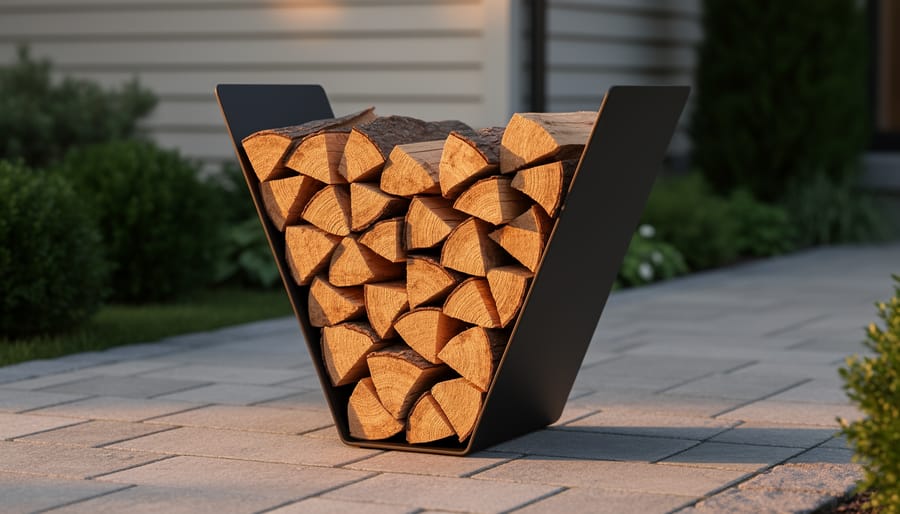
Picture a firewood storage solution that works with gravity instead of against it—that’s the brilliance of the V-shaped firewood rack. This angled design cradles your logs in a natural triangular formation, creating a self-supporting structure that keeps wood stable without complex brackets or unnecessary hardware. The slanted sides channel logs toward the center, preventing the ... Read more
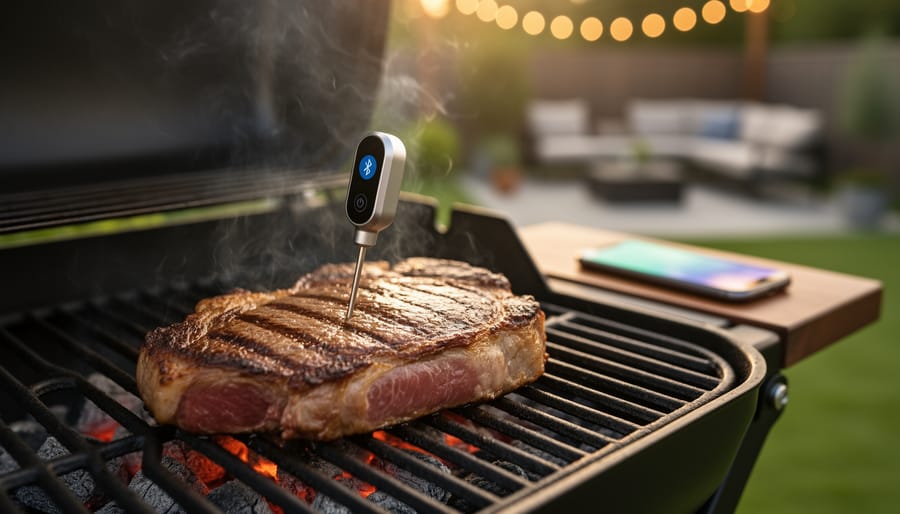
Stop guessing when your brisket is done and eliminate the anxiety of opening your grill every twenty minutes. A digital meat thermometer with Bluetooth solves the single biggest challenge backyard cooks face: knowing exactly when your meat reaches perfect doneness without hovering over the fire. Unlike traditional instant-read thermometers that require you to stay nearby, ... Read more
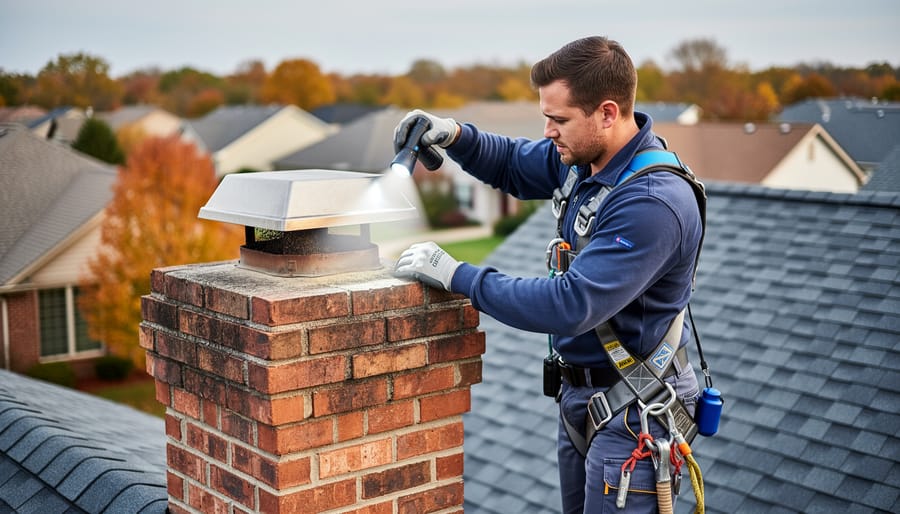
Schedule annual professional inspections before burning season begins, typically in late summer or early fall. A certified chimney sweep will identify creosote buildup, structural damage, and blockages that compromise both safety and efficiency. Check your flue damper monthly during active use to ensure it opens and closes completely. A stuck or warped damper wastes energy ... Read more



