


Compare Consumer Reports cookware ratings against real-world cooking tests by preparing the same dish in top-rated and budget options—the thermal conductivity scores translate directly to whether your sauce scorches or simmers evenly. Check the specific test criteria Consumer Reports uses, particularly the temperature distribution patterns and handle heat resistance measurements, because a pan that excels ... Read more
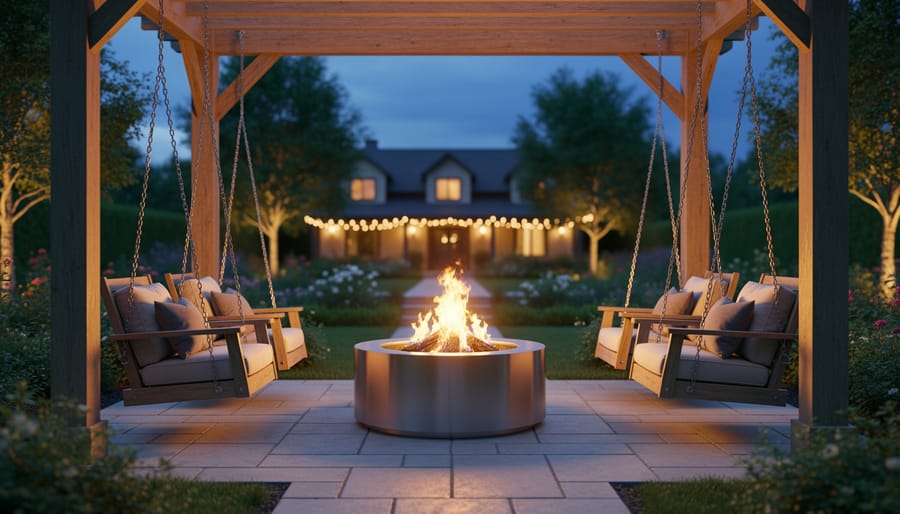
Picture yourself swaying gently beside dancing flames as cool evening air settles around your backyard. A swing fire pit transforms ordinary outdoor spaces into enchanting gathering spots where comfort meets captivating warmth. These ingenious designs combine the soothing motion of a porch swing with the mesmerizing ambiance of an open fire, creating an experience that ... Read more
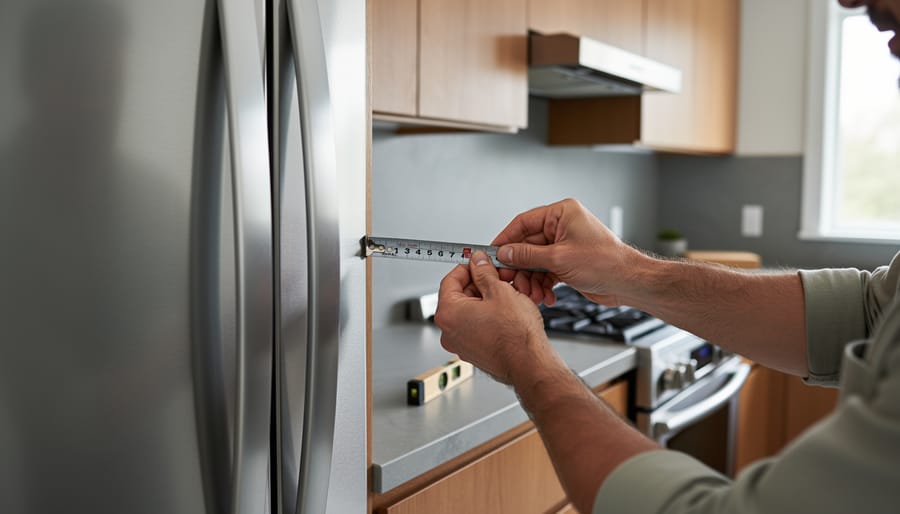
Measure the exact space where your GE appliance will sit before you shop, accounting for door swing clearance, adjacent cabinet widths, and the recommended breathing room behind and beside the unit. Most GE refrigerators need at least one inch clearance on sides and two inches at the back, while ranges typically require specific distances from ... Read more
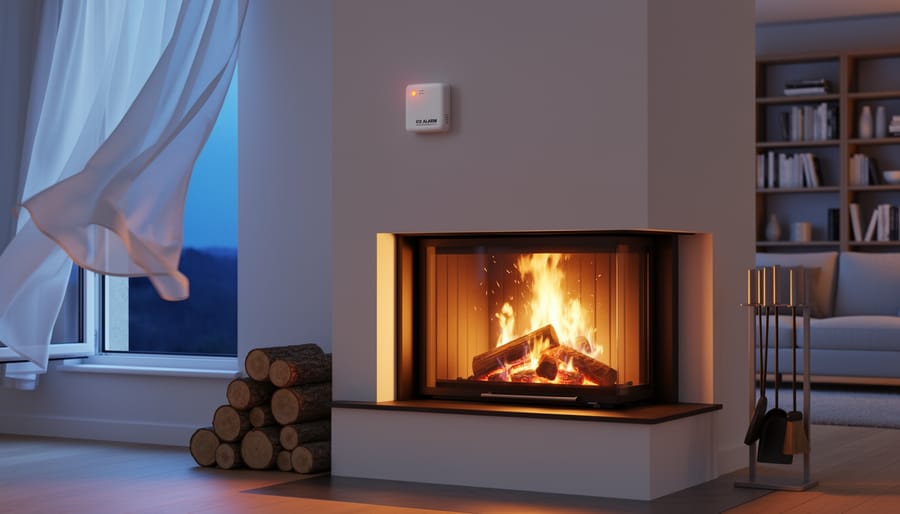
Open windows on opposite sides of your home for 10-15 minutes daily to create cross-ventilation that flushes out stale air, combustion byproducts, and indoor pollutants—even during colder months when your fireplace is in regular use. Install carbon monoxide detectors within 15 feet of your fireplace and on every level of your home, testing them monthly ... Read more
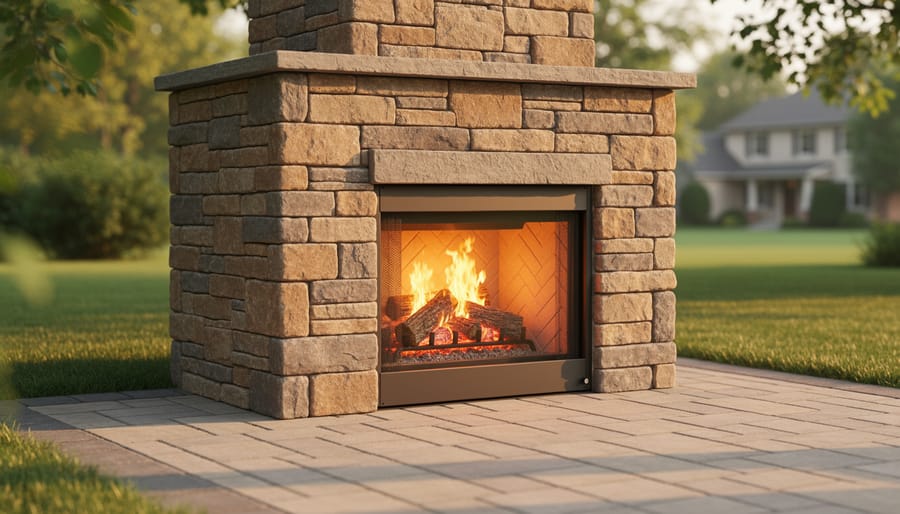
Build your outdoor stone fireplace by selecting a level, non-combustible foundation at least 10 feet from structures and overhanging branches. Choose locally sourced fieldstone or fire-rated masonry that can withstand temperatures exceeding 2000°F while complementing your landscape design. Create detailed plans that include proper chimney height—at least 3 feet above the roofline if near buildings—and ... Read more
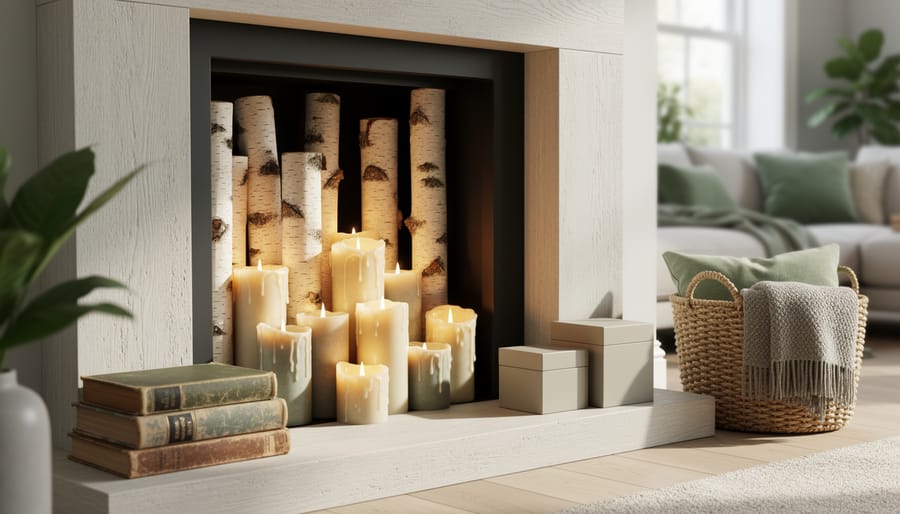
Transform your non-functional fireplace into a stunning focal point by filling it with layers of pillar candles in varying heights, creating flickering ambiance without heat output. Arrange birch logs vertically inside the firebox for a rustic, organic look that adds texture and natural warmth to your space year-round. Stack vintage books, decorative boxes, or woven ... Read more
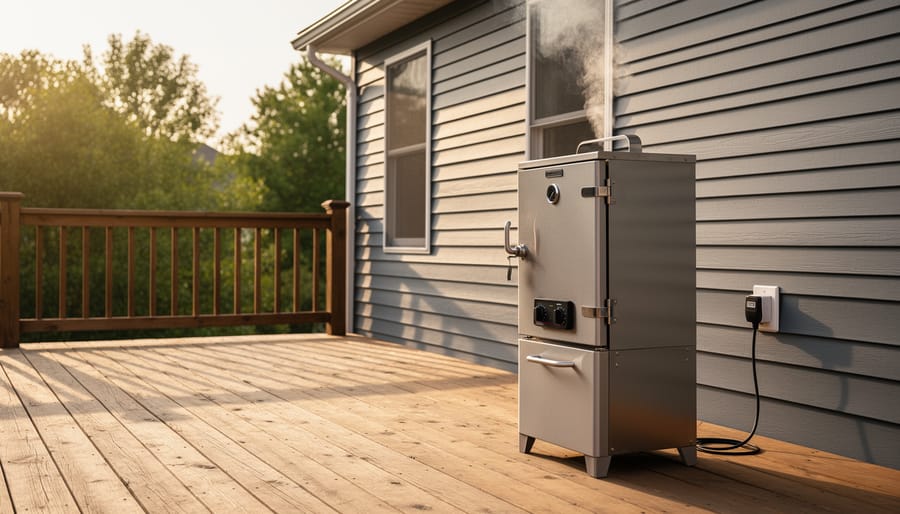
Stop before you plug in that GE electric smoker indoors. These appliances produce carbon monoxide and heavy smoke that can quickly turn your kitchen into a hazardous zone, triggering fire alarms and creating serious health risks. Electric smokers, despite their “electric” name, are designed exclusively for outdoor use where proper ventilation prevents dangerous gas buildup. ... Read more
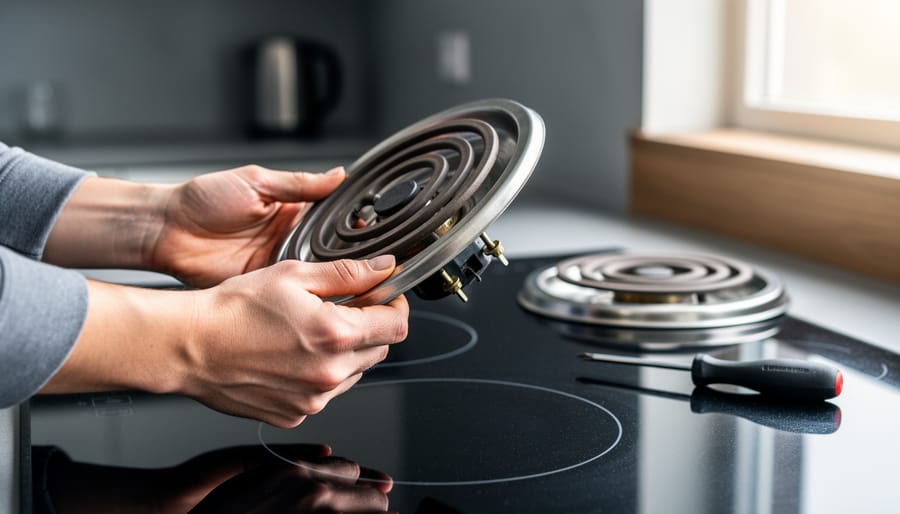
Identify your specific stovetop model by checking the manufacturer’s label underneath or inside the unit—this number is essential for ordering the correct replacement burner or entire cooktop surface. Remove power at the circuit breaker before attempting any inspection or removal, then lift the existing burner element by gently pulling it from its receptacle to assess ... Read more
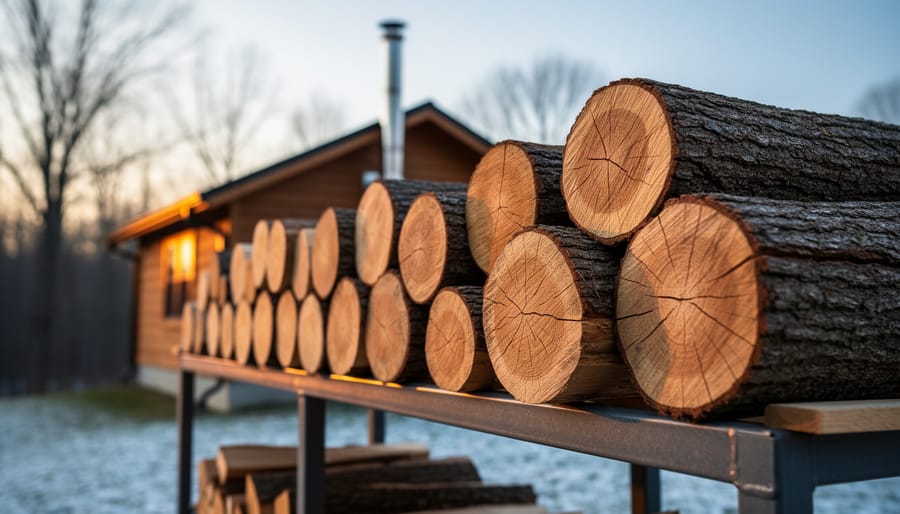
Choose hardwoods with BTU ratings above 24 million per cord to maximize heat output and reduce the number of times you need to reload your firebox throughout winter evenings. Oak, hickory, and black locust consistently rank as top performers, delivering sustained warmth that keeps your living space comfortable for hours while using less wood overall. ... Read more
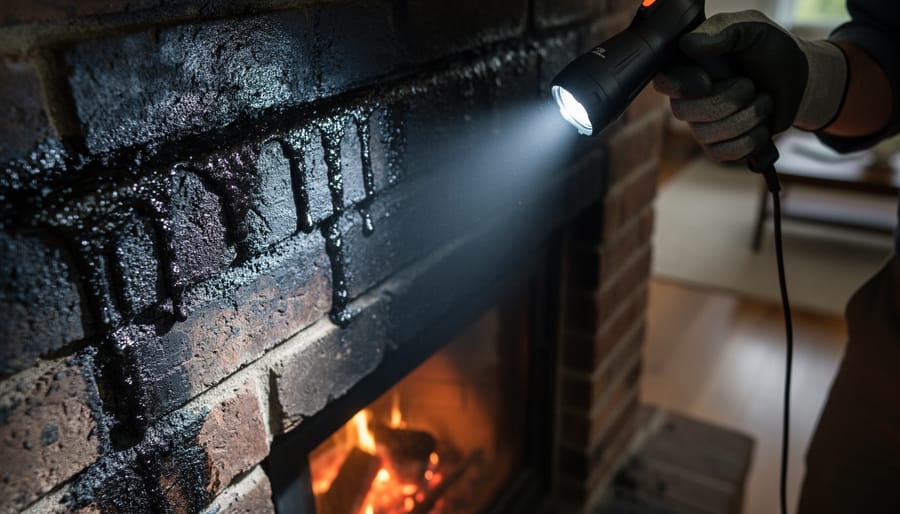
The dark, tar-like substance coating your chimney’s interior isn’t just unsightly—it’s a fire hazard that sends thousands of families scrambling for emergency services each year. Creosote buildup occurs naturally whenever you burn wood, as smoke cools and condenses on your chimney walls. Left unchecked, this sticky residue hardens into layers that can ignite at temperatures ... Read more



