

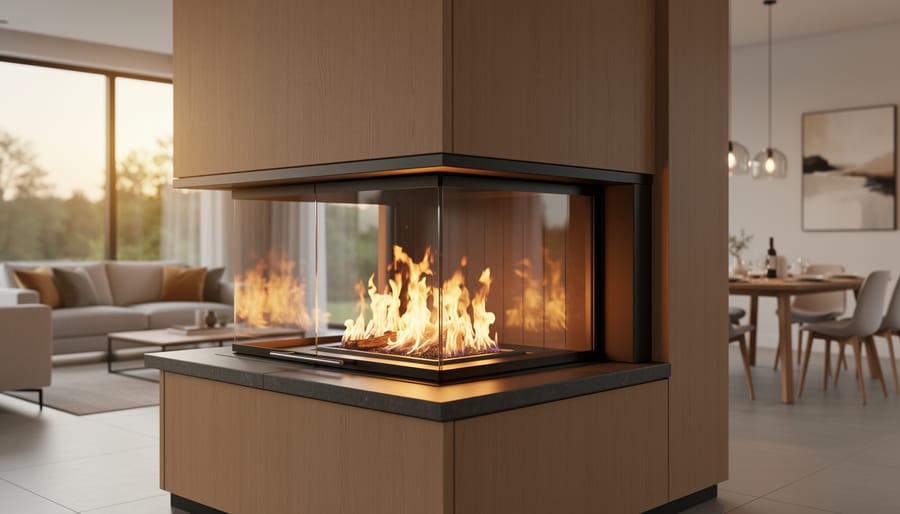
A three-sided gas fireplace transforms your living space into a panoramic showcase of dancing flames, visible from multiple rooms simultaneously. These architectural statement pieces operate through a sophisticated yet reliable system that delivers controlled combustion across an expanded glass viewing area. Unlike traditional single-faced units, three-sided models require specialized burner configurations that distribute flames evenly ... Read more
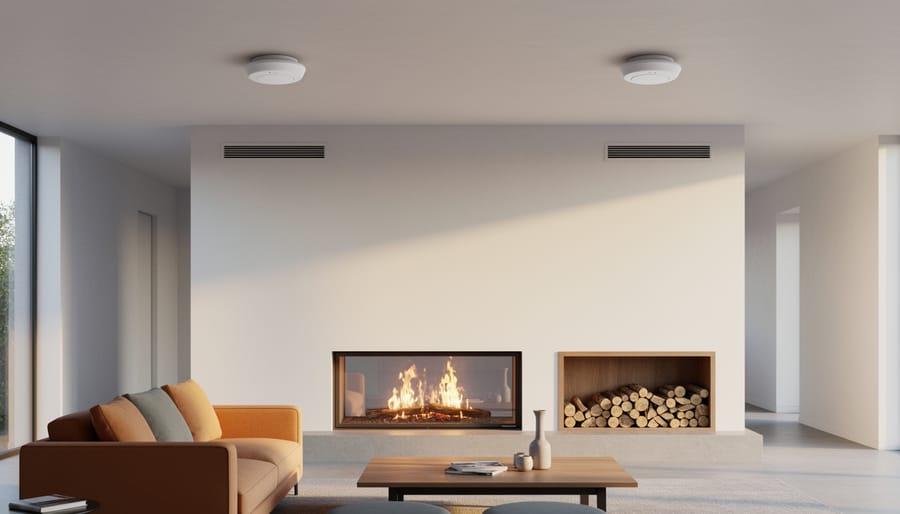
Position heat detectors at least 30 feet apart in hallways and open spaces to ensure adequate coverage without overlap, as this spacing allows each unit to effectively monitor its designated zone while avoiding false alarms from adjacent detectors responding to the same heat source. Mount your detectors on ceilings rather than walls, keeping them at ... Read more
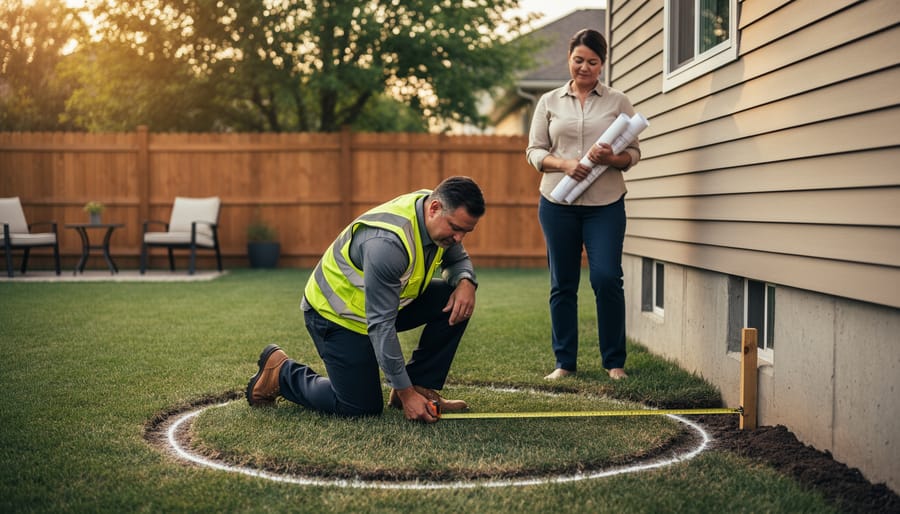
Check your local municipality’s zoning ordinances before purchasing any outdoor fireplace or chiminea, as setback requirements from property lines, structures, and combustible materials vary significantly between jurisdictions and can determine whether your dream fire feature is even feasible for your yard. Most cities require outdoor fire features to be positioned at least 10-25 feet from ... Read more
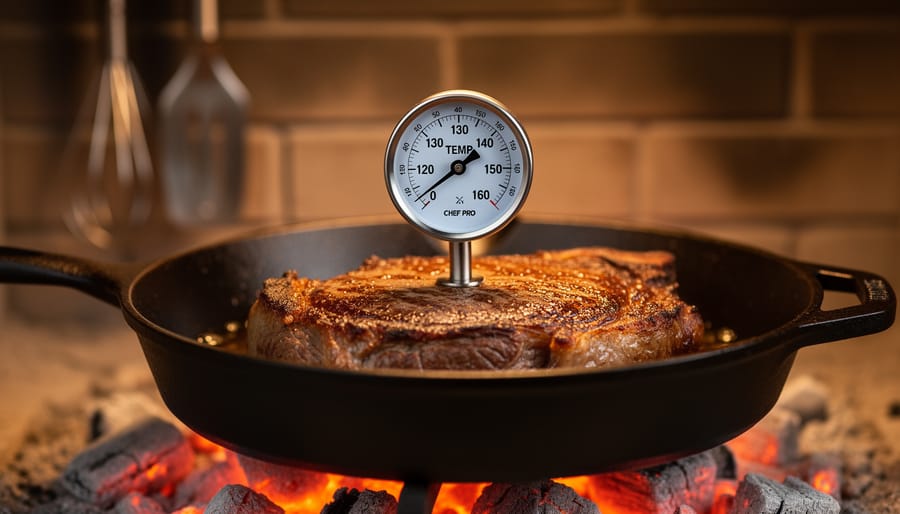
In the glow of your fireplace, while you’re roasting a perfect ribeye over open flames or slow-cooking a roast in your hearth oven, that shiny digital thermometer might leave you disappointed. When temperatures soar above 400 degrees and radiant heat surrounds your cooking space, traditional analog meat thermometers aren’t just nostalgic relics—they’re often the superior ... Read more
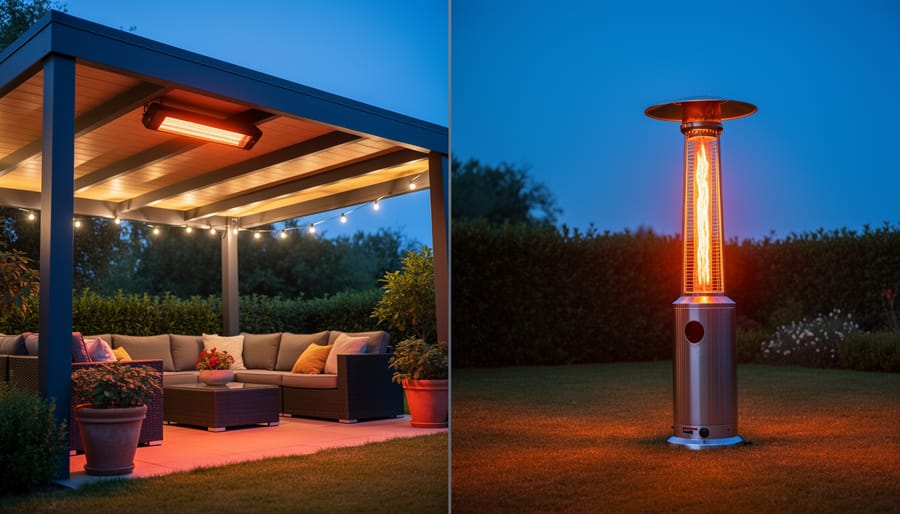
Choose your patio heater based on your space’s power access and ventilation requirements. Electric models plug into standard outlets and work perfectly for covered patios, screened porches, and smaller outdoor entertaining spaces where convenience matters most. Propane heaters deliver superior heat output—typically 40,000 BTUs compared to electric’s 5,000 BTUs—making them ideal for open yards and ... Read more
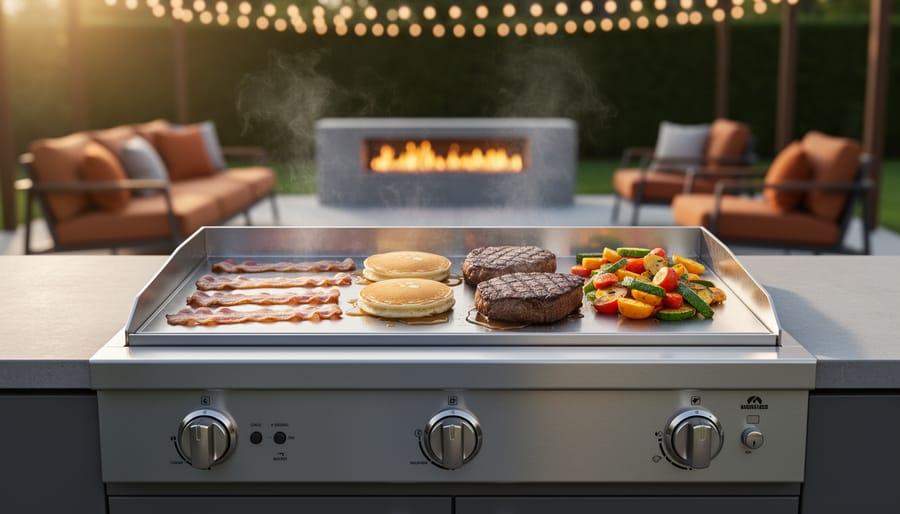
Picture this: sizzling bacon on a cool Sunday morning, perfectly seared steaks for your neighbor’s birthday gathering, or restaurant-quality stir-fry under the stars. An outdoor flat top gas griddle transforms your backyard into a versatile cooking destination that extends your living space beyond four walls. Unlike traditional grills with grates that limit what you can ... Read more
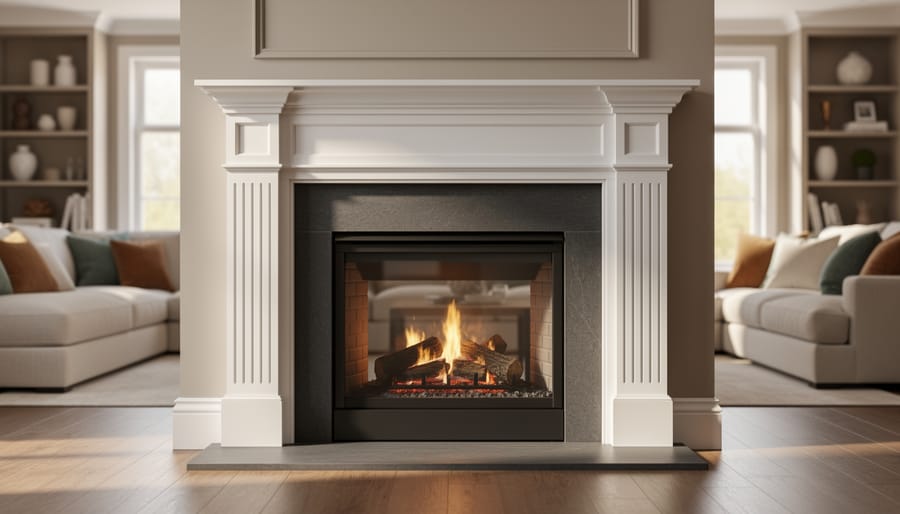
Transform your dated fireplace into a stunning focal point by selecting mouldings that complement your existing architecture. Crown mouldings paired with fluted pilasters create classical elegance, while simple, clean-lined trim suits modern spaces perfectly. Match the wood species and finish to your room’s existing woodwork for a cohesive look, or paint mouldings in contrasting colors ... Read more
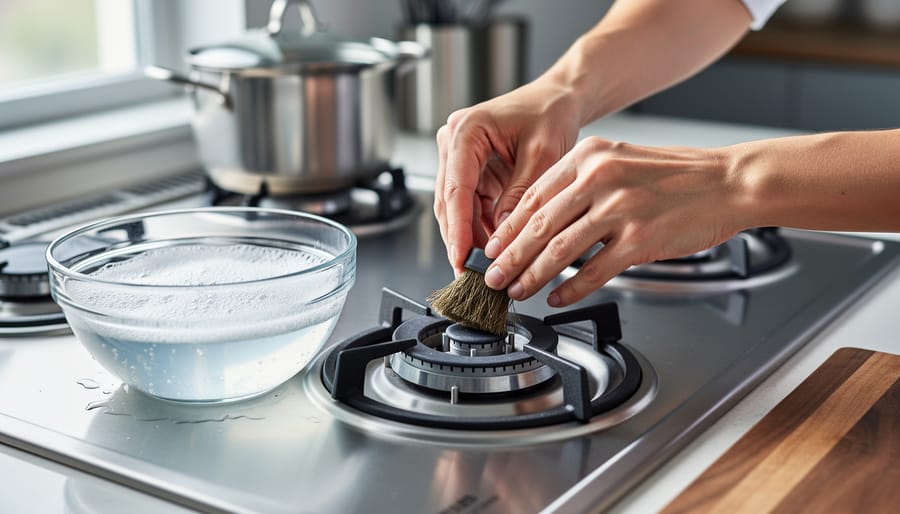
Inspect your burner ports monthly by removing the grates and cleaning any visible debris with a soft brush—clogged ports create uneven flames and waste gas, costing you money while reducing cooking efficiency. Turn off your gas supply completely, then wipe down burner caps and heads with warm, soapy water to prevent grease buildup that leads ... Read more
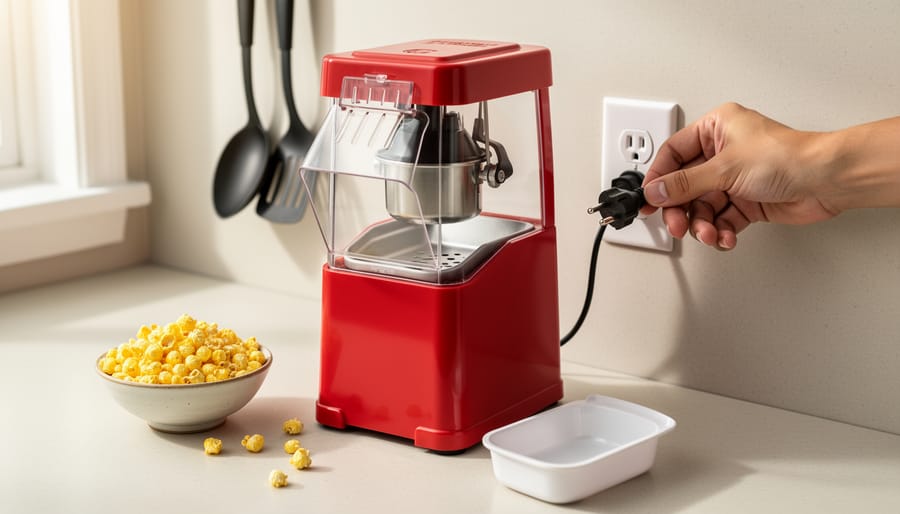
Check the power connection first—unplug your Dash popcorn maker, inspect the cord for damage, and plug it into a different outlet to rule out electrical issues. If the unit powers on but won’t pop kernels, allow it to cool completely for 20-30 minutes, as the built-in thermal safety switch may have triggered from overheating during ... Read more
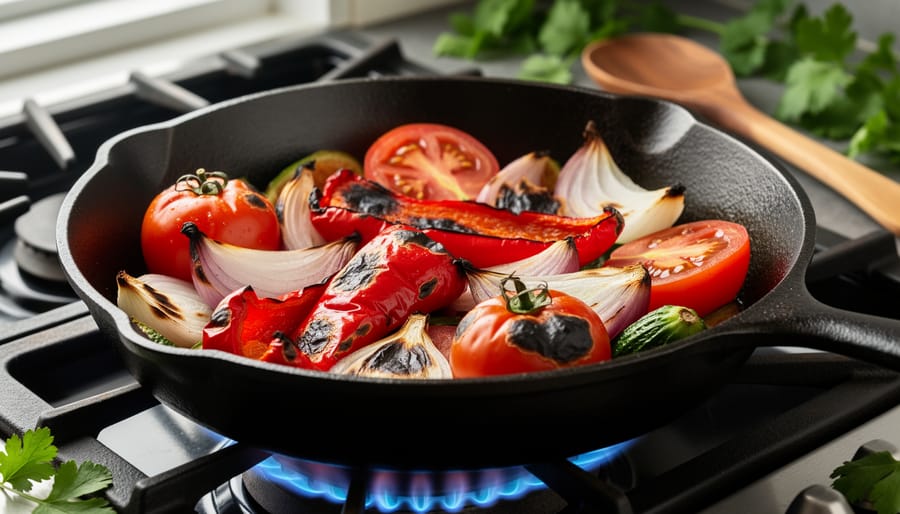
Master the fundamental techniques that transform ordinary vegetables into extraordinary dishes over an open flame. Searing vegetables over high heat—whether on a gas burner or wood-fired cookstove—creates caramelized edges and concentrated flavors that gentle steaming never achieves. Control your flame to maintain temperatures between 400-450°F for perfect browning without burning. Cut vegetables uniformly to ensure ... Read more



