

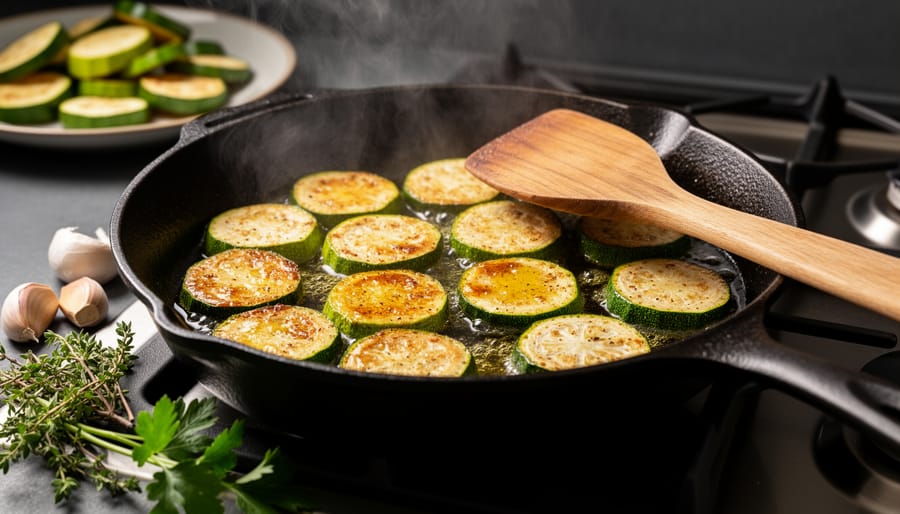
Stovetop zucchini takes just 8 to 10 minutes from heat to plate, making it one of the fastest side dishes you can prepare when you need fresh vegetables in a hurry. The method is straightforward: slice your zucchini, heat a skillet with a bit of oil or butter, and cook over medium-high heat until tender ... Read more
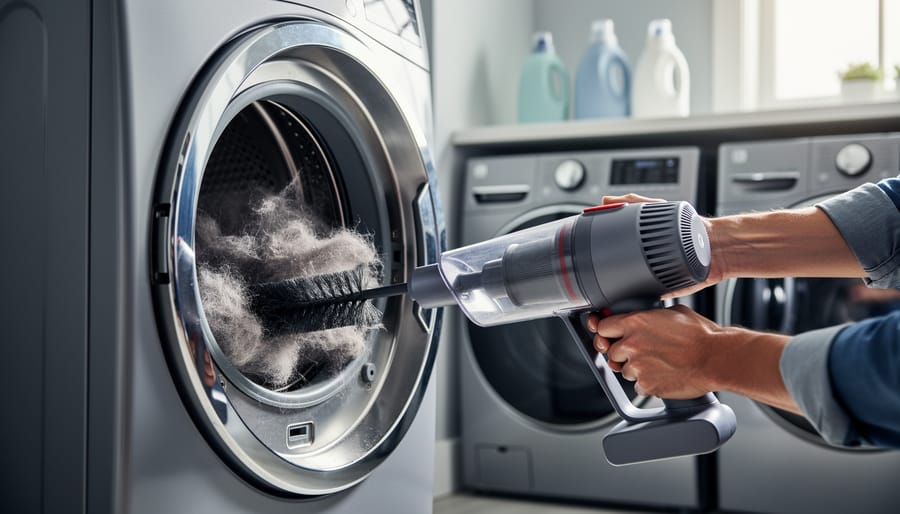
Cleaning your dryer vent regularly isn’t just about preventing fires or boosting efficiency. It’s one of the simplest ways to shrink your household carbon footprint while saving real money on energy bills. When lint builds up in your dryer vent, your machine works harder and longer to dry each load, wasting electricity or natural gas ... Read more
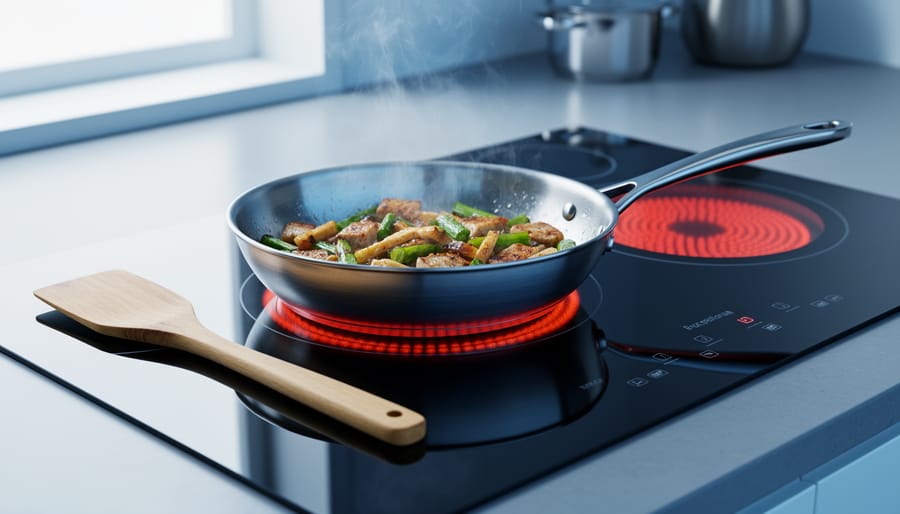
Mastering an electric stove means understanding its quirks and working with them, not against them. Unlike gas ranges that respond instantly to temperature adjustments, electric coils and smooth-top elements heat and cool slowly, creating a lag between your turn of the dial and the actual change in cooking temperature. This delayed response makes temperature control ... Read more
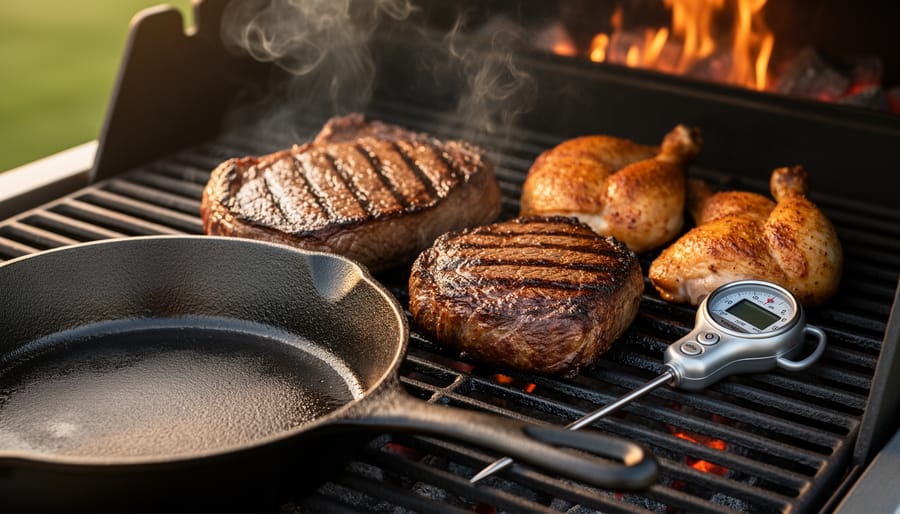
Getting meat to the right temperature isn’t just about food safety, it’s about transforming a good meal into an exceptional one, and after years of cooking over open fires and grilling in our own backyards, we’ve learned that understanding these temperature ranges changes everything about how you approach cooking. Whether you’re searing a steak over ... Read more

There is something about a fire that makes people slow down. Conversations linger. The evening stretches a little longer. If you have been thinking about adding outdoor fire pits to your backyard, you are not alone. They have become one of the most sought-after features in residential landscape design, and for good reason. A well-chosen fire ... Read more
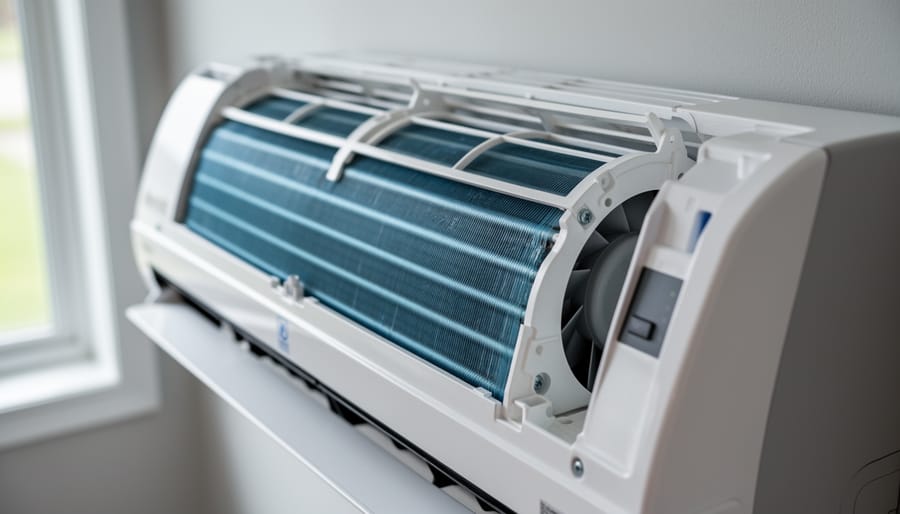
Cleaning a fan coil unit takes about 30 to 45 minutes and requires only basic tools: a screwdriver, soft brush, vacuum with attachments, microfiber cloths, and mild detergent. You’ll remove the front grille, vacuum the coil fins and fan blades, wipe down the drain pan with soapy water, and reassemble everything once dry. This straightforward ... Read more
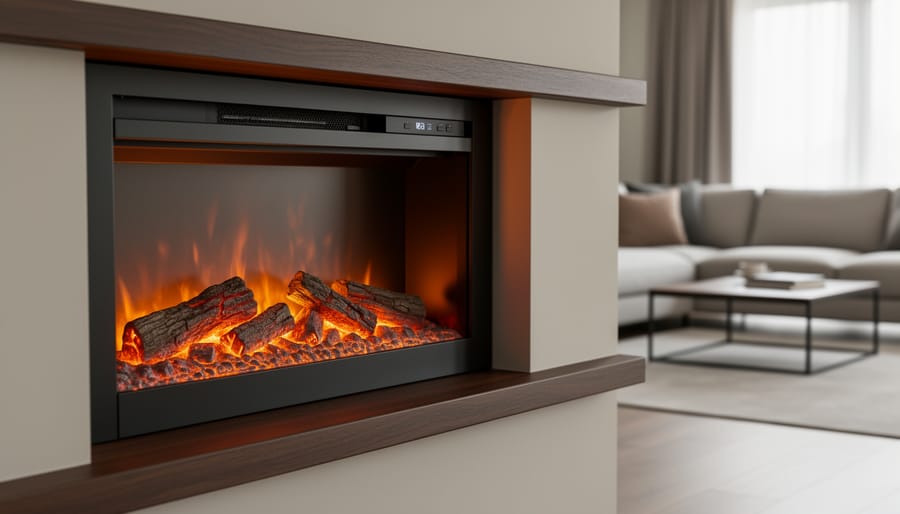
A 3D electric fireplace insert uses advanced LED layering and holographic flame technology to create depth and movement that standard flat-screen models simply can’t match. For homeowners upgrading an existing hearth or adding ambiance without venting, these inserts deliver realistic flickering flames, ember beds, and log detail that rival gas fireplaces, all while running on ... Read more
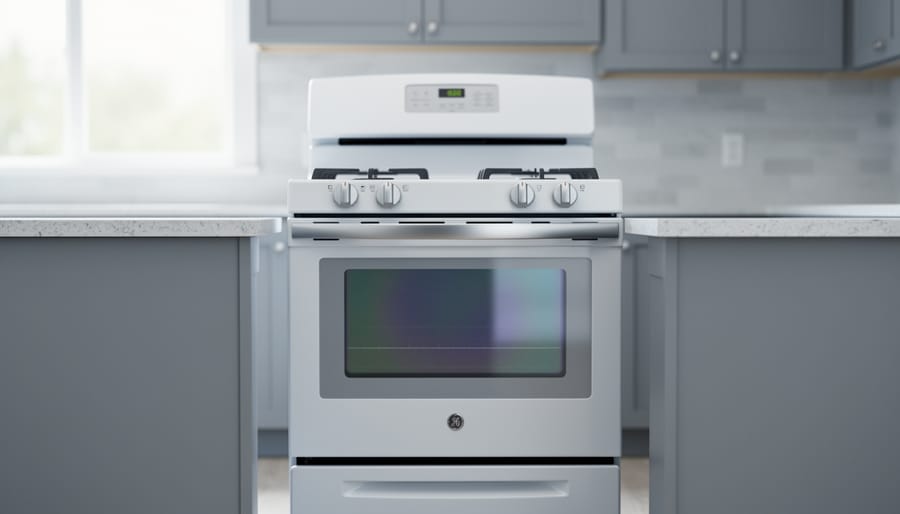
If you’re searching for information about a GE electric stove recall, you need to know whether your appliance poses a fire or safety risk and what steps to take right now. GE has issued several recalls over the years affecting specific electric range models, typically due to hazards like malfunctioning burners, electrical shorts, or control ... Read more

Layer your lighting with three distinct levels: ambient fixtures for overall illumination, task lighting for specific activities like reading or cooking, and accent lights to highlight architectural features or artwork. This foundational approach creates depth and functionality in every room while allowing you to adjust brightness based on mood and time of day. Install dimmer ... Read more
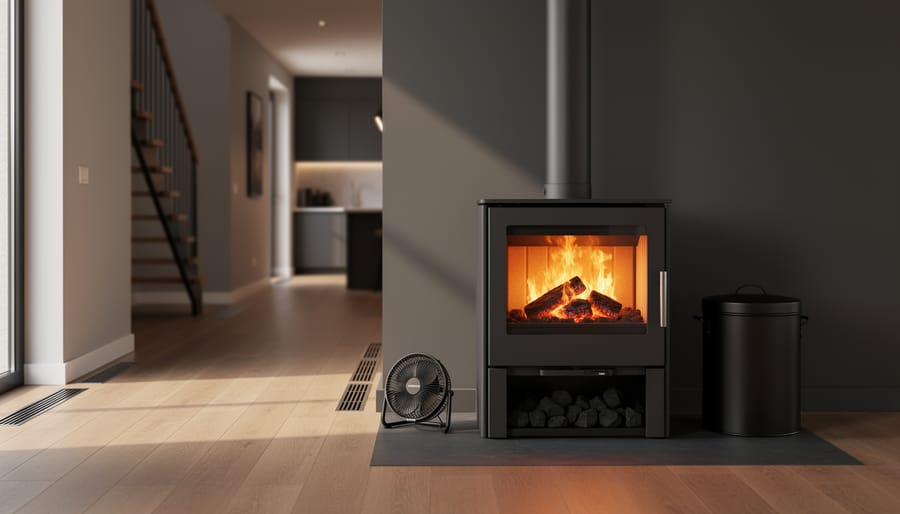
Consider coal stoves as a whole-home heating solution by understanding their impressive 70-80% efficiency ratings and 8-12 hour burn times that rival modern wood stoves while offering substantially lower fuel costs. A single ton of anthracite coal produces heat equivalent to approximately 1.5 cords of hardwood, making it an economically attractive option for homeowners seeking ... Read more



