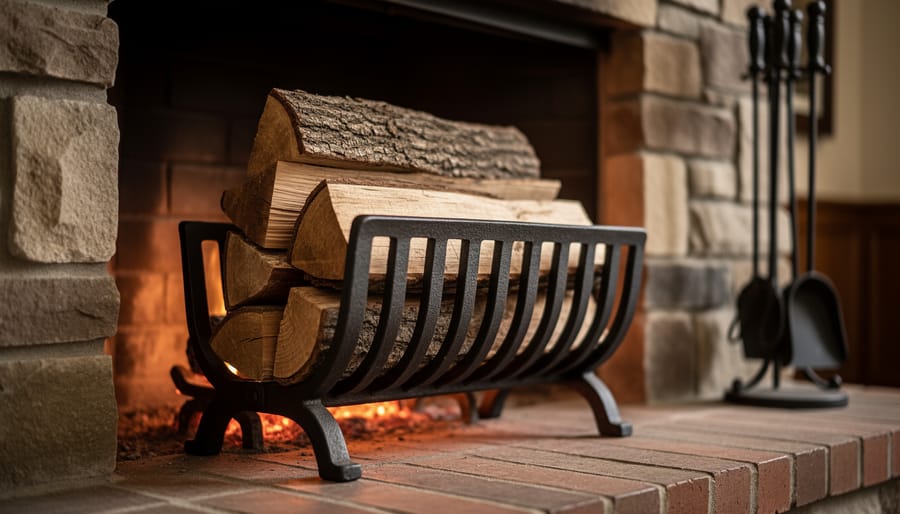


Position your fireplace grate with the lower, slanted side facing toward the front of the fireplace and the higher side toward the back. This orientation creates the optimal airflow pattern beneath your logs, allowing oxygen to fuel the fire from below while ash falls through to the collection area. The slope directs heat forward into your room rather than up the chimney, making your fire both more efficient and more effective at warming your space.
Getting this simple detail right transforms your fireplace experience. When installed backward, grates restrict airflow, cause logs to roll forward awkwardly, and reduce heat output by up to 30 percent. You’ll notice struggling fires that require constant attention, excessive smoke, and frustrating inefficiency that wastes both wood and warmth.
Most homeowners discover this orientation question when unwrapping a new grate, standing in front of their fireplace wondering which end goes where. The answer matters more than you might think. Proper grate placement supports complete combustion, reduces creosote buildup in your chimney, and creates that perfect crackling ambiance that makes fireplace evenings special. Beyond positioning, choosing the right grate material and size for your specific fireplace dimensions ensures years of cozy, eco-friendly heating that enhances your home’s comfort while minimizing environmental impact.
The Quick Answer: Which Side Goes Up?
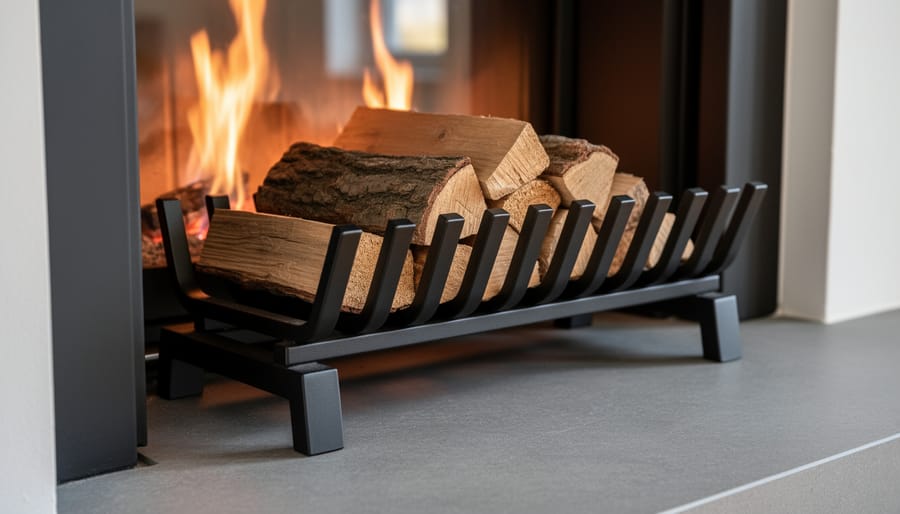
Here’s the good news: getting your fireplace grate oriented correctly is straightforward once you understand the simple principle behind it. The wider, thicker bars should always face down, making contact with your fireplace floor, while the narrower bars point upward toward the sky.
Think of your fireplace grate like a cradle for your firewood. The sturdy base needs to support the weight of burning logs, while the upper bars create air channels that feed oxygen to your fire from below. This design isn’t just about strength; it’s about creating the perfect environment for an efficient, long-lasting fire that warms your home beautifully.
The heavier bottom bars distribute weight evenly across your firebox floor, preventing damage to both the grate and your fireplace. Meanwhile, those narrower top bars create the ideal spacing for air circulation. As flames rise and draw fresh oxygen from underneath, you’ll notice your fire burns cleaner and produces less smoke—a win for both your indoor air quality and your eco-friendly heating goals.
Here’s an easy way to remember: wider at the bottom, narrower at the top, just like a pyramid. This orientation has stood the test of time because it works with fire’s natural behavior rather than against it. When you position your grate correctly, you’re setting the stage for cozy evenings and efficient heating throughout the season. Getting this simple detail right means better fires, less frustration, and a fireplace that truly becomes the heart of your home.
Why Grate Direction Actually Matters
Airflow and Combustion Efficiency
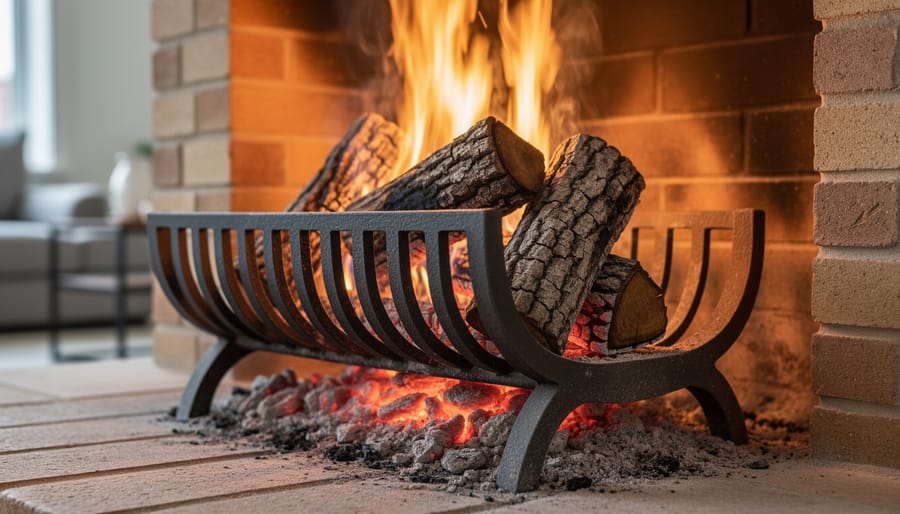
Understanding how your fireplace grate creates airflow is key to enjoying those cozy, crackling fires without the frustration of smoke backing up into your room. When you position the grate correctly with the bars running front to back, you’re creating channels underneath your logs that act like tiny air highways. Cool air naturally draws in from the room, travels beneath the burning wood, and feeds oxygen directly to the flames where it’s needed most.
This upward airflow does something wonderful for your fire’s performance. The steady oxygen supply ensures more complete combustion, meaning your logs burn hotter and cleaner with significantly less smoke. You’ll notice the difference immediately – flames that dance more vigorously and wood that burns down to fine ash instead of leaving behind chunky, half-burned pieces.
There’s an eco-friendly bonus here too. Better combustion means you’re extracting more heat from every log while releasing fewer particulates into the atmosphere. Your fireplace becomes a more efficient heat source for your home, reducing waste and making the most of this natural, renewable resource. Plus, when your fire burns cleanly, you’ll spend less time dealing with creosote buildup in your chimney, which is both a safety win and a maintenance time-saver.
Protecting Your Investment
Your fireplace grate is more than just a functional accessory—it’s an investment in your home’s comfort and efficiency that deserves proper care. When you place a grate incorrectly, you’re essentially asking it to fail prematurely. Here’s why orientation matters so much for your grate’s longevity.
Incorrect placement creates uneven heat distribution across the metal bars, causing some sections to bear more thermal stress than others. This imbalance leads to warping, where the grate literally bends out of shape from inconsistent expansion and contraction. Once warped, your grate won’t sit level, creating wobbly fires and further accelerating damage.
Positioning the bars the wrong way can also concentrate extreme heat in areas not designed to handle it. This intense, focused heat creates weak points that eventually crack or split, especially in cast iron grates. Even heavy-duty steel grates will develop stress fractures over time when heat isn’t distributed as the manufacturer intended.
The good news? Simply installing your grate correctly protects your investment and ensures years of reliable service. When heat flows properly through a correctly positioned grate, the entire structure shares the thermal load evenly. This means your grate maintains its shape, strength, and effectiveness season after season, giving you the cozy, efficient fires you’re counting on.
How to Identify Your Grate’s Correct Orientation
Bar Width and Spacing
Here’s a helpful visual clue that makes orientation crystal clear: take a close look at the bars themselves. Most fireplace grates feature thicker, more robust bars at the bottom and thinner bars at the top. This design isn’t just aesthetic—it’s engineered for optimal performance and longevity. The heavier bottom bars support the weight of your logs and burning fuel while withstanding intense heat from underneath. They’re built to handle the hardest work your grate faces.
You’ll also notice the spacing between bars tends to be wider at the bottom than at the top. This graduated spacing serves a practical purpose in your fireplace’s eco-friendly heating efficiency. The wider gaps below allow ash and embers to fall through naturally, maintaining better airflow for a cleaner, more complete burn. Meanwhile, the narrower spacing up top prevents smaller pieces of wood from slipping through as they burn down. If you’re standing there examining your grate and the bars look uniformly thick with even spacing, try rotating it and checking again—quality grates almost always show this difference when you know what to look for.
Feet and Support Structures
Most fireplace grates come with built-in support features that make orientation pretty straightforward once you know what to look for. The feet or legs are specifically designed to elevate the grate off your firebox floor, allowing essential airflow beneath your burning logs while keeping your fireplace foundation protected from direct heat.
Turn your grate on its side and examine it closely. You’ll typically find sturdy feet, legs, or flat support bars that are thicker and more robust than the rest of the structure. These supports should always face down, creating a stable base that won’t wobble or shift when you’re loading wood. The heavier, more substantial portions of the grate naturally belong on the bottom, both for stability and proper weight distribution.
If your grate features decorative elements or a front-facing panel, these ornamental touches belong facing outward toward your room. The support structure underneath works quietly behind the scenes, ensuring efficient combustion and protecting your fireplace while you enjoy the ambiance and eco-friendly warmth of your fire.
What If Your Grate Looks Symmetrical?
Good news – if your fireplace grate looks identical on both sides, you have some flexibility in how you position it. Many modern grates, especially simple bar-style designs, are manufactured to be symmetrical, meaning there’s no single “correct” orientation. In these cases, you can place the grate either way without compromising its performance.
That said, even with symmetrical grates, it’s worth ensuring the legs sit flat and stable on your firebox floor. Give it a gentle shake test – if it wobbles or feels unstable, try rotating it to see if that improves stability. Some symmetrical grates may have subtle height differences between front and back legs that aren’t immediately obvious but can affect how ash falls and air circulates.
When orientation truly doesn’t matter, focus instead on proper placement within your fireplace. Center the grate to allow adequate airflow from all sides, and make sure it sits far enough back to keep burning logs safely away from your hearth opening. This positioning is especially important for maintaining both efficient burning and the cozy ambiance that makes your fireplace a cherished gathering spot in your home.
Choosing the Right Grate When Shopping
Now that you understand how to position your grate correctly, let’s talk about choosing the right one in the first place. Getting the orientation right matters, but selecting a quality grate that fits your fireplace properly is equally important for creating that perfect cozy atmosphere you’re after.
First, measure your firebox carefully before shopping. You’ll want a grate that sits comfortably inside with a few inches of clearance on all sides. This spacing allows proper air circulation and prevents heat damage to your firebox walls. A grate that’s too large will be difficult to position correctly, while one that’s too small won’t support your logs efficiently.
Material choice plays a significant role in both performance and longevity. Cast iron grates are the most affordable option and work well for occasional use, but they can warp over time with intense heat. Steel grates offer a middle ground, while heavy-duty options with thicker bars stand up better to frequent fires. For those who love regular fires and want an eco-friendly heating solution, consider investing in heavier gauge materials that last longer and reduce replacement waste.
Bar spacing is another crucial factor. Grates with bars spaced too closely together restrict airflow, making it harder to maintain a healthy fire. Look for spacing between two to three inches for optimal air circulation underneath your logs.
When browsing the best fireplace grates available, consider your burning habits. Do you prefer smaller, intimate fires or roaring blazes? Your answer will guide you toward the right size and durability level. Remember, a well-chosen grate becomes a long-term partner in creating those memorable evenings by the fire.
Material Matters: Cast Iron vs. Steel Grates
Cast Iron: The Traditional Choice
Cast iron has been the gold standard for fireplace grates for generations, and for good reason. These hefty grates are workhorses that can transform your fireplace experience into something truly special.
The weight of cast iron is actually one of its greatest strengths. While it might make installation a bit more challenging, that substantial heft means your grate stays firmly in place during use. You won’t have to worry about it shifting as logs settle or when you’re arranging your firewood. This stability creates a safer, more predictable burning environment.
Heat retention is where cast iron truly shines. The material absorbs warmth from your fire and radiates it back into your room long after the flames have died down. This quality makes cast iron an eco-friendly heating solution that maximizes every log you burn, stretching your firewood supply further while keeping your space cozy.
Durability is another hallmark of cast iron grates. Many vintage fireplace grates are still going strong after decades of use. With proper care and occasional maintenance, a quality cast iron grate can last a lifetime, making it a smart investment for homeowners who value longevity and traditional craftsmanship in their heating solutions.
Steel Grates: Modern Alternatives
Steel grates have earned their place in modern fireplace design, offering practical benefits that make them worth considering for your home. While cast iron remains the traditional choice, steel grates bring their own advantages to the table.
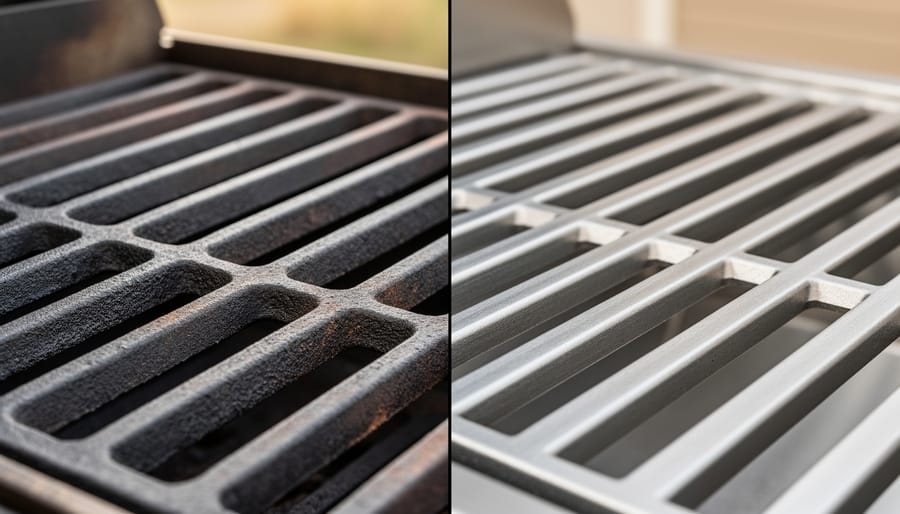
Stainless steel grates stand out as an excellent option if you’re looking for a cleaner-burning fire with less maintenance hassle. These grates resist rust and corrosion beautifully, making them ideal for homeowners who want longevity without constant upkeep. The elevated design of steel grates promotes better airflow, which means more complete combustion and fewer emissions – a win for both your indoor air quality and the environment.
Regular steel grates also have their place, particularly if you’re working with a tighter budget. While they may not last quite as long as their stainless counterparts, they still provide the essential function of keeping logs properly positioned for efficient burning.
The lightweight nature of steel grates makes them easier to remove for ash cleanup, though you’ll still want to let them cool completely first. When positioning your steel grate, the same basic principle applies: bars running front to back allow logs to nestle in naturally while maintaining optimal air circulation underneath.
Sizing Your Grate Correctly
Getting the right size grate is just as important as positioning it correctly. A properly sized grate ensures efficient burning, prevents logs from rolling out, and keeps your fireplace operating safely. Let’s walk through how to measure and choose the perfect fit for your firebox.
Start by measuring your fireplace opening. You’ll need three key measurements: width, depth, and height. For width, measure the inside of your firebox from side to side at its narrowest point. For depth, measure from the front opening to the back wall. Height matters too, especially if you’re considering a vertical grate design.
Your grate should be smaller than these dimensions to allow proper air circulation. A good rule of thumb is to choose a grate that’s 3 to 6 inches narrower than your fireplace width and 2 to 4 inches shorter than the depth. This spacing lets air flow around the logs and prevents the grate from getting wedged against the firebox walls, which can make removal difficult and restrict airflow.
Consider the height of your grate basket too. Taller grates hold more wood but need adequate clearance for flames. Measure from your fireplace floor to the damper opening, then ensure your loaded grate won’t push flames dangerously close to the top of the firebox.
Don’t forget about weight capacity. Heavier cast iron grates support larger logs and hardwoods better than lighter options. Think about the type of wood you typically burn and how much you like to load at once.
When in doubt, slightly smaller is better than too large. A grate that fits with room to spare promotes better airflow, burns more efficiently, and creates that cozy ambiance you’re seeking while keeping your home warm and safe.
Installation Tips and Safety Reminders
Installing your fireplace grate correctly is straightforward when you follow a few simple steps. Start by ensuring your fireplace is completely cool and has been cleaned of old ashes and debris. This is the perfect time to use one of the quality ash vacuum cleaners designed specifically for fireplaces, making cleanup quick and safe.
Before placing your grate, inspect the firebox floor for any cracks or damage that might need attention. Position the grate so the curved or angled legs face downward, creating that essential airflow gap beneath your firewood. The flat platform where logs rest should sit parallel to the fireplace floor, centered in the firebox and positioned a few inches back from the opening. This placement ensures optimal draft and keeps embers safely contained.
When installing, never force a grate into a space that’s too small. A properly fitted grate should have about an inch of clearance on each side to allow for metal expansion during heating. This thermal expansion is completely normal and prevents warping or stress fractures.
Safety should always be your priority. Always wear work gloves when handling grates, as even new ones may have sharp edges. Ensure the grate sits stable and level before adding logs. A wobbly grate can shift during burning, potentially causing logs to roll forward unexpectedly.
To maximize your grate’s lifespan and performance, establish a regular maintenance routine. After each fire season, inspect for warping, cracks, or excessive rust. Clean accumulated creosote and ash regularly, as these deposits can accelerate deterioration and reduce efficiency. When not in use during warmer months, consider storing your grate in a dry location to prevent unnecessary rust.
Remember, a well-maintained grate contributes to cleaner, more efficient burns, reducing emissions and helping you enjoy an eco-friendly heating experience. Taking a few moments to install and care for your grate properly transforms it from a simple accessory into a lasting investment in your home’s warmth and ambiance.
Getting your fireplace grate positioned correctly—with the higher side toward the back—makes a real difference in how your fires burn and how long your grate lasts. Take a moment to check your current setup if you haven’t already. That simple adjustment can transform your fireplace from frustrating to fantastic, giving you better airflow, cleaner burns, and a more inviting atmosphere in your home.
When you combine proper grate orientation with regular fireplace maintenance and thoughtful wood selection, you’re creating more than just a heat source. You’re establishing a sustainable, efficient centerpiece for your home that brings warmth and comfort to those gathered around it. Consider using seasoned hardwoods and smaller, hotter fires rather than large smoky ones to minimize emissions and maximize efficiency. With your grate correctly positioned and eco-friendly burning practices in place, you’ll enjoy the timeless pleasure of a crackling fire while being a responsible steward of both your home and the environment. Here’s to many cozy evenings ahead by your perfectly optimized fireplace.