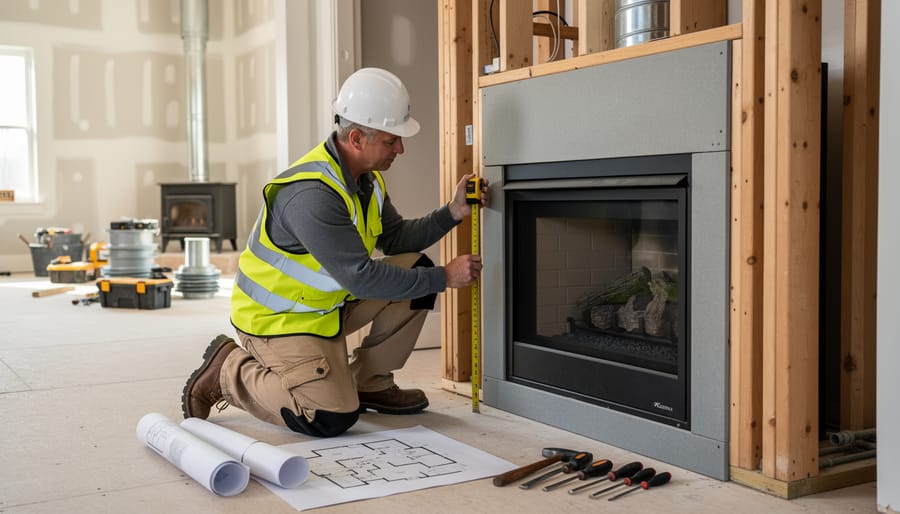


Contact your local planning and inspections department before purchasing materials or starting any fireplace installation work. Most municipalities require permits for new fireplace installations, wood stove additions, chimney modifications, and even some hearth renovations. Calling ahead saves you from costly mistakes like buying non-compliant equipment or completing work that fails inspection and must be redone.
Schedule a pre-application consultation to discuss your specific project with a plans examiner. Bring sketches, photos of your space, and questions about clearances, venting requirements, and manufacturer specifications. These meetings are typically free and help you understand exactly what documentation you’ll need, which can include floor plans, chimney diagrams, and product approval listings from your chosen fireplace or stove manufacturer.
Prepare complete application packages with all required documents to avoid delays. Incomplete submissions bounce back for revisions, adding weeks to your timeline. Include detailed drawings showing distances from combustible materials, structural support plans for heavy masonry installations, and manufacturer cutsheets proving your equipment meets local codes and emission standards for eco-friendly operation.
Build inspector relationships by demonstrating you take safety seriously and respect the process. Inspectors protect your family and home value by ensuring proper installation. Ask questions, show up prepared for scheduled inspections, and address any violations promptly. Understanding that planning and inspections departments exist to help you create a safe, compliant hearth that adds warmth and value to your home transforms what feels like bureaucratic hurdles into helpful guidance from experienced professionals invested in your project’s success.
What Your Planning and Inspections Department Actually Does
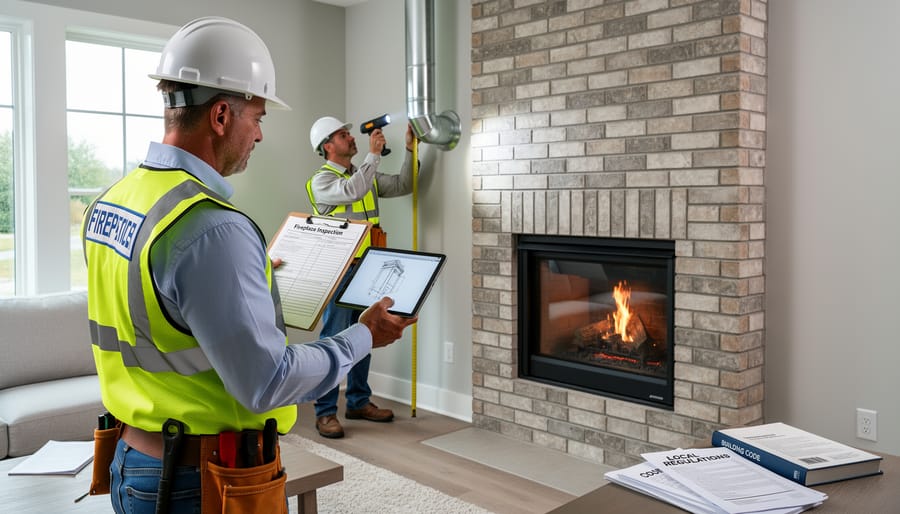
Beyond Rubber Stamps: Why These Inspections Matter
Let’s be honest—nobody gets excited about paperwork and inspections. But here’s the thing: these aren’t bureaucratic hoops designed to frustrate you. They’re genuine safeguards that protect your home, your family, and your investment.
Think about fire safety for a moment. An improperly installed chimney or fireplace can lead to carbon monoxide buildup, chimney fires, or dangerous creosote accumulation. These aren’t abstract risks—they’re real hazards that send thousands of families to emergency rooms each year. A qualified inspector catches issues like inadequate clearances from combustible materials or improper venting before they become life-threatening problems.
Then there’s the financial side. Your homeowner’s insurance policy likely requires permitted work and proper inspections. Skip them, and you might discover your coverage is void right when you need it most—like after a fire damages your home. Insurance companies aren’t being difficult; they need assurance that installations meet safety standards.
Planning to sell your home someday? Unpermitted work is a red flag that can derail sales, reduce your home’s value, or require expensive corrections at closing. Savvy buyers and their inspectors will find it.
Finally, inspections ensure your eco-friendly heating solution actually works as intended. Proper airflow, correct sizing, and appropriate clearances aren’t just safety issues—they determine whether your new fireplace heats efficiently or becomes an expensive disappointment. Inspectors help you get it right the first time.
When You Need to Contact Your Planning Department (And When You Don’t)
The Projects That Always Need Permits
Some fireplace projects require permits no matter where you live—these are the installations that involve fundamental safety considerations and building infrastructure. If you’re planning any of these updates, expect to apply for fireplace permits before breaking ground.
New chimney construction always requires permits, whether you’re building a traditional masonry chimney or installing a modern factory-built system. This massive addition to your home affects everything from structural integrity to roof penetrations.
Any gas line work falls into this category too. Running new lines, relocating existing ones, or converting from one fuel type to another involves potential safety hazards that inspectors need to verify. Your family’s wellbeing depends on proper gas installations.
Structural modifications that accommodate your new fireplace also require approval. This includes cutting floor joists, modifying load-bearing walls, or reinforcing foundations to support heavy masonry.
Finally, venting systems need permits universally. Whether you’re installing direct vent pipes for a gas insert or a liner for a wood-burning stove, proper venting prevents carbon monoxide poisoning and ensures efficient operation. Think of these permit requirements as essential safety checkpoints rather than bureaucratic hurdles.
The Surprising Installations That Might Not
Here’s a bit of good news: not every fireplace-related project requires the full permit process. Some installations fall into a gray area that might save you time and paperwork. Electric fireplaces that simply plug into existing outlets, for example, often don’t require permits since they’re considered appliances rather than permanent installations. Similarly, replacing a damaged firebrick or doing minor hearth repairs typically falls under routine maintenance.
In certain jurisdictions, ventless gas fireplaces or ethanol models may have simplified requirements, though this varies dramatically by location. Some areas embrace these eco-friendly heating solutions with minimal red tape, while others ban them entirely due to indoor air quality concerns.
The key word here is “might.” What’s permit-free in one town could require full inspection next door. A seemingly simple electric fireplace installation could trigger requirements if it involves electrical work beyond plugging in a cord. Before you assume your project is exempt, make that call to your local planning department. A five-minute conversation can prevent assumptions that lead to expensive corrections later. Think of exceptions as possibilities to explore, not guarantees to count on.
How to Make Your First Visit Actually Productive
The Documents and Information You’ll Need
Before heading to your planning and inspections department, gather these essential documents to make your visit productive and ensure a smooth approval process.
Start with your property information, including your deed or property survey. This confirms lot boundaries and any easements that might affect where you can install your fireplace or chimney. Officials need to verify you’re building on your property and meeting setback requirements.
Next, bring detailed installation plans or blueprints showing the fireplace location, chimney route, and clearances from combustible materials. These don’t need to be architect-quality drawings, but they should clearly illustrate what you’re planning. Many inspectors appreciate simple sketches with accurate measurements.
Product specifications are crucial. Bring the manufacturer’s documentation for your fireplace or stove, including model numbers, safety certifications, and installation requirements. This proves you’re using approved equipment and helps inspectors verify compliance with building codes. For eco-friendly heating solutions, these specs also demonstrate efficiency ratings that may qualify for incentives.
Have your contractor’s information ready, including their license number, insurance certificates, and contact details. Licensed contractors familiar with hearth installations often streamline the approval process since they understand local requirements.
Finally, take clear photos of your installation site from multiple angles. These help inspectors visualize the project context and identify potential issues before you begin work. Pictures of existing structures, nearby walls, and ceiling access points are particularly helpful.
Being prepared shows respect for the department’s time and demonstrates you’re taking your fireplace project seriously and safely.
Questions Every Homeowner Should Ask Upfront
Before breaking ground on your dream fireplace project, arm yourself with the right questions to keep everything running smoothly. Start by asking about realistic timelines—how long does the permit approval process typically take, and when can inspections be scheduled? Understanding these timeframes helps you plan around holidays, weather, and your family’s schedule.
Next, get crystal clear on all associated fees. Beyond the initial permit cost, are there charges for plan reviews, re-inspections, or amendments? Surprises on your budget can derail even the most carefully planned project.
Ask specifically about code requirements for your type of installation. Whether you’re installing a wood-burning stove, gas fireplace, or eco-friendly pellet system, different heating solutions have different rules. What clearances are required? Are there restrictions on chimney heights or venting systems in your area?
Finally, clarify the approval criteria and what happens if your initial plans don’t meet standards. Can modifications be made easily, or will you need to restart the process? Understanding whether your inspector offers pre-submission consultations can save considerable time and frustration. These conversations transform a potentially overwhelming bureaucratic process into a manageable roadmap for bringing warmth and ambiance into your home.
Navigating the Permit Application Process Without Losing Your Mind
Who Should Submit: You or Your Contractor?
When it comes to submitting your fireplace permit, you have two paths: doing it yourself or letting your contractor handle the paperwork. Both approaches have merit, and the right choice depends on your comfort level and situation.
If you’re hiring a licensed contractor, having them submit the permit often makes the most sense. They know the technical requirements inside and out, speak the language of building codes, and have established relationships with local inspectors. Plus, when contractors pull the permit, they’re assuming responsibility for code compliance, which provides you additional protection. This professional expertise can prevent costly mistakes and delays that might arise from incomplete applications or incorrect specifications.
That said, homeowner-submitted permits are perfectly acceptable for many jurisdictions, especially for simpler installations. Going this route gives you direct communication with the planning department and complete visibility into the process. You’ll also save the markup some contractors charge for permit services.
However, consider that if issues arise during inspection, you’ll be responsible for understanding and addressing them. For complex installations involving gas lines, structural changes, or eco-friendly heating systems with advanced venting requirements, the contractor’s expertise becomes invaluable. Ultimately, discuss this decision openly with your contractor to determine what works best for your specific fireplace project.
The Real Timeline (Not the One They Quote)
Let’s be honest about timelines, because nobody wants surprises when they’re excited about their new fireplace. While planning departments often quote “two to four weeks” for permit approval, the reality depends on several factors beyond anyone’s control.
During peak building season, typically spring and early summer, expect the longer end of that estimate or even five to six weeks. Your cozy fireplace project competes with deck additions, room renovations, and all those other home improvement dreams people tackle when the weather warms up. Conversely, submitting permits in late fall or winter often means faster processing since departments handle lighter workloads.
The complexity of your installation matters too. A straightforward gas insert replacement in an existing fireplace might sail through in ten business days, while a custom masonry fireplace with a new chimney system could require additional review time, especially if structural engineers need to weigh in.
Here’s the wildcard: revision requests. If your initial submission has missing information or doesn’t meet code requirements, add another two to three weeks for resubmission and secondary review. This is why working with experienced contractors familiar with local requirements proves invaluable. They know exactly what inspectors want to see upfront, helping you avoid the revision cycle that turns a four-week process into a two-month waiting game.
The Inspection Schedule: What Happens and When
Pre-Installation Inspection
Before your installer even picks up a tool, the inspector will visit to verify that your space is ready for your new fireplace. Think of this as a safety checkpoint that protects your home and family. The inspector will carefully measure clearances between where your fireplace will sit and any combustible materials like wood framing, cabinets, or nearby walls. These measurements aren’t arbitrary—they’re based on decades of fire safety research and your specific unit’s requirements.
Your inspector will also examine the floor structure to ensure it can support your fireplace’s weight, which is especially important for heavy masonry or stone installations. They’ll check that you’ve completed any required preparation work, such as framing modifications or installation of proper backing materials. If you’re installing a gas fireplace, they’ll verify that gas lines are properly positioned but not yet connected. This inspection catches potential problems early, saving you from costly corrections later. Having everything properly prepared demonstrates your commitment to a safe, compliant installation and helps the entire process move smoothly forward.
Rough-In Inspection
The rough-in inspection happens after your fireplace framing and essential systems are installed but before any walls are closed up. This is your inspector’s opportunity to verify that everything behind the scenes meets code requirements, ensuring your project is safe and compliant.
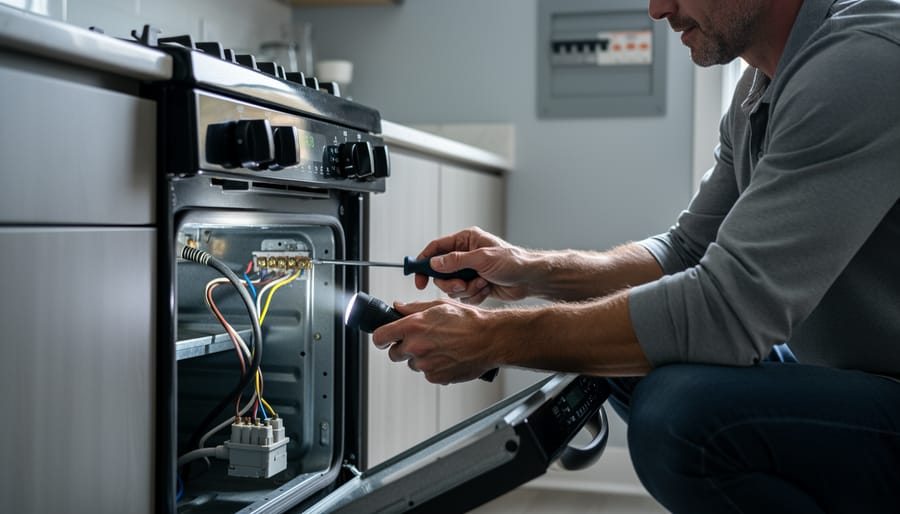
During this mid-installation checkpoint, the inspector will carefully examine your venting systems to confirm proper sizing, clearances, and secure connections. If you’re installing a gas fireplace, they’ll check gas line routing, proper support, and valve placement. Electrical connections for blowers, ignition systems, or remote controls also get scrutinized to ensure they follow electrical codes.
The framing around your fireplace receives close attention too. Inspectors verify that combustible materials maintain required clearances and that any structural modifications were done correctly. Think of this inspection as your safety net before finishing work begins. Once drywall goes up, fixing problems becomes significantly more expensive and time-consuming. Schedule this inspection promptly when you’re ready, and keep your workspace accessible and well-lit to help things move smoothly.
Final Inspection and Sign-Off
The final inspection is your project’s curtain call—the moment when your inspector confirms everything meets safety codes and your beautiful fireplace is ready to warm your home. During this comprehensive review, inspectors verify that all components are properly installed, clearances to combustible materials are correct, and ventilation systems function as designed. They’ll check that your hearth pad extends the required distance, verify proper draft and air supply, and confirm that carbon monoxide detectors are in place where required.
Common reasons homeowners fail final inspections include incorrect clearances around the firebox, improper chimney termination height, missing or incorrectly installed fireblocking, and inadequate combustion air supply. Sometimes it’s as simple as forgetting to install the required safety barriers or using non-approved materials.
Once you pass, the inspector issues a certificate of completion or occupancy permit, making your installation officially approved. This documentation is important for insurance purposes and future home sales. If issues arise, don’t worry—inspectors typically provide clear guidance on corrections needed, and you can schedule a re-inspection once fixes are complete. Think of this as the inspector ensuring your fireplace will provide safe, cozy warmth for years to come.
Common Reasons Hearth Installations Fail Inspection
Clearance and Combustible Material Issues
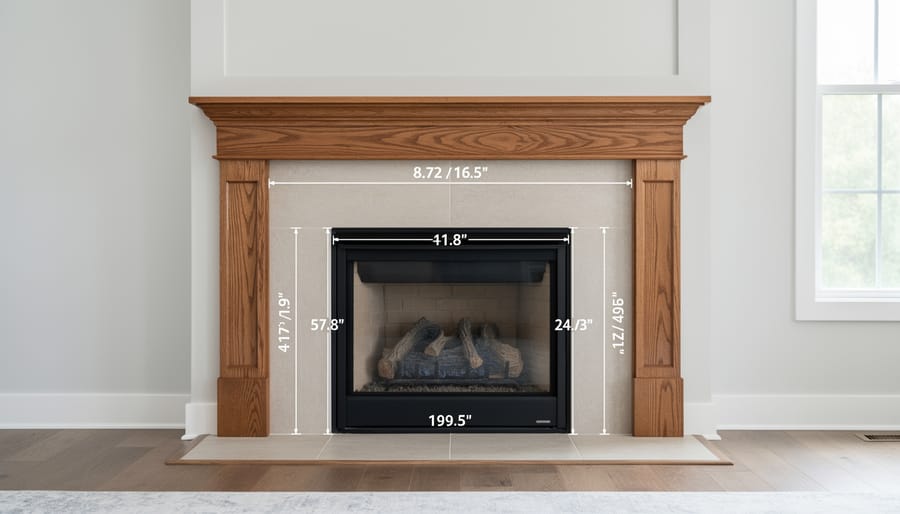
One of the most common reasons fireplaces fail inspection is improper clearance from combustible materials. Think of it as giving your fireplace room to breathe safely. Building codes specify minimum distances between your heating appliance and anything that can burn, including wood framing, drywall, flooring, and nearby furniture.
These clearance requirements aren’t arbitrary. They’re based on extensive testing to prevent heat transfer that could ignite surrounding materials over time. For example, a factory-built fireplace typically requires at least two inches of clearance from combustible walls, though this varies by model and manufacturer specifications. Wood stoves often need even more space, sometimes 36 inches or more from unprotected walls.
Inspectors will carefully measure these distances during your inspection. Even being half an inch short can result in a failed inspection because the safety margin exists for good reason. The heat your fireplace generates isn’t just the visible flames; radiant heat extends well beyond the firebox itself.
Common violations include mantels installed too close to the firebox opening, wooden trim placed directly against metal fireplace components, and flooring that extends too far beneath stoves without proper protection. Your installer should know these requirements, but it’s worth reviewing the manufacturer’s installation manual yourself. These clearances protect your home and family while ensuring your cozy heating solution remains both safe and eco-friendly for years to come.
Venting and Chimney Problems
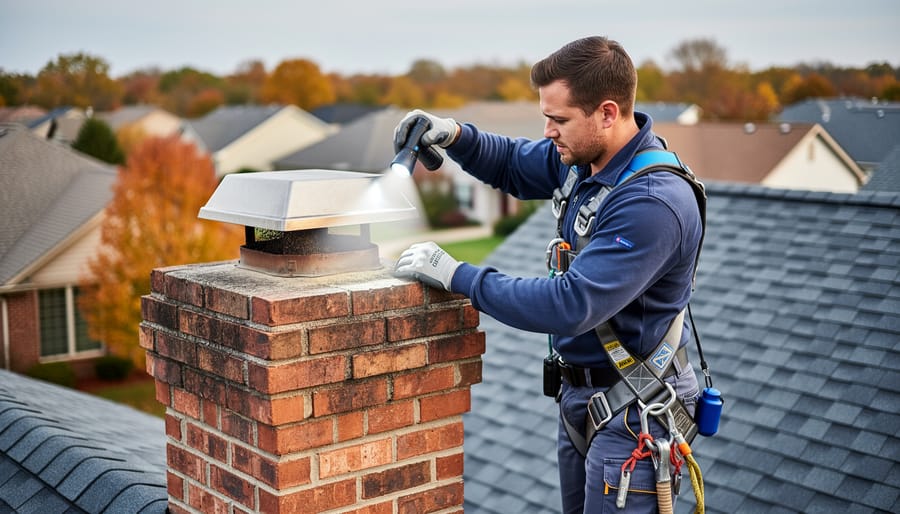
When your planning and inspections department reviews your fireplace installation, venting and chimney components receive particularly close scrutiny—and for good reason. These systems are your home’s first line of defense against carbon monoxide and combustion gases, making them a top safety priority.
Inspectors frequently flag improper venting configurations, especially when homeowners attempt DIY installations or use incorrect materials. Each type of fireplace requires specific venting: gas fireplaces need B-vents or direct vents, while wood-burning units demand Class A chimneys. Mixing these up or using the wrong connector pipes creates dangerous situations that will halt your inspection immediately.
Draft problems represent another common concern. Your fireplace needs adequate airflow to function safely and efficiently. Inspectors will verify that your chimney design provides sufficient draft, checking for obstructions, improper sizing, or chimney height issues that prevent proper ventilation. A chimney that’s too short or positioned incorrectly relative to your roofline won’t draw properly, creating smoke spillage and potential carbon monoxide hazards.
The good news? Most venting problems are preventable through proper planning and professional consultation. Working with certified installers and submitting detailed plans helps ensure your system meets code requirements before installation begins, saving you the headache of costly corrections later.
Working With Inspectors: Relationship Tips That Actually Help
Think of your building inspector as a partner in creating a safe, beautiful fireplace installation rather than an obstacle to overcome. The inspectors you’ll work with genuinely care about your safety and want your project to succeed—they’re just there to ensure everything meets code requirements that protect you and your family.
The foundation of a good relationship starts with preparation. When the inspector arrives, have your permits visible, your installation area accessible, and any required documentation ready. This simple courtesy shows respect for their time and demonstrates you’re taking the process seriously. If you’ve hired a professional installer, make sure they’re present during the inspection to answer technical questions.
Communication makes all the difference. Don’t hesitate to ask questions or request clarification about requirements. Inspectors appreciate when homeowners show genuine interest in understanding the why behind the rules. If something isn’t clear during your permit application process, a quick phone call to the department can prevent misunderstandings later.
Disagreements sometimes happen, and that’s okay. If an inspector flags something you believe is compliant, stay calm and professional. Ask them to explain their concern and point you to the specific code section. Sometimes it’s a simple miscommunication; other times, you might learn something that genuinely improves your installation’s safety. If you still disagree after the explanation, most jurisdictions have a formal appeals process you can follow.
Remember, inspectors see countless installations. Their experience is valuable, especially when it comes to eco-friendly heating solutions that might incorporate newer technologies. Treat their feedback as free expert advice that’s helping you create a safer, more efficient fireplace that will warm your home for years to come.

What to Do If Your Installation Gets Rejected
First, take a deep breath. A failed inspection isn’t the end of your fireplace dreams—it’s simply a roadmap showing what needs attention. The inspector will provide you with a violation notice or correction list detailing specific issues that need addressing. Read this document carefully, as it’s your guide to getting back on track.
Start by understanding exactly what went wrong. If anything on the violation notice seems unclear, don’t hesitate to call the inspector or visit the planning department for clarification. Most inspectors appreciate proactive homeowners who want to get things right. They can often provide helpful suggestions for corrections and may even recommend qualified professionals if repairs are beyond your skillset.
Once you understand the issues, prioritize safety-related violations first. Common problems include improper clearances from combustible materials, inadequate ventilation, or incorrect chimney installation. Address each item methodically, keeping detailed records and photographs of your corrections. This documentation proves you’ve taken the requirements seriously and can expedite your re-inspection.
When you’re confident everything has been corrected, schedule your re-inspection promptly. Many jurisdictions offer re-inspections within a few days, and some don’t charge additional fees for the first re-visit if corrections are made quickly. Be present during the re-inspection to answer questions and demonstrate the changes you’ve made.
Remember, inspectors want your fireplace installation to succeed safely. Their job is protecting your home and family, ensuring your new hearth becomes the cozy, eco-friendly gathering spot you envisioned. Approach corrections as an investment in long-term safety and enjoyment rather than a frustrating setback.
Your planning and inspections department isn’t the obstacle standing between you and cozy evenings by the fire—it’s actually your greatest ally in creating a safe, compliant, and beautiful hearth installation. Think of these professionals as partners who share your goal: a fireplace that brings warmth and ambiance to your home for years to come, without compromising your family’s safety or your property value.
Rather than viewing permits and inspections as bureaucratic hurdles, embrace them as valuable safeguards protecting your investment. A properly permitted installation ensures your homeowner’s insurance remains valid, your home’s resale value stays intact, and most importantly, your family stays safe. The inspection process catches potential problems before they become dangerous or costly disasters.
Taking a proactive approach makes all the difference. Reach out to your local planning department early in your project, ask questions freely, and view their expertise as a free consulting service. These officials have seen countless installations and can often suggest solutions you hadn’t considered, potentially saving you time and money.
Your dream fireplace, whether it’s a traditional wood-burning centerpiece or an eco-friendly heating solution, deserves to be built right the first time. By partnering with your planning and inspections department from the start, you’re not just checking boxes—you’re investing in peace of mind and creating a lasting gathering place where memories will warm your home for generations.