

Yes, roof replacement almost always requires a permit in the United States. While the specific requirements vary by location, most municipalities mandate permits for full roof replacements to ensure the work meets current building codes, protects your home’s structural integrity, and maintains neighborhood safety standards.
Skipping the permit process might seem like a shortcut, but it creates serious consequences that can haunt you for years. You’ll face potential fines ranging from hundreds to thousands of dollars, complications when selling your home since inspectors will flag unpermitted work, possible insurance claim denials if roof damage occurs, and the costly requirement to tear off and redo compliant work. These risks far outweigh the permit fees, which typically cost between $150 and $500 depending on your location and project scope.
Understanding when permits apply protects your investment and peace of mind. Full tear-offs and replacements always need permits, while simple repairs covering less than 25% of your roof surface often don’t. The complexity increases when your roof work involves chimney flashing repairs, ventilation system modifications, or structural changes that affect how heat and smoke escape from your fireplace system. These elements require additional scrutiny since they impact your home’s safety systems.
The permit process connects directly to ensuring your entire home works as an integrated system. Your roof, chimney, and ventilation components all function together to keep your living space comfortable, safe, and energy-efficient throughout the seasons.
Does Roof Replacement Require a Permit? The Short Answer
Yes, in most jurisdictions across the United States, roof replacement does require a permit. This isn’t just bureaucratic red tape—it’s actually designed to protect you, your home, and your investment.
Building permits for roof replacement ensure that the work meets current safety standards and building codes. Think of it as a quality checkpoint that confirms your new roof will stand up to weather challenges, properly protect your home’s structure, and maintain its value. When you eventually sell your property, having permitted work on record demonstrates that everything was done properly, which can be a significant selling point for potential buyers.
The permit process typically involves inspections at various stages of the work, ensuring that everything from structural support to proper ventilation is handled correctly. This is especially important if your home features a fireplace or chimney, as roof replacement work around these areas requires careful attention to flashing, sealing, and maintaining proper ventilation systems that keep your home safe and cozy.
Now, there are some exceptions worth noting. Minor repairs—like replacing a handful of damaged shingles or fixing a small leak—generally don’t require permits. The key distinction is between repair work and replacement. If you’re removing the entire roof covering and installing new materials, that’s replacement territory, and you’ll need that permit.
Some jurisdictions also have specific thresholds, such as permitting requirements kicking in when you’re replacing more than a certain percentage of your roof’s surface area. When in doubt, a quick call to your local building department can clarify exactly what applies to your situation, saving you potential headaches down the road.
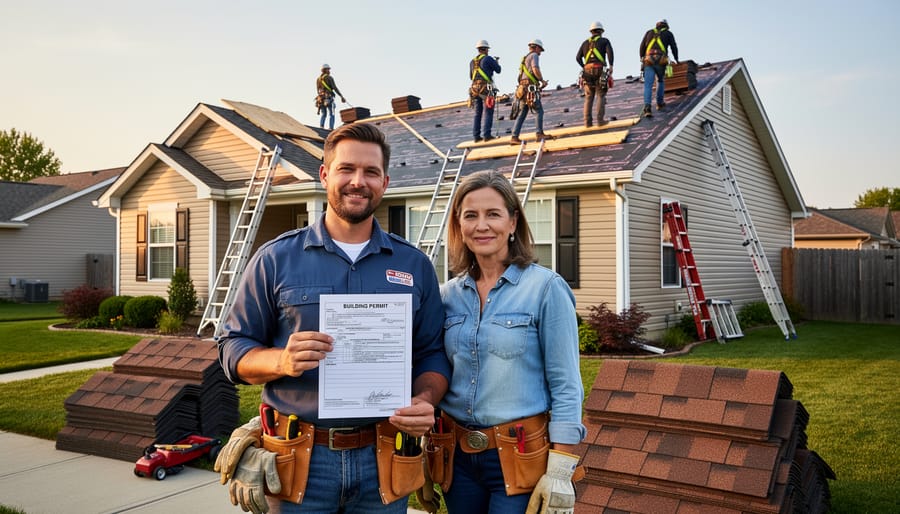
Why Building Permits Exist for Roof Work
Building permits for roof replacement aren’t just bureaucratic red tape—they’re designed to protect you, your home, and your investment. Think of permits as a safety net that ensures your roof work meets essential standards that keep your family secure.
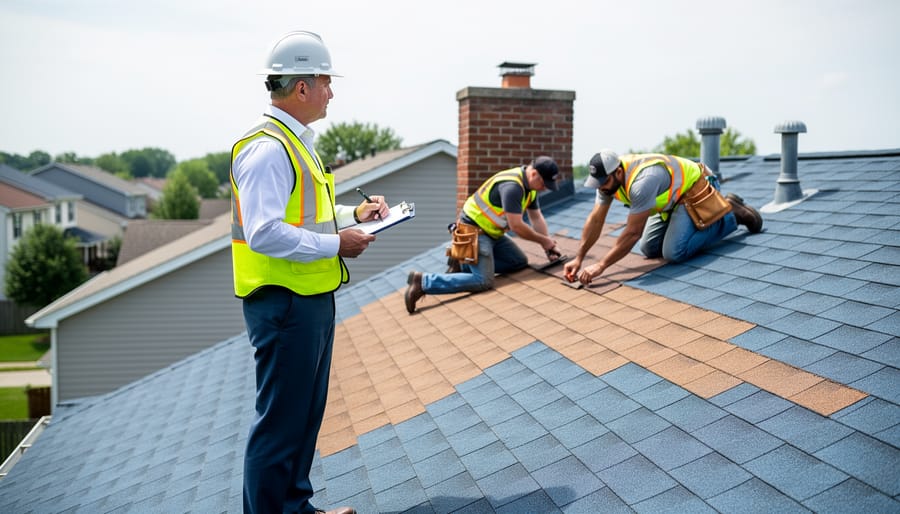
When you obtain a permit, your local building department conducts inspections at critical stages of the project. These inspections verify that your new roof can withstand local weather conditions, from heavy snow loads to high winds. Inspectors also ensure proper water drainage and ventilation, which directly impacts your home’s longevity and energy efficiency. Just as structural inspections protect your home’s foundation, roof inspections safeguard what’s above.
For homes with fireplaces and chimneys, permits become even more crucial. Inspectors verify that roof work properly integrates with chimney flashing and maintains required clearances around these heat-producing features. Poor integration can lead to dangerous water leaks or even fire hazards. Similarly, proper ventilation systems—essential for both eco-friendly heating efficiency and preventing moisture damage—must be correctly maintained during roof replacement.
Permits also create a paper trail that proves the work was done to code. This documentation protects your home’s resale value and can prevent complications with insurance claims. If storm damage occurs, insurance companies often request permit records to verify that proper installation methods were followed.
Ultimately, permits exist to ensure that your roof replacement enhances your home’s safety and comfort for years to come.
When You Definitely Need a Permit
Full Roof Tear-Offs and Replacements
When you’re completely removing your existing roof down to the decking and installing a new one, permits aren’t optional—they’re mandatory in virtually every jurisdiction. This comprehensive work involves structural considerations that affect your home’s safety and integrity, which is why building departments require inspection at multiple stages.
Inspectors will examine the roof decking for damage or rot, verify proper installation of underlayment and water barriers, and ensure adequate ventilation—especially critical around chimneys and exhaust vents. If you’re changing roofing materials, inspectors pay extra attention to weight loads and structural support since different materials have varying requirements.
The permit process protects your investment by ensuring work meets current building codes, including fire resistance ratings and wind uplift standards. These inspections also verify that flashing around chimneys and other penetrations is properly installed, preventing future water damage that could compromise both your roof and your home’s cozy interior spaces.
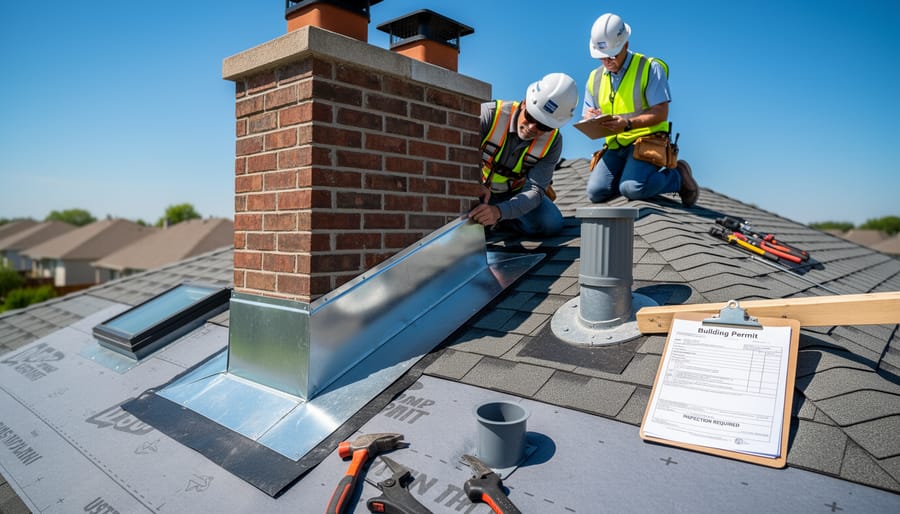
Structural Modifications and Chimney Work
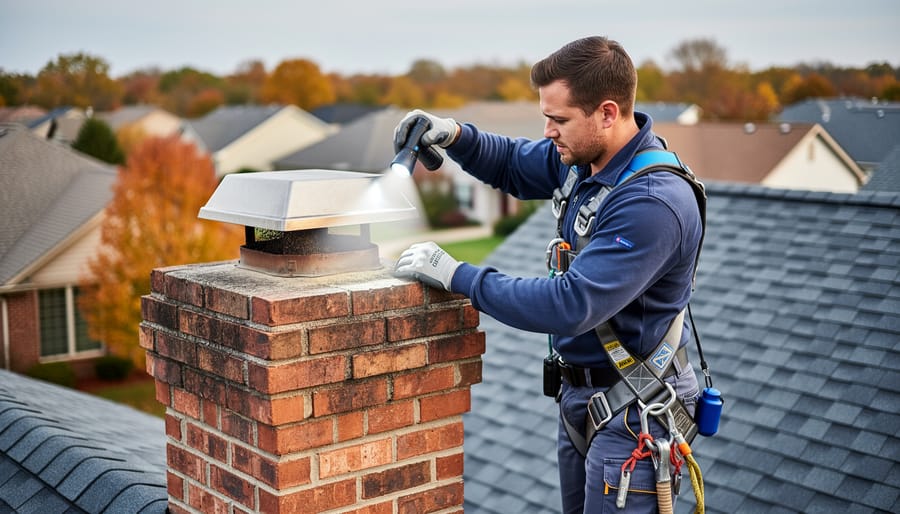
When your roof replacement involves work around your chimney, you’ll almost certainly need a permit, and for good reason. Your chimney isn’t just a charming architectural feature—it’s a critical safety component that vents harmful gases from your fireplace or heating system away from your living spaces.
Any structural modifications that affect how your chimney connects to your roof require careful inspection. This includes replacing or modifying chimney flashing, which is the waterproof seal that prevents leaks where your chimney meets the roofline. Poor flashing work can lead to water damage and expensive repairs down the road.
If your roof replacement involves altering the chimney structure itself—perhaps raising it to meet current height requirements or repairing deteriorating masonry—permits become even more essential. Building codes specify exact measurements for chimney height relative to your roofline to ensure proper draft and prevent dangerous downdrafts that could send smoke and carbon monoxide back into your home.
Think of the permit process as a safeguard for your home’s heart. Inspectors verify that all chimney work maintains proper ventilation for your cozy fireside moments while protecting your family’s safety. This is especially important if you’re embracing eco-friendly heating solutions, where efficient ventilation maximizes performance and minimizes environmental impact.
When You Might Skip the Permit (But Probably Shouldn’t)
Let’s be honest—some roofing situations technically fall into a gray area. You might not legally need a permit for truly minor repairs like replacing a handful of shingles damaged by a fallen branch or fixing a small section of flashing around your chimney. Simple patching work that doesn’t involve structural changes sometimes flies under the permit radar.
However, here’s where things get tricky: the line between “repair” and “replacement” isn’t always clear-cut, and what you think qualifies as minor might not match your local building department’s definition. That missing permit could come back to haunt you when you’re ready to sell your home, as buyers’ inspectors often flag unpermitted work. Insurance claims can also get sticky—if damage occurs and there’s no permit trail showing the work was done properly, you might find yourself in a difficult position.
Think of permits like a home warranty for your peace of mind. Yes, they cost money and take time, but they ensure your roof replacement is inspected and meets safety standards. This matters especially if your roofing project involves areas around chimneys or ventilation systems—the same systems that keep your home comfortable and safe when you’re enjoying a cozy evening by the fireplace.
When in doubt, make the call to your building department. A quick conversation can save you from future headaches and protect your home investment. Remember, cutting corners on permits is a gamble that rarely pays off in the long run.
The Hidden Costs of Skipping Permits
What Happens When You Sell Your Home
When it comes time to sell your home, unpermitted roof work can create unexpected complications that may derail your sale or cost you thousands. During the escrow process, buyers typically hire home inspectors who look for red flags, and missing permits are often discovered through city records checks or visible code violations.
Here’s what typically happens: buyers may request that you obtain retroactive permits and inspections, which means ripping up sections of the new roof to verify proper installation. Alternatively, they’ll ask for a substantial price reduction to cover potential future costs and risks they’re inheriting. In some cases, buyers walk away entirely if their lender refuses to finance a home with known permit violations.
The financial impact extends beyond the sale price. You might face permit fees, inspection costs, potential fines, and contractor expenses to correct any non-compliant work discovered during inspection. This is especially problematic if the roof replacement affected chimney flashing or ventilation systems. The warm feeling of finally selling your home can quickly turn cold when permit issues surface at the eleventh hour.
Insurance and Warranty Nightmares
Skipping permits might seem like a harmless shortcut, but it can create serious headaches when you need your insurance most. Most homeowners insurance policies require that major work, including roof replacements, comply with local building codes and permit requirements. If you file a claim after storm damage or fire and your insurer discovers your roof was replaced without proper permits, they may deny your claim entirely or significantly reduce your payout.
Manufacturer warranties on roofing materials often include similar requirements. Many reputable roofing material manufacturers will void their warranty if the installation wasn’t properly permitted and inspected. This means if you experience premature shingle failure or leaks, you’ll be covering those repair costs out of pocket.
The stakes get even higher if your roof work involves chimney flashing or ventilation systems. Improper installation around these features without inspection could lead to water damage, compromising both your roof and your home’s heating systems. When it’s time to sell your home, unpermitted work can derail the sale, as many buyers and their lenders require proof that all major renovations were done legally.
How to Get a Roof Replacement Permit
What You’ll Need to Apply
Gathering your application materials ahead of time will make the permit process much smoother and less stressful. Most building departments require a completed permit application form, which you can typically download from your local government’s website or pick up in person. You’ll need detailed plans showing the scope of work, including roof dimensions, materials being used, and structural details. If you’re working with a contractor, they should provide these drawings as part of their service.
Be prepared to submit proof of homeowner’s insurance and your contractor’s license number, insurance certificate, and bond information. Many jurisdictions also require a site plan showing your property boundaries and the building’s location. If your roof replacement involves modifications near your chimney or fireplace ventilation system, you may need additional documentation showing how these critical heating elements will be properly maintained and sealed.
Keep copies of everything you submit, along with inspection scheduling information. Your contractor should help coordinate these requirements, but staying informed ensures your project moves forward without delays.
Timeline and Costs to Expect
Permit processing times typically range from 2-5 business days in most municipalities, though some jurisdictions may take up to two weeks during busy construction seasons. The good news is that these fees are remarkably modest compared to your overall project investment. Most homeowners pay between $75 and $500 for a roof replacement permit, with the average falling around $150-250. This represents less than 1% of your total roofing costs in most cases.
Think of permit fees as an investment in peace of mind rather than an obstacle. They ensure your home meets current safety standards and protect your property value. When you’re planning your project budget and roof replacement timeline, factor in an extra week for the permit process to avoid scheduling conflicts with your contractor.
Some municipalities offer expedited processing for an additional fee if you’re working under time constraints. Your contractor can often handle the application process as part of their service, saving you trips to the building department. Remember, if your roof replacement involves chimney work or modifications to ventilation systems, the inspection process helps ensure these heating and safety components remain properly integrated with your new roof structure.
Working With Contractors on Permits
A trustworthy roofing contractor should handle permit applications as part of their standard service. This isn’t an optional extra or something you need to manage yourself. When a contractor includes permits in their scope of work, it demonstrates their professionalism and commitment to doing the job right.
Before hiring anyone, ask directly whether they’ll obtain the necessary permits. Inquire about their process for scheduling inspections and how they’ll keep you informed throughout. A quality contractor will explain the permit requirements clearly and factor the costs into their estimate upfront. They should also confirm that their workers are licensed and insured, as this protects both you and them during the project.
Watch for these warning signs: contractors who suggest skipping permits to save money, those who claim permits aren’t needed when local code says otherwise, or anyone who seems evasive when you ask about licensing. These are serious red flags that should make you reconsider working with them. The short-term savings simply aren’t worth the long-term risks to your home’s safety and value.
Remember, if your roof replacement involves work around your chimney, you’ll want a contractor experienced with proper flashing and ventilation details. This becomes especially important if you have a fireplace, as improper sealing can lead to dangerous carbon monoxide issues or water damage. A contractor who understands permit requirements will also understand these critical safety considerations, ensuring your home stays warm, safe, and comfortable for years to come.
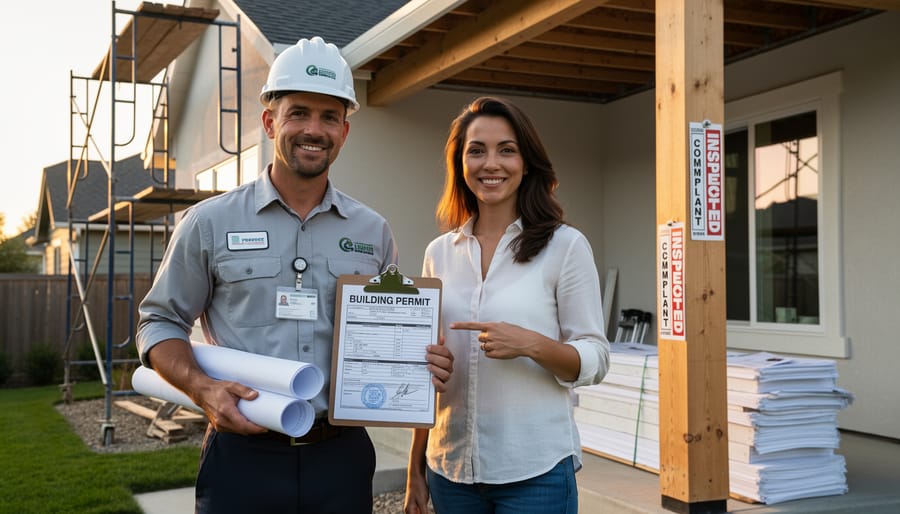
Special Considerations for Homes with Fireplaces
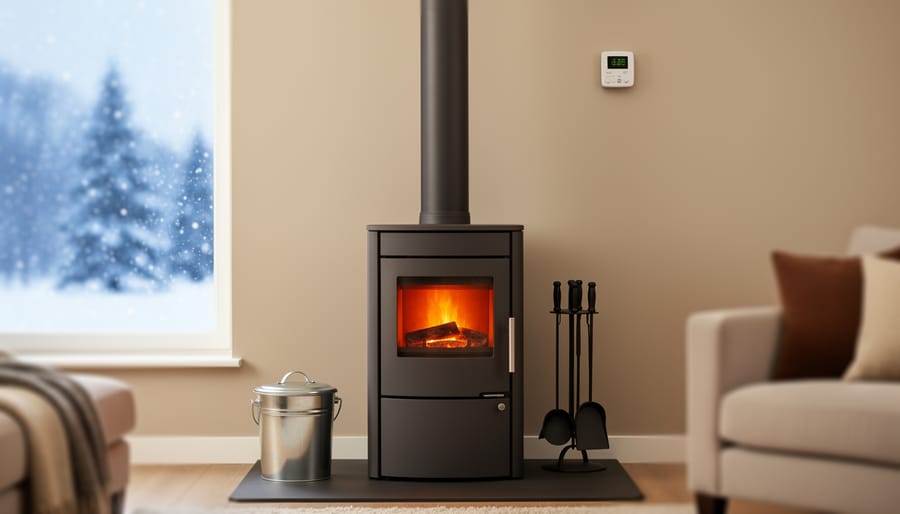
If your home includes a fireplace or wood stove, roof replacement becomes more than just shingles and underlayment. It’s an opportunity to ensure these cherished features continue functioning safely and efficiently for years to come.
The intersection of your roof and chimney is one of the most vulnerable points in your home’s exterior. During roof replacement, contractors must carefully remove and reinstall chimney flashing, the metal barrier that prevents water from seeping where your chimney meets the roof. This is precisely where permit inspections become your ally. A building inspector will verify that flashing is properly installed according to current building codes, protecting your fireplace from moisture damage that could compromise its structural integrity or create dangerous conditions.
Beyond flashing, roof work can affect your fireplace’s ventilation system. Changes to roof pitch, ventilation design, or the addition of new materials can alter how effectively smoke and gases escape your home. Permit inspections ensure these critical safety systems remain properly balanced, preventing carbon monoxide buildup or poor draft issues that can fill your living space with smoke instead of warmth and ambiance.
Consider this an ideal moment to think about eco-friendly upgrades. If your roof replacement requires extensive work around the chimney, you might explore installing a high-efficiency wood stove insert or even upgrading to a modern gas fireplace with better ventilation requirements. Many modern heating solutions offer the cozy atmosphere you love while reducing environmental impact and heating costs.
The permit process documents these improvements, which can increase your home’s value and provide peace of mind that your fireplace remains the safe, inviting gathering place your family deserves. When inspectors verify proper installation, you’re protecting both your investment and the people who warm themselves by your hearth.
While pulling permits might seem like an inconvenient extra step, the peace of mind they provide is absolutely worth it. Think of permits as protection for one of your biggest investments—your home. They ensure your new roof meets safety standards, protect your home’s value, and give you legal standing if issues arise down the road. Plus, proper permits mean your roof work, including any chimney flashing or ventilation updates, gets professional oversight.
The smartest approach is partnering with licensed roofing professionals who handle permits as part of their standard service. These contractors understand local codes, know exactly what documentation is needed, and can navigate the inspection process smoothly. Yes, it might add a few days to your project timeline, but you’ll avoid potential fines, insurance headaches, and resale complications.
Your roof does more than keep rain out—it’s essential to creating a safe, warm home environment where your family thrives. Whether you’re protecting your living spaces, ensuring proper ventilation for your heating systems, or maintaining your home’s energy efficiency, doing roof work by the book is the responsible choice. Invest in doing it right the first time, and you’ll enjoy worry-free comfort for decades to come.