

Schedule professional chimney inspections annually before heating season begins, ensuring your coal stove’s flue system remains clear of dangerous creosote buildup and structural damage that compromises both efficiency and safety. Install multiple carbon monoxide detectors on every floor of your home, testing them monthly and replacing batteries twice yearly, because coal combustion produces this odorless, deadly gas that claims lives when ventilation systems fail.
Remove ash daily when the stove is cool, maintaining proper airflow that prevents incomplete combustion and reduces harmful emissions while maximizing your fuel efficiency. Store coal in a dry, ventilated area at least twenty feet from your home’s foundation, protecting both your investment and preventing spontaneous combustion risks that occur when coal dust accumulates in confined spaces.
Verify your local regulations before installation or continued operation, as many municipalities have enacted strict air quality ordinances that prohibit or severely restrict coal burning, potentially resulting in substantial fines or mandatory removal. Modern coal stoves equipped with EPA-approved technology burn significantly cleaner than vintage models, reducing particulate emissions by up to seventy percent while delivering consistent, economical heat throughout winter months.
Understanding these maintenance fundamentals and safety protocols transforms coal stove ownership from a potential hazard into a reliable, cost-effective heating solution. This comprehensive guide walks you through seasonal maintenance schedules, regulatory compliance requirements, and practical safety measures that protect your family while honoring your choice to heat with this traditional fuel source. Whether you inherited a coal stove with your home or deliberately chose this heating method for its affordability and dependability, mastering proper operation ensures years of safe, efficient warmth.
Why Coal Stove Heat Still Makes Sense for Modern Homes
In today’s world of smart thermostats and heat pumps, coal stove heat might seem like a throwback, but for many homeowners, it remains a remarkably practical choice. Understanding why requires looking beyond first impressions to the real-world benefits these appliances deliver.
One of coal’s standout advantages is its exceptional burn time. A single loading of quality anthracite coal can provide steady warmth for 8 to 12 hours or even longer, meaning fewer trips to refuel compared to wood. This makes coal particularly appealing for folks who work during the day or simply want uninterrupted overnight heat without constant tending.
The heat output is notably consistent too. Unlike wood that burns hot initially then tapers off, coal maintains a steady temperature, creating comfortable, even warmth throughout your living space. This reliability translates to better climate control and less temperature fluctuation.
Cost-effectiveness varies by region, but in areas where coal remains accessible, it often provides more BTUs per dollar than many alternatives. When comparing coal versus other fuels, the long burn times and high heat output can make it economically attractive, especially for heating larger spaces or entire homes.
Perhaps most importantly for today’s uncertain times, coal stoves offer true energy independence. They require no electricity to operate, making them invaluable backup heat sources during power outages. When winter storms knock out the grid, your coal stove keeps your family warm and safe.
Of course, environmental considerations matter. Modern coal stoves burn cleaner than older models, and proper operation minimizes emissions. While coal isn’t the greenest option available, for homeowners in certain situations, weighing practical heating needs, budget constraints, and regional fuel availability, it remains a viable, dependable choice that deserves honest consideration alongside other heating solutions.
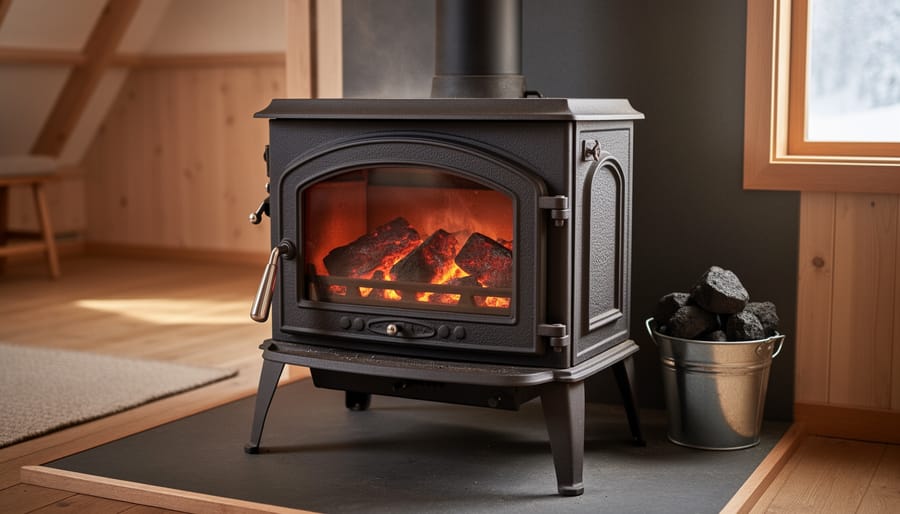
Essential Coal Stove Maintenance That Prevents Costly Repairs
Daily and Weekly Maintenance Routines
Maintaining your coal stove doesn’t require hours of work, but consistent attention to a few key tasks will keep it running efficiently and safely. Think of these routines as your investment in reliable, eco-friendly warmth throughout the heating season.
Start each day by checking your coal bed depth. You’ll want to maintain a layer about 4-6 inches thick for optimal heat output. Too thin, and you’ll lose efficiency; too thick, and airflow becomes restricted. While you’re at it, take a quick look at the fire through the viewing window to ensure it’s burning evenly across the coal bed.
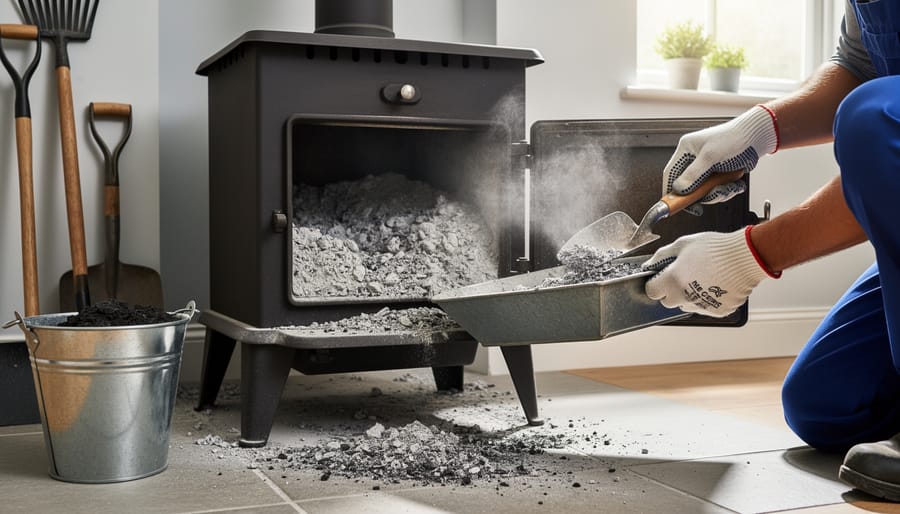
Ash removal is perhaps your most important daily task. Coal produces more ash than wood, so staying on top of this prevents buildup that can choke airflow and damage your stove. Remove ash when the stove is cool, typically in the morning before reloading. Use a metal ash bucket with a tight-fitting lid and follow safe ash disposal practices, as coal ash can remain hot for days.
Shaking the grates is another quick daily task that takes just seconds. Gently shake them to remove clinkers and ash that have fallen through, but avoid aggressive shaking that could damage the grate system or disturb your coal bed unnecessarily.
Weekly, inspect door seals and gaskets for wear or gaps. Run your hand around closed doors to feel for air leaks, which reduce efficiency. Check all visible components for cracks or damage, and ensure your ash pan slides smoothly and seals properly when closed.
Seasonal Deep Cleaning and Inspection
As heating season winds down, giving your coal stove a thorough end-of-season cleaning sets you up for success when the cold returns. Think of it as putting your trusty heating companion to bed properly, ensuring it’s ready to keep your home cozy when you need it again.
Start by allowing your stove to cool completely, then remove all ash and clinkers from the firebox. This is your opportunity to examine the firebrick lining closely. Look for cracks, crumbling sections, or pieces that have shifted out of place. Damaged firebrick doesn’t just reduce efficiency—it can compromise the safety of your entire heating system. Replace any deteriorated bricks before the next heating season.
Next, inspect all door gaskets by performing the dollar bill test: close the door on a dollar bill and try to pull it out. If it slides out easily, the gasket needs replacement. Fresh gaskets ensure proper air control and prevent dangerous smoke leakage into your living space.
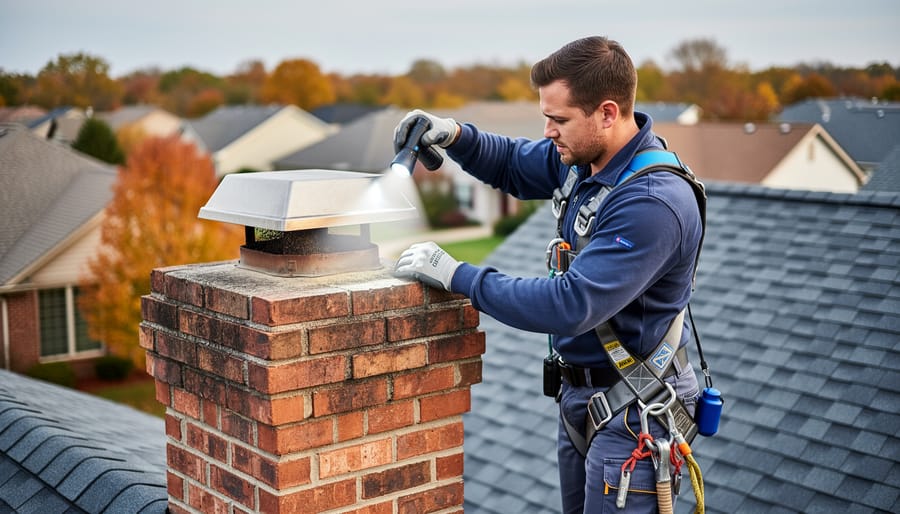
Your chimney deserves special attention. Coal produces different creosote and deposits than wood, and professional chimney sweeps trained in coal stove systems understand these unique challenges. Schedule an inspection and cleaning before storing your stove for summer. A certified professional can identify potential issues like chimney deterioration, blockages, or structural problems that aren’t visible from ground level.
Before firing up again in fall, repeat your inspection routine. Check that rain caps remain secure, dampers operate smoothly, and no animals have nested in your chimney during the off-season. This proactive approach transforms seasonal cleaning from a chore into an investment in your home’s comfort and safety.
Troubleshooting Common Coal Stove Problems
Even the most reliable coal stove can occasionally present challenges, but most common problems have straightforward solutions that’ll get your warmth and ambiance back on track.
If your stove isn’t burning efficiently or producing adequate heat, poor draft issues are often the culprit. Check that your air vents are fully open and that ash hasn’t accumulated enough to block airflow beneath the grate. A visual inspection of your chimney for blockages like bird nests or excessive creosote buildup is also worthwhile. During still weather or temperature inversions, draft naturally weakens, which is normal.
Clinker buildup, those hard, fused ash formations, happens when coal burns at high temperatures. If clinkers become excessive, you may be overloading the firebox or restricting airflow too much. Let the fire burn down, then carefully remove clinkers with appropriate tools while wearing heat-resistant gloves. Using quality coal with lower sulfur content can minimize this frustrating issue.
Excessive smoke usually signals incomplete combustion. Ensure you’re using the right coal type for your stove and that pieces aren’t too large. Proper air control makes a significant difference in achieving that clean, efficient burn we all want.
For persistent problems, unusual noises, cracked components, or anything involving structural integrity or ventilation systems, calling a certified professional is the safest choice. However, routine maintenance like ash removal, basic cleaning, and airflow adjustments are perfectly manageable DIY tasks that keep your eco-friendly heating solution running beautifully.
Critical Safety Practices Every Coal Stove Owner Must Follow
Carbon Monoxide: The Silent Threat
Carbon monoxide poisoning is one of the most serious risks associated with coal stoves, and understanding this invisible danger is essential for keeping your household safe. Unlike the cozy glow and warmth you enjoy from your stove, CO is colorless, odorless, and tasteless—earning its reputation as the silent killer.
Coal combustion produces carbon monoxide, especially when burning conditions aren’t optimal. Incomplete combustion due to insufficient air supply, blocked flues, or poor coal quality can significantly increase CO production. This is why meeting proper ventilation requirements isn’t just recommended—it’s absolutely critical for your family’s safety.
Your chimney and venting system must be clear and functioning properly to exhaust gases outside. Annual professional inspections can identify blockages from creosote buildup, bird nests, or structural damage that could trap deadly gases inside your home.
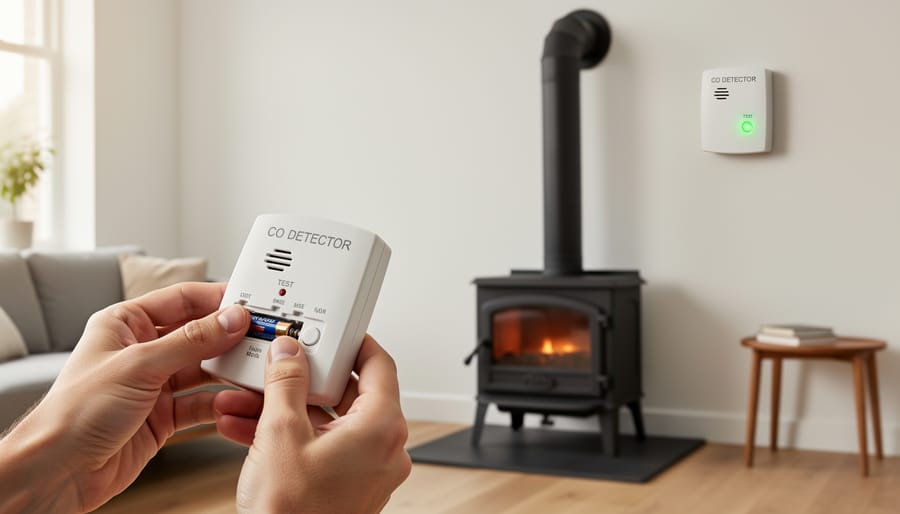
Install CO detectors on every level of your home, particularly near sleeping areas and within 15 feet of your coal stove. Test them monthly and replace batteries twice yearly—many people do this when changing clocks for daylight saving time. Replace the entire detector unit every five to seven years as sensors lose sensitivity over time.
Recognize CO exposure symptoms early: headaches, dizziness, nausea, confusion, and fatigue that improve when leaving the house. If your detector sounds or you suspect CO poisoning, evacuate immediately and call emergency services. Never ignore these warning signs—carbon monoxide exposure can be fatal within minutes at high concentrations.
Fire Safety and Clearances
Proper fire safety measures are absolutely essential when heating with coal—these aren’t just recommendations, they’re vital protections for your home and family. Let’s walk through the key safety considerations that every coal stove owner needs to understand.
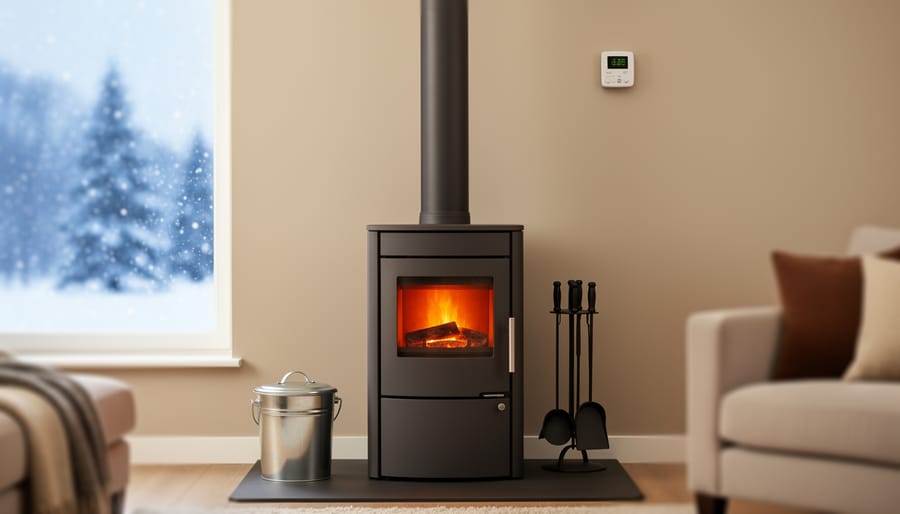
First, clearances matter tremendously. Your coal stove must maintain proper distances from combustible materials like walls, furniture, and curtains. Most manufacturers require at least 36 inches of clearance from unprotected combustible surfaces, though this can be reduced with approved wall shields. Always follow your specific stove’s installation manual, as requirements vary by model and size.
Floor protection is equally critical. Coal stoves generate intense heat that can ignite flooring beneath them. You’ll need a non-combustible hearth pad extending at least 18 inches beyond the stove’s front loading door and 8 inches on other sides. Approved materials include tile, stone, or manufactured hearth boards with proper R-value ratings.
Ash disposal deserves careful attention. Coal ash remains dangerously hot for days after removal. Always transfer ashes to a metal container with a tight-fitting lid, then place it on a non-combustible surface away from your home, garage, or any flammable materials. Never use plastic buckets or cardboard boxes—they will melt or ignite.
Preventing chimney fires requires regular cleaning and inspection, as coal creates creosote and sulfuric deposits that can ignite. Have your chimney professionally inspected annually and cleaned as needed.
Finally, keep an ABC-rated fire extinguisher within easy reach of your stove—not across the room, but genuinely accessible in an emergency. Check it monthly to ensure it remains properly charged and functional.
Safe Coal Storage and Handling
Proper coal storage is essential for both safety and performance in your home heating setup. Coal can spontaneously combust when stored improperly, making it crucial to keep your supply in a cool, dry, well-ventilated area away from your living spaces. Think of your coal storage like caring for any valuable home resource—it deserves attention and the right conditions.
Moisture is coal’s enemy. Store your coal in a covered bin or shed that protects it from rain and snow while allowing air circulation. Wet coal burns inefficiently, creates excessive smoke, and can deteriorate your stove’s performance. If you’re committed to coal as an eco-friendly heating solution that reduces reliance on other fossil fuels, proper storage maximizes your investment.
When loading your stove, use a dedicated coal scoop or bucket to prevent injuries and avoid overfilling, which restricts airflow and creates dangerous conditions. Never store coal directly against your home’s foundation or near combustible materials. Keep at least a two-week supply on hand during heating season, but avoid stockpiling excessively in enclosed spaces.
Common mistakes include mixing different coal types, which burn at varying rates, and storing coal in damp basements where spontaneous heating risks increase. By treating coal storage as part of your overall home safety routine, you’ll enjoy consistent, reliable warmth throughout the season.
Navigating Regulations and Staying Compliant
Understanding Air Quality Regulations
Navigating air quality regulations is an essential part of responsible coal stove ownership. The Environmental Protection Agency sets standards for solid fuel appliances to protect both your family and your community’s air quality. Since 2015, the EPA has required all new residential coal stoves to meet strict emissions standards, ensuring they burn cleaner and more efficiently than older models.
If you’re purchasing a coal stove, look for the EPA certification label permanently attached to the unit. This label confirms the stove meets current regulations and provides important information about proper operation. For existing stoves, you can verify compliance by checking the model number against EPA databases or contacting the manufacturer directly.
Beyond federal regulations, your local community may have additional restrictions that affect coal stove operation. Many municipalities implement seasonal burn bans during poor air quality days or restrict solid fuel heating in certain neighborhoods. Check with your local air quality management district or planning department to understand specific requirements in your area.
Some regions offer incentive programs to help homeowners upgrade from older, non-compliant stoves to newer, cleaner-burning models. These programs recognize that modern coal stoves can be part of an eco-friendly heating strategy when operated correctly and in compliance with current standards. Understanding and following these regulations ensures you can enjoy coal stove heat while being a responsible neighbor and environmental steward.
Installation Codes and Permits
Installing a coal stove isn’t quite like picking up a new appliance and plugging it in. Because these heating systems involve combustion, ventilation, and structural considerations, they’re subject to building codes that vary by location. Before you invest in a coal stove, it’s worth understanding what’s required to keep everything safe and legal.
Most municipalities require permits for coal stove installation or replacement, even if you’re swapping out an existing unit. Your local building department can provide specific requirements, which typically include inspections of the chimney system, proper clearances from combustible materials, and adequate ventilation. These regulations exist to protect you and your home, so they’re worth embracing rather than viewing as red tape.
Working with a certified installer who understands both the technical requirements and local codes makes the process smoother. They’ll know exactly what documentation you need and can handle the inspection process. Many installers are certified through organizations like the National Fireplace Institute, bringing specialized knowledge to your project.
Don’t overlook your homeowner’s insurance either. Some insurers require notification when you install a coal stove, and a few may adjust your premiums or coverage. A proper permit and professional installation actually works in your favor here, demonstrating you’ve taken responsible steps. Contact your insurance provider before installation to avoid any surprises and ensure you maintain full coverage for this valuable addition to your home’s heating system.
Making Coal Heat Work in an Eco-Conscious World
Let’s be honest—coal heating isn’t typically the first choice when discussing eco-friendly home heating. But if you’re among the many homeowners who rely on coal heat for practical or economic reasons, you can still minimize your environmental impact through thoughtful practices.
The key to cleaner coal burning starts with fuel selection. Anthracite coal burns significantly cleaner than bituminous varieties, producing less smoke and fewer emissions. Proper stove operation matters tremendously too—maintaining adequate airflow, burning hot fires rather than letting them smolder, and keeping your stove well-maintained all contribute to more complete combustion and reduced pollution.
Consider a hybrid approach to reduce your coal dependency. Many homeowners successfully supplement their coal heating with renewable sources like solar thermal systems or heat pumps during milder weather, reserving coal for the coldest months when its heating power truly shines. This strategy cuts both emissions and fuel costs while maintaining the reliability you need.
For sustainability-focused homeowners, it’s worth exploring whether alternative heating solutions might better align with your environmental goals. Modern pellet stoves, EPA-certified wood stoves, or dual-fuel systems offer impressive efficiency with lower environmental footprints. The initial investment often pays dividends through reduced fuel costs and peace of mind.
If coal heat remains your best option, embrace it responsibly. Regular maintenance, proper burning techniques, and strategic supplementation with cleaner energy sources demonstrate that you’re committed to both practical heating and environmental stewardship. Your home’s warmth doesn’t have to come at the expense of your values—just with mindful consideration of how you achieve it.
Choosing coal stove heat for your home represents more than just a heating decision—it’s an investment in warmth that connects you to a time-tested tradition while meeting modern needs. The good news is that with commitment to regular maintenance, adherence to safety protocols, and awareness of local regulations, your coal stove can operate safely, efficiently, and in full compliance with environmental standards.
Think of your coal stove as a partnership that rewards attention and care. Regular ash removal, seasonal inspections, proper ventilation checks, and carbon monoxide detector maintenance aren’t burdensome tasks—they’re the foundation of reliable, worry-free heating. When you establish these routines, they become second nature, ensuring your heating system performs at its best year after year.
Staying informed about changing regulations and being proactive about permits and inspections demonstrates responsible ownership while protecting your investment. The effort you put into understanding proper operation techniques and maintaining your system pays dividends in consistent warmth, lower fuel costs, and peace of mind.
With the right knowledge and daily habits firmly in place, your coal stove will continue delivering the dependable, substantial heat that drew you to this heating solution in the first place. Embrace the responsibility, enjoy the warmth, and take pride in operating your coal stove safely and efficiently.