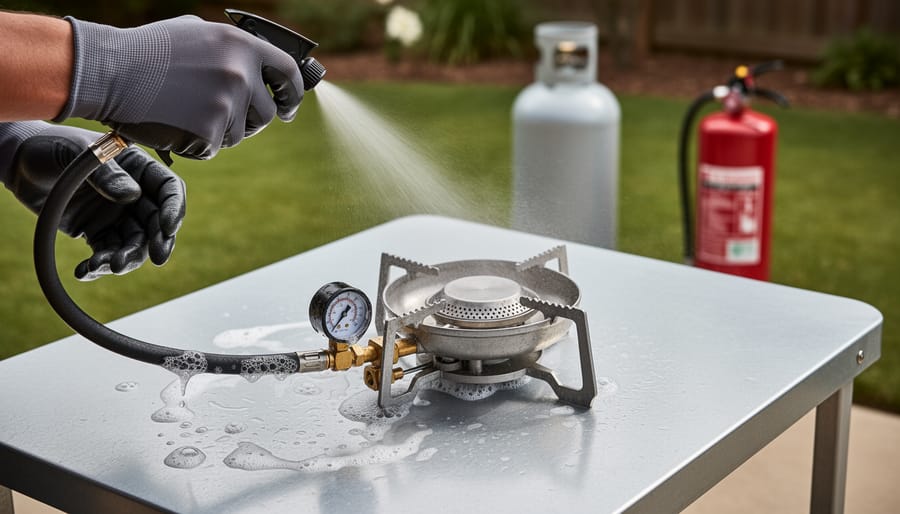


Check your propane connections before every use by applying soapy water to all fittings and watching for bubbles that indicate dangerous leaks. Position your stove on a stable, heat-resistant surface at least three feet away from walls, overhanging branches, or flammable materials, ensuring adequate clearance above for proper ventilation. Never operate your propane stove in enclosed spaces like tents, garages, or closed patios where carbon monoxide can accumulate to lethal levels within minutes.
Your propane stove brings warmth and cooking capability to outdoor gatherings and emergency situations, but it demands respect and proper handling. Unlike the built-in gas stove safety features in your home kitchen, portable propane units lack automatic shutoffs and ventilation systems, placing full responsibility for safe operation squarely on your shoulders.
Store propane cylinders upright in well-ventilated outdoor areas away from direct sunlight and heat sources that could cause pressure buildup. Keep a fire extinguisher rated for grease and gas fires within arm’s reach whenever your stove is lit, and teach everyone in your household how to use it before an emergency strikes. Turn off both the burner controls and cylinder valve after each use, following the proper shutdown sequence to prevent gas buildup in the lines.
Understanding these precautions transforms your propane stove from a potential hazard into a reliable tool for creating cozy outdoor meals and maintaining comfort during power outages. The few minutes spent implementing these safety measures protect your family, your property, and your peace of mind while you enjoy the convenience and warmth that propane heating provides.
Why Propane Stoves Deserve Your Respect
Propane has earned its place as a beloved fuel source for good reason. Whether you’re creating a cozy outdoor cooking space or adding supplemental heat to your home, propane stoves offer remarkable portability and efficiency that make them incredibly appealing. You can take them camping, use them during power outages, or simply enjoy the instant heat they provide without needing a permanent gas line connection. This flexibility is wonderful, but it comes with responsibilities that every user needs to understand.
Unlike the natural gas that might fuel your home’s furnace or water heater, propane is stored under pressure as a liquid in portable tanks. This compressed form makes it energy-dense and powerful, which is exactly why it deserves your careful attention. When released, propane is heavier than air, meaning it doesn’t simply dissipate like natural gas would. Instead, it can pool in low-lying areas, creating invisible pockets of flammable gas that present serious hazards if not properly managed.
Understanding the distinctions between propane versus natural gas isn’t just academic knowledge—it’s essential for keeping your household safe. Propane burns hotter and requires different handling procedures, from connection methods to leak detection strategies. The tanks themselves need inspection and proper storage, away from living spaces and heat sources.
The beauty of propane lies in its clean-burning nature, making it an eco-friendly heating solution when used correctly. It produces fewer emissions than many alternatives, aligning perfectly with sustainable living practices. However, this environmental advantage only matters if you’re around to enjoy it. Propane’s efficiency means concentrated energy in a small package, and that concentration demands respect.
Think of propane stoves as powerful tools that enhance your lifestyle when treated with appropriate caution. They’re not dangerous by nature, but they require informed users who understand both their capabilities and limitations. By recognizing what makes propane unique, you’re taking the first step toward safe, enjoyable use.
Before You Light That Burner: Essential Pre-Use Safety Checks
Inspecting Hoses and Connections
Your propane stove is only as safe as its connections, which makes regular hose inspections an essential part of your home heating routine. Think of these checks as a quick wellness visit for your heating setup, taking just a few minutes but potentially preventing serious hazards.
Start by visually examining the entire length of your propane hose for any obvious signs of damage. Look for cracks, fraying, brittleness, or discoloration, which can indicate aging or exposure to heat. Pay special attention to the areas where the hose bends or connects to your stove and propane tank, as these spots experience the most stress. If your hose feels stiff rather than flexible, or you notice any bulging sections, it’s time for a replacement.
The connection points deserve extra scrutiny. Check that all fittings are snug and properly threaded. A loose connection is one of the most common causes of propane leaks, yet it’s easily preventable with routine checks.
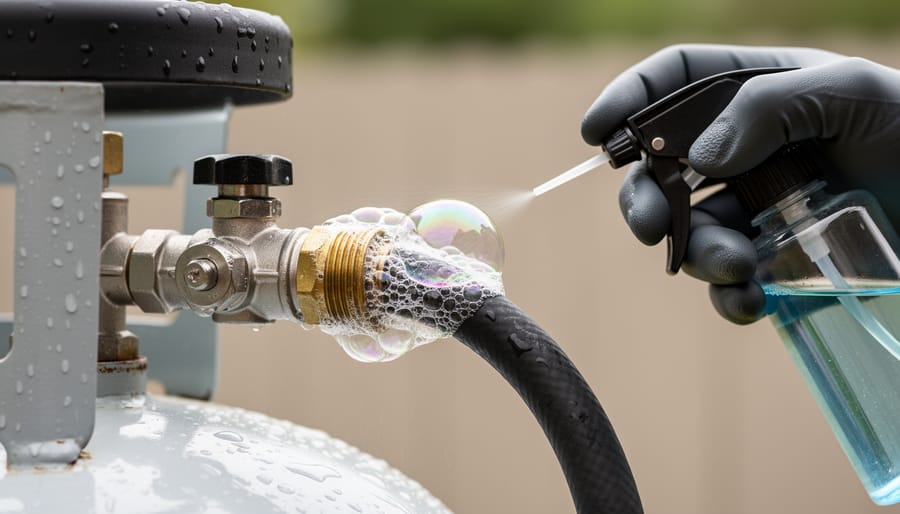
Now for the soap bubble test, your most reliable leak detection method. Mix a solution of dish soap and water in a spray bottle, creating a good lather. With your propane turned on but the stove unlit, spray or brush this solution generously over all connections and along the hose. Watch carefully for bubbles forming. Even tiny bubbles indicate escaping gas that needs immediate attention. If you spot any bubbling, turn off the propane supply right away, tighten the connection, or replace the faulty component.
Perform this inspection before each heating season and monthly during regular use to maintain a safe, cozy home environment.
Checking Propane Tank Integrity
Your propane tank is the heart of your stove system, so giving it regular attention is essential for safe operation. Start by checking the expiration date stamped on the tank collar—propane tanks typically need recertification every 12 years and have a maximum lifespan of about 15 years. Using an expired tank isn’t just risky; it’s illegal in many areas.
Next, inspect the tank’s exterior for signs of rust, dents, or corrosion. Even small rust spots can indicate weakening metal that compromises the tank’s integrity. If you notice any damage, discoloration, or bulging, stop using that tank immediately and have it professionally evaluated.
Storage position matters more than you might think. Always store propane tanks upright in a well-ventilated outdoor area, never in enclosed spaces like garages or basements where gas could accumulate. Keep tanks away from direct sunlight and heat sources, as excessive warmth increases internal pressure. The valve should remain closed when not in use, and the protective cap should stay on during storage.
Before connecting your tank, give the connection point a quick sniff test. While propane is naturally odorless, manufacturers add a distinctive smell resembling rotten eggs for safety. Any strong odor before lighting suggests a leak that needs immediate attention.
Ventilation Requirements
When you’re enjoying the cozy warmth of a propane stove in your home, proper ventilation isn’t just a recommendation—it’s essential for your safety and wellbeing. Propane combustion consumes oxygen and produces carbon monoxide, carbon dioxide, and water vapor. Without adequate airflow, these byproducts can accumulate to dangerous levels in your living space.
Think of ventilation as giving your home the ability to breathe. In enclosed areas, open a window at least one to two inches, even during cold weather. This simple step creates cross-ventilation that allows fresh oxygen in while letting combustion gases escape. If you’re using your propane stove in a garage, workshop, or recreational vehicle, consider installing a carbon monoxide detector as your safety backup.
Never operate a propane stove in completely sealed spaces like closets, small bathrooms, or tents. The larger your propane stove and the longer you plan to use it, the more ventilation you’ll need. For regular indoor use, ceiling vents or exhaust fans provide excellent supplemental airflow.
Remember, adequate ventilation protects your family while allowing you to enjoy the reliable warmth that makes propane heating such a popular choice for creating comfortable, inviting home environments throughout the colder months.
The Right Way to Set Up Your Propane Stove
Choosing a Safe Location
Finding the perfect spot for your propane stove is one of the most important safety decisions you’ll make. Think of it as creating a safe zone where warmth and functionality meet responsible use.
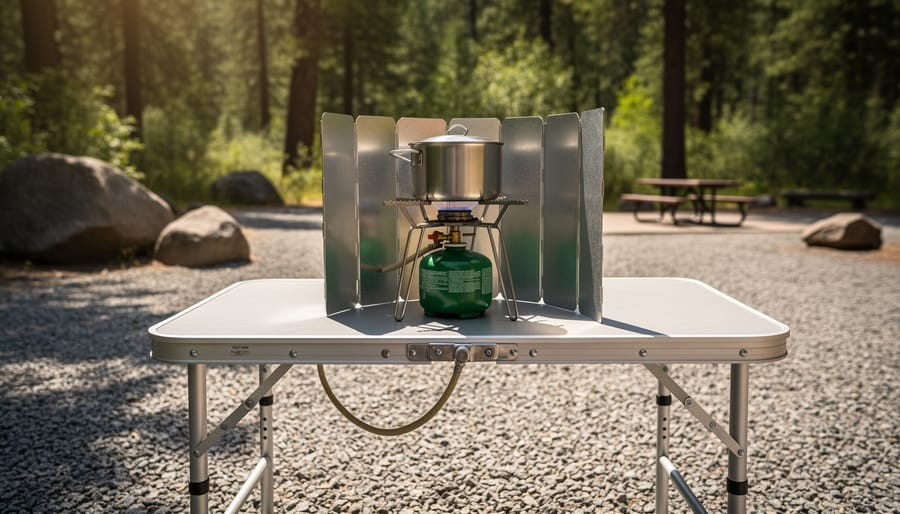
Start by choosing a stable, level surface that won’t tip or shift. Wobbly tables or uneven ground are accidents waiting to happen, so take a moment to test the stability before you light up. The surface should be heat-resistant and non-combustible, meaning no wooden decks, plastic tables, or fabric-covered surfaces.
Distance matters tremendously when it comes to flammable materials. Keep your propane stove at least three feet away from curtains, paper, dried plants, and anything else that could catch fire. This includes overhead hazards like low-hanging branches if you’re cooking outdoors or decorative elements indoors. Creating this buffer zone gives you peace of mind and prevents accidental ignition.
Ventilation is absolutely essential for safe propane stove use. While these portable heating solutions offer wonderful convenience, they produce carbon monoxide and consume oxygen. If you’re using your stove indoors, ensure the space has proper airflow through open windows or adequate ventilation systems. Many propane stoves are specifically designed for outdoor use only, so always check your manufacturer’s guidelines before bringing them inside.
Outdoor placement should be in open areas away from enclosed spaces like garages, tents, or covered patios where dangerous gases can accumulate. Position your stove where wind won’t blow flames toward flammable objects, and never use it in windy conditions that could extinguish the flame while gas continues flowing.
Proper Connection Procedures
Connecting your propane tank properly is one of those tasks that seems simple but deserves your full attention every single time. Think of it as a small ritual that keeps your home safe and your cooking experience worry-free.
Before you begin, always check that your propane stove’s control knobs are in the off position. This simple step prevents gas from flowing the moment you make the connection, eliminating any chance of an unexpected release. Next, inspect both the tank valve and the stove’s regulator connection for any dirt, debris, or damage. A clean connection is a safe connection.
When you’re ready to connect, align the coupling nut on your regulator with the tank valve threads. Here’s something crucial: propane connections use reverse threads, meaning you’ll turn the nut counterclockwise to tighten, not the usual clockwise direction. Hand-tighten the connection firmly, but resist the urge to use pliers or wrenches unless your manufacturer specifically recommends it. Over-tightening can actually damage the connection and create dangerous leaks.
Once connected, perform a leak test before using your stove. Mix a solution of dish soap and water, then apply it to all connection points. Slowly open the tank valve just slightly. If you see bubbles forming, you have a leak. Immediately close the valve, disconnect everything, and either fix the issue or consult a professional.
Never rush this process, and absolutely never smoke or have open flames nearby while connecting your tank. These few minutes of careful attention create the foundation for countless safe, cozy meals and gatherings around your propane stove. Your diligence here protects not just your home, but everyone you welcome into your warm, inviting space.
Safe Operating Practices That Prevent Disasters
Lighting and Ignition Safety
Lighting your propane stove properly is one of the most important safety habits you can develop. Always start by opening a window or ensuring good ventilation before you turn on the gas. When ready to light the burner, turn the control knob to the ignition position and light immediately—never let gas flow for more than a few seconds before igniting. If your stove has an automatic igniter, listen for the clicking sound and watch for the flame to catch right away.
If the flame unexpectedly goes out during use, this is your signal to act quickly but calmly. Immediately turn off all control knobs and wait at least five minutes before attempting to relight. This waiting period allows any accumulated gas to safely disperse, preventing a dangerous flashback or explosion. During this time, open windows and avoid using any electrical switches or creating sparks.
The smell of propane—that distinctive rotten egg odor—is your early warning system. If you detect this smell without an active flame, don’t attempt to light the stove. Turn off the gas supply at the tank, evacuate everyone from the area, and ventilate thoroughly. Never ignore even a faint gas odor, as propane is heavier than air and can accumulate in low-lying areas of your home, creating an invisible hazard. Creating these safe lighting habits protects your household while letting you enjoy reliable, efficient heating.
Monitoring While Cooking
Active supervision is one of the most important safety habits when using a propane stove. Never leave your stove unattended while cooking, even for brief moments. Unattended cooking remains a leading cause of home fires, and propane stoves require your watchful presence to prevent flare-ups, boil-overs, or gas leaks from going unnoticed.
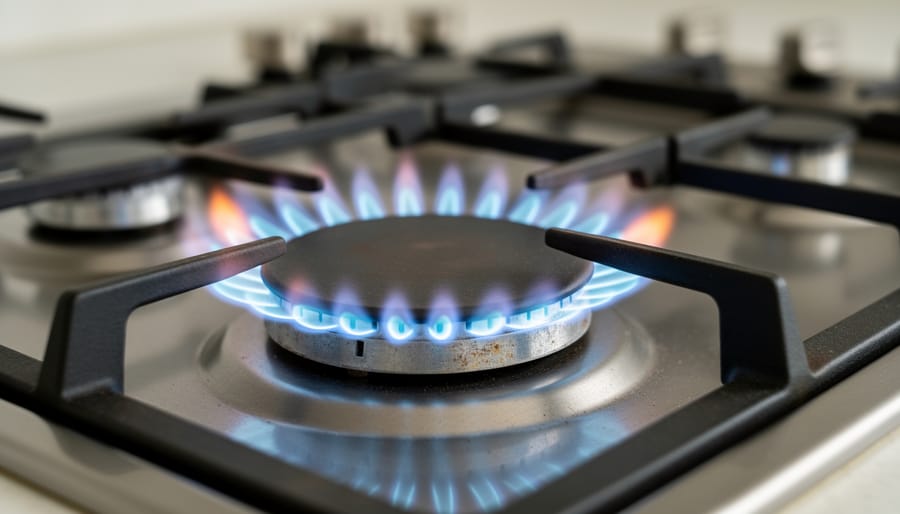
While cooking, take a moment to observe your flame regularly. A healthy propane flame should burn blue with minimal yellow tipping. If you notice significant yellow or orange coloring, soot formation, or a lazy, flickering flame, these are abnormal flame colors that signal incomplete combustion or burner issues requiring immediate attention. Turn off the stove and address the problem before continuing.
Maintain awareness of your surroundings throughout the cooking process. Keep flammable items like dish towels, paper products, and wooden utensils away from burners. If you need to step away, even briefly, turn off the burners first. This simple practice creates a safer cooking environment and gives you peace of mind, allowing you to enjoy the efficiency and reliability that propane cooking brings to your home.
Safe Shutdown Procedures
Turning off your propane stove correctly is just as important as operating it safely. Following the proper shutdown sequence helps prevent gas leaks, maintains your equipment’s longevity, and keeps your cozy home environment secure for the next time you want to enjoy your stove’s warmth.
Always start by turning off the burner controls on the stove itself, rotating them to the “off” position. Allow the flames to extinguish completely before proceeding to the next step. This simple action ensures no gas continues flowing through the system unnecessarily.
Next, close the valve on your propane tank by turning it clockwise until it stops. This cuts off the gas supply at its source, preventing any residual pressure from building up in the lines. Think of it as the final safeguard in your shutdown routine, much like closing the flue on a traditional fireplace after the fire dies down.
For portable propane stoves, always disconnect the tank after use and store it in a well-ventilated outdoor area. Never leave tanks connected when the stove isn’t in use, as this increases the risk of leaks.
Make this shutdown sequence part of your regular routine, just like any other aspect of maintaining a safe, comfortable living space. Proper shutdown procedures protect both your investment and your family’s wellbeing.
Recognizing and Responding to Propane Emergencies
Detecting Propane Leaks
Your nose is your first line of defense when it comes to propane safety. While propane itself is naturally odorless, manufacturers add a distinctive smell—often described as rotten eggs or sulfur—specifically so you can detect leaks quickly. If you catch even a faint whiff of this smell near your propane stove, take it seriously and investigate immediately.
Beyond your sense of smell, watch for visual clues that might indicate a problem. Bubbles forming around connections when you apply soapy water, a hissing sound near gas lines, or discolored flames (propane should burn blue, not yellow or orange) all warrant attention. Dead or dying plants near outdoor propane connections can also signal an issue.
For added peace of mind, consider investing in a propane gas detector. These affordable devices provide an extra safety layer, especially helpful if you have reduced sense of smell or simply want continuous monitoring. Place them near your stove at floor level, since propane is heavier than air and sinks.
Detecting propane leaks quickly protects both your family and your home, making awareness and proper equipment essential parts of creating that safe, cozy environment we all desire.
Emergency Response Steps
Knowing how to respond quickly and confidently during a propane emergency can protect your family and home. If you suspect a propane leak, immediate action is essential. The distinctive rotten egg smell added to propane serves as your first warning sign.
If you detect this odor or hear a hissing sound near your propane stove, resist the urge to investigate further. Do not flip any light switches, use phones, or operate any electrical devices, as even a small spark could ignite the gas. Extinguish any open flames immediately if you can do so safely without creating sparks.
Your priority is evacuation. Leave the area immediately, taking all family members and pets with you. Don’t waste time gathering belongings. Once outside, move to a safe distance, at least 100 feet from your home. Fresh air is crucial if anyone has inhaled propane fumes.
From a safe location away from your home, call 911 or your propane supplier’s emergency number. Never make these calls from inside the house or near the suspected leak. Inform emergency responders about the situation and follow their instructions carefully.
Do not re-enter your home until emergency personnel or a qualified technician has inspected the area and declared it safe. Even if the smell seems to dissipate, propane may still be present at dangerous levels.
If someone experiences symptoms of propane exposure such as dizziness, nausea, headaches, or difficulty breathing, seek medical attention immediately. These symptoms indicate dangerous exposure levels that require professional evaluation.
Keep emergency contact numbers prominently displayed in your home and ensure all household members know the evacuation plan. Practice this plan periodically so everyone responds instinctively during an actual emergency. Your preparedness today creates the warm, secure home environment you deserve tomorrow.
Maintenance Routines That Extend Life and Safety
Cleaning for Safety and Performance
Keeping your propane stove clean isn’t just about aesthetics—it’s essential for safe operation and optimal performance. Over time, food particles, grease, and dust can accumulate around burners, potentially blocking gas ports and creating uneven flames or dangerous flare-ups.
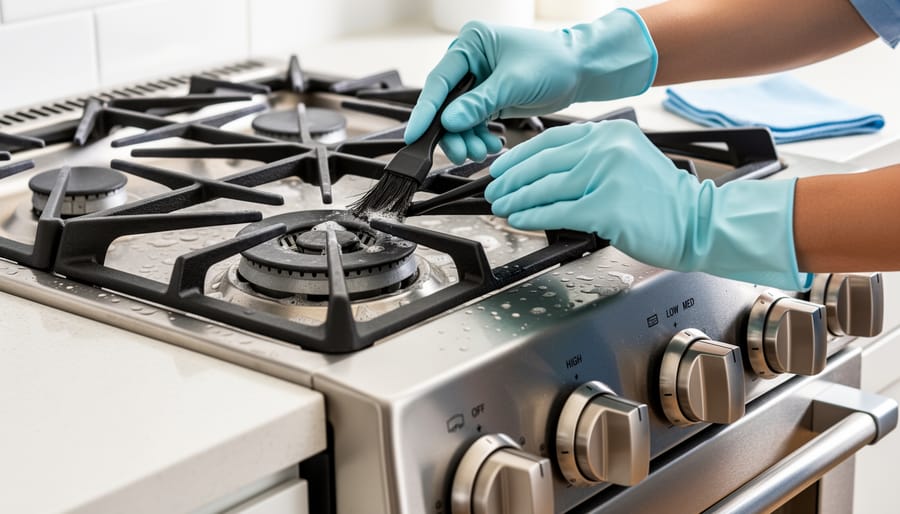
Start by ensuring your stove is completely cool and the gas supply is turned off. Remove burner grates and caps, then gently lift out the burner heads. Inspect each burner port (those small holes where flames emerge) for any debris or blockages. Use a soft-bristled brush or old toothbrush to gently clean around these openings, being careful not to enlarge or damage the ports.
For stubborn blockages, a straightened paperclip or fine wire can carefully clear individual ports—just work gently to avoid scratching or widening these precision-sized openings. Never use toothpicks, as they can break off inside and create worse problems.
Wash removable parts with warm, soapy water and dry them thoroughly before reassembling. Moisture trapped in burner assemblies can cause corrosion and affect gas flow over time.
Wipe down the stove surface with a damp cloth, avoiding harsh chemicals that might damage finishes or leave flammable residues. Once everything is clean and completely dry, reassemble your burners and test each one briefly to ensure even, blue flames—your sign that gas is flowing properly and your stove is ready for safe cooking.
When to Replace Parts and Equipment
Even quality propane equipment doesn’t last forever, and recognizing when it’s time for replacement is essential for maintaining a safe home environment. Your propane hoses should be replaced every three to five years, or immediately if you notice cracks, stiffness, or discoloration. These warning signs indicate material degradation that could lead to dangerous gas leaks during use.
Regulators typically need replacement every ten to fifteen years, though this varies by manufacturer and usage frequency. If you notice inconsistent flame patterns, difficulty adjusting heat levels, or a persistent gas smell even when connections are tight, your regulator may be failing. These components are the heart of your propane system’s pressure control, and compromised regulators can cause both safety hazards and inefficient burning.
The stove itself deserves replacement when burners no longer ignite reliably, when you can’t achieve proper flame color (healthy blue flames), or when rust and corrosion compromise structural integrity. While propane stove longevity is impressive with proper care, attempting to extend service life beyond reasonable limits puts your household at risk.
Timely replacement prevents catastrophic failures that could lead to fires, carbon monoxide buildup, or gas leaks. Think of replacement costs as an investment in your family’s safety and peace of mind, not just an expense.
Special Considerations for Different Settings
Indoor Use Precautions
Using a propane stove indoors requires extra vigilance to keep your home safe and cozy. The most serious concern is carbon monoxide, an odorless, invisible gas that can build up quickly in enclosed spaces. Never operate a propane stove in a room without adequate ventilation. Keep windows cracked open or ensure your space has proper air circulation systems. Installing carbon monoxide detectors near the area where you’ll use your propane stove isn’t just smart—it’s essential for protecting your family.
Before bringing a propane stove indoors, check your local building codes and ordinances. Many municipalities have specific regulations about indoor propane use, and some may require permits or inspections. Your homeowner’s insurance policy might also have restrictions worth reviewing before you fire up that stove.
Keep your propane stove at least three feet away from curtains, furniture, and other combustible materials. Position it on a stable, heat-resistant surface that won’t tip or slide. Never leave an indoor propane stove unattended while it’s operating, even for a quick trip to another room. Think of it as welcoming warmth into your home while remaining a responsible host to this powerful heating element.
Outdoor and Camping Safety
Taking your propane stove beyond the comfort of your home presents unique challenges that deserve special attention. When you’re camping or cooking outdoors, you’re adding variables that don’t exist in controlled indoor environments, and being prepared makes all the difference between a delightful outdoor experience and a dangerous situation.
Weather conditions are your first consideration. Wind can extinguish flames unexpectedly or blow them toward unintended surfaces, so always position your stove in a sheltered spot or use a windscreen designed for propane cooking. Never use your stove inside a tent or enclosed vehicle, even when it’s raining. The carbon monoxide risk remains just as serious outdoors in confined spaces as it does indoors.
Portable propane tanks require extra care during transport and storage. Keep tanks upright and secure them so they won’t roll or tip during travel. Store them away from direct sunlight and heat sources, as temperature changes affect internal pressure. Before each outing, inspect tanks for rust, dents, or damaged valves. When connecting or disconnecting tanks outdoors, do so in open air, never inside your vehicle.
Ground stability matters more than you might think. Place your stove on level, non-flammable surfaces, and keep it away from dry grass, leaves, or other combustible materials. This simple precaution prevents tipping and reduces fire risk while you’re enjoying nature’s warmth and your own cooking creations.
Creating a warm, inviting home environment with a propane stove doesn’t mean compromising on safety. In fact, the two go hand in hand beautifully when you approach safety as part of your everyday routine rather than a burdensome checklist. Think of these precautions as the foundation that allows you to fully enjoy those cozy evenings by the warmth of your stove, knowing your family and home are protected.
The beauty of propane stoves lies in their efficiency and convenience, offering both ambiance and reliable heating while being mindful of environmental impact. By incorporating the safety practices we’ve discussed into your lifestyle, from proper ventilation and regular maintenance to keeping emergency procedures fresh in your mind, you’re not just preventing accidents. You’re cultivating peace of mind that enhances every moment spent in your warm, comfortable space.
Remember, safety vigilance becomes second nature with practice. What might seem like a detailed list of precautions today will soon feel like simple habit. Check your carbon monoxide detector, ensure proper clearances, inspect connections, and maintain ventilation. These small actions take mere moments but provide lasting security.
You’ve taken an important step by educating yourself about propane stove safety. Now you’re equipped to create that perfect balance between comfort and caution, transforming your house into a sanctuary where warmth, functionality, and safety coexist beautifully. Embrace your propane stove confidently, knowing you have the knowledge to use it safely and responsibly for years to come.