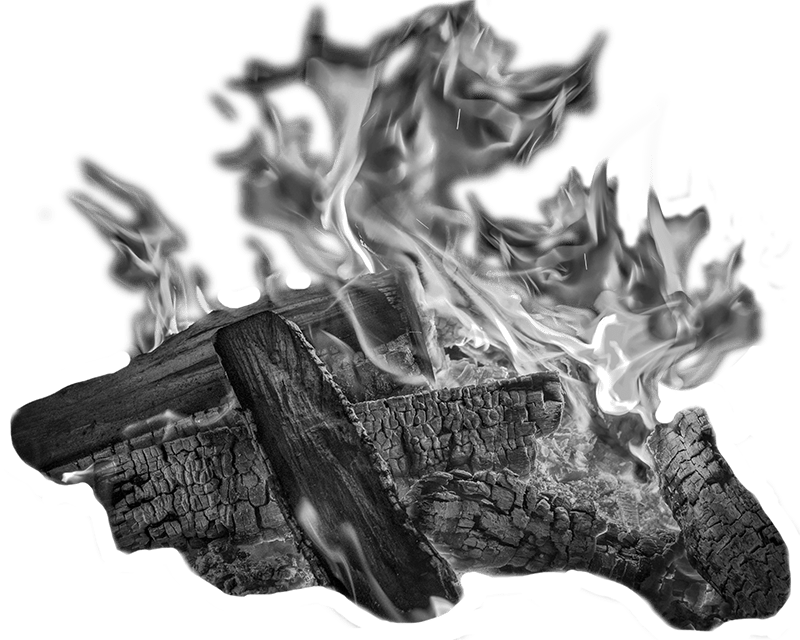
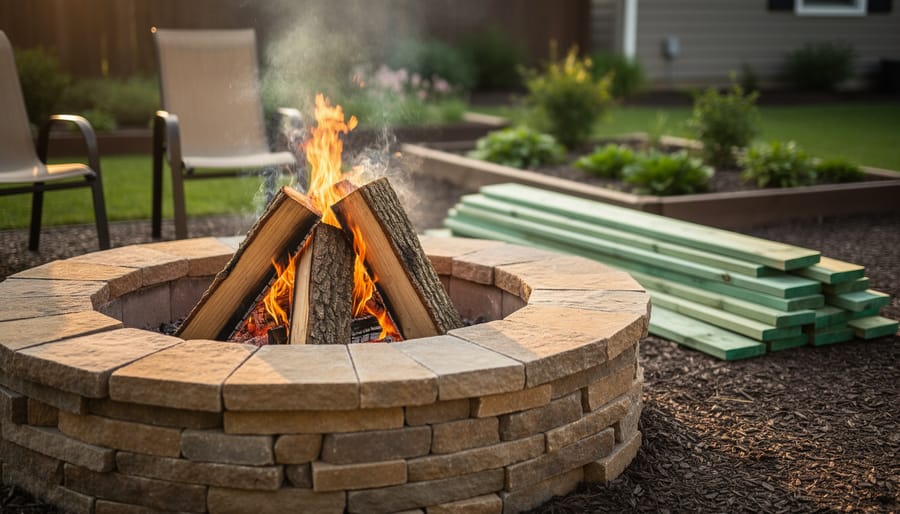


Stop before you toss that leftover 2×4 into your fire pit. While it might seem like a practical way to dispose of construction lumber, burning treated or painted wood releases toxic chemicals including arsenic, chromium, and copper compounds directly into the air you and your family breathe. Even untreated dimensional lumber from big-box stores often contains hidden chemical residues, adhesives, and treatments that aren’t safe for open burning.
The short answer: standard construction 2x4s don’t belong in your fire pit, regardless of how convenient it seems. These boards undergo industrial processing that makes them fundamentally different from the seasoned firewood your outdoor space deserves. Beyond the immediate health risks, burning construction lumber produces excessive creosote buildup, creates acrid smoke that ruins the ambiance, and can actually violate local air quality regulations in many communities.
Your fire pit should be a gathering place that enhances your outdoor living experience, not a disposal site that compromises your family’s wellbeing. The good news? Better alternatives exist that burn cleaner, create that perfect crackling ambiance, and actually improve your evening around the flames. Understanding what makes safe, quality fire pit fuel will transform those construction scraps from a tempting shortcut into a clear mistake you’ll gladly avoid.
The Real Problem with Burning 2x4s in Your Fire Pit
Pressure-Treated Wood: A Hidden Danger
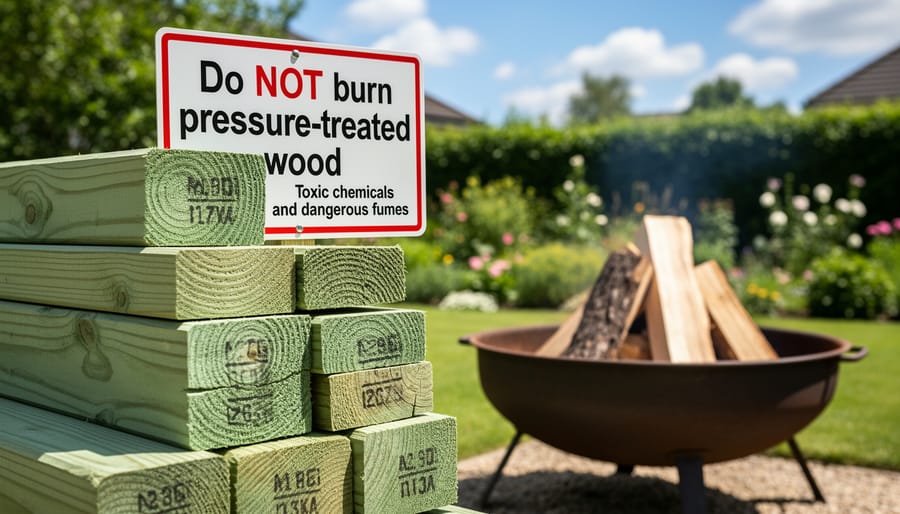
Here’s where things get particularly serious. Pressure-treated lumber represents one of the most dangerous materials you could ever consider burning in your fire pit. These boards have been chemically treated to resist rot, insects, and moisture damage, making them perfect for outdoor construction projects but absolutely hazardous when exposed to fire.
The preservatives used in pressure-treated wood include compounds like chromated copper arsenate (CCA), which was commonly used until 2003 and still exists in older lumber. Newer treatments use copper-based compounds like alkaline copper quaternary (ACQ) or copper azole. When you burn pressure-treated wood, these chemicals don’t simply disappear. Instead, they’re released into the air as toxic fumes that you and your loved ones can breathe in.
The health risks are genuinely alarming. Arsenic exposure, even in small amounts, is linked to serious conditions including cancer, respiratory problems, and neurological damage. Copper compounds, while less severe, can still cause respiratory irritation and other health concerns. What’s particularly troubling is that these toxins don’t just vanish with the smoke. They settle into the ash that remains in your fire pit, contaminating the area and potentially affecting soil and groundwater if disposed of improperly.
You can usually identify pressure-treated lumber by its greenish or brownish tint and stamps indicating the treatment type. If you’re ever unsure about a piece of wood’s origin, the safest choice is simply not to burn it. Your family’s health is worth far more than disposing of a few boards.
Untreated 2x4s Aren’t Much Better
Even if your 2x4s are labeled as untreated, they’re still not ideal for your fire pit. Here’s why this seemingly natural option falls short of providing the cozy, safe fire experience you’re after.
Construction lumber undergoes kiln-drying processes that often involve chemical treatments to prevent warping and cracking. While these aren’t the same heavy-duty preservatives found in pressure-treated wood, they can still release unpleasant fumes when burned. Think of it as the difference between cooking with fresh ingredients versus processed ones—both might fill your stomach, but one is clearly better for you.
Engineered wood products present another concern. Many modern 2x4s contain adhesives and binding agents that hold compressed wood fibers together. When these materials burn, they produce excessive smoke and potentially harmful chemicals that detract from your outdoor ambiance and can irritate eyes and lungs.
The burning characteristics of construction lumber also leave much to be desired. These boards burn inconsistently, often producing heavy smoke and contributing to creosote buildup if you’re using a contained fire pit. The wood lacks the seasoning process that proper firewood undergoes, meaning it contains more moisture and burns less efficiently.
Instead of settling for subpar fuel that compromises both safety and enjoyment, consider this an opportunity to invest in quality firewood that creates a cleaner burn, produces less smoke, and delivers that authentic campfire experience you’re really seeking.
How to Identify Safe vs. Unsafe Wood
Spotting Treated Lumber
Before you toss that leftover 2×4 into your fire pit, take a moment to check whether it’s been pressure-treated. Treated lumber contains chemical preservatives that release toxic fumes when burned, making it a serious no-go for any fire you’ll be sitting around.
The easiest way to spot treated wood is by looking for stamps or tags on the lumber. Manufacturers are required to mark pressure-treated wood with ink stamps indicating the treatment type, often showing abbreviations like “PT” or chemical codes. These stamps typically appear on the ends or sides of the boards.
Color is another telltale sign. Pressure-treated lumber often has a distinctive greenish or brownish tint from the copper-based preservatives used in modern treatments. However, older treated wood might have a grayish appearance, and weathered lumber can lose its characteristic color over time, so don’t rely on color alone.
Look closely at the wood’s surface texture too. Treated lumber often shows small incisions or slits where chemicals were forced into the wood grain. If you’re unsure about a piece of lumber’s history, err on the side of caution and keep it out of your fire pit. When it comes to your family’s health and creating a cozy, safe outdoor atmosphere, it’s always better to stick with known, untreated firewood sources.
The Smell Test and Other Quick Checks
Before tossing that 2×4 into your fire pit, use your senses as your first line of defense. The painted or stained wood rule is simple: if you can see any color, coating, or finish on the lumber, don’t burn it. These treatments release harmful chemicals when heated, creating toxic smoke that’s dangerous for you and your family to breathe.
Next, give the wood a sniff test. Fresh-cut lumber has that clean, woody aroma we all recognize. If your 2×4 smells chemical-like, medicinal, or oddly sweet, that’s pressure-treated wood warning you to stay away. Even older treated lumber retains telltale chemical odors. When in doubt, check for stamps or markings that indicate treatment. Remember, creating a cozy gathering space around your fire pit shouldn’t come at the expense of your health or the environment.
What You Should Be Burning Instead
Seasoned Hardwoods: The Gold Standard
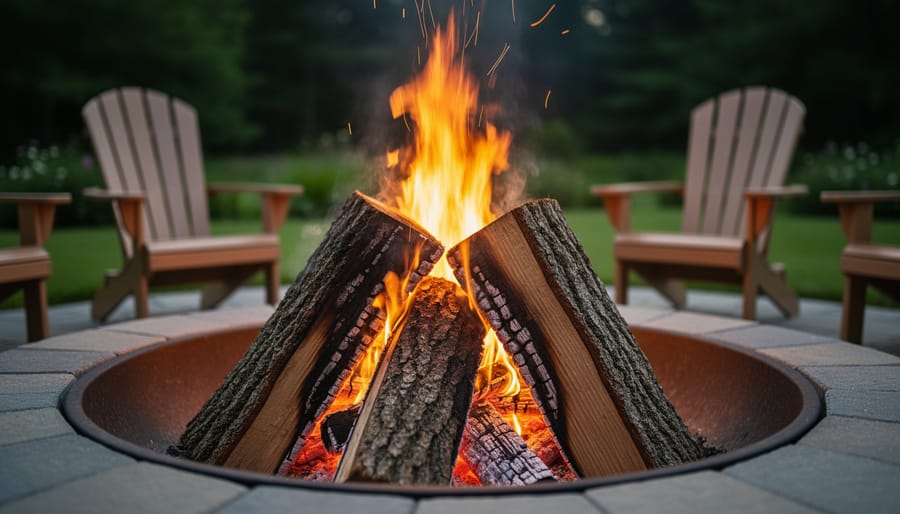
When it comes to creating that perfect fire pit experience, seasoned hardwoods are truly in a league of their own. Think of woods like oak, maple, hickory, and ash as the premium fuel for your outdoor fires. These dense hardwoods burn hotter, produce minimal smoke, and keep your fire going strong for hours, making them ideal for everything from casual evening gatherings to those chilly autumn cookouts.
But what makes seasoned hardwoods so special? It all comes down to moisture content. When we say a wood is “seasoned,” we mean it’s been properly dried to reduce its water content to around 20% or less. Fresh-cut wood, also called “green” wood, can contain up to 50% water, which creates excessive smoke, produces less heat, and leaves you constantly feeding the fire just to keep it alive. Seasoned wood, on the other hand, ignites easily and burns clean and hot.
The seasoning process typically takes six months to a year, depending on the wood type and storage conditions. You’ll know your hardwood is ready when the bark falls off easily, the wood feels lighter, and you can see cracks radiating from the center of the cut ends.
While seasoned hardwoods might cost more upfront than grabbing those leftover construction 2x4s, they’re actually more economical in the long run. You’ll use less wood overall, enjoy better heat output, and create a more pleasant atmosphere without all that chemical-laden smoke. Plus, you’re choosing an eco-friendly option that’s simply pure wood doing what nature intended.
Softwoods for Quick Fires
While treated lumber should stay out of your fire pit, clean softwoods like pine, cedar, and fir can actually be quite useful when you know how to work with them. These lighter woods are perfect for getting your fire started quickly or creating a cheerful, crackling blaze for shorter gatherings.
Softwoods excel as kindling because they ignite easily and burn hot initially, making them ideal for establishing your fire bed. If you have untreated 2×4 scraps made from pine or similar softwoods, they work wonderfully when split into smaller pieces for this purpose. Just remember that they burn faster than hardwoods, so you’ll need more fuel to maintain your fire throughout the evening.
The characteristic popping and crackling you hear from softwoods comes from their higher resin content, which creates that cozy ambiance many of us love. However, this same resin produces more sparks and smoke, so always use a spark screen for safety.
For optimal results, combine softwoods with hardwoods in a layered approach. Start with softwood kindling to establish flames, then transition to denser hardwoods like oak or maple for sustained heat. This method gives you the best of both worlds: quick ignition and long-lasting warmth that makes your outdoor space inviting throughout the night.
Eco-Friendly Alternatives Worth Trying
Now that you know why 2x4s aren’t ideal for your fire pit, let’s explore some alternatives that’ll actually make your outdoor fires better while being kinder to the environment.
Compressed wood logs and wood bricks are game-changers for fire pits. These eco-friendly options are made from sawdust and wood waste that’s been compressed under high pressure, creating dense, long-burning fuel. They produce more consistent heat than regular firewood, burn cleaner with less smoke, and leave behind minimal ash. You’ll find them convenient to store too, since they’re uniform in size and stack neatly.
Another sustainable choice is kiln-dried firewood, which burns more efficiently than green wood because it has lower moisture content. This means you get more heat with less smoke and creosote buildup.
For an even more eco-conscious approach, consider wood pellets designed for outdoor use. While typically associated with pellet stoves, some fire pit designs accommodate these compressed pellets, which are made from recycled wood materials.
These alternatives not only perform better than construction lumber, but they’re specifically manufactured for burning, ensuring you’re not releasing harmful chemicals into your backyard gathering space. Plus, many of these products support wood recycling initiatives, turning what would be waste into wonderful warmth.
Fire Pit Enhancements That Actually Matter
Proper Air Flow Makes or Breaks Your Fire
Even the best firewood won’t burn properly without adequate airflow. Think of your fire pit as needing to breathe, just like you do. When oxygen can’t reach the flames efficiently, you’ll end up with smoldering, smoky fires that produce more frustration than warmth.
Start by ensuring your fire pit has proper ventilation holes or gaps at the base. These openings allow fresh air to feed the flames from below, creating that satisfying roar of a well-fed fire. If you’re using a solid-bottom pit, consider adding a grate to lift your wood off the ground.
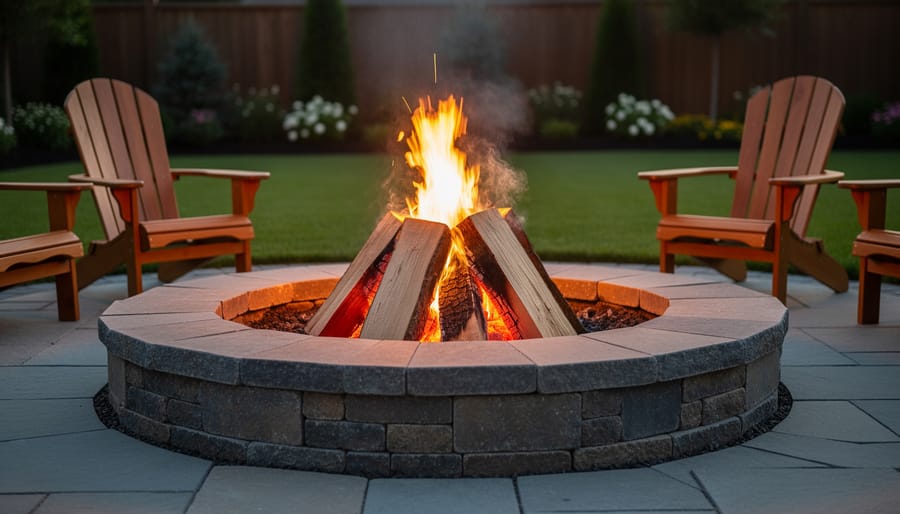
Your stacking technique matters tremendously. Avoid the temptation to cram wood tightly together. Instead, arrange your logs in a loose teepee or log cabin pattern, leaving generous gaps between pieces. This creates natural channels for air to circulate throughout the fire, promoting complete combustion and reducing smoke.
Position your fire pit away from walls, overhangs, or enclosed spaces where smoke can accumulate. An open location not only improves air circulation but also creates a safer, more enjoyable atmosphere for everyone gathered around. Remember, a well-ventilated fire using properly seasoned natural wood burns cleaner and hotter, making it an eco-friendly choice that enhances your outdoor living space beautifully.
Adding Cooking Capabilities Safely
Once you’ve mastered safe fire pit burning practices with properly seasoned firewood, you might want to explore cooking over your flames. Simple additions like cooking grates, adjustable tripods, and swivel arms can transform your backyard fire pit into an outdoor kitchen. When selecting fire pit accessories for cooking, prioritize quality materials that can withstand high heat safely.
The key to successful fire pit cooking is using clean-burning hardwoods like oak, maple, or fruitwoods. These create consistent heat without chemical residues that treated lumber would leave behind. Avoid any construction wood, including 2x4s, when cooking, as the chemicals can contaminate your food. Clean hardwood produces the aromatic smoke that enhances grilled foods while maintaining a safe, eco-friendly cooking environment. Start with a well-established coal bed rather than active flames for the most even cooking temperatures and better control over your culinary creations.
What to Do with Those Leftover 2x4s
Before you even think about tossing those leftover 2x4s into the flames, let’s explore some genuinely useful alternatives that won’t compromise your family’s safety or the environment. Trust me, these scraps of lumber have plenty of life left in them.
First up, consider simple DIY projects that add character to your outdoor space. Those 2x4s can become rustic planters, garden markers, or even a small raised bed for herbs right next to your patio. If you’re feeling a bit more ambitious, they make excellent material for building outdoor furniture like benches or side tables that complement your fire pit area beautifully.
Got kids? Scrap lumber is perfect for building a birdhouse, creating a small bookshelf, or crafting wooden toys. These projects turn potentially toxic fire fuel into meaningful family activities and useful items that actually enhance your home.
For the practically minded, 2×4 scraps work wonderfully as garage organization solutions. Cut them into small pieces for workshop storage, create wall-mounted tool holders, or build simple shelving units. You’d be surprised how quickly you can use up a pile of construction leftovers this way.
If DIY isn’t your thing, many communities have donation programs that accept usable lumber for Habitat for Humanity or similar organizations. You’ll help someone in need while keeping treated wood out of the air you breathe around your cozy fire pit.
Remember, choosing eco-friendly solutions for your outdoor spaces means thinking beyond the quick fix and embracing choices that truly benefit your home and health.
While those leftover 2x4s might seem like convenient fire pit fuel, choosing the right materials makes all the difference in creating a safe, enjoyable outdoor space for your family. By avoiding treated lumber and construction scraps, you’re protecting your loved ones from harmful chemicals while setting the stage for better fires that burn cleaner and more beautifully.
The good news is that making smarter fuel choices doesn’t mean sacrificing convenience. Seasoned firewood, natural fire logs, and even kiln-dried options are widely available and deliver the crackling warmth you’re looking for without the risks. When you embrace safe wood burning practices, you’ll notice the difference immediately—less smoke, better heat, and that perfect ambiance that makes outdoor gatherings truly memorable.
Your fire pit should be a source of joy and relaxation, not worry. By choosing eco-friendly, appropriate fuels, you’re not just following safety guidelines—you’re elevating your entire outdoor experience. So grab some proper firewood, gather your favorite people, and create those cozy memories knowing you’ve made the responsible choice for your home and environment.