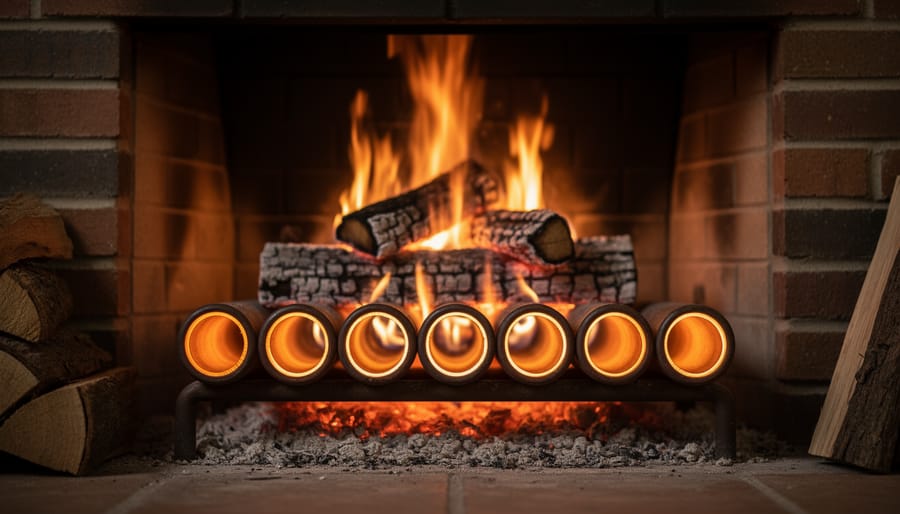


Transform your drafty, inefficient fireplace into a powerful heating machine by installing fireplace grate tubes—hollow steel tubes that sit beneath your burning logs, capture rising heat, and circulate warm air back into your room using simple convection. These ingenious devices can recover up to 40,000 BTUs of heat that would otherwise escape up your chimney, effectively doubling your fireplace’s heating capacity without electricity or complicated installation.
Picture this: cold air enters the tubes from your room’s floor level, heats up as it passes beneath your fire, and emerges from the opposite end as a steady stream of warm air—all while your fire burns naturally above. This passive heating system works with any wood-burning fireplace and pays for itself within a single heating season through reduced furnace use and lower energy bills.
Whether you’re frustrated by a fireplace that looks beautiful but barely heats, concerned about wasting expensive firewood, or simply want to extend your home’s warmth to rooms beyond the hearth, fireplace grate tubes offer a practical eco-friendly solution. The right fireplace grate selection paired with heat-exchange tubes transforms your fireplace from an atmospheric luxury into a legitimate heating source that contributes meaningfully to your home’s comfort while reducing your carbon footprint.
Understanding how these tubes work, selecting the appropriate size and configuration for your specific fireplace dimensions, and implementing them correctly will determine whether you achieve modest improvement or dramatic results that fundamentally change how you heat your home.
What Are Fireplace Grate Tubes and How Do They Work?
The Science Behind the Heat Circulation
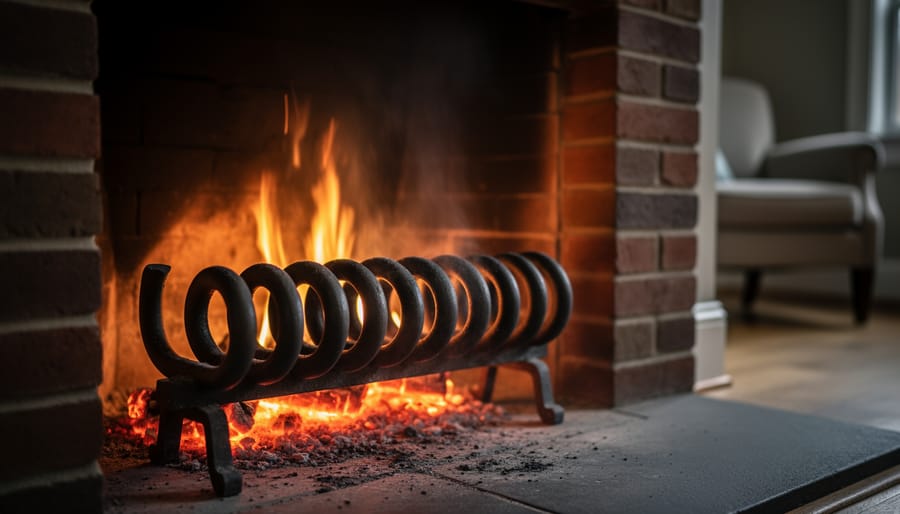
The magic of fireplace grate tubes lies in a simple yet powerful natural process called convection. Think of it like this: hot air naturally wants to rise, while cooler air sinks. These cleverly designed hollow tubes harness this basic principle to transform your fireplace into an efficient heating machine.
Here’s how it works in your living room. As your fire burns, the flames heat the metal tubes from the outside. Cool air from your room enters through openings at the bottom of the tubes, naturally drawn in by the temperature difference. As this air travels through the tubes, it absorbs the intense heat from your fire. Once heated, the air becomes lighter and shoots out through the top openings, creating a steady stream of warmth into your space.
This creates a continuous heat circulation loop without requiring electricity or fans. The beauty of this system is that it captures heat that would normally travel straight up your chimney and redirects it back into your home. Instead of watching your warmth disappear, you’re reclaiming it and putting it to work where you need it most, making your fireplace both cozier and more eco-friendly.
Why Traditional Grates Leave You Cold
If you’ve ever cozied up to a crackling fire only to feel a chill at your back, you’re experiencing the frustrating reality of traditional fireplace grates. Here’s the uncomfortable truth: a standard fireplace sends up to 90% of its heat straight up the chimney. That beautiful fire you’re enjoying? Most of its warmth is escaping into the night sky instead of heating your living room.
Standard grates simply hold logs in place while air flows around them. They’re essentially passive metal frames that do nothing to capture or redirect heat. The warm air naturally rises and exits through the flue, creating what heating experts call “negative pressure” that actually pulls cold air into your home from outside. It’s a bit like running your heater and air conditioner simultaneously.
This is where fireplace grate tubes change the game entirely. By actively circulating room air through heated tubes, they transform your fireplace from a heat-wasting showpiece into an efficient, eco-friendly heating solution that keeps warmth where it belongs: in your home.
Real Benefits You’ll Actually Notice
Warmer Rooms, Lower Thermostat Settings
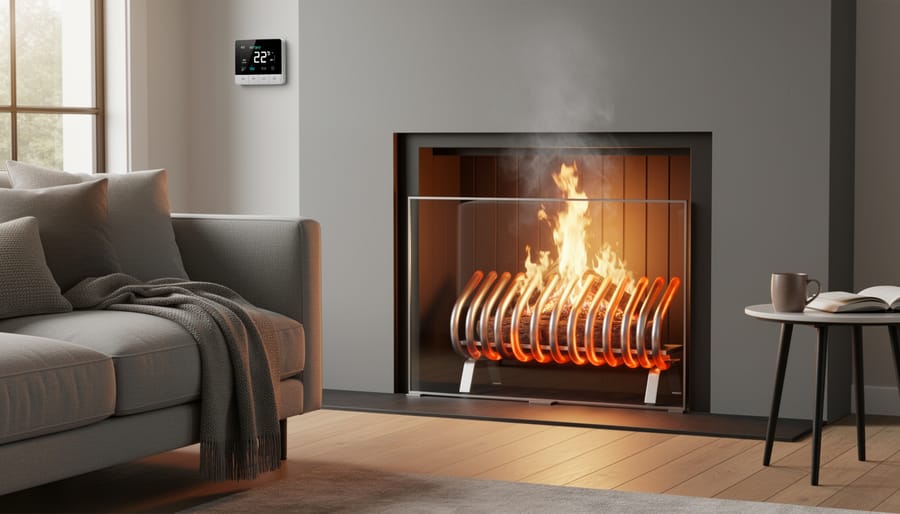
Here’s something many homeowners discover after installing fireplace grate tubes: you can actually turn down your thermostat and still feel perfectly cozy. It sounds counterintuitive, but it’s one of the most practical benefits of capturing and redistributing your fireplace’s heat.
Think about it this way. Traditionally, your fireplace heats the area immediately around it while your central heating system works overtime to warm the rest of your home. With grate tubes efficiently moving warm air throughout your living space, you’re tapping into a heat source you’re already using. That crackling fire becomes a genuine contributor to your home’s overall warmth rather than just a pretty focal point.
Many homeowners report dropping their thermostat by 3-5 degrees without noticing any difference in comfort. In fact, some find their living areas feel warmer because the heat is more evenly distributed. This isn’t just about saving money on your heating bills, though that’s certainly a welcome benefit. It’s about making smarter use of the resources you already have and creating a more sustainable approach to home comfort. Your fireplace transforms from a charming amenity into an eco-friendly heating solution that genuinely pulls its weight during those chilly months.
More Heat from Less Wood
Here’s the thing about traditional fireplaces: they’re notoriously hungry for wood. You can go through cord after cord each winter, watching your firewood budget (and your energy) literally go up in smoke. That’s where fireplace grate tubes become a game-changer for your wallet and the planet.
These innovative tubes dramatically improve fuel efficiency by capturing heat that would otherwise escape up the chimney. Instead of burning through three or four logs in an evening, you’ll find yourself using significantly less wood to achieve the same cozy warmth. Many homeowners report reducing their firewood consumption by 30-40% once they make the switch.
What does this mean in practical terms? If you typically spend $400-$600 on firewood each season, you could save $150-$250 annually. Over the lifespan of your grate tubes, that’s serious money back in your pocket.
Beyond your budget, there’s the environmental benefit. Burning less wood means fewer emissions and reduced demand on forest resources. You’re creating the warm, inviting atmosphere you love while treading lighter on the earth. It’s efficient heating that aligns with a more sustainable lifestyle, proving that comfort and environmental responsibility can absolutely go hand in hand.
A More Sustainable Way to Heat Your Home
Making your fireplace more efficient isn’t just good for your wallet—it’s a meaningful step toward greener living. Fireplace grate tubes help you extract more heat from every log you burn, which means you’ll use significantly less wood throughout the heating season. This reduction in wood consumption translates directly into fewer trees needed and less smoke released into your neighborhood. By maximizing the heat output from each fire, you’re creating a more sustainable heating solution that aligns with modern environmental values. It’s a simple upgrade that lets you enjoy the cozy ambiance of a crackling fire while treading lighter on the planet. When you burn less wood to achieve the same warmth, everyone benefits—from your local air quality to the forests that provide our firewood.
Choosing the Right Grate Tube System for Your Fireplace
Measure Your Fireplace First
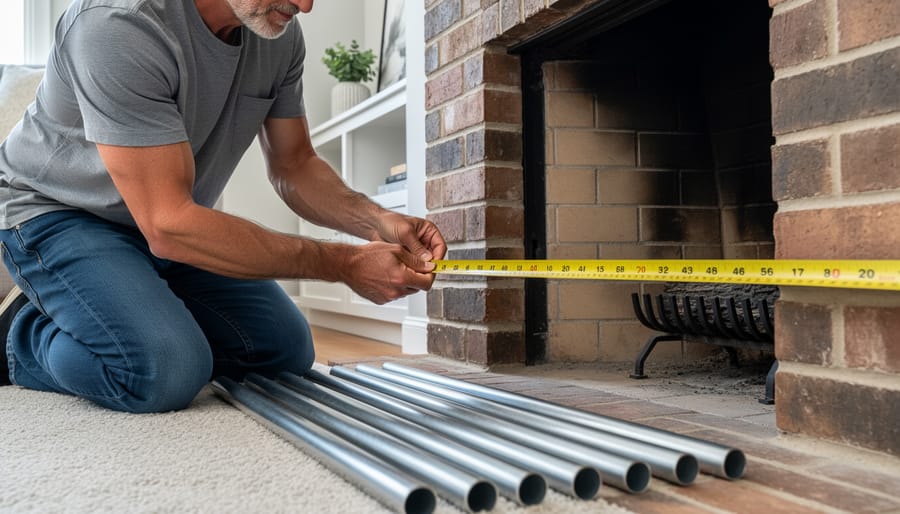
Before you invest in fireplace grate tubes, take a few minutes to measure your fireplace correctly. This simple step ensures you’ll choose tubes that fit properly and work efficiently in your space.
Start by measuring the width of your firebox from one side wall to the other at the base where your current grate sits. Next, measure the depth from the back wall to the front opening. Finally, note the height from the floor to the bottom of the damper or any overhead obstruction.
These measurements matter because grate tubes need adequate clearance on all sides for proper air circulation. Tubes that are too long won’t fit, while tubes that are too short won’t maximize your fireplace’s heating potential. You’ll also want to ensure there’s at least 3-4 inches of space above the tubes for optimal heat distribution.
Write down your measurements and keep them handy when shopping. Most grate tube systems come in standard sizes, so you’ll likely find options that work perfectly for your fireplace dimensions. This upfront effort saves you from the frustration of returns and ensures you’re creating an efficient, eco-friendly heating solution that fits your home like it was custom-made.
Tube Diameter and Length Considerations
Choosing the right tube diameter and length makes all the difference in how well your fireplace grate tubes perform. Think of it as finding the perfect fit for your specific fireplace setup.
Most grate tubes range from 2 to 3 inches in diameter. Larger diameter tubes (3 inches) move more air volume, making them ideal for medium to large fireplaces where you’re heating a bigger space. They’re particularly effective if you have a generous firebox that can accommodate their size. Smaller 2-inch tubes work beautifully in compact fireplaces or when space is limited, and they still deliver impressive heat output for cozy living areas.
Length matters too. Standard tubes run between 24 to 36 inches, and you’ll want to match them to your fireplace width. As a general rule, your tubes should extend across most of your grate’s length without crowding the sides. This ensures maximum exposure to your fire’s heat while allowing proper airflow.
For a typical 30-inch wide fireplace, a set of tubes around 24 to 30 inches works perfectly. Larger hearths benefit from 36-inch tubes or multiple tube sets. The goal is capturing as much radiant heat as possible while maintaining that inviting ambiance you love about your fireplace.
Material Matters: Steel vs. Stainless Options
When choosing fireplace grate tubes, the material makes all the difference in how long they’ll serve you and how well they’ll perform. Let’s break down your two main options.
Standard steel tubes are the budget-friendly choice, and they do a respectable job of transferring heat into your living space. They’re perfectly adequate for occasional fires and can last several years with proper care. However, steel is vulnerable to the intense heat and oxidation that happens inside your fireplace, which means you’ll likely need replacements within 3-5 years depending on how frequently you use your fireplace.
Stainless steel tubes represent a step up in both performance and longevity. While they cost more upfront, they resist corrosion and high-temperature degradation far better than regular steel. This means you’re looking at 10-15 years or more of reliable service. Stainless steel also maintains efficient heat transfer throughout its lifespan without the degradation you see with standard steel.
Think of it as an investment in your home’s heating efficiency and comfort. If you use your fireplace regularly throughout the heating season, stainless steel tubes pay for themselves over time through durability and consistent performance. For casual fireplace users, standard steel might suit your needs just fine while keeping costs down.
Single vs. Multiple Tube Configurations
Choosing between single and multiple tube configurations depends primarily on your fireplace size and heating goals. A single tube works beautifully for smaller fireplaces (up to 30 inches wide) or when you’re simply looking to supplement your existing heating system. It’s an affordable starting point that still delivers noticeable warmth improvements.
Multiple tube setups shine in larger fireplaces where you want to maximize heat circulation throughout your home. If your fireplace spans 36 inches or more, consider installing two or three tubes side-by-side for optimal coverage. This configuration creates a more robust convection current, moving significantly more warm air into your living space. Think of it as the difference between having one fan versus several working together.
Your heating ambitions matter too. If you’re hoping to make your fireplace a primary heat source during chilly evenings rather than just ambiance, multiple tubes become an eco-friendly solution that can genuinely reduce your reliance on conventional heating. The investment in additional tubes typically pays for itself through energy savings and enhanced comfort.
Installation and Safety Essentials
Setting Up Your Grate Tubes Correctly
Getting your fireplace grate tubes set up correctly makes all the difference in performance and safety. Let’s walk through the essentials to ensure you’re getting the most from this eco-friendly heating solution.
Start by placing your grate tubes on the existing fireplace grate, positioning them toward the back of the firebox where heat concentrates. The tubes should sit parallel to each other, spaced about 2-3 inches apart for optimal airflow. This spacing allows cool air to enter from the room side while heated air exits efficiently from the front openings.
Maintain proper clearances for safety and function. Keep at least 3 inches between the tubes and any combustible materials, and ensure nothing blocks the tube openings. The intake end should remain clear of ashes or debris that could restrict airflow.
Before your first fire, check that tubes rest securely on the grate without wobbling. proper installation means tubes stay in place during use while allowing easy removal for cleaning.
Test your setup with a small fire first, observing how air moves through the system. You should feel warm air flowing from the front openings within 10-15 minutes. If airflow seems weak, adjust tube positioning slightly forward or backward to find the sweet spot where your fireplace naturally generates the most heat.
Important Safety Precautions
While fireplace grate tubes offer wonderful efficiency benefits, understanding proper safety practices ensures you enjoy these advantages without worry. Let’s talk about keeping your home safe while maximizing warmth.
Heat management is your first consideration. These tubes can reach temperatures exceeding 400 degrees Fahrenheit during operation, making them too hot to touch. Always allow at least 30 minutes of cooling time after your fire dies down before handling or adjusting the tubes. Keep children and pets at a safe distance from the fireplace when it’s in use.
Regular inspection catches potential problems early. Check your tubes monthly for cracks, warping, or visible damage. Compromised tubes can leak smoke or hot air where you don’t want it. Replace damaged tubes immediately rather than attempting repairs, as structural integrity is essential for safe operation.
Proper installation matters significantly. Ensure tubes are positioned securely within your grate system and that all connections are tight. Loose tubes can shift during fires, creating hazardous situations. The blower fan, if you’re using one, should be plugged into a grounded outlet away from direct heat exposure.
Never block air intake or output openings, as this creates pressure issues and reduces efficiency. Keep your chimney properly maintained and cleaned annually, since improved combustion from grate tubes can actually increase creosote buildup. This eco-friendly heating solution works best when safety comes first.
Maintaining Your Grate Tubes for Long-Term Performance
Cleaning and Inspection Routines
Regular maintenance keeps your fireplace grate tubes performing efficiently and extends their lifespan. Establishing simple cleaning routines ensures you get the most from your investment while maintaining a safe, eco-friendly heating solution.
Clean your grate tubes monthly during active burning seasons. After the fire completely cools, remove accumulated ash and soot from around the tubes using a soft brush or vacuum. This prevents buildup that blocks heat circulation and reduces efficiency.
Inspect tubes every few weeks for signs of wear. Look for warping, cracks, or corrosion that might compromise performance. Check the end caps remain securely sealed, as leaks reduce heating efficiency. Examine welds and seams for separation or rust spots.
Between heating seasons, remove tubes from the fireplace and store them in a dry location to prevent moisture damage. A light coating of high-temperature oil helps protect against rust during storage.
These simple tasks take just minutes but significantly impact your fireplace’s performance and your home’s comfort throughout the season.
When to Replace vs. Repair
Knowing when your fireplace grate tubes need attention helps keep your heating system running efficiently and safely. Look for visible signs like cracks, splits, or holes in the metal tubes, which indicate it’s time for replacement rather than repair. If you notice significant rust or corrosion that’s eaten through the tube walls, these units have reached the end of their useful life.
Minor surface rust can often be addressed with cleaning and proper maintenance, but deep corrosion compromises the tubes’ ability to transfer heat effectively. Leaking tubes are another clear signal that replacement is necessary, as patching rarely provides a lasting solution.
Consider the age of your tubes too. Most quality grate tubes last 5-10 years with regular use, but this varies based on how often you burn fires and maintenance habits. If your tubes are heating unevenly or taking much longer to warm up than they used to, the internal passages may be blocked or damaged.
As an eco-friendly heating solution, functioning properly is essential. When repair costs approach half the price of new tubes, replacement becomes the smarter investment for your home’s comfort and efficiency.
Investing in fireplace grate tubes can truly transform your home heating experience from ordinary to exceptional. These innovative additions work quietly behind the scenes, pulling cool air from your room, heating it efficiently, and returning warmth where you need it most. The result? A cozier living space, lower energy bills, and the satisfaction of making an eco-friendly choice that reduces your reliance on central heating systems.
As you consider upgrading your fireplace setup, remember that grate tubes represent a smart middle ground between enjoying the ambiance of a traditional fire and embracing modern efficiency standards. They’re relatively affordable, easy to install, and require minimal maintenance once in place. Whether you’re curling up with a good book on a chilly evening or gathering family around the hearth during the holidays, these simple tubes help ensure that the heat from your fire actually warms your home rather than disappearing up the chimney.
Take the time to evaluate your fireplace’s specific needs, choose quality tubes that fit properly, and enjoy the rewards of a more efficient, comfortable home heating solution that brings genuine warmth to every corner of your living space.