

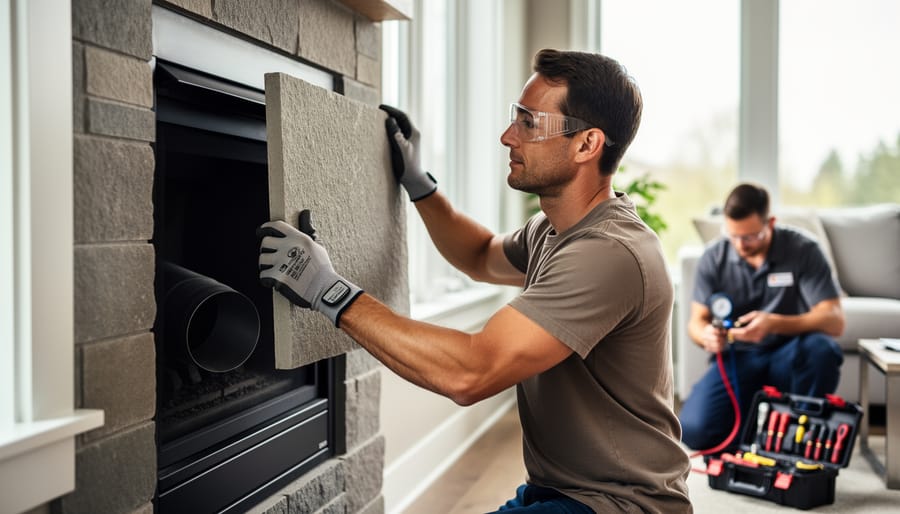
Assess whether your installation qualifies as DIY-friendly before purchasing any materials. Direct-vent gas fireplaces with existing gas lines and exterior wall access typically allow handy homeowners to handle cosmetic elements like surround installation and finishing work, while a licensed professional must connect gas lines, test for leaks, and verify proper venting. This division keeps you ... Read more
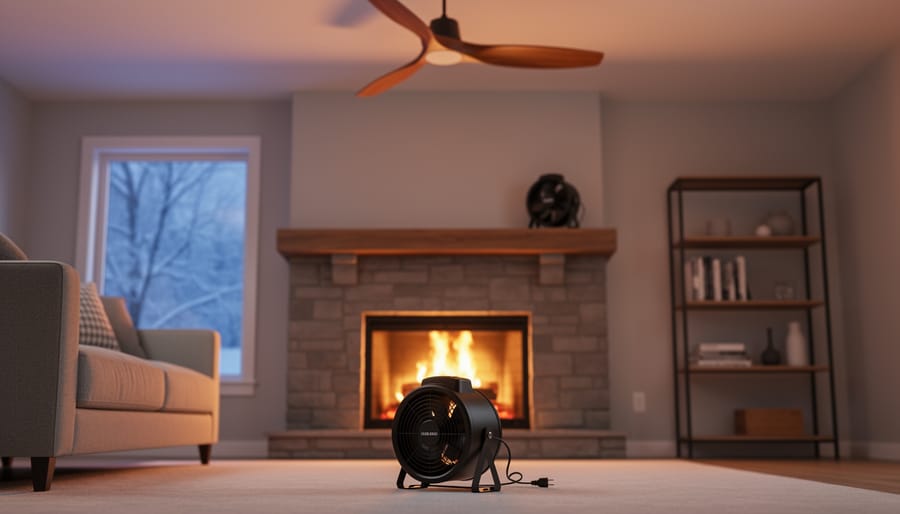
Position a fireplace blower fan directly in front of your fireplace opening to push warm air into your living space, instantly transforming wasted heat rising up the chimney into comfortable warmth that circulates throughout your room. These affordable fans, starting around $30, can increase your fireplace’s heating efficiency by up to 50 percent without any ... Read more

Handmade clay cooking pots transform everyday meals into nourishing experiences while connecting your kitchen to centuries of artisan tradition. These porous earthenware vessels require intentional care from the moment they arrive at your doorstep. Season new pots by submerging them in water for 24 hours, then rubbing the unglazed exterior with garlic or onion before ... Read more
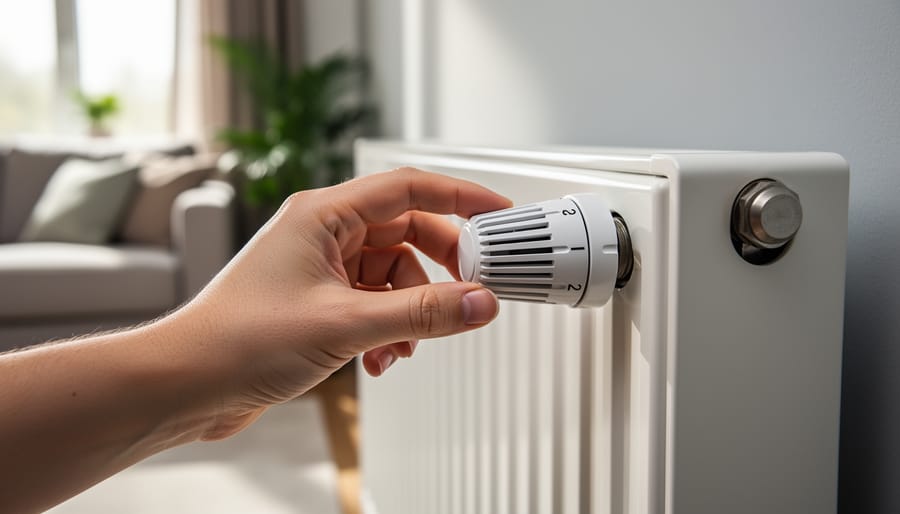
Turn your radiator’s thermostatic valve clockwise to reduce heat output or counterclockwise to increase it, testing the response over 30-60 minutes since these systems adjust gradually. Check if your knob displays numbers (typically 1-5) or symbols—each number represents roughly 4°F increments, with 3 usually maintaining around 68°F in most rooms. Balance multiple radiators by starting ... Read more
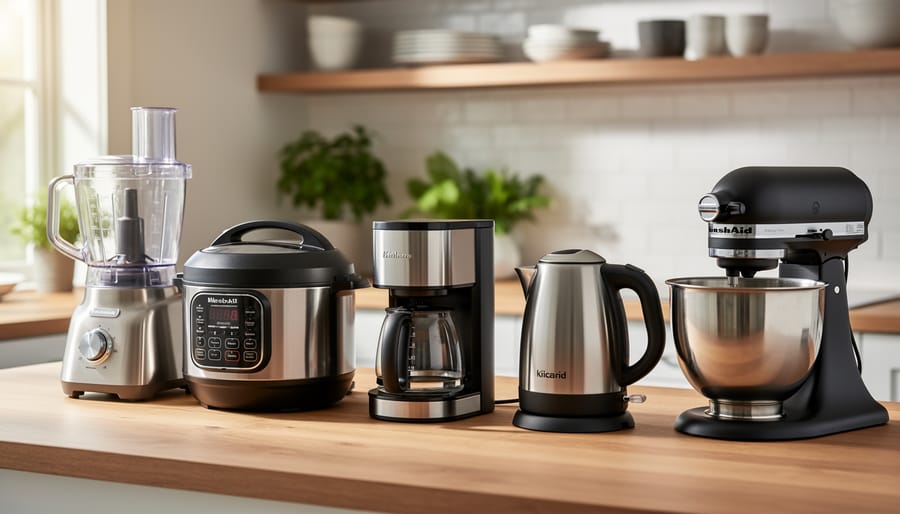
Prioritize energy-efficient models when building your small appliance collection—look for Energy Star ratings that can reduce your electricity bills by 10-50% annually while creating a more sustainable kitchen environment. Just as selecting the right heating solution transforms your living space, choosing appliances with proper wattage specifications (typically 300-1500W for small appliances) ensures they match your ... Read more
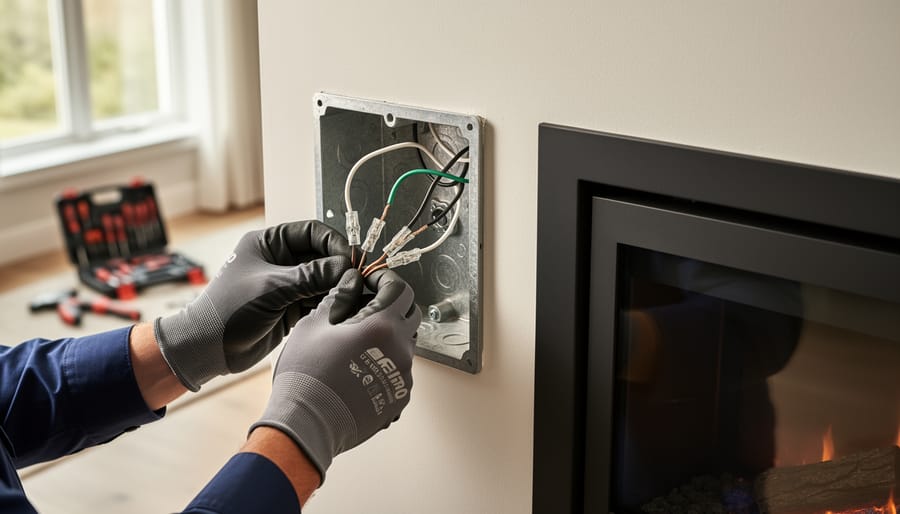
Examine your electric fireplace’s manual first to identify whether you have a standard 120-volt plug-in model requiring only a nearby outlet, or a hardwired 240-volt unit demanding direct connection to your home’s electrical panel. Most electric fireplaces operate on standard household current and simply plug into existing outlets, making installation remarkably straightforward for homeowners—but understanding ... Read more
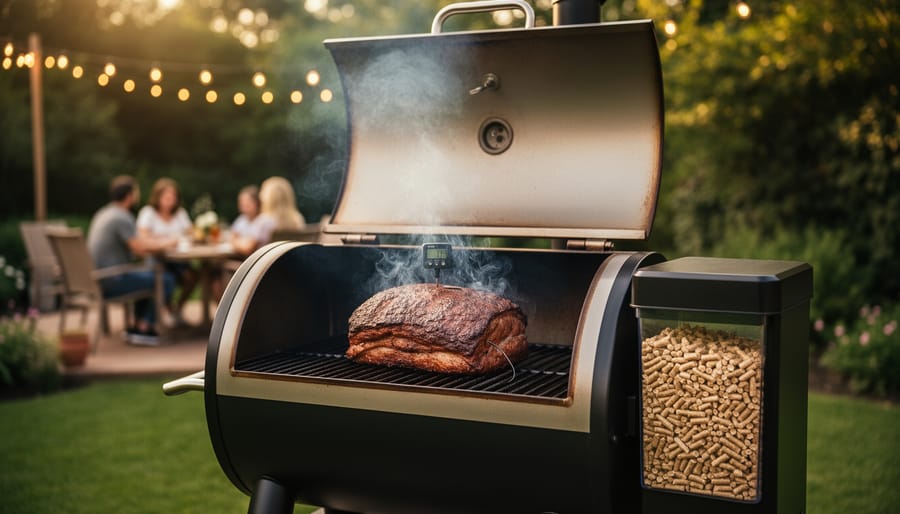
Preheat your Z Grill to 225°F and let it run for 10 minutes to establish a clean smoke before adding food—this initial burn-off creates the ideal environment for that rich, smoky flavor you’re after. Fill the hopper with quality hardwood pellets suited to your protein, keeping in mind that hickory and mesquite deliver bold flavors ... Read more

Evacuate your home immediately if you smell gas—that distinctive rotten egg odor means danger. Once you’re safely outside, call RG&E’s 24-hour emergency line at 1-800-743-1701 from a neighbor’s phone or cell phone away from the building. Never turn electrical switches on or off, light matches, or use any device that could create a spark when ... Read more
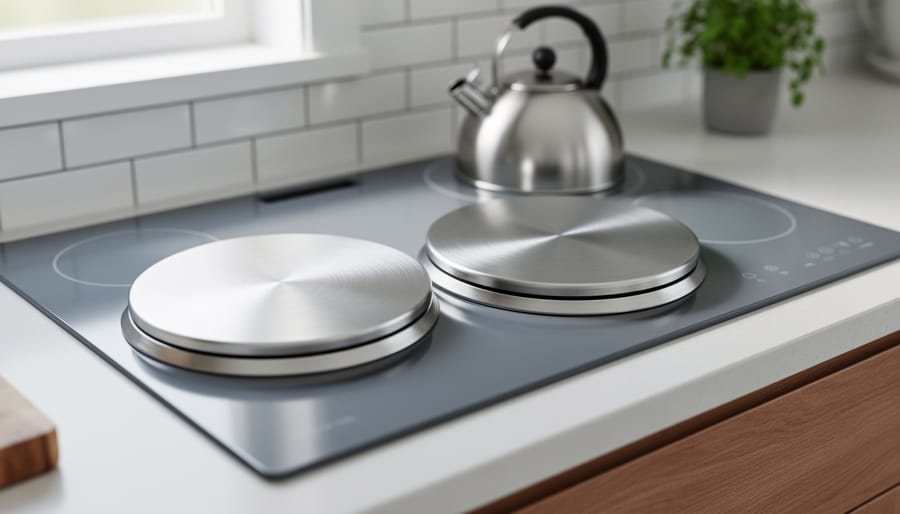
Transform your electric stove’s appearance instantly by placing stainless steel burner covers over coil elements when they’re cool and not in use. These sleek accessories create a seamless, modern surface that conceals worn coils and dated burner pans, giving your kitchen an immediate aesthetic upgrade without the cost of appliance replacement. Choose covers that match ... Read more
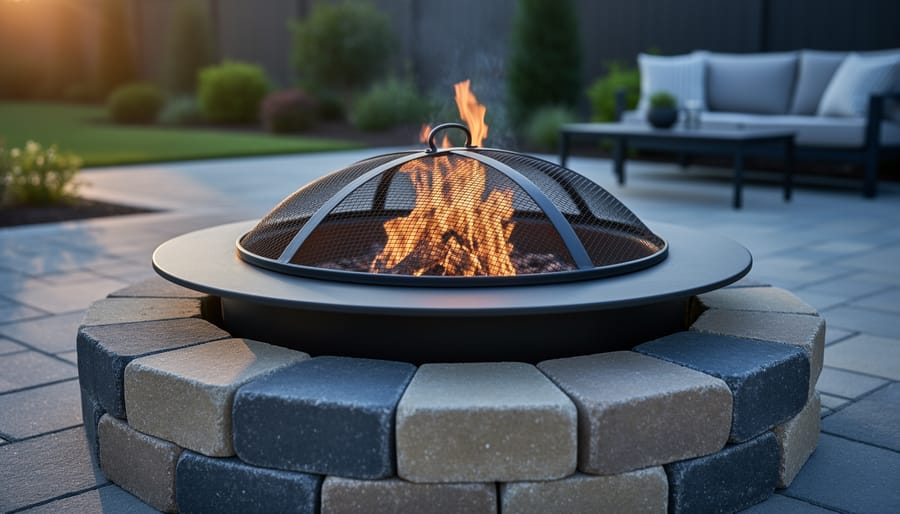
Control ventilation to manage fuel-limited non-structural fires effectively. When fuel sources are constrained—such as in fireplaces, fire pits, or outdoor heating systems—adjusting airflow becomes your primary control mechanism. Reducing oxygen supply by closing dampers, vents, or air intake controls will naturally slow combustion and help contain the fire safely. Understand that fuel-limited fires differ fundamentally ... Read more



