

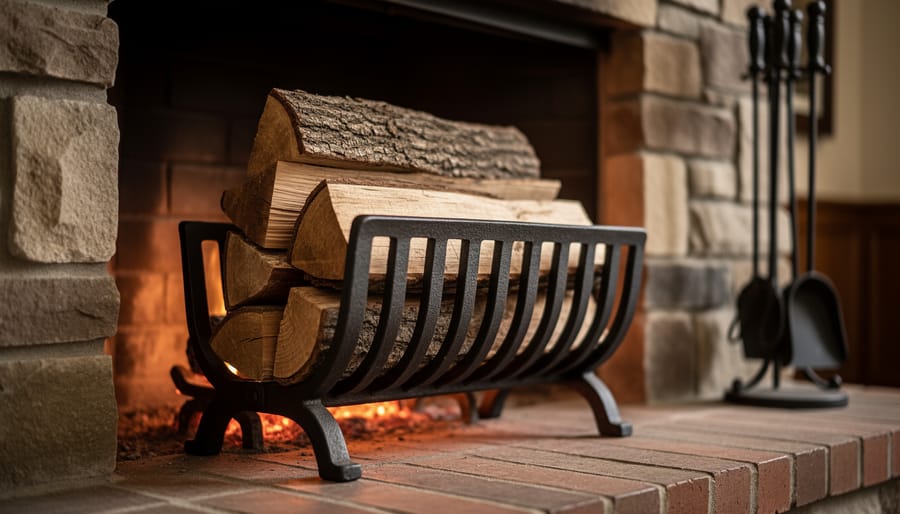
Position your fireplace grate with the lower, slanted side facing toward the front of the fireplace and the higher side toward the back. This orientation creates the optimal airflow pattern beneath your logs, allowing oxygen to fuel the fire from below while ash falls through to the collection area. The slope directs heat forward into ... Read more
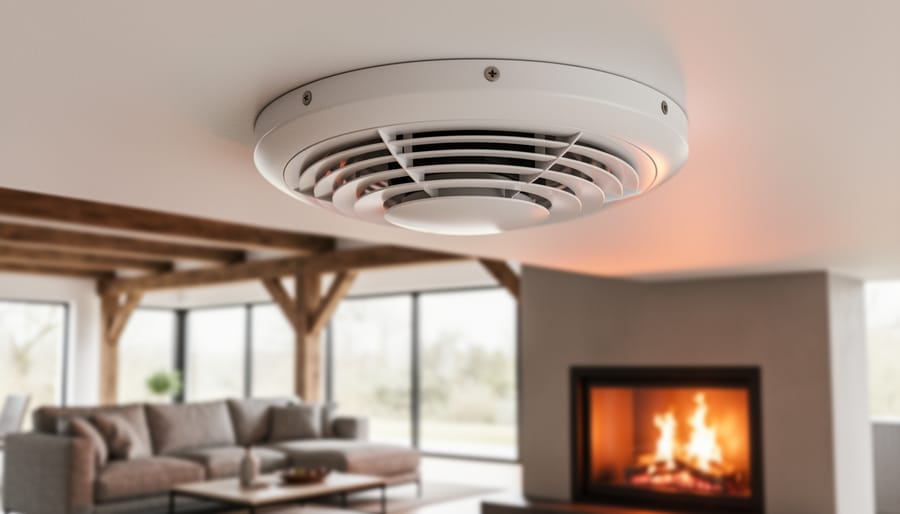
Measure your existing vent openings before shopping to confirm you need 6-inch diffusers rather than 4-inch or 8-inch models, as mismatched sizes create whistling noises and reduce heating efficiency. Check your current airflow by holding a tissue near each vent during system operation—if it barely moves or blasts violently, your diffusers need adjustment or replacement. ... Read more
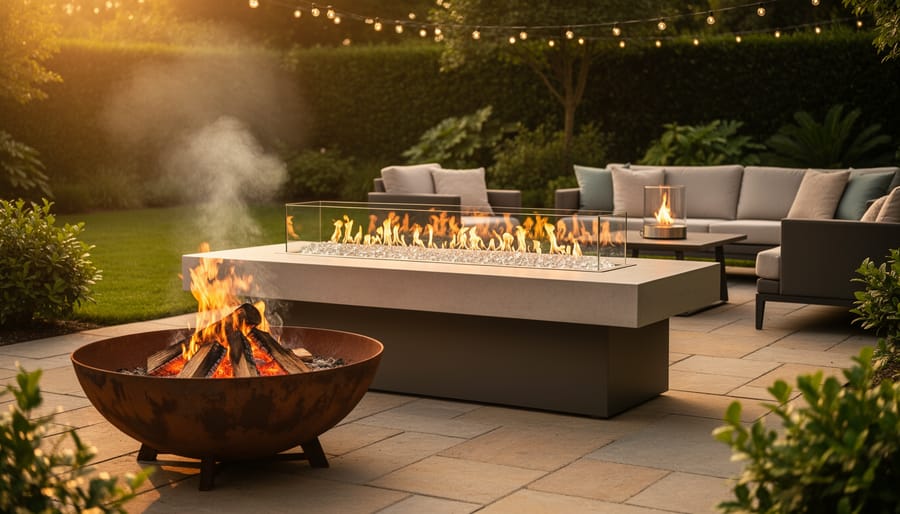
Choosing the right fuel type transforms your fire pit from a simple backyard feature into the perfect gathering spot for your lifestyle. Wood-burning pits deliver that authentic crackling ambiance and smoky aroma many of us crave, but they demand regular ash cleanup and wood stockpiling. Natural gas and propane options offer instant flames at the ... Read more
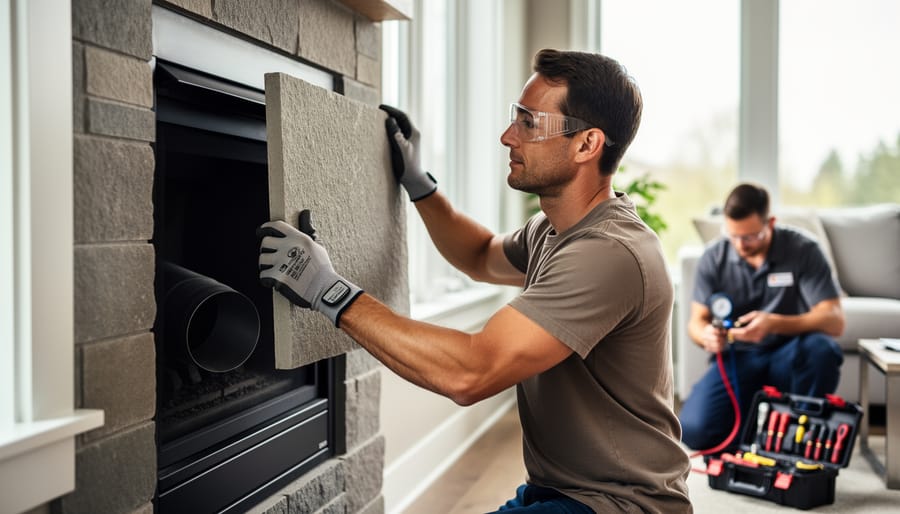
Assess whether your installation qualifies as DIY-friendly before purchasing any materials. Direct-vent gas fireplaces with existing gas lines and exterior wall access typically allow handy homeowners to handle cosmetic elements like surround installation and finishing work, while a licensed professional must connect gas lines, test for leaks, and verify proper venting. This division keeps you ... Read more
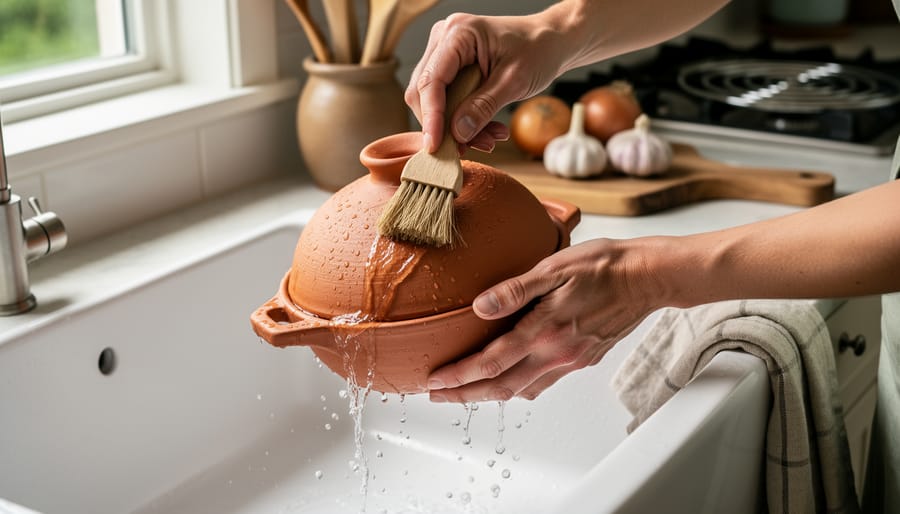
Handmade clay cooking pots transform everyday meals into nourishing experiences while connecting your kitchen to centuries of artisan tradition. These porous earthenware vessels require intentional care from the moment they arrive at your doorstep. Season new pots by submerging them in water for 24 hours, then rubbing the unglazed exterior with garlic or onion before ... Read more
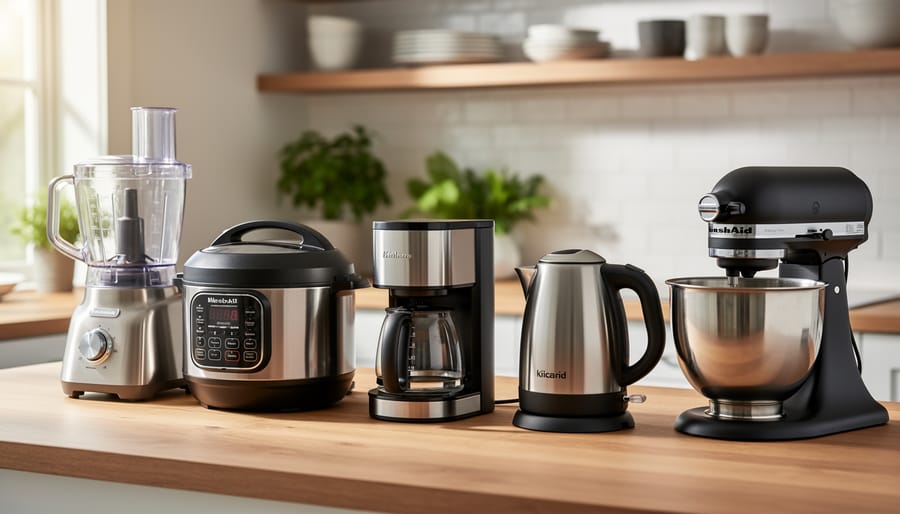
Prioritize energy-efficient models when building your small appliance collection—look for Energy Star ratings that can reduce your electricity bills by 10-50% annually while creating a more sustainable kitchen environment. Just as selecting the right heating solution transforms your living space, choosing appliances with proper wattage specifications (typically 300-1500W for small appliances) ensures they match your ... Read more
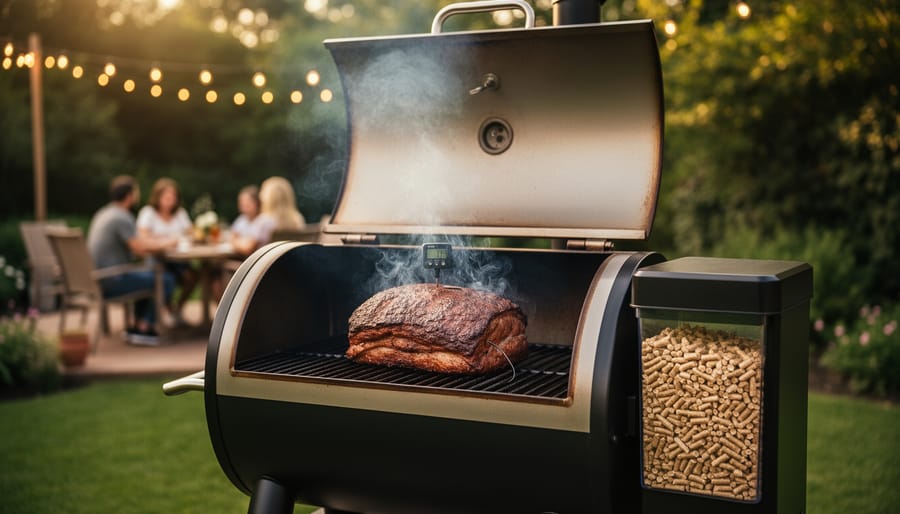
Preheat your Z Grill to 225°F and let it run for 10 minutes to establish a clean smoke before adding food—this initial burn-off creates the ideal environment for that rich, smoky flavor you’re after. Fill the hopper with quality hardwood pellets suited to your protein, keeping in mind that hickory and mesquite deliver bold flavors ... Read more
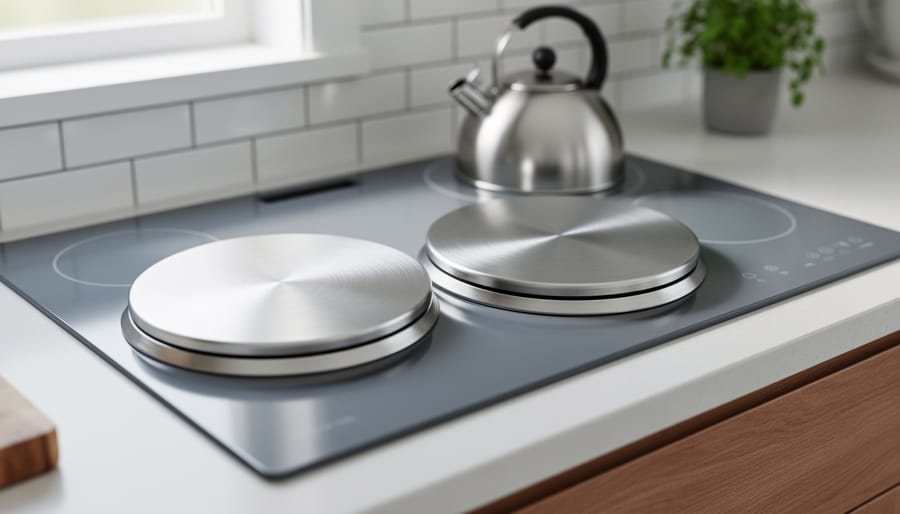
Transform your electric stove’s appearance instantly by placing stainless steel burner covers over coil elements when they’re cool and not in use. These sleek accessories create a seamless, modern surface that conceals worn coils and dated burner pans, giving your kitchen an immediate aesthetic upgrade without the cost of appliance replacement. Choose covers that match ... Read more
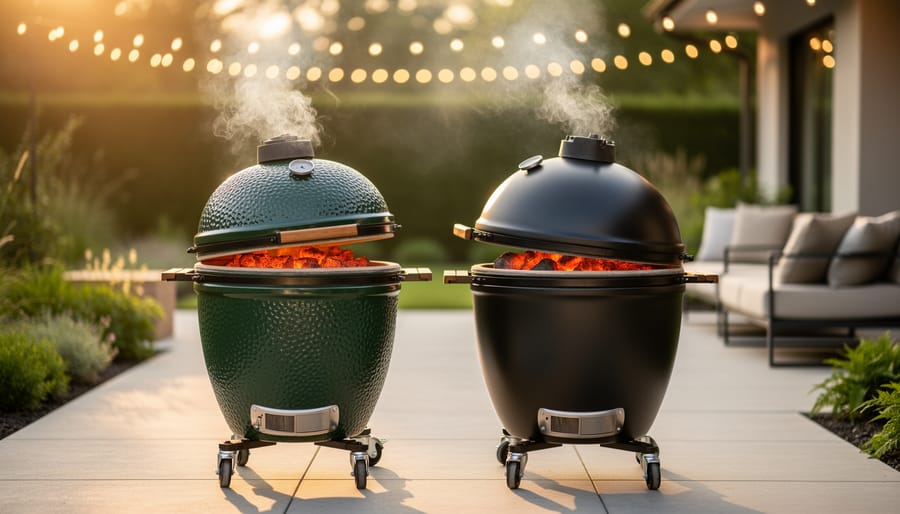
Standing in front of two kamado grills at your local outdoor store, you’re facing a question thousands of backyard cooking enthusiasts grapple with every year: Does the Big Green Egg’s iconic status and premium price tag deliver genuinely superior performance, or can alternative ceramic kamado brands give you the same exceptional cooking experience for hundreds ... Read more
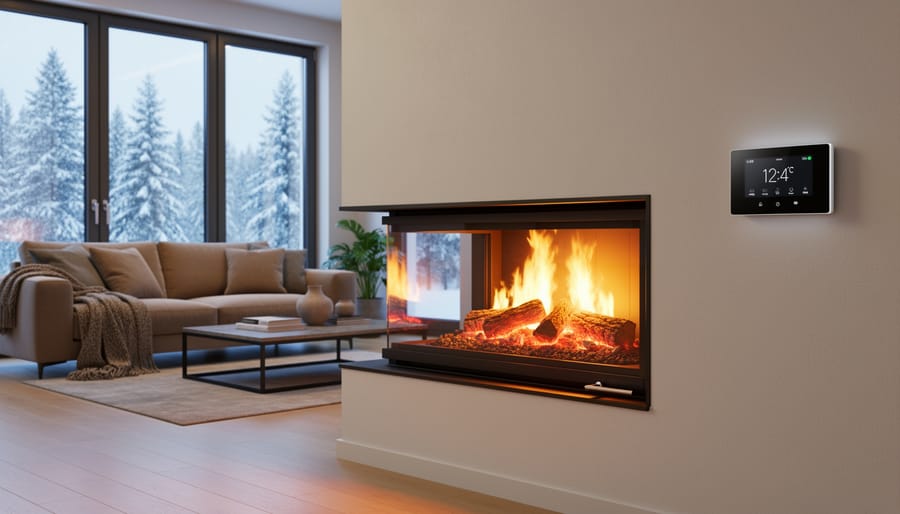
Upgrade your existing fireplace with a high-efficiency insert to reclaim up to 80% of heat that typically escapes through traditional open fireplaces, potentially cutting your heating costs by $500 or more annually. Install a programmable thermostat and zone heating strategy that keeps your main living areas at comfortable temperatures while reducing heat to unused spaces—fireplaces ... Read more



