
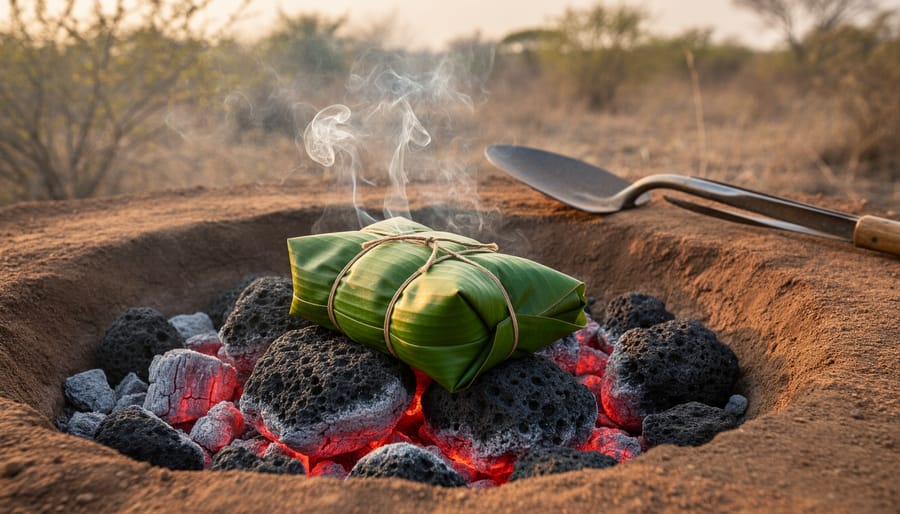
Dig a pit roughly three feet deep and two feet wide in well-drained soil away from structures and underground utilities. Line the bottom with volcanic rocks or fire bricks that won’t explode when heated, never use river stones or wet rocks. Build your fire directly in the pit using hardwoods like oak or hickory, letting ... Read more
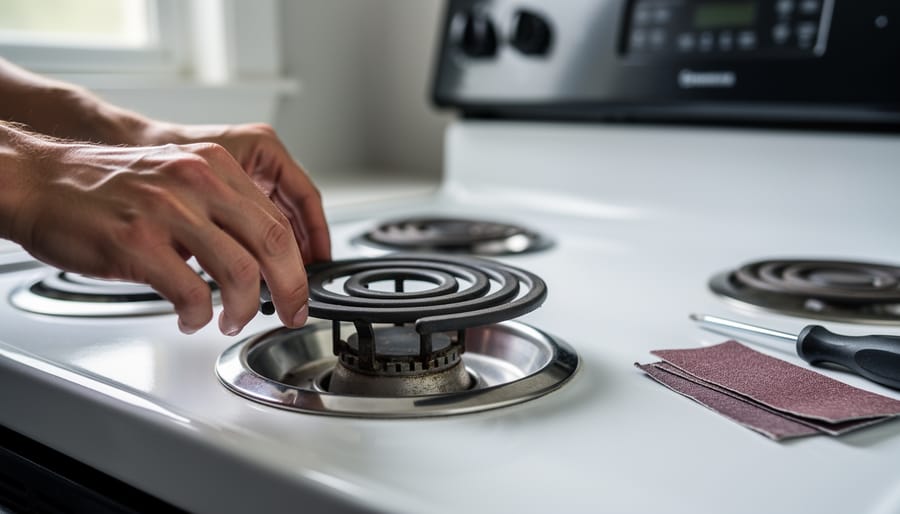
Turn off the power at your circuit breaker before touching any stove components—this single step prevents electrical shock and potential fire hazards. A malfunctioning electric stove burner doesn’t necessarily mean an expensive service call or appliance replacement. Most burner issues stem from simple problems you can diagnose and fix yourself in under thirty minutes with ... Read more
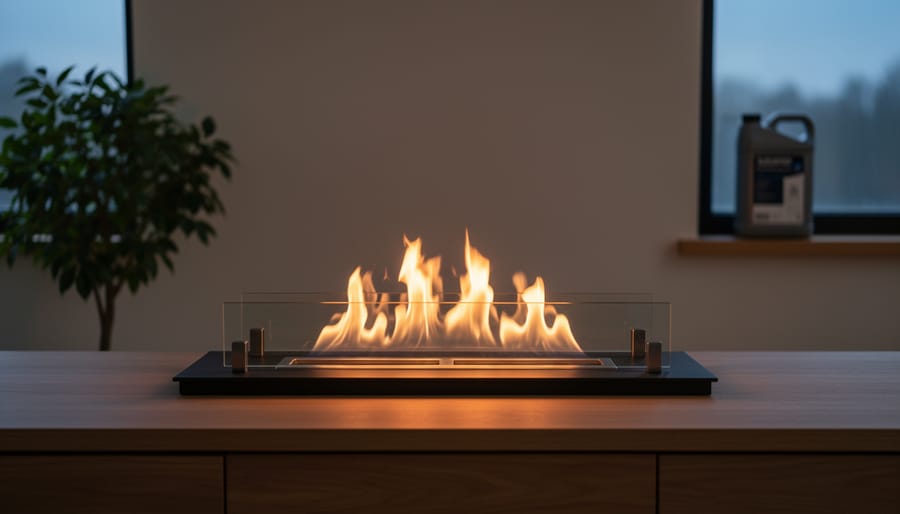
Choosing the right fuel for your ventless fireplace transforms both your home’s atmosphere and your environmental footprint. Bioethanol stands out as a clean-burning, renewable alternative that eliminates the smoke, ash, and chemical residue associated with traditional fuels. This plant-derived alcohol produces real flames without requiring a chimney or venting system, making it ideal for apartments, ... Read more
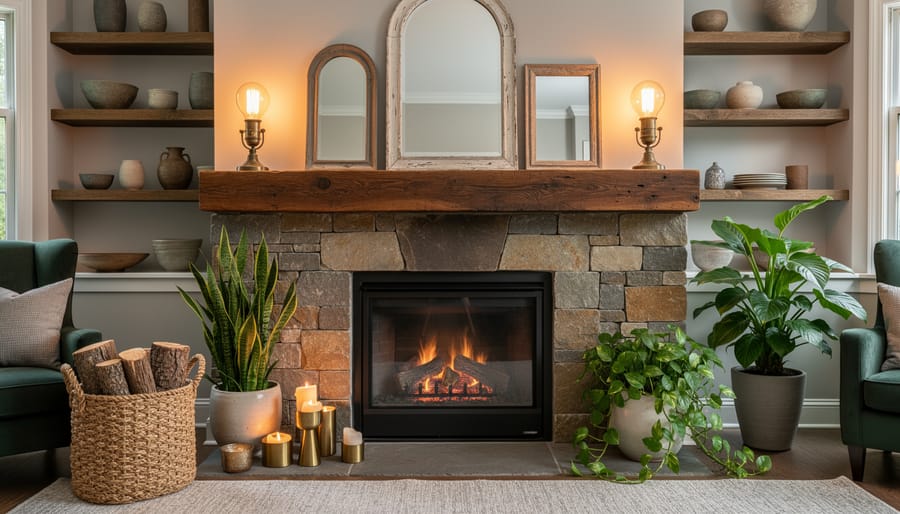
Position your electric fireplace as the room’s sustainable focal point by anchoring it with a reclaimed wood mantel or salvaged stone surround that adds character while reducing environmental impact. Frame the unit with organic textures like woven seagrass baskets filled with responsibly sourced firewood (purely decorative, creating cozy ambiance without waste), vintage brass candleholders, or ... Read more

Choose infrared panel heaters for your yoga space to deliver silent, even warmth that radiates from walls or ceilings without disrupting breath work or meditation. These efficient units warm bodies and surfaces directly rather than circulating dusty air, creating the gentle, consistent heat essential for safe stretching and holding poses. Position oil-filled radiators along perimeter ... Read more
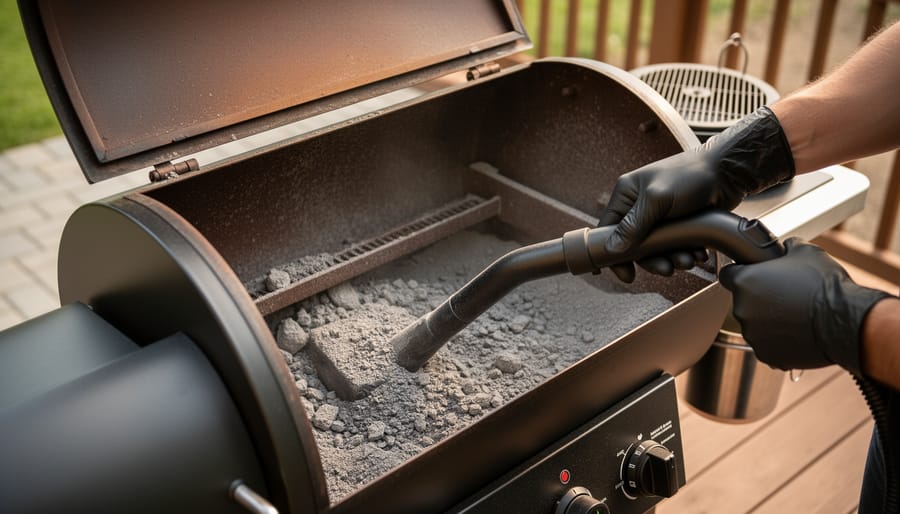
Clean your burn pot after every cooking session by removing ash buildup with a shop vacuum or scraper—this single habit prevents the majority of temperature fluctuations and ignition failures that plague pellet grill owners. Inspect and empty your grease trap weekly during heavy use seasons, as accumulated grease isn’t just a fire hazard; it directly ... Read more
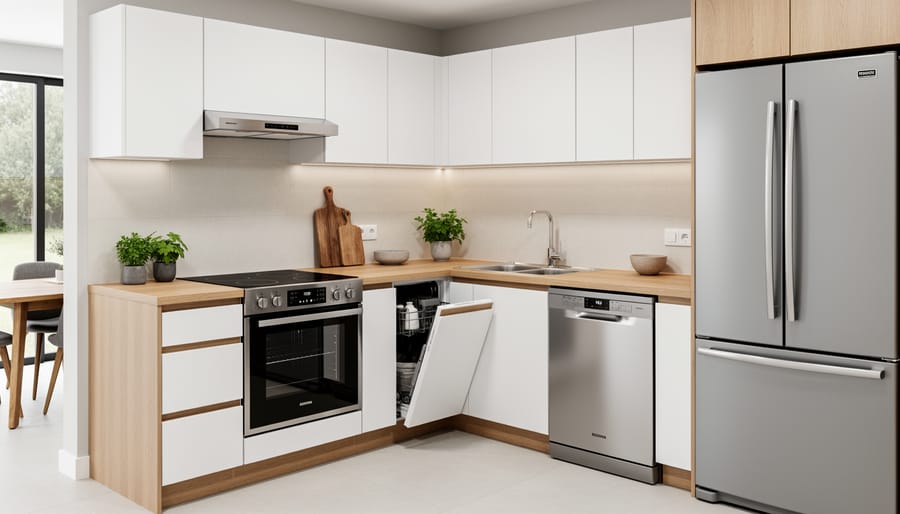
Position your range along the shorter leg of your L-shaped kitchen to create a natural work triangle with your sink and refrigerator, keeping the three points between 12 and 25 feet apart for optimal efficiency. This layout mirrors the same thoughtful planning you’d apply when positioning a fireplace as the heart of your living space—both ... Read more
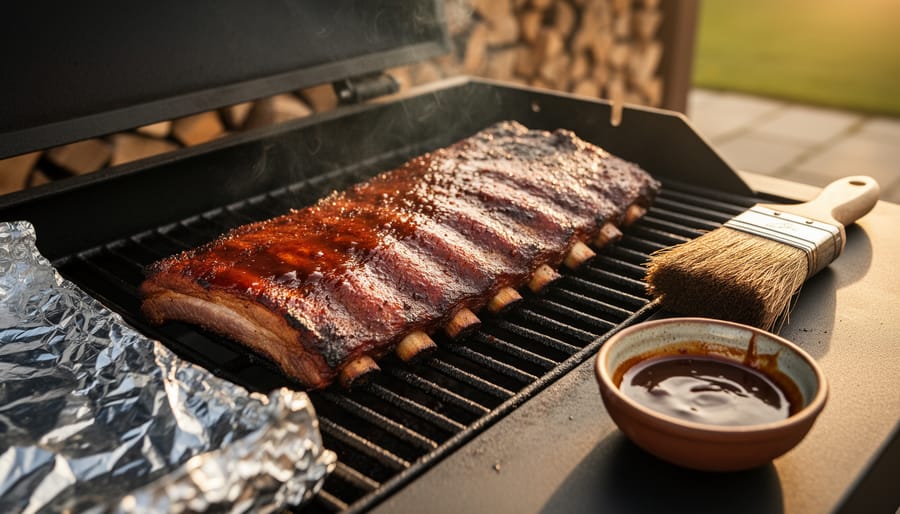
Master the 3-2-1 smoking method by smoking your ribs for 3 hours unwrapped, wrapping them in foil with liquid for 2 hours to tenderize, then unwrapping for 1 final hour to set a perfect caramelized bark. This foolproof technique transforms tough meat into fall-off-the-bone perfection by strategically controlling moisture and heat exposure at each stage. ... Read more
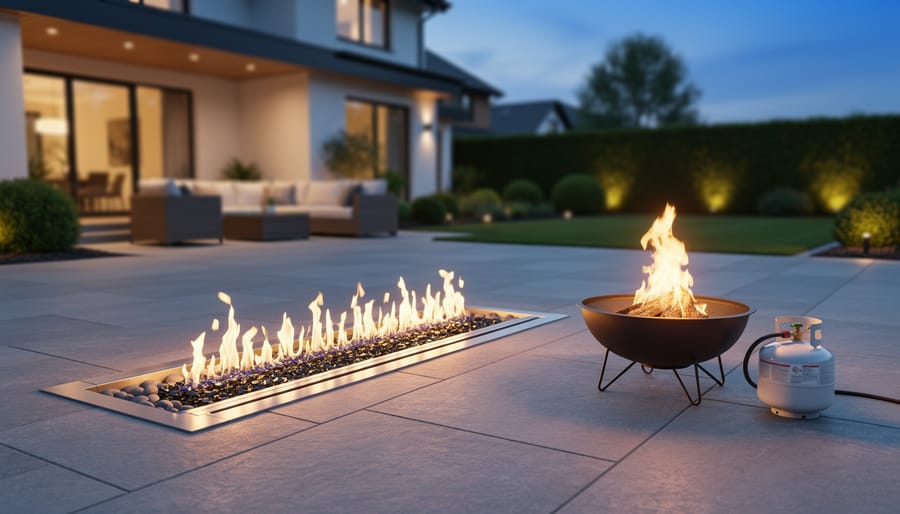
Choosing between natural gas and propane for your backyard fire pit affects everything from your monthly fuel costs to installation complexity and long-term flexibility. Natural gas connects directly to your home’s gas line, offering unlimited fuel supply without refills, while propane operates from portable tanks that give you installation freedom anywhere in your yard. The ... Read more
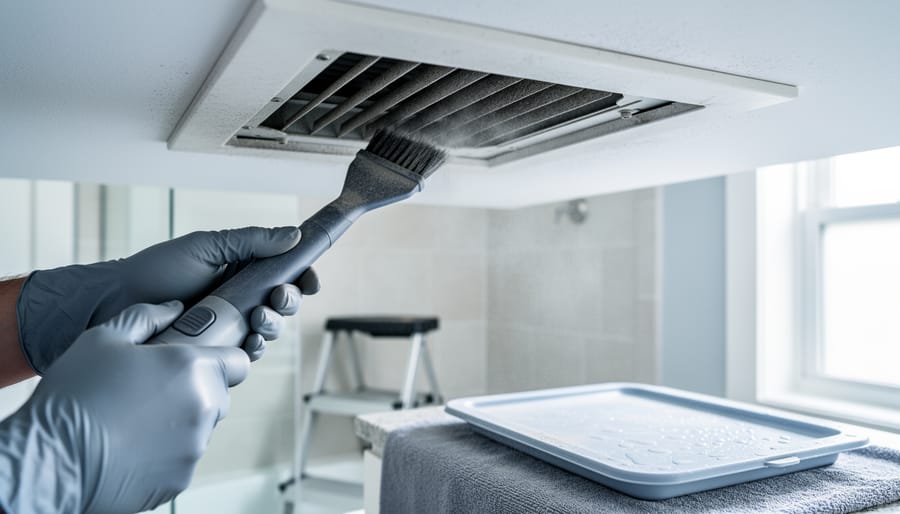
Turn off the power to your bathroom fan at the circuit breaker before attempting any maintenance work—this single safety step prevents electrical shock and protects you throughout the cleaning process. Remove the fan cover by gently squeezing the mounting clips or unscrewing fasteners, then vacuum away dust buildup from the fan blades, motor housing, and ... Read more



