

Master the fundamental methods that transform raw ingredients into delicious meals, whether you’re cooking on a modern stovetop or rediscovering the primal satisfaction of hearth cooking. Understanding five essential techniques gives you the foundation to prepare virtually any dish with confidence.
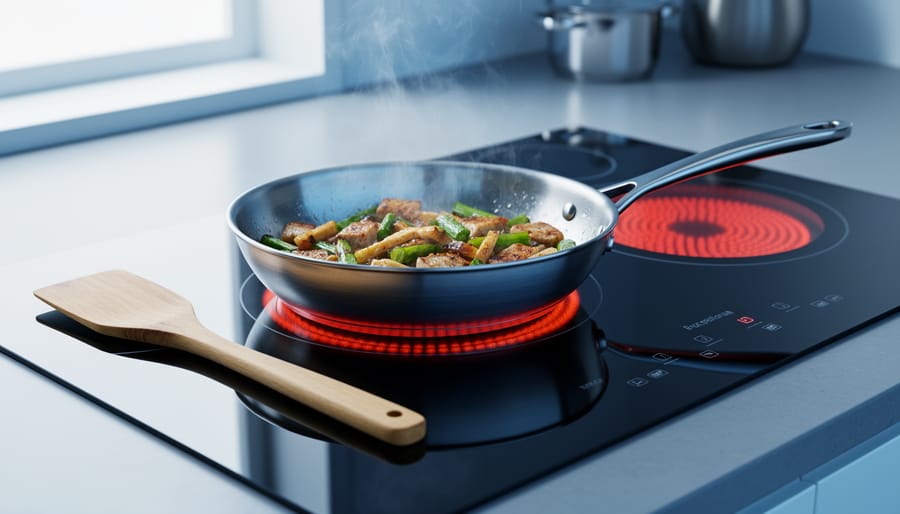
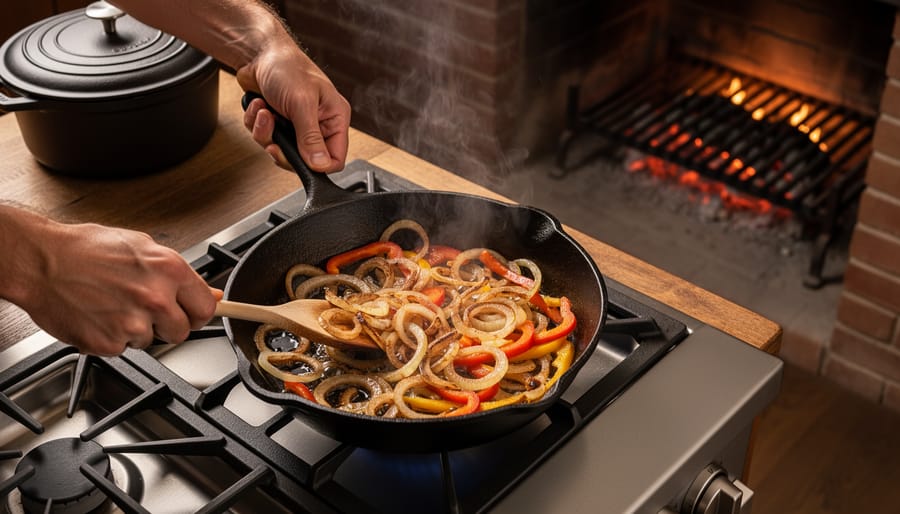
Sautéing means cooking food quickly in a small amount of fat over high heat, creating browned, flavorful exteriors while keeping interiors tender. Heat your pan until a drop of water sizzles immediately, add oil or butter, then add ingredients in a single layer to ensure proper browning rather than steaming.
Roasting uses dry, indirect heat to cook food evenly from all sides, developing deep caramelized flavors and crispy textures. Position ingredients with space between them, use temperatures between 375-450°F, and resist opening the oven door frequently to maintain consistent heat.
Braising combines searing and slow cooking in liquid to transform tough cuts into fork-tender meals. Brown meat or vegetables first to build flavor, add liquid to cover halfway, then cook covered at low temperatures until the connective tissues break down completely.
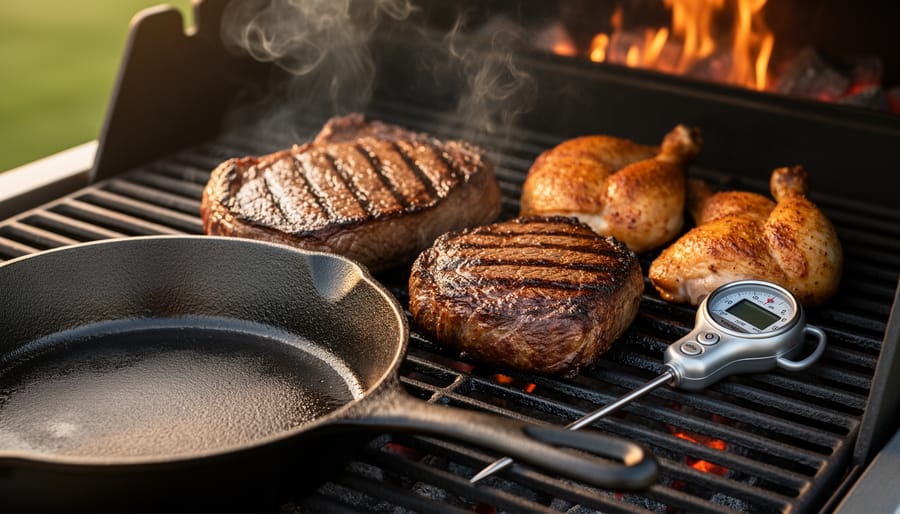
Grilling over open flame adds smoky complexity while creating appealing char marks. Preheat your grill until you can hold your hand over the grates for only 3-4 seconds, oil the grates to prevent sticking, and resist moving food too frequently to allow proper searing.
Simmering maintains liquid just below boiling with small bubbles breaking the surface regularly, perfect for developing flavors in soups, stocks, and sauces without breaking down delicate ingredients through aggressive boiling. These timeless techniques work equally well on contemporary ranges and traditional fire-based cooking methods, connecting you to centuries of culinary tradition.
Why Basic Techniques Matter for Fireplace Cooking
Before you can master the art of cooking over crackling flames in your fireplace, you need to understand the foundational techniques that make all cooking successful. Think of basic cooking methods as your safety net—they teach you how ingredients behave under different heat conditions, how to control temperature, and when to adjust your approach. These skills become even more critical when you’re working with the unpredictable nature of live fire.
When you’re cooking on a stovetop, turning a dial gives you instant temperature control. With fireplace cooking, you’re managing actual flames, hot coals, and radiant heat that varies across your cooking surface. That’s why mastering techniques like sautéing, roasting, and braising in a controlled kitchen environment first gives you the confidence and knowledge to adapt when heat levels fluctuate. You’ll recognize when your vegetables are browning too quickly or when your stew needs to move farther from the flames—intuition that comes from practice.
Safety is paramount when combining cooking with open flames. Understanding how oils behave at high temperatures, why certain pots and pans work better than others, and how to handle hot cookware properly becomes absolutely essential near your hearth. Starting with basic techniques in your regular kitchen lets you focus purely on the cooking process without simultaneously managing fire safety concerns.
Fireplace cooking transforms your home into a gathering space where warmth, ambiance, and delicious meals come together. But this lifestyle element works best when built on solid fundamentals. By learning the basics first, you’re not just preparing to cook—you’re preparing to do it safely, confidently, and successfully every time you light that fire.
Heat Control: The Foundation of All Cooking
Understanding Direct vs. Indirect Heat
When you’re learning to cook—whether on a modern stovetop or over the glowing embers of your fireplace—understanding the difference between direct and indirect heat is essential. Direct heat means your food sits right over the heat source, making it perfect for searing steaks, grilling vegetables, or toasting bread. Think of placing a cast-iron skillet directly over your stovetop burner or positioning food right above the flames in your fireplace. This method creates those beautiful caramelized surfaces and cooks food quickly.
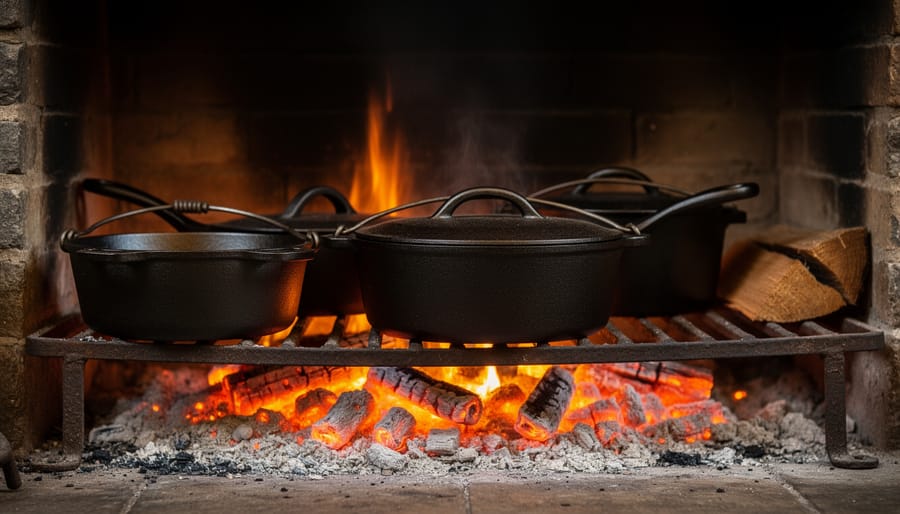
Indirect heat, on the other hand, surrounds your food with warmth rather than exposing it to direct flames. This gentler approach is ideal for roasting, baking, or slow-cooking dishes that need time to develop flavor without burning. On your stovetop, this might mean understanding medium heat settings and using covered pots. In fireplace cooking, you’d move coals to the side and let radiant heat do the work—perfect for Dutch oven meals or warming hearty stews.
Mastering both methods gives you incredible versatility in the kitchen and at the hearth, allowing you to choose the right technique for each dish while embracing cooking as a lifestyle element that brings warmth and tradition to your home.
Reading Visual Cues Without a Thermometer
When you’re cooking over a fireplace or wood-fired heat source, your senses become your best tools. Without the precision of modern temperature controls, learning to read visual and auditory cues helps you master fire cooking with confidence.
Start by watching how liquids behave. Water that’s barely moving with tiny bubbles breaking the surface sits around 180-190°F—perfect for poaching. Identifying proper simmering means spotting gentle, consistent bubbles that break rhythmically, typically at 200-205°F. A rolling boil shows aggressive, constant bubbling at 212°F.
For proteins, observe color changes and firmness. Fish turns from translucent to opaque and flakes easily when done. Chicken juices run clear rather than pink. Steak firmness increases as it cooks—rare feels soft like the base of your thumb, while well-done resists pressure.
Listen to your cooking too. A proper sear sizzles vigorously when food hits the heat. Silence means your surface isn’t hot enough. Steam hissing from vegetables indicates moisture release and proper cooking temperature.
These techniques connect you to generations of hearth cooks who relied on observation and experience. With practice, you’ll develop an intuitive sense for when food reaches perfection, making fireplace cooking both an art and a satisfying skill.
Essential Knife Skills That Keep You Safe
The Three Cuts Every Cook Should Know
Mastering three fundamental knife cuts will transform your cooking—whether you’re preparing ingredients in your kitchen or at your hearth. These techniques aren’t just restaurant skills; they’re practical foundations for anyone cooking over fire.
The basic dice creates uniform cubes, typically about half an inch across. This cut ensures vegetables like potatoes, carrots, and onions cook evenly in Dutch ovens or cast-iron pots positioned near your fireplace. When everything’s the same size, nothing burns while other pieces stay raw—crucial when managing the variable heat of a wood fire.
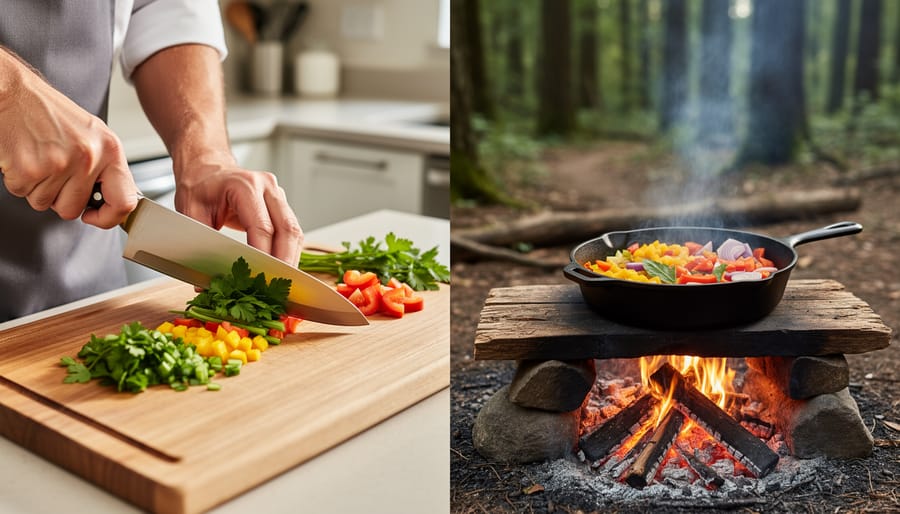
Julienne produces thin, matchstick-sized strips perfect for vegetables that need quick cooking. This technique works beautifully for root vegetables you’re sautéing in a skillet over hot coals, as the increased surface area means faster, more even cooking without constant stirring.
The rough chop is your workhorse cut for heartier dishes. Simply cut ingredients into irregular, bite-sized pieces—ideal for stews and braises that simmer slowly beside your fire. The varying sizes actually add texture and visual interest to rustic, fireside meals. Don’t stress about perfection here; rough chopping embraces the relaxed, authentic nature of cooking with fire, where the focus is on warmth, flavor, and gathering together.
Sautéing and Pan-Frying Basics
Sautéing and pan-frying form the foundation of countless delicious meals, and mastering stovetop basics opens up a world of culinary possibilities—whether you’re cooking on a modern range or over glowing embers in your fireplace.
The key to successful sautéing lies in high heat and constant motion. Choose a pan with a flat, heavy bottom that distributes heat evenly. Cast iron skillets are particularly versatile since they transition beautifully from stovetop to fireplace grate or ember cooking. Before adding ingredients, heat your pan until a drop of water sizzles and evaporates quickly—this indicates the perfect temperature.
Oil selection matters more than you might think. For high-heat cooking, opt for oils with high smoke points like avocado, grapeseed, or refined olive oil. These won’t break down or create unpleasant flavors when temperatures rise. Add just enough oil to lightly coat the pan’s surface—too much creates greasy food, while too little causes sticking.
When sautéing, avoid overcrowding the pan. Ingredients need space for moisture to evaporate quickly, creating that desirable golden-brown exterior. Keep food moving with a gentle tossing motion or wooden spatula, ensuring even cooking.
These same principles apply beautifully to fireplace cooking. A well-seasoned cast iron skillet positioned on a sturdy grate over hot coals provides excellent, even heat. The radiant warmth from your fireplace creates an incredibly efficient cooking environment while adding subtle, smoky depth to your food. Just remember that fire-based cooking requires extra attention to heat management—moving your pan closer or farther from the coals adjusts temperature naturally, giving you surprising control once you develop a feel for it.
Mastering the Art of Seasoning
Seasoning transforms simple ingredients into memorable meals, and this becomes especially important when cooking over fire, where you’re working with pure, elemental heat. The key is understanding that seasoning isn’t just a final flourish—it’s a conversation that happens throughout the cooking process.
Start by seasoning early and often. When cooking over your fireplace or hearth, salt your proteins before they hit the grate. This gives the seasoning time to penetrate the meat, creating flavor throughout rather than just on the surface. For vegetables roasting near the coals, a light coating of salt and pepper before cooking helps draw out their natural sweetness as they caramelize.
Salt is your foundation, but understanding how much to use comes with practice. Begin conservatively—you can always add more, but you can’t take it away. Taste as you go when possible, adjusting gradually. For fireplace cooking, where temperatures can vary, proper seasoning helps compensate for the rustic cooking environment.
Build layers of flavor by thinking about timing. Hardy herbs like rosemary and thyme can withstand direct heat and actually release their oils beautifully when exposed to fire. Delicate herbs like parsley or cilantro should be added at the end to preserve their brightness. A sprinkle of finishing salt or a drizzle of quality olive oil after cooking adds textural interest and elevates even the simplest fireplace-cooked meal.
Remember, seasoning is about balance. Your goal is to enhance the natural flavors of your ingredients, letting the smoke and fire work their magic while your thoughtful seasoning brings everything into harmony.
Roasting and Baking Fundamentals
From Oven to Hearth: Adapting Roasting Techniques
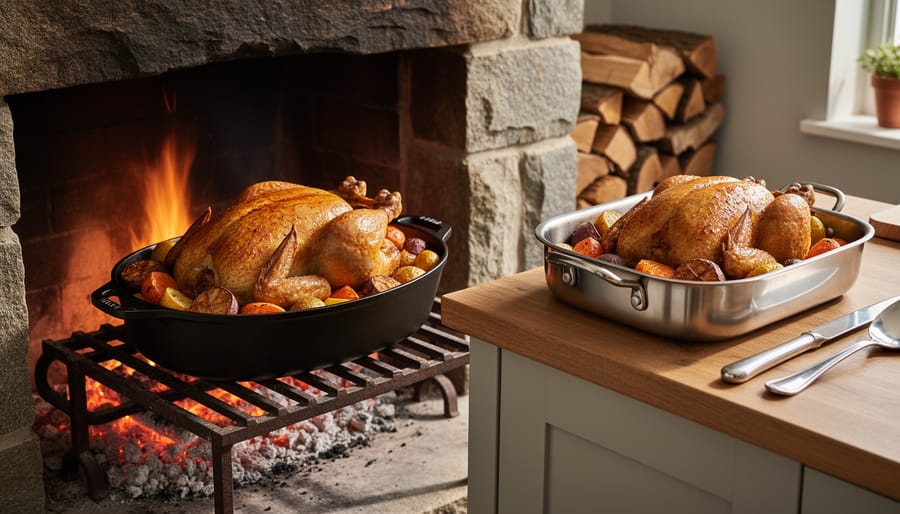
Traditional oven roasting relies on steady, circulating heat—a principle that translates beautifully to fireplace cooking with the right equipment and techniques. Your hearth can become an unexpected culinary asset while providing warmth and ambiance to your home.
Dutch ovens excel at hearth roasting, sitting directly on a bed of coals or suspended above them. Their heavy cast iron construction distributes heat evenly, much like your kitchen oven. Nestle root vegetables or a small roast inside, place hot coals on the lid, and you’ve created an efficient roasting environment that produces remarkably tender results.
Reflector ovens, positioned near your fire’s radiant heat, work like miniature convection ovens. These ingenious devices angle heat toward food from multiple directions, perfect for baking bread or roasting poultry. The key is maintaining consistent distance from your flames—about 12 to 18 inches typically works well.
Ember roasting offers the simplest approach for vegetables like potatoes, onions, and squash. Wrap them in foil and nestle them directly into hot coals, turning occasionally. This ancient technique imparts a subtle smoky sweetness you cannot replicate in conventional ovens.
As with outdoor fire cooking, safety remains paramount. Always use fireplace-safe cookware, maintain proper ventilation, and keep fire extinguishing tools nearby. With practice, your fireplace becomes both a heating solution and a versatile cooking space.
Building Your Skills Gradually and Safely
Starting your journey from kitchen basics to cooking with real flames is an exciting progression that requires patience and practice. Begin by mastering techniques on your conventional stovetop or oven, where temperature control is more forgiving and predictable. Spend time getting comfortable with knife skills, understanding how different foods react to heat, and learning to recognize visual cues that indicate when something is properly cooked.
Common mistakes beginners make include rushing the process, using high heat when lower temperatures work better, and not preparing ingredients before starting to cook. Avoid overcrowding pans, which traps steam and prevents proper browning. Take notes on what works and what doesn’t, building your confidence one recipe at a time.
When you’re ready to transition to fireplace cooking, start small. Try simple recipes like roasted vegetables or toasted bread before attempting complex dishes. Understanding fire management is crucial: learn to build a proper cooking fire that produces steady heat rather than dramatic flames. Keep a spray bottle of water nearby and never leave your cooking fire unattended.
The eco-friendly benefits of cooking with sustainable wood heat make this progression even more rewarding. Using properly seasoned hardwood from renewable sources reduces your carbon footprint while connecting you to traditional cooking methods. Ensure your wood comes from sustainable forestry practices and is thoroughly dried to minimize smoke and maximize efficiency.
Safety always comes first. Invest in proper fireplace cooking tools with long handles, heat-resistant gloves, and a sturdy grate. Keep a fire extinguisher accessible and understand how to use it. With careful practice and respect for the process, you’ll develop skills that transform both your cooking and your relationship with your fireplace.
Mastering these fundamental cooking techniques opens up a world of culinary possibilities, and there’s something truly special about applying them to fireplace cooking. Whether you’re sautéing vegetables in a cast-iron skillet over glowing embers or roasting meat on a hearth crane, the basics remain the same—it’s just the heat source that transforms the experience.
Before you start experimenting with cooking by the fire, take time to build confidence with these techniques on your conventional stovetop or oven. Understanding how heat behaves, how ingredients respond to different temperatures, and when to use dry versus moist cooking methods creates the foundation you’ll need when working with the more variable heat of a wood fire.
Once you’re comfortable with the fundamentals, fireplace cooking adds an extraordinary dimension to your culinary journey. There’s an undeniable warmth and ambiance that comes from preparing meals by the fireside—the crackling flames, the woodsmoke aroma, and the primal satisfaction of cooking with a sustainable heat source that also warms your home. It’s cooking that engages all your senses while connecting you to centuries of tradition.
Remember that safety always comes first, especially when cooking with an open flame. Keep your cooking area clear, use proper fireplace tools, and never leave your fire unattended. With the right preparation, respect for the flame, and these basic techniques in your toolkit, you’ll discover that fireplace cooking isn’t just about making food—it’s about creating memorable experiences in the heart of your home.