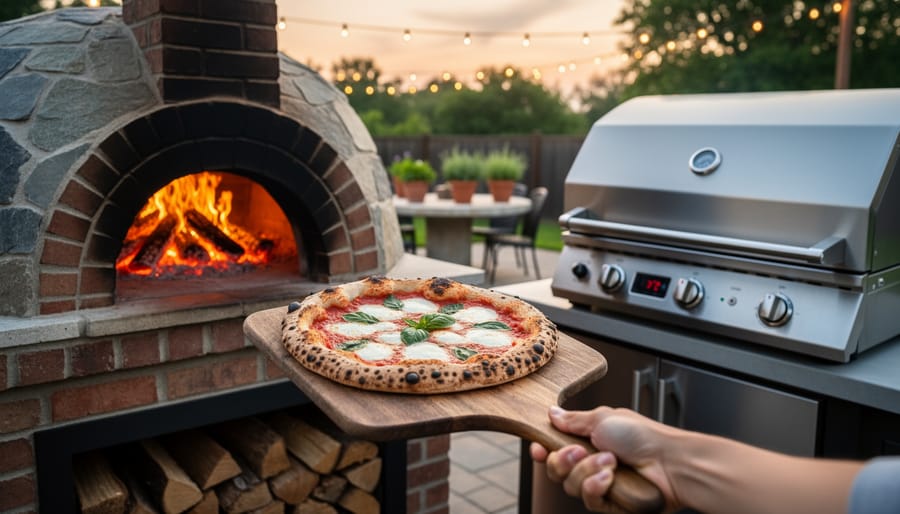


Picture yourself sliding a perfectly charred Margherita from your backyard pizza oven on a warm summer evening, the aroma drawing neighbors to your patio. Before that dream becomes reality, you need to make a crucial choice: wood-fired or gas? Both outdoor cooking systems create restaurant-quality pizzas at home, but they deliver distinctly different experiences that go far beyond just cooking temperature.
Wood-fired ovens offer that authentic smoky flavor and the primal satisfaction of tending a real fire, creating an experience that transforms pizza night into a full sensory event. Gas ovens counter with push-button convenience and precise temperature control, letting you go from zero to pizza-ready in fifteen minutes instead of forty-five. The gap between them isn’t just about fuel source; it touches everything from your weekend routine to your budget, from the learning curve you’re willing to tackle to the flavor profile you crave.
This comparison cuts through the marketing hype to examine what actually matters: upfront costs versus long-term fuel expenses, the reality of maintenance demands, how each performs in different weather conditions, and most importantly, whether that wood-fired flavor justifies the extra effort. Whether you’re a weekend warrior seeking simplicity or a fire enthusiast who values the ritual as much as the result, understanding these practical differences ensures your investment matches your lifestyle.
The Heart of the Debate: Flavor vs Convenience
Choosing between a wood-fired and gas pizza oven isn’t just about cooking—it’s about defining your outdoor cooking experience and lifestyle. At its heart, this decision comes down to a fundamental trade-off: the authentic, smoky flavor and crackling ambiance of wood-fired cooking versus the consistent, controllable simplicity of gas power.
For many homeowners, a wood-fired oven represents the romantic ideal of traditional pizza making. There’s something undeniably special about tending a live fire, watching flames dance across the oven dome, and savoring that distinctive wood-smoke kiss in every bite. It transforms pizza night into an occasion, creating warmth and gathering space much like a traditional fireplace brings people together indoors.
Gas ovens, meanwhile, appeal to those who prioritize reliability and ease. They deliver restaurant-quality results with the push of a button, heat up quickly, and maintain steady temperatures without constant attention. For busy families wanting delicious pizza without the learning curve, gas provides an attractive path forward.
Understanding this core distinction helps you align your choice with how you actually live and cook. The right oven complements your routine rather than complicating it, while still delivering the joy of outdoor cooking you’re seeking.
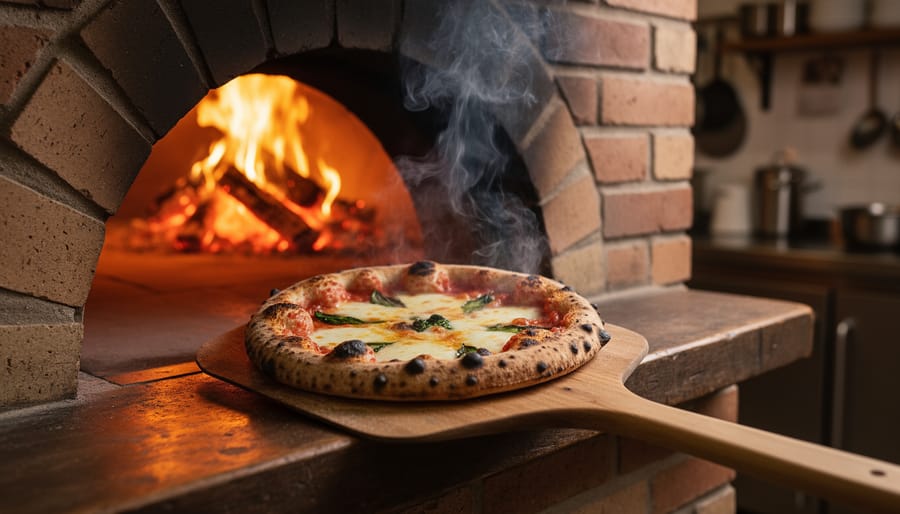
Wood-Fired Pizza Ovens: The Traditional Choice
The Unmistakable Flavor Advantage
There’s something truly magical about wood-fired pizza that gas simply can’t replicate. The secret lies in the aromatic wood smoke that gently infuses your pizza as it cooks, creating complex flavor layers that elevate every bite. Different woods bring their own personality to the party—hickory adds a robust, hearty note, while fruitwoods like apple or cherry contribute subtle sweetness that beautifully complements tomato sauce and cheese.
Beyond the taste, wood-fired cooking carries a romantic, almost primal appeal that transforms pizza-making into an experience rather than just a meal. The crackling flames, the warmth radiating from natural fire, and the hands-on process of tending your oven connect you to centuries of traditional cooking methods. It’s this authentic, artisanal approach that makes pizza purists insist on wood-fired ovens.
For homeowners who value the atmosphere and ritual of fire-based cooking, a wood-fired oven becomes more than a cooking tool—it’s a gathering place, a conversation starter, and a lifestyle element that brings people together. While gas offers convenience, it can’t match the sensory richness and time-honored tradition that draws passionate pizza makers to embrace the flame.
Temperature Control and Cooking Experience
Wood-fired pizza ovens offer an authentic cooking experience that gas models can’t quite replicate, though this comes with a steeper learning curve. These traditional ovens reach impressively high temperatures—often 800-900°F—creating those coveted charred crusts and smoky flavors that define true Neapolitan-style pizza. The heat retention qualities of brick and stone construction mean your oven stays hot longer, allowing you to cook multiple pizzas in succession without constantly tending the fire.
However, mastering wood-fired cooking takes practice. You’ll need to learn fire management, understand how to position pizzas for even cooking, and develop an instinct for reading temperatures without relying on digital displays. This hands-on approach transforms cooking into an engaging ritual—perfect for those who view outdoor cooking as a lifestyle element rather than just a meal preparation method.
Gas ovens, conversely, offer precise temperature control at the turn of a dial, making them ideal for beginners or those seeking convenience. While they heat up quickly and maintain consistent temperatures effortlessly, they sacrifice some of that artisanal charm and smoky depth that makes wood-fired cooking so special.
The Reality of Wood-Fired Maintenance
Let’s be honest about what wood-fired pizza ovens require: they’re a commitment, not a convenience. Before your first pizza emerges from that beautiful dome, you’ll need 30 to 45 minutes of heat-up time while you carefully build and maintain your fire. This isn’t a quick weeknight solution when you’re hungry after work.
Then there’s the fuel itself. Quality hardwood needs proper storage—a dry, covered space where it can season and remain moisture-free. You’ll develop relationships with wood suppliers or spend weekends splitting logs, which many enthusiasts find rewarding as part of the overall experience. It becomes a lifestyle element that connects you to traditional cooking methods and sustainable practices.
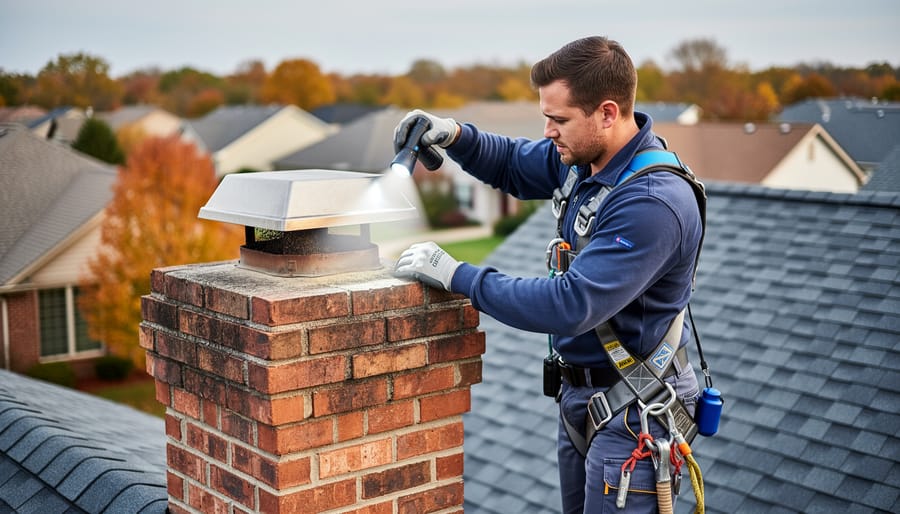
After each cooking session, you’re scooping out ash, wiping down surfaces, and checking for creosote buildup. The chimney requires periodic inspection and cleaning to maintain both safety and performance. These aren’t difficult tasks, but they’re non-negotiable.
For those who view fire-tending as meditative rather than tedious, these requirements enhance the experience. You’re not just cooking; you’re participating in an age-old ritual. But if maintenance feels like a chore rather than charm, a wood-fired oven might become an expensive backyard ornament.
Who Should Choose Wood-Fired?
Wood-fired ovens are perfect for those who view outdoor cooking as more than just preparing meals—it’s a lifestyle experience. If you’re a cooking enthusiast who loves the ritual of building a fire and appreciates the authentic, smoky flavor that only real wood can deliver, this is your ideal match. Weekend entertainers will find wood-fired ovens create a natural gathering point, transforming pizza night into an event where the cooking process itself becomes entertainment.
You’ll also need practical considerations in place. Homeowners with adequate outdoor space for storing seasoned wood and patience for the longer heating process will thrive with this option. If you prioritize flavor authenticity above convenience and don’t mind the extra effort involved in fire management, wood-fired cooking offers unmatched satisfaction. This choice suits those who embrace slower, more intentional cooking methods and appreciate the crackling ambiance of a real fire as part of their outdoor living experience.
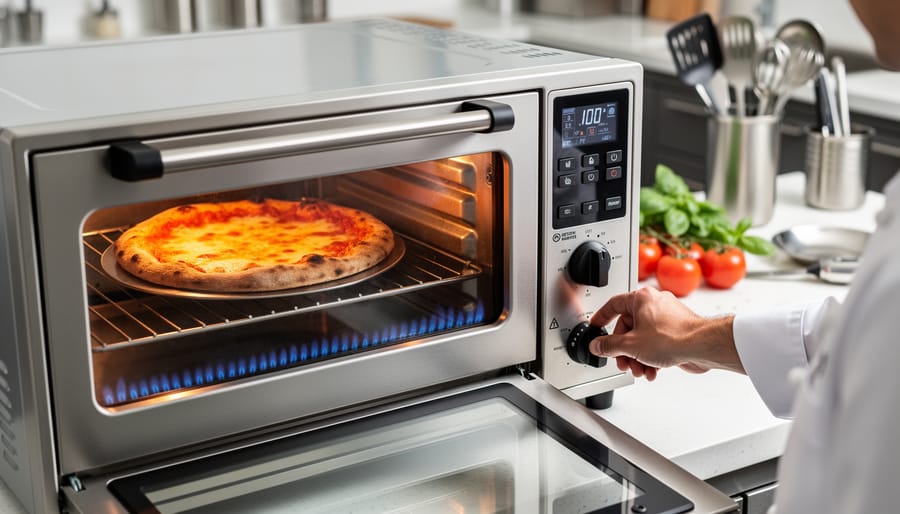
Gas Pizza Ovens: Modern Efficiency Meets Outdoor Cooking
Convenience That Changes Everything
There’s something liberating about deciding to make pizza on a Tuesday evening and actually following through. With gas pizza ovens, that spontaneity becomes reality. A simple turn of the dial brings instant ignition—no gathering kindling, no waiting for logs to catch, no hoping the wind cooperates with your fire-starting efforts.
The convenience extends beyond ignition. Modern gas cooking equipment offers precise temperature control through adjustable burners, letting you dial in the exact heat your pizza needs. Most gas ovens reach optimal cooking temperature in just 15-20 minutes, transforming pizza night from a weekend production into a viable weeknight option.
This ease of use means you’ll actually use your oven more often. There’s no cleanup of ash, no storing firewood, and no learning curve for fire management. You simply preheat, cook, turn off the gas, and you’re done. For busy families or those new to outdoor cooking, this simplicity removes barriers that might otherwise keep your pizza oven gathering dust. The convenience factor alone has converted many skeptics into regular pizza makers, proving that sometimes the best cooking tool is the one you’ll actually reach for.
Consistent Results, Every Time
If you’re new to pizza making or simply value consistency in your cooking, a gas pizza oven offers a significant advantage. With gas, you’re essentially removing the guesswork from the equation. The temperature you set is the temperature you get, and it stays that way throughout your cooking session.
This predictability is a game-changer for beginners. There’s no need to learn fire management techniques, understand different wood varieties and their burn rates, or master the art of maintaining steady heat. You simply turn a dial, wait for your oven to preheat, and start cooking. The results? Remarkably consistent pizzas, time after time.
For homeowners who want restaurant-quality results without the steep learning curve, gas ovens provide immediate gratification. You’ll spend less time troubleshooting temperature fluctuations and more time perfecting your dough recipe and topping combinations. While wood-fired cooking certainly has its appeal as a skill to master, gas ovens let you focus on the pizza itself rather than managing the fire beneath it.
The Flavor Question
Let’s be honest here: wood-fired ovens do produce a subtly different flavor profile. The wood smoke adds a delicate, almost earthy complexity that purists notice and love. But here’s the reality—gas ovens create outstanding pizza that most people, including many professionals, find absolutely delicious. The difference isn’t about good versus bad pizza; it’s about nuanced flavor characteristics that matter more in some situations than others.
When does it matter? If you’re a pizza enthusiast who treasures that authentic, traditional experience and plans to use your oven frequently, wood-fired might be worth pursuing. When doesn’t it matter? For most backyard gatherings, family pizza nights, and casual entertaining, gas delivers exceptional results that’ll have everyone asking for seconds. The crispy crust, perfectly melted cheese, and charred edges come from high heat and proper technique—both oven types deliver on these essentials. Think of it this way: the cooking method creates amazing pizza, while fuel choice adds subtle finishing touches. Your guests will remember the experience of gathering around the fire and sharing great food, not debating smoke particles.
Who Should Choose Gas?
Gas pizza ovens are perfect for busy families who want delicious homemade pizza without the time commitment of traditional wood-fired cooking. If you’re juggling work schedules, kids’ activities, and everyday life, the convenience of pushing a button and having your oven ready in 15-20 minutes is genuinely liberating.
Beginners will find gas ovens far less intimidating. There’s no learning curve for fire management, no concerns about different wood types or smoke control, and temperature adjustments are as simple as turning a dial. You can focus entirely on perfecting your dough and toppings rather than mastering fire-building techniques.
Limited outdoor space is another practical consideration. Gas ovens typically have a smaller footprint and eliminate the need for storing seasoned firewood, which can take up significant room in your yard or garage. For urban dwellers with compact patios or balconies, this makes all the difference.
If consistent results matter more to you than rustic authenticity, gas delivers predictable performance every time. You’ll still create restaurant-quality pizza with that characteristic char and crispy crust, just without the romantic ritual of tending flames. This approach treats your pizza oven as a practical cooking appliance rather than a weekend experience, and there’s absolutely nothing wrong with choosing efficiency over tradition.
Side-by-Side: How They Really Compare
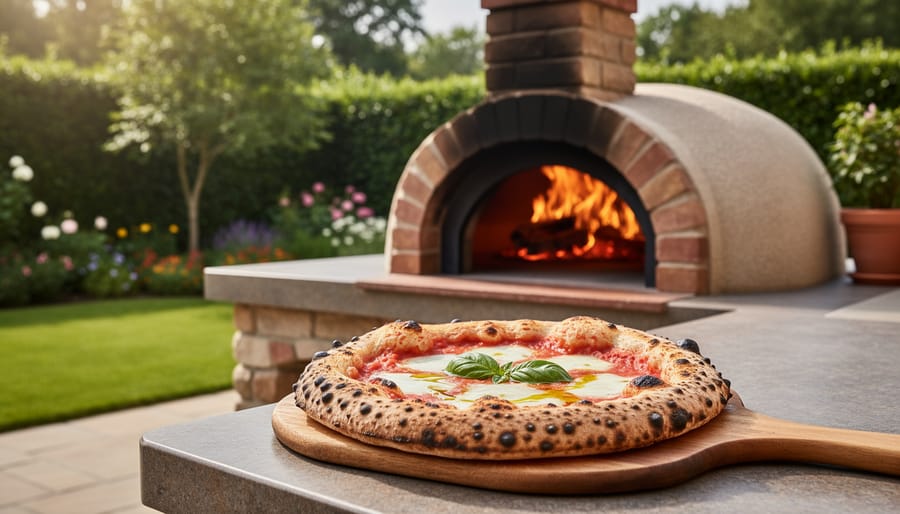
Upfront and Operating Costs
Your initial investment differs significantly between these two options. Wood-fired ovens typically range from $500 for basic models to $5,000+ for premium brick or masonry units, while gas pizza ovens generally cost between $300 and $3,000. However, the upfront price is just the beginning of the story.
Operating costs tip the scales differently. Wood or hardwood pellets will run you approximately $30-50 monthly if you’re firing up your oven regularly, whereas propane costs about $15-25 for the same usage. Natural gas connections offer even lower ongoing expenses, sometimes half the cost of propane.
Long-term value depends on your lifestyle priorities. Wood-fired ovens often become cherished focal points for gatherings, potentially adding appeal to your outdoor living space. They require minimal mechanical maintenance but demand more of your time and attention. Gas ovens offer convenience and lower fuel costs, though they may need occasional repairs to valves and ignition systems. Consider which investment aligns with how you envision using this wonderful addition to your home.
Installation and Space Requirements
Before bringing either pizza oven style into your backyard, understanding the space requirements is essential for a successful setup.
Wood-fired ovens demand thoughtful placement considerations. You’ll need a level, heat-resistant surface that can support substantial weight, often 500-800 pounds for built-in models. Proper overhead clearance and distance from structures ensure safety, while adequate ventilation prevents smoke buildup. Perhaps most importantly, you’ll need convenient wood storage nearby to keep seasoned hardwood dry and accessible. Think about creating a dedicated wood shelter within easy reach of your cooking area.
Gas ovens offer more flexibility in placement since they’re typically lighter and produce minimal smoke. If using natural gas, you’ll need professional installation of a gas line to your outdoor space. Propane models provide even greater freedom, requiring only a standard tank positioned safely beside the unit.
Both options benefit from placement near your outdoor entertaining area, creating that inviting gathering spot where cooking becomes part of the experience. Consider prevailing winds, proximity to your kitchen, and how the oven integrates into your outdoor living lifestyle.
Environmental Impact and Sustainability
When it comes to environmental impact, both oven types have distinct considerations worth exploring. Wood-fired ovens produce visible smoke and particulate emissions, though the actual environmental footprint depends largely on your fuel choice. Sustainably sourced hardwoods or fruit woods from local suppliers offer a more eco-conscious option than commercially kiln-dried alternatives. Some enthusiasts even repurpose fallen branches or orchard trimmings, creating a truly sustainable cycle.
Gas ovens burn cleaner with fewer visible emissions, making them neighborhood-friendly choices. Natural gas generally has a lower carbon footprint than propane, though availability varies by location. Propane requires regular tank replacements and transportation, adding to its environmental considerations.
For those passionate about reducing their impact, consider seasoning wood properly to minimize smoke production, or explore hybrid models that give you flexibility. Installing wind guards and proper ventilation helps both oven types operate more efficiently. Remember, the most sustainable choice often depends on your local resources—accessing renewable wood sources nearby might make wood-firing more eco-friendly than trucked-in propane. Whatever you choose, mindful operation and quality fuel selection make the biggest difference in your outdoor cooking lifestyle.
Safety Considerations
Safety should be your top priority when choosing and operating either oven type. Wood-fired ovens require mindful attention to fire safety practices. You’ll need proper clearances from combustible materials—typically at least 36 inches from structures and overhanging branches. Always use seasoned hardwood to minimize creosote buildup and sparking, and keep a fire extinguisher nearby. Regular chimney cleaning prevents dangerous flare-ups and ensures proper ventilation.
Gas ovens come with their own considerations, primarily around gas leak prevention. Install a quality gas line with professional help, never attempt DIY gas connections. Check connections regularly using soapy water to detect leaks, and ensure your oven has proper ventilation even though it produces fewer emissions than wood. Both oven types need stable, level foundations to prevent tipping hazards.
Regardless of which option you choose, establish a safety zone around your oven—keeping children and pets at a safe distance during operation. Consider your oven as you would an indoor fireplace: a beautiful lifestyle element that deserves respect and proper handling to provide years of safe enjoyment.
The Best of Both Worlds: Hybrid Pizza Ovens
If you’re finding it difficult to choose between the romance of wood-fired cooking and the convenience of gas, there’s good news: you don’t have to pick just one. Hybrid pizza ovens offer the best of both worlds, giving you the flexibility to cook with wood when you want that authentic smoky flavor and switch to gas when time is tight or convenience matters more.
These innovative ovens are designed with dual-fuel capability, typically featuring a gas burner system that heats the oven quickly and efficiently, plus the option to add wood for flavor enhancement. Some models let you use both fuels simultaneously, while others require you to choose one or the other for each cooking session. The gas component handles the heavy lifting of temperature control, while wood chunks or chips provide that sought-after smokiness and visual ambiance.
The benefits are compelling for homeowners who value versatility. You can host a casual weeknight dinner using gas for quick, consistent results, then create a memorable weekend gathering with the crackling warmth and aromatic appeal of wood-fired cooking. It’s like having two ovens in one, adapting to your lifestyle rather than forcing you to compromise.
The main consideration is cost. Hybrid ovens typically run 20-40 percent more than single-fuel options, and you’ll need both gas hookup infrastructure and wood storage solutions. For many families, though, this investment pays dividends in flexibility and long-term satisfaction. You’re essentially future-proofing your outdoor cooking space, ensuring it can accommodate different occasions, skill levels, and time constraints. If your budget allows and you genuinely anticipate using both fuel options, a hybrid oven represents a smart middle ground that enhances your outdoor living experience without limiting your choices.
Making Your Decision: A Practical Framework
Choosing between wood-fired and gas ultimately comes down to what fits your lifestyle and what you value most in your outdoor cooking experience. Let’s walk through some honest questions that’ll help guide your decision.
Start with frequency. How often will you realistically use this oven? If you’re planning weekly pizza nights with family and friends, a gas oven’s convenience makes those regular gatherings effortless. But if this is more of a weekend ritual or special occasion centerpiece, the extra effort of wood-firing might feel like part of the experience rather than a burden.
Consider your relationship with fire. Do you already maintain a fireplace or fire pit? Do you enjoy tending flames and find the process meditative? If so, wood-firing will feel natural. If you’d rather focus entirely on cooking technique and socializing, gas removes those variables.
Budget matters, both upfront and ongoing. Gas ovens typically cost more initially but burn cleaner with predictable fuel costs. Wood ovens are often more affordable to purchase, though quality firewood adds up over time. Factor in your local wood availability and prices.
Space is practical. Do you have covered storage for firewood? Is your outdoor area well-ventilated for smoke?
Finally, be honest about flavor priorities. If authentic, smoky char is non-negotiable and you’re chasing that artisanal pizzeria experience, wood delivers something gas simply cannot replicate. But if convenience with excellent results satisfies you, gas won’t disappoint.
There’s no wrong choice, just the right fit for your home and lifestyle.

Here’s the truth: there’s no universally superior choice between wood-fired and gas pizza ovens. The right decision comes down to what matters most in your unique situation. If you crave that authentic, smoky flavor and don’t mind dedicating time to fire-tending, a wood-fired oven will reward you with an incomparable pizza experience and become a centerpiece of your outdoor cooking lifestyle. If convenience, consistency, and quick weeknight dinners top your priority list, a gas oven delivers exceptional results without the learning curve or prep time.
Consider your budget, available space, local regulations, and how often you’ll realistically use your oven. Think about whether you’re drawn to the ritual of building a fire or prefer pushing a button and getting cooking. Both paths lead to delicious homemade pizza and countless gatherings with friends and family.
Whatever you choose, remember that the best pizza oven is the one you’ll actually use. Whether it’s fed by crackling wood or clean-burning gas, your oven will become more than just a cooking tool. It’s where memories are made, where conversation flows freely, and where the simple act of sharing food around the fire brings people together. Embrace whichever option speaks to your heart, and start creating those unforgettable moments in your own backyard.