

Understanding what medium heat on a stove actually means is one of the most fundamental skills in cooking, yet it’s surprisingly difficult to pin down. Unlike ovens with precise temperature dials, stovetops operate on relative scales that vary significantly between gas, electric, and induction models. This ambiguity leads to inconsistent results and frustration for home cooks trying to follow recipes accurately.
Medium heat on a stove typically corresponds to a temperature range of 300-375°F at the pan surface, though the exact medium heat temperature stove output depends on your burner type, cookware, and specific appliance model. More importantly, it represents the heat level where food cooks steadily without burning, making it ideal for sautéing vegetables, searing proteins, and simmering sauces.
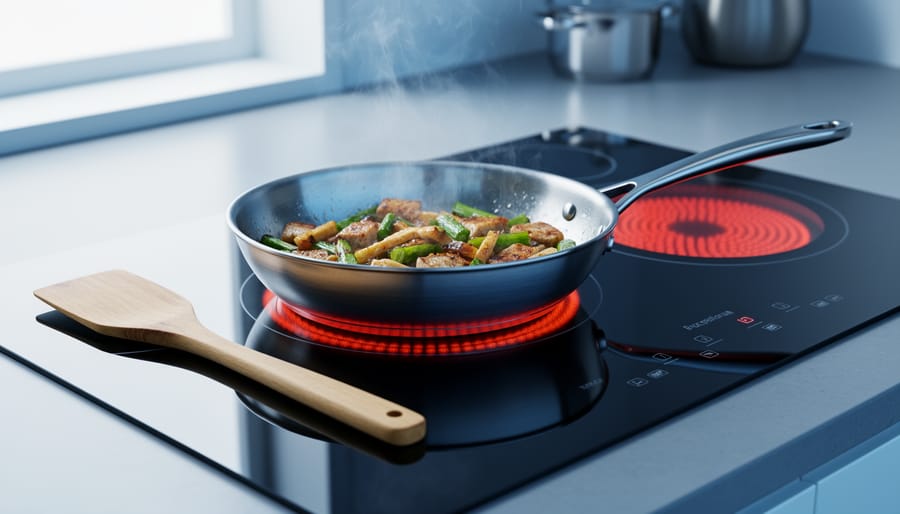
This guide will clarify what medium heat really means across different stove types, how to identify what is medium heat on stove top controls for your specific appliance, and why mastering this temperature zone improves your cooking outcomes. Whether you’re working with a gas stove an electric burner or an induction cooktop, you’ll learn reliable methods to dial in the right heat level every time.
What Is Medium Heat on a Gas Stove?

Cooks can be inexperienced, expert, or somewhere in between.
Whether you are just starting out your cooking or have been cooking for years, it’s important to grasp what medium heat is. When you are in the kitchen, especially when it comes to baking, it’s easy to get lost in the details and overlook the big picture.
So here are some tips that should help both newbies and seasoned professionals alike:
- If you are an inexperienced cook who has never cooked with a thermometer before, now might be a good time to invest in one. A good thermometer will allow you more precision when measuring oven temperature and cooking times.
- Experienced cooks are more likely than novices to adjust their oven temperatures based on how their food behaves in the oven. They know how long recipes take at various temperatures; they know how high or low their ovens tend to fluctuate; they understand which foods need longer baking times than others; etcetera.
But no matter where you are in your culinary endeavors, there are some things that we all have to learn. You need to learn and practice cooking, even if it’s just making popcorn or boiling water for tea. And if you are looking for somewhere to start, why not learn how to use your stove?
A stove is a common appliance in kitchens around the world. It heats up pots of water and heats food directly on its surface with four or five settings:
- Low (1 or 2)
- Medium (3)
- Medium-high (4 or 5),
- High (6)
- Off (7)
The numbers are different for each stove and should be located on your stove’s surface. Some stoves have more than five settings—the highest number will usually be 9, 10, or 11. This is called the “High Heat” setting and is used for searing meat.
Medium heat is a good setting for many foods. However, you may want to avoid it if you make delicate dishes like eggs or fish. The same goes for thick cuts of meat—if the pan is too hot, they can burn before they cook all the way through.
If you are not sure what stove setting to use, start at low and work your way up until things look right.
The Medium Heat Setting on a Stove

The medium setting is always right in the middle, but what does this actually mean?
Stove-top heat is measured by degrees Fahrenheit (°F) and it is imperative to know how many degrees you set your stovetop. That will help you understand which foods you should cook with different heat levels.
Most people consider medium heat on a stove top to be around 345 °F or 180 °C. As far as numbers go, that may seem low compared to other temperatures like high or low. But while these numbers might look different when they appear on your stove-top dials, they all mean pretty much the same thing: medium heat is generally “medium.”
Medium Heat on a Stove – 345° F
Medium heat on a stovetop tends to mean something around 345 degrees Fahrenheit. That’s roughly medium-high and high, but not as hot as high heat. It is also not too cold, so keeping your food from burning at this temperature should be pretty easy if you are careful with your cooking time and method.
How Hot Is Medium Heat on A Stove?
The temperature range for medium heat on a stove can vary depending on the stove. It typically ranges between 300-375°F (150-190°C). It’s important to note that different stoves and cookware can have variations in heat output and conductivity. As a result, it’s always a good idea to use a kitchen thermometer to ensure you cook your food to the desired temperature.
You may also read:
- 11 Most Common Gas Stove Problems
- Brass Burners Vs. Stainless Steel Stove Burners
- 10 Reasons Why Do Chefs Like Gas Stoves?
- What Happens If You Use Propane On A Natural Gas Stove?
- How Much Does a Stove Weigh
- How Hot Does a Stove Top Get
- Do Electric Stoves Use Gas?
- Can I Use Induction Pan on Gas Stove
- Do Home Buyers Prefer Gas Or Electric Stoves?
- Do Gas Stoves Have Pilot Lights?
- What is Auto Ignition Gas Stove?
- Can You Put Gas Stove Grates in Dishwasher?
- How To Clean Electric Stove Coil Tops?
- Do Gas Stoves Need to Be Vented
- Are Natural Gas and Propane Interchangeable
- Griddle for Glass Top Stove
What to Cook at Medium Heat
Medium heat is the workhorse setting for most everyday cooking. It’s perfect for foods that need thorough cooking without burning or foods that benefit from gentle, steady heat.
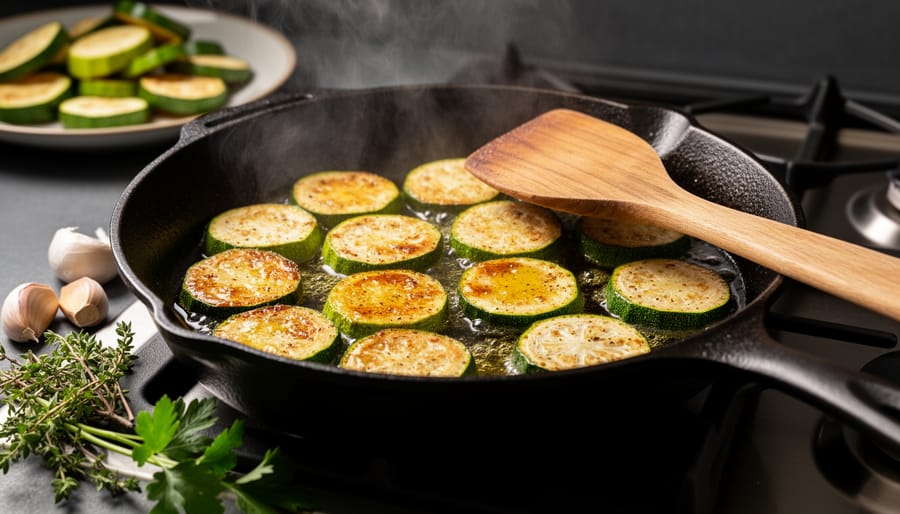
Sautéing vegetables is one of the most common uses for medium heat. Onions, bell peppers, mushrooms, and zucchini all develop better flavor and texture when cooked at this temperature. Plan on 5-8 minutes for most vegetables to soften and develop light caramelization. You’ll know the heat is right when vegetables sizzle gently and release moisture without browning too quickly at the edges. If they’re sitting silent in the pan, increase the heat slightly. If they’re darkening within the first minute or two, dial it back.
Chicken breasts and pork chops cook well at medium heat too. Aim for 6-8 minutes per side for chicken breasts about an inch thick, and 4-5 minutes per side for pork chops. The moderate temperature allows the interior to reach a safe temperature while developing a golden-brown exterior. Watch for steady, gentle sizzling and a gradual color change from the bottom up. If the heat’s too high, you’ll end up with a charred outside and raw center. Too low, and the meat will steam rather than brown, taking 50% longer to cook through.
Eggs benefit from medium heat, especially scrambled eggs and omelets. The proteins set properly without turning rubbery or brown. For scrambled eggs, expect 2-3 minutes of gentle stirring to reach creamy, soft curds. If butter immediately foams and browns when it hits the pan, reduce the heat before adding eggs. You’ll get creamy, evenly cooked results when small curds form gradually.
Pan sauces and reductions also work best at medium heat. The liquid reduces steadily over 5-10 minutes depending on volume, concentrating flavors without scorching the fond at the bottom of the pan. Proper reduction shows small, consistent bubbles across the surface. Large, rolling bubbles mean the heat’s too high and you’re losing delicate aromatics.
Pancakes and French toast are ideal candidates for cooking at medium heat. Each side needs about 2-3 minutes to cook through completely while the surface turns golden brown. Look for bubbles forming across the top surface before flipping pancakes. Lower heat takes too long and dries them out; higher heat burns the outside before the inside sets, leaving you with a raw, batter-filled center.
Toasting nuts and spices works well at medium heat. They release their oils and become fragrant without burning, usually within 3-5 minutes. Just keep them moving in the pan and watch them closely, since they can go from perfect to burnt quickly. You’ll notice the color deepening by one or two shades and smell a pronounced nuttiness when they’re ready.
Most foods for medium heat share a common trait: they need time to cook through, and rushing them with high heat causes problems. The telltale signs of proper medium heat are gentle, steady sizzling, gradual browning, and food that releases moisture without immediate darkening.
Conclusion
So there you have it. The answer to the question, what is medium heat on a stovetop? It’s just 350° Fahrenheit, which means that when you learn how to use your stove and figure out what this setting does for your cooking needs, you can be confident in knowing exactly what temperature range will have what effect on your food.