

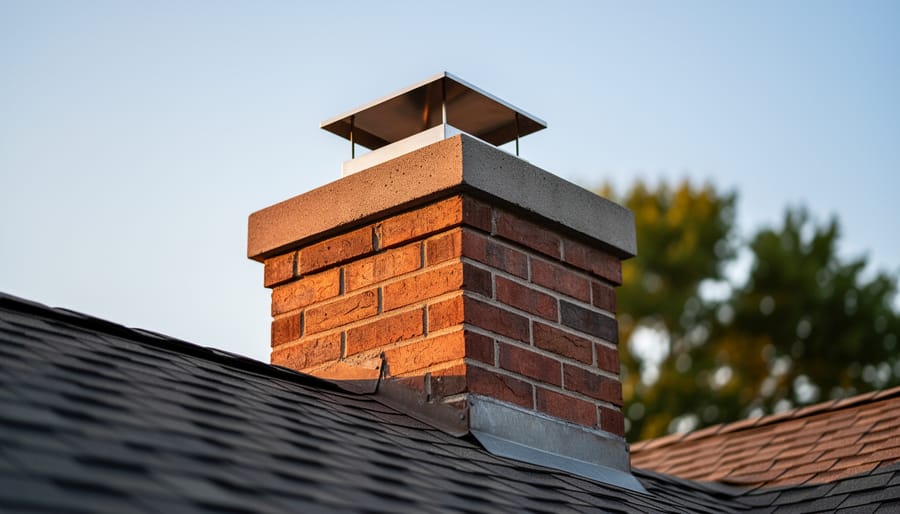
Understanding your chimney’s anatomy transforms you from a passive homeowner into an informed protector of your home’s heating system. Every component, from the visible crown at the rooftop to the hidden smoke chamber behind your firebox, plays a specific role in safely channeling smoke, preventing carbon monoxide buildup, and protecting your family from potential fire ... Read more
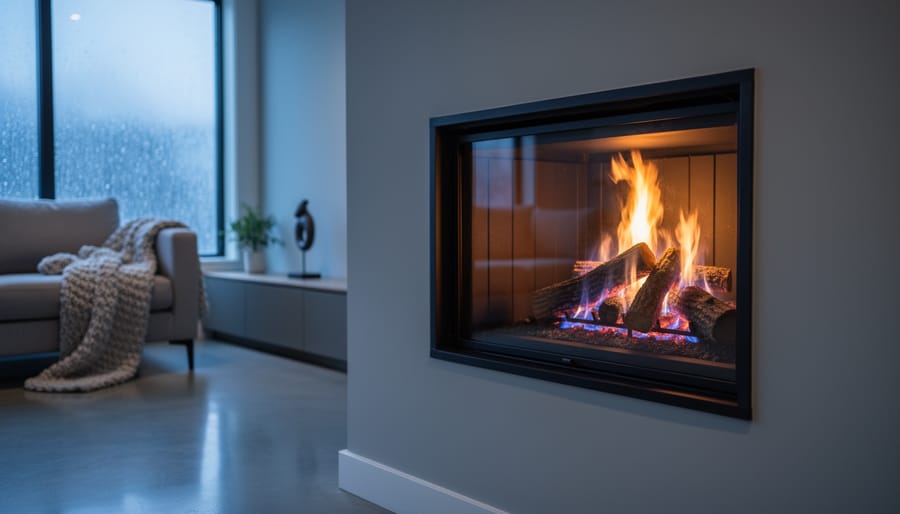
Gas fireplaces typically consume between 30,000 to 60,000 BTUs per hour, translating to roughly 0.3 to 0.6 therms of natural gas for each cozy evening by the flames. At current national averages, this means operating your fireplace costs anywhere from $0.30 to $2.00 per hour depending on your unit’s efficiency and local gas rates. The ... Read more
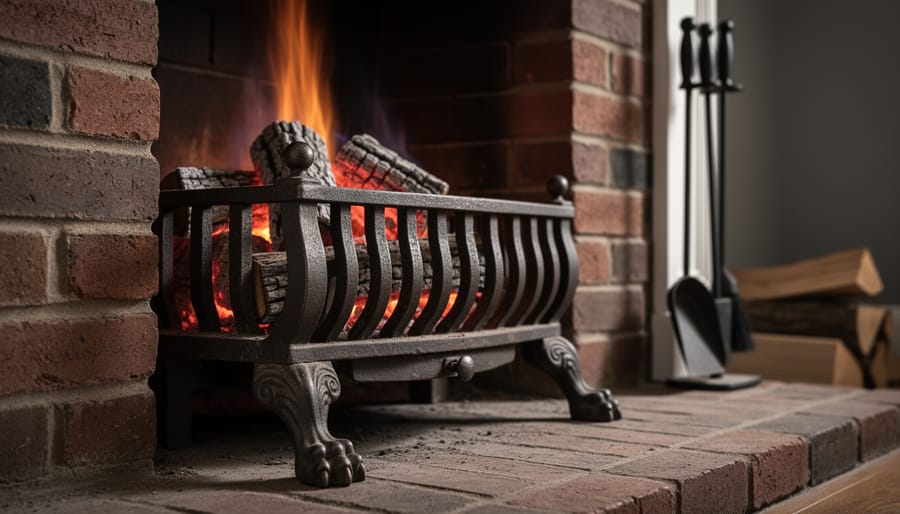
Examine the cast iron thickness and joint construction before purchasing any vintage fireplace grate—quality pieces from the early-to-mid 20th century typically feature metal at least half an inch thick with forge-welded or bolted connections that outlast modern thin-gauge alternatives. Run your hands along all bars checking for cracks, severe rust pitting, or warping that compromises ... Read more
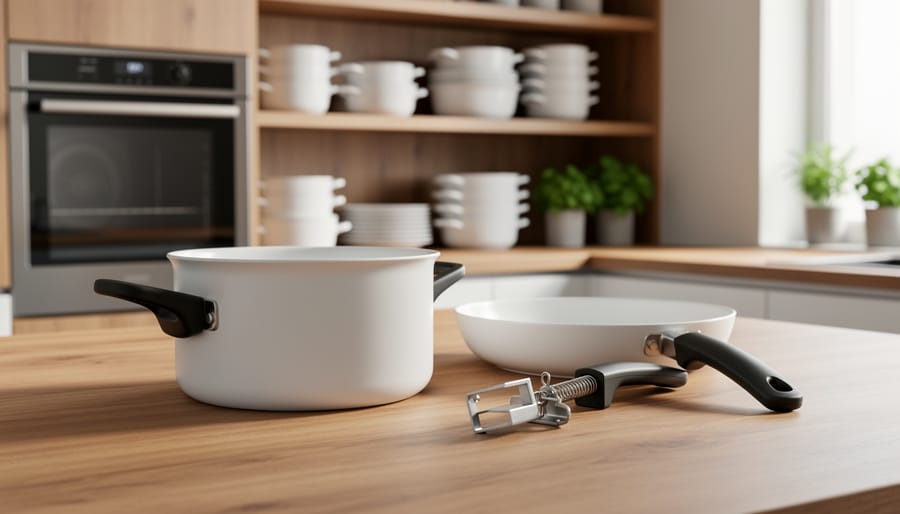
Ceramic cookware with removable handles represents a thoughtful evolution in kitchen design, merging the health-conscious benefits of non-toxic cooking surfaces with the practical versatility modern homes demand. These innovative pots and pans detach from their handles with a simple click mechanism, transforming seamlessly from stovetop to oven to table while occupying half the storage space ... Read more
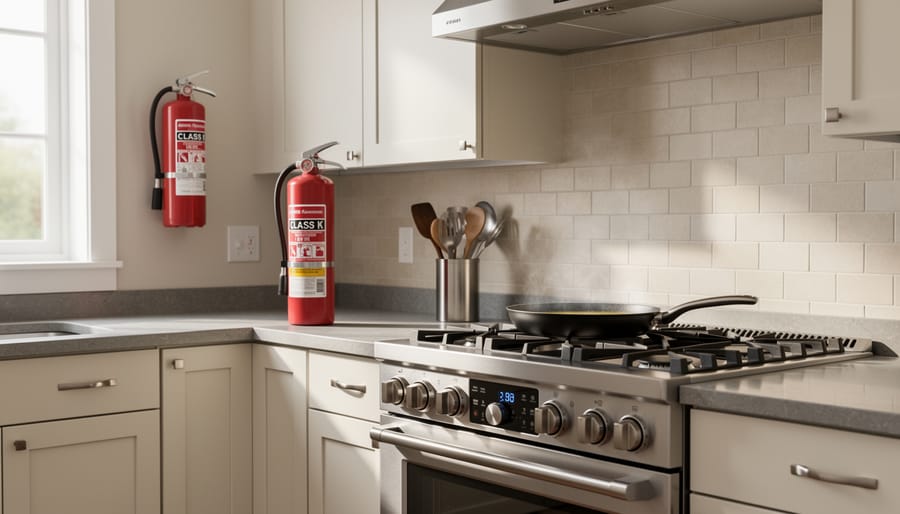
A grease fire erupts on your stovetop, flames dancing dangerously close to your cabinets. You reach for your standard fire extinguisher and spray – only to watch the fire spread as the pressurized agent scatters burning oil across your kitchen. This nightmare scenario happens because most home fire extinguishers simply aren’t designed for cooking fires ... Read more

Measure exactly 1/3 cup of popcorn kernels, 1-2 tablespoons of coconut or canola oil, and 1/4 teaspoon of popcorn salt for your 8oz kettle to achieve perfectly popped corn without burning or machine damage. Preheat your kettle for 3-4 minutes before adding ingredients together, allowing the oil to reach 400-460°F for optimal popping that protects ... Read more
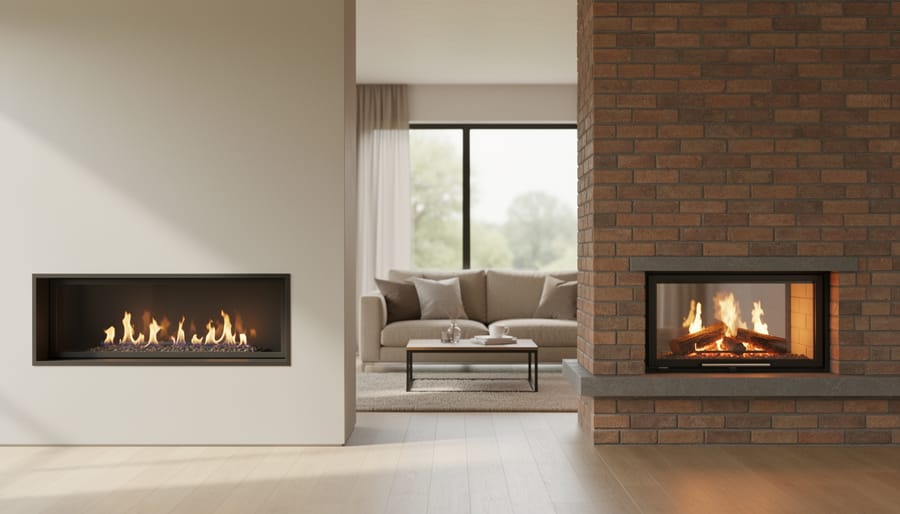
Standing in the fireplace aisle wondering whether to buy a gas fireplace or a gas fireplace insert isn’t just about picking between two similar products—you’re actually choosing between completely different heating solutions that will impact your home’s comfort, energy bills, and installation costs for decades to come. A gas fireplace is a self-contained unit installed ... Read more
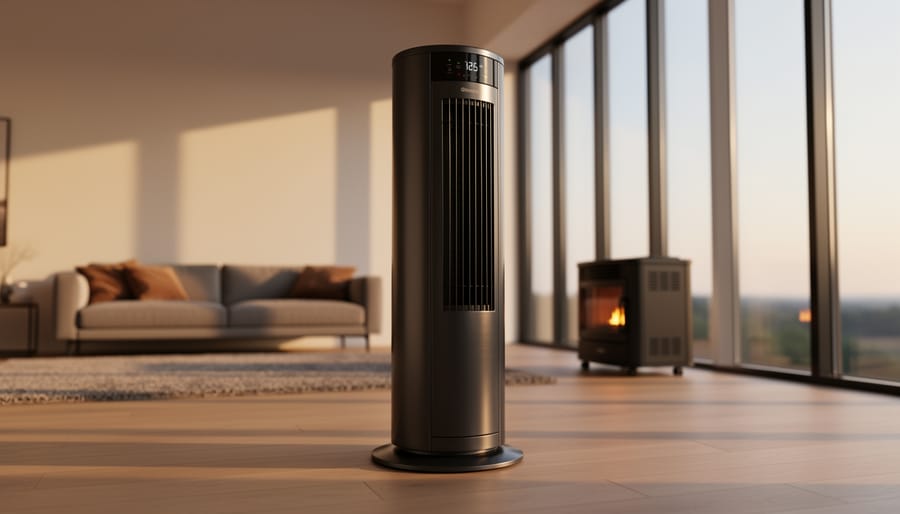
Consider your ceiling height and room layout before investing in a tall tower heater. These sleek, vertical units excel in rooms with high ceilings or open floor plans where traditional space heaters struggle to distribute warmth evenly. Their slim profile makes them ideal for tight spaces, tucking neatly into corners while delivering powerful heating through ... Read more
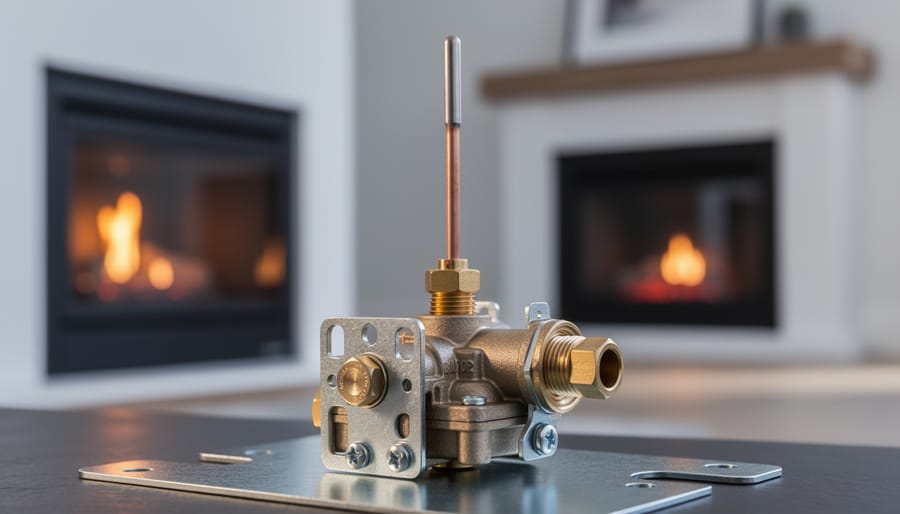
Your gas fireplace’s safety valve stands as the critical guardian between cozy comfort and potential danger, automatically shutting off gas flow when it detects unsafe conditions like flame failure or oxygen depletion. This essential component—often called a flame failure device or oxygen depletion sensor—works silently behind your fireplace’s elegant facade, monitoring conditions every second your ... Read more
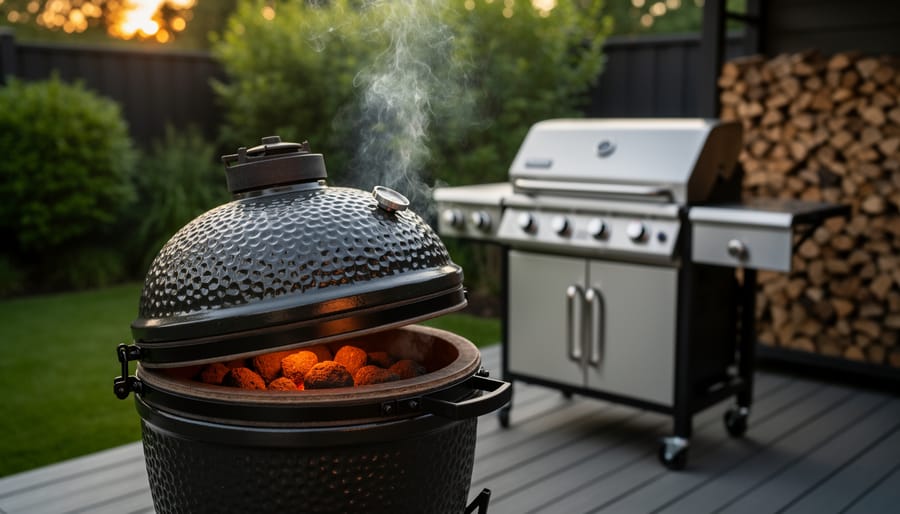
Picture yourself standing before two kamado grills at your local outdoor living store. One gleams with polished ceramic walls nearly two inches thick. The other showcases sleek, double-walled steel construction. Both promise exceptional cooking performance, but your choice will fundamentally shape your outdoor cooking experience for years to come. Ceramic kamado grills represent the traditional ... Read more



