

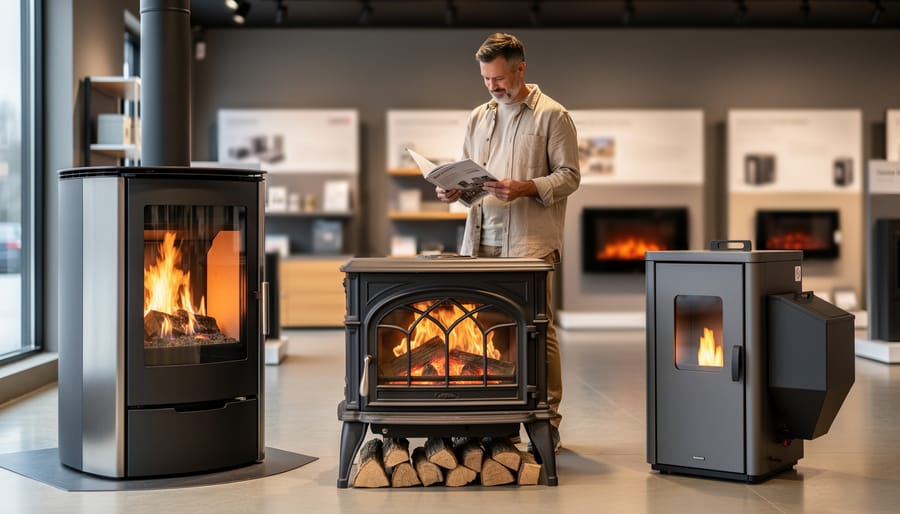
Choose your stove based on your home’s existing infrastructure and heating priorities. Gas stoves connect seamlessly if you already have natural gas lines, delivering instant heat control and consistent warmth even during power outages. Electric stoves require only a 240-volt outlet, making them the simplest installation in homes without gas access. Wood-burning stoves create unmatched ... Read more
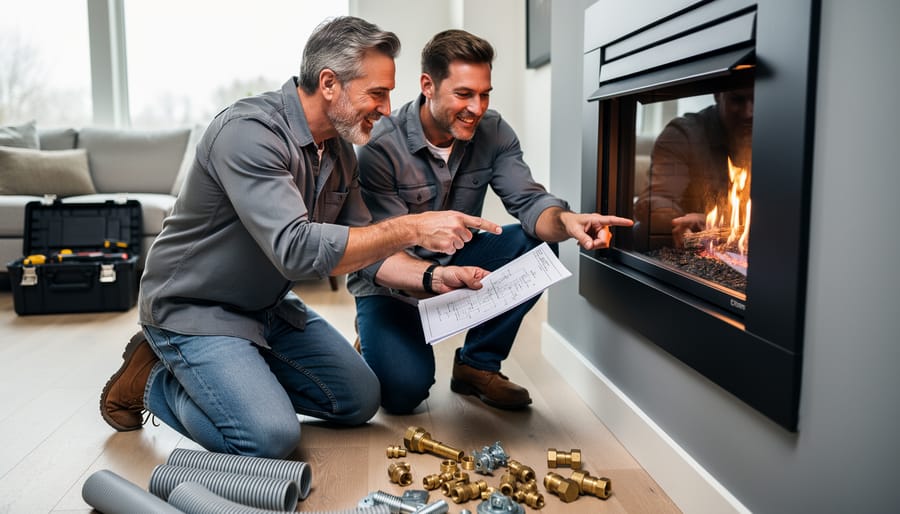
Review manufacturer schematics before any installation conversation begins—these technical blueprints show precise clearance requirements, venting configurations, and gas line specifications that determine whether your chosen fireplace fits your space. Understanding these diagrams transforms you from passive homeowner to informed collaborator when working with installers. Locate the venting system illustration first, as this single element dictates ... Read more
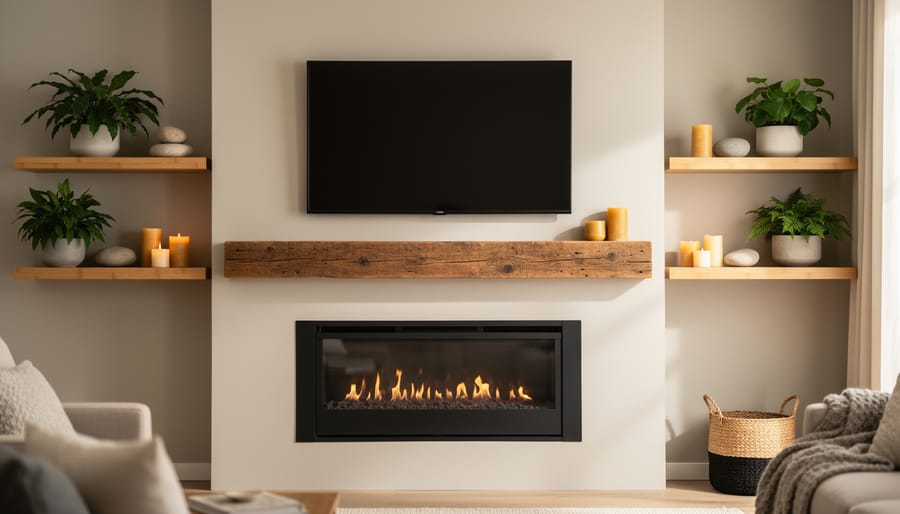
Balance your TV-above-fireplace setup by creating visual harmony between technology and traditional warmth. Frame the television with natural wood elements like reclaimed barn wood or sustainable bamboo shelving that draws the eye across the entire wall rather than focusing solely on the screen. This approach transforms what many consider a design challenge into an intentional ... Read more
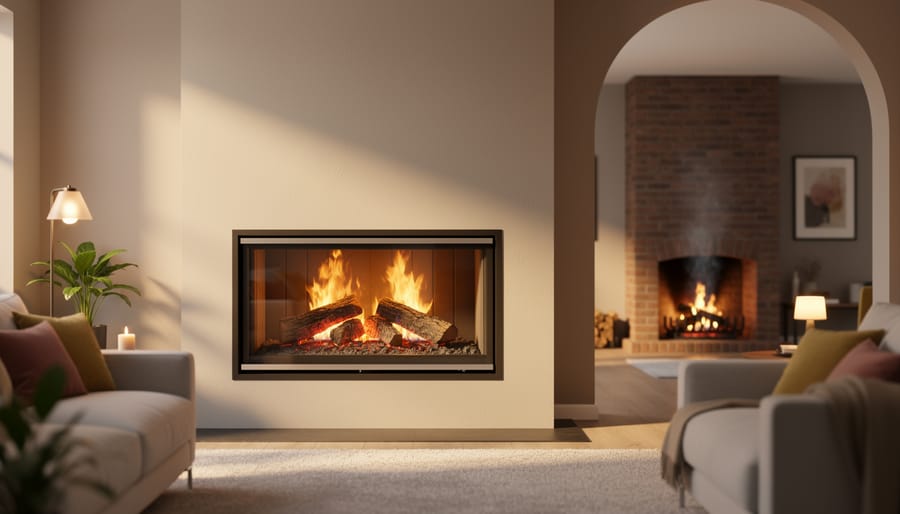
Understand the fundamental difference: a gas fireplace is a complete heating appliance that burns gas to create flames and warmth without needing wood, while a gas starter is simply an ignition device installed in a traditional wood-burning fireplace to light your logs more easily. This distinction matters because choosing between them means deciding between two ... Read more
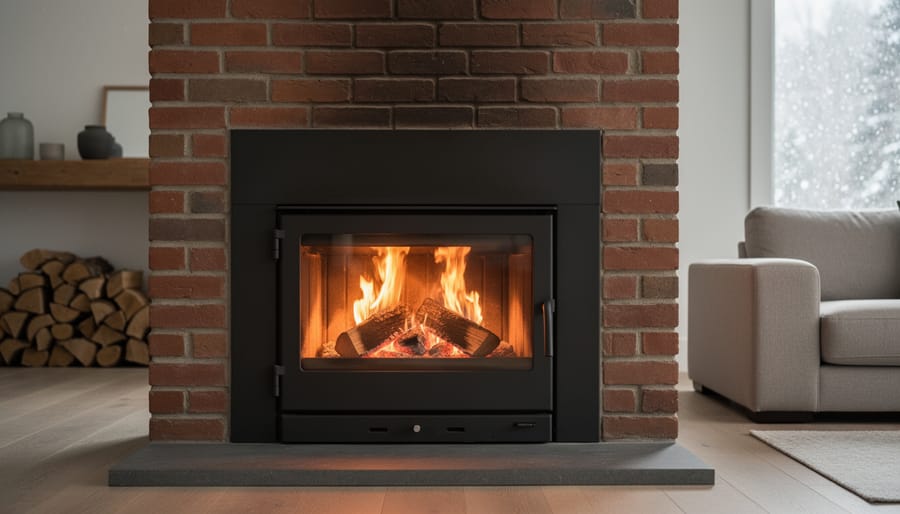
Transform your drafty, inefficient fireplace into a powerhouse heating system by installing a high-efficiency wood stove insert that can slash your heating bills by up to 50% while using two-thirds less wood. These engineered marvels combine advanced combustion technology with strategic design to extract maximum heat from every log, turning your decorative fireplace into a ... Read more
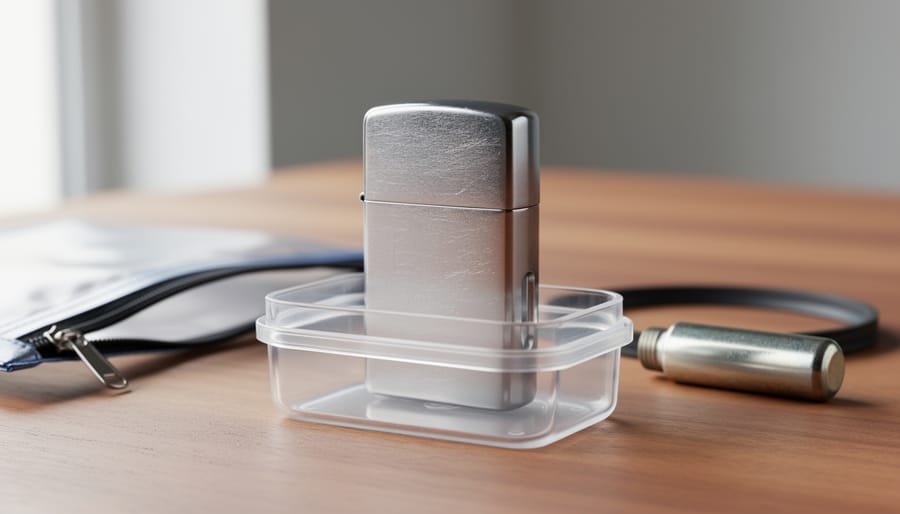
Store your Zippo upright in a sealed plastic bag or small airtight container between uses to dramatically slow fuel loss. The naphtha-based lighter fluid that gives your Zippo its reliable spark evaporates through the cotton wadding and wick even when the lid is closed, often leaving your lighter bone-dry within two weeks of filling. Replace ... Read more

Compare pellet brands by checking their BTU ratings—premium hardwood pellets typically deliver 8,200 to 8,500 BTUs per pound, giving you more heat for your money. Look for the Pellet Fuels Institute (PFI) certification stamp on the bag, which guarantees low ash content (under 1% for premium grade) and consistent moisture levels that prevent your stove ... Read more

Compare heat output ratings across models by checking BTU specifications—most quality 2-burner portable gas stoves deliver between 20,000-30,000 BTUs total, with each burner independently controlled for precise temperature management. Look for models with at least 10,000 BTUs per burner if you plan to boil water quickly or cook multiple dishes simultaneously. Evaluate portability features beyond ... Read more
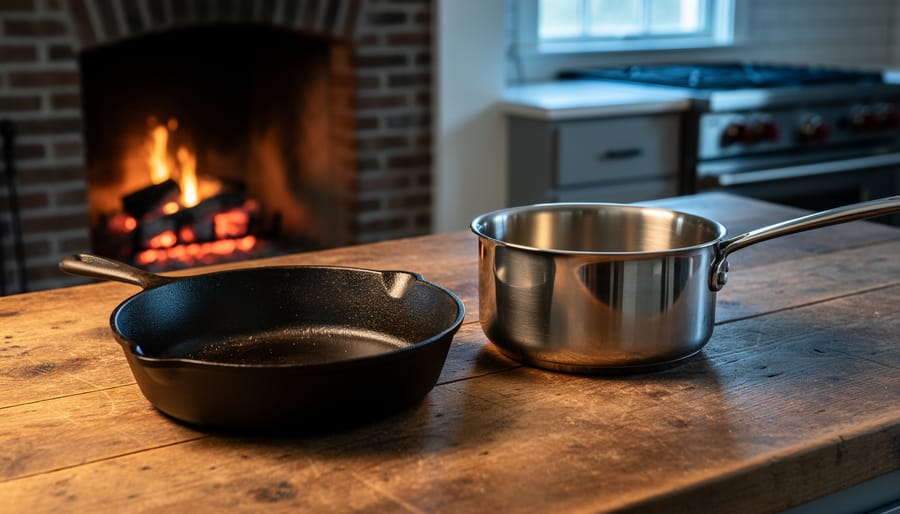
Compare cookware materials by testing heat distribution yourself: place a thin layer of flour in a pan over your fireplace grate or stovetop and watch how evenly it browns. Cast iron shows hot spots but retains heat beautifully for hearth cooking, while tri-ply stainless distributes warmth more uniformly but cools faster when moved from the ... Read more
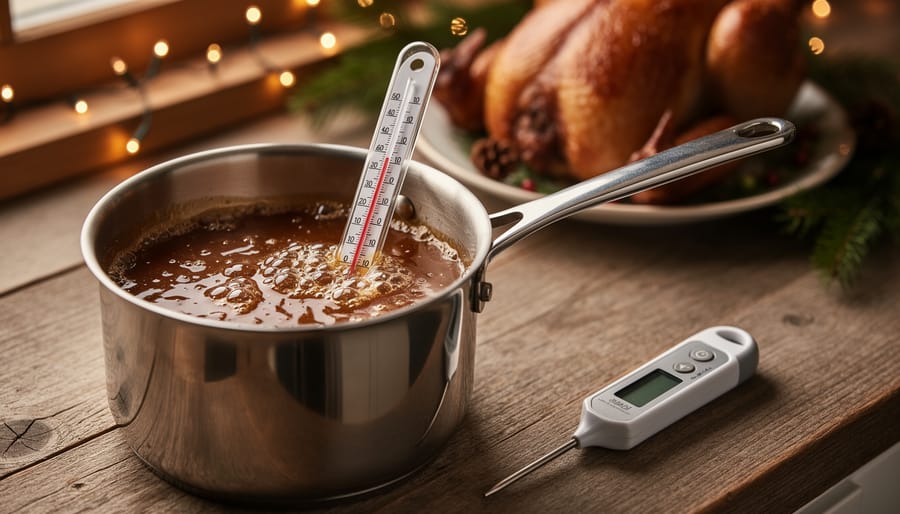
Reaching for a thermometer to check your perfectly roasted meat by the fireplace or testing that batch of homemade caramel requires the right tool, but many home cooks wonder if these two kitchen essentials are actually interchangeable. While both measure temperature, meat thermometers and candy thermometers serve distinctly different purposes in your cooking adventures. Meat ... Read more



