
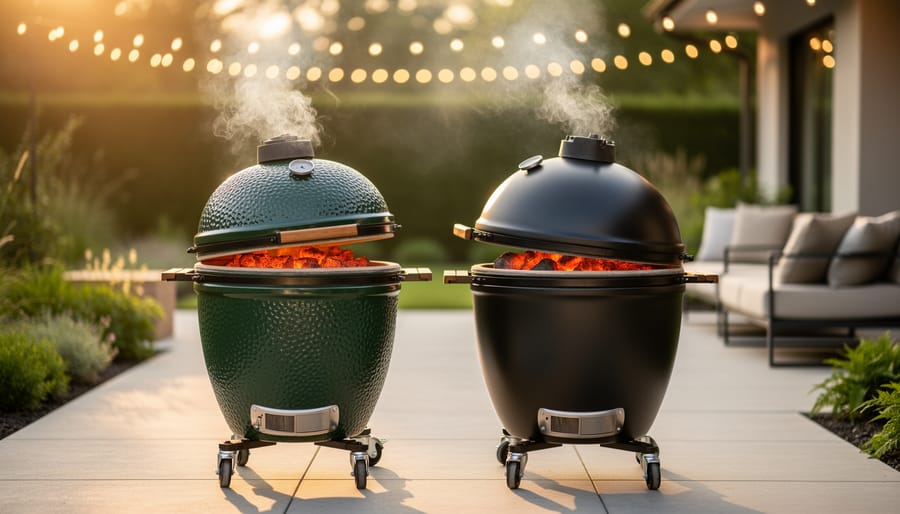
Standing in front of two kamado grills at your local outdoor store, you’re facing a question thousands of backyard cooking enthusiasts grapple with every year: Does the Big Green Egg’s iconic status and premium price tag deliver genuinely superior performance, or can alternative ceramic kamado brands give you the same exceptional cooking experience for hundreds ... Read more
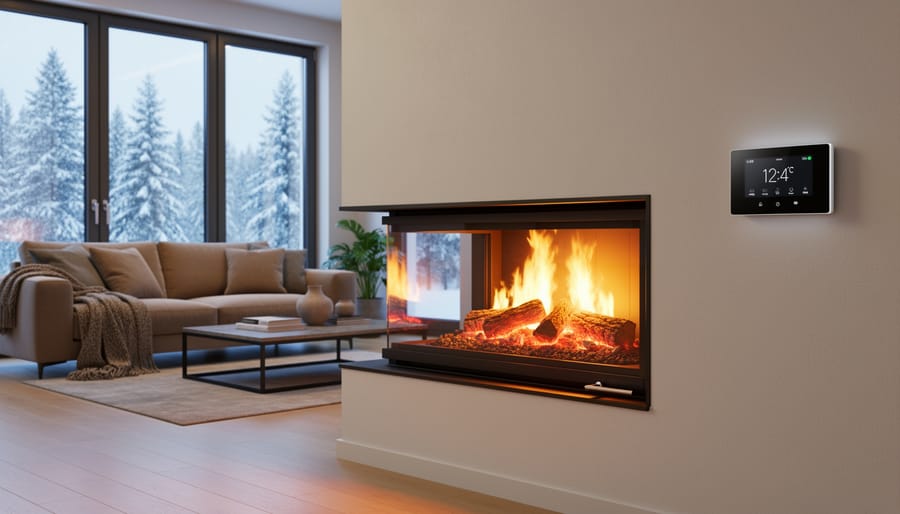
Upgrade your existing fireplace with a high-efficiency insert to reclaim up to 80% of heat that typically escapes through traditional open fireplaces, potentially cutting your heating costs by $500 or more annually. Install a programmable thermostat and zone heating strategy that keeps your main living areas at comfortable temperatures while reducing heat to unused spaces—fireplaces ... Read more
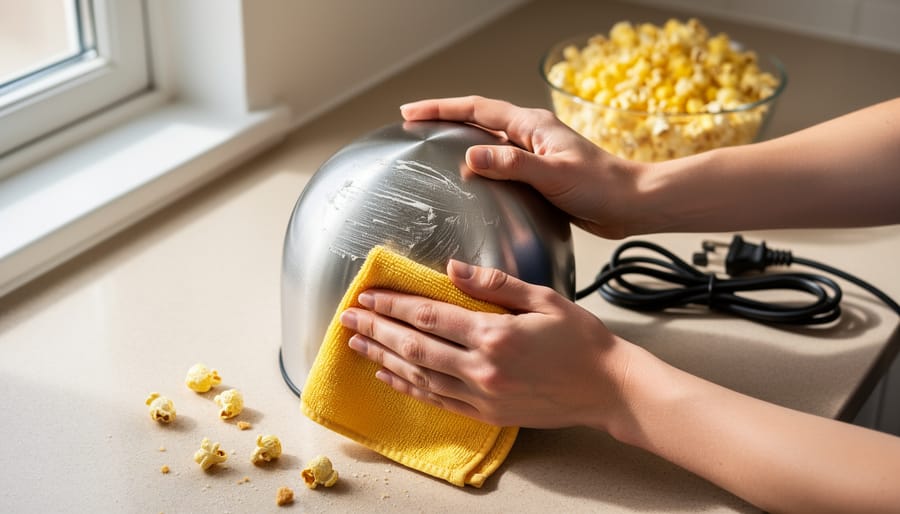
Unplug your popcorn maker and let it cool completely before attempting any cleaning to prevent electrical hazards and burns. Remove all loose kernels and popcorn debris by turning the unit upside down over a trash bin and gently shaking it, then use a dry microfiber cloth or soft brush to sweep out remaining particles from ... Read more
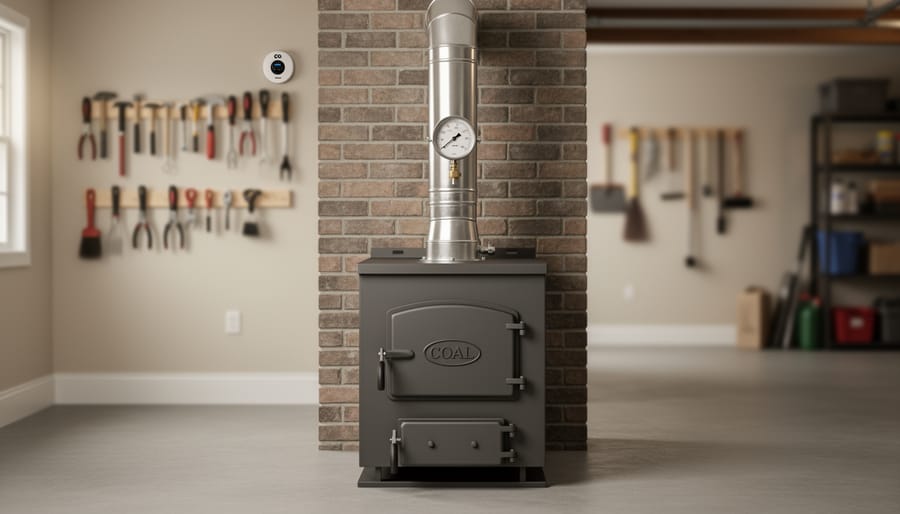
Ensure your coal boiler venting system removes dangerous combustion gases completely from your living space by installing Type L stainless steel venting that extends at least three feet above your roofline and two feet higher than any structure within ten feet. Your vent pipe must maintain proper draft—typically requiring a minimum diameter of six inches ... Read more
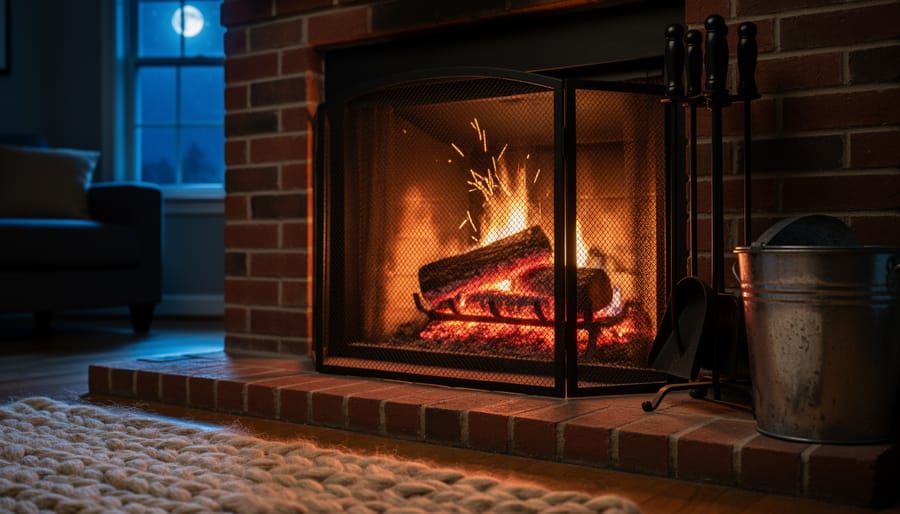
No, you should never leave a wood burning fireplace unattended overnight. While the crackling flames create an inviting atmosphere, an active fire poses serious risks including chimney fires, carbon monoxide buildup, and sparks escaping onto your floor or furnishings. The question isn’t whether you want overnight warmth—it’s how to achieve it safely. The reality is ... Read more
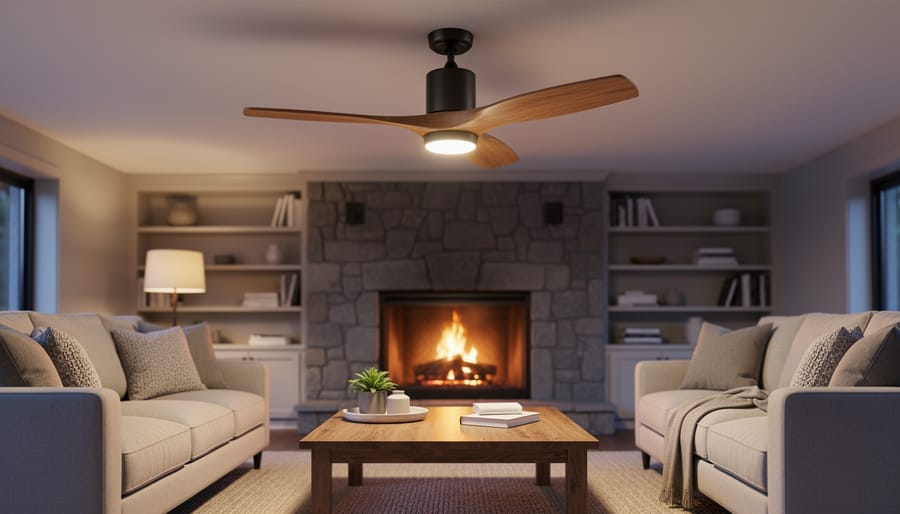
Choose ceiling fans with reversible motors to optimize comfort year-round—run counterclockwise in summer to create a cooling downdraft and clockwise in winter to gently redistribute warm air trapped near the ceiling, complementing your fireplace or heating system’s efficiency. Select blade spans that match your room dimensions: 29-36 inches for spaces up to 75 square feet, ... Read more
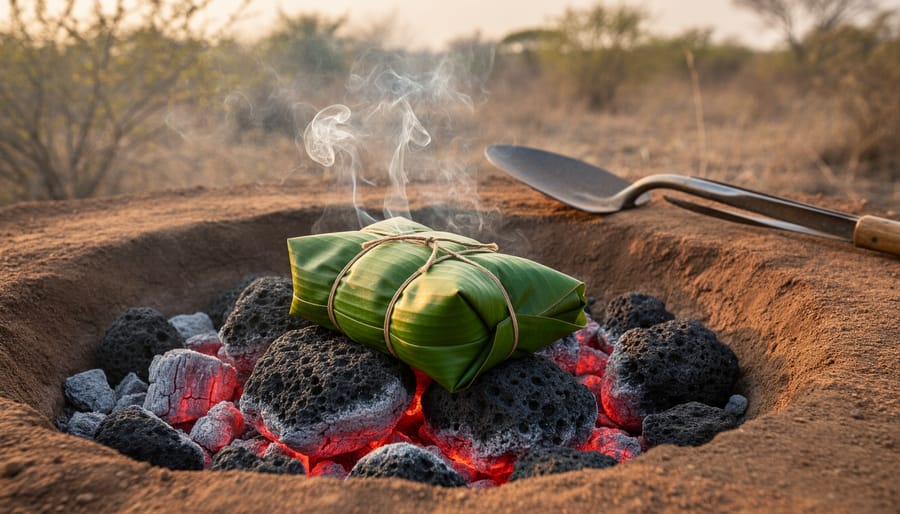
Dig a pit roughly three feet deep and two feet wide in well-drained soil away from structures and underground utilities. Line the bottom with volcanic rocks or fire bricks that won’t explode when heated, never use river stones or wet rocks. Build your fire directly in the pit using hardwoods like oak or hickory, letting ... Read more
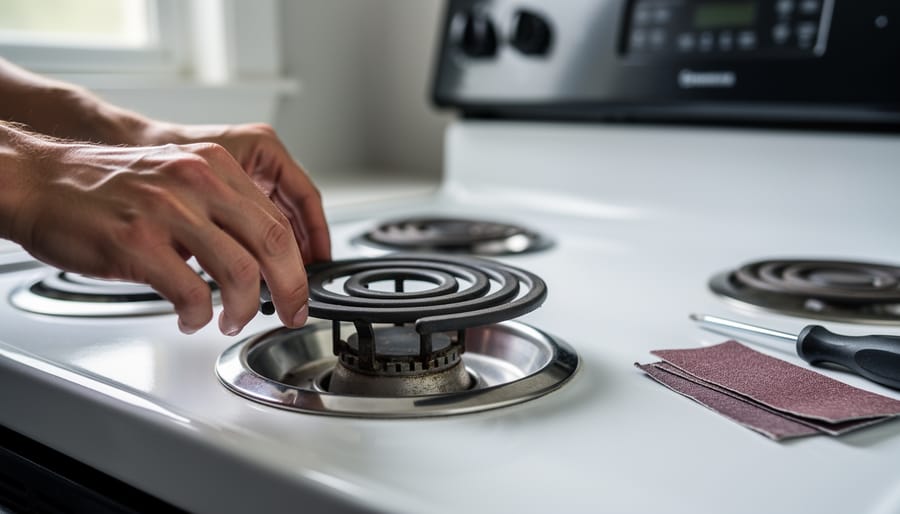
Turn off the power at your circuit breaker before touching any stove components—this single step prevents electrical shock and potential fire hazards. A malfunctioning electric stove burner doesn’t necessarily mean an expensive service call or appliance replacement. Most burner issues stem from simple problems you can diagnose and fix yourself in under thirty minutes with ... Read more
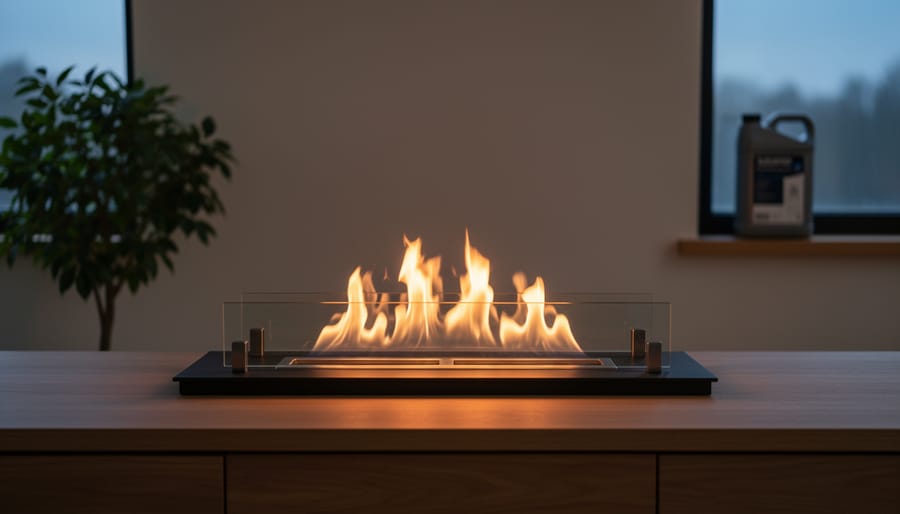
Choosing the right fuel for your ventless fireplace transforms both your home’s atmosphere and your environmental footprint. Bioethanol stands out as a clean-burning, renewable alternative that eliminates the smoke, ash, and chemical residue associated with traditional fuels. This plant-derived alcohol produces real flames without requiring a chimney or venting system, making it ideal for apartments, ... Read more
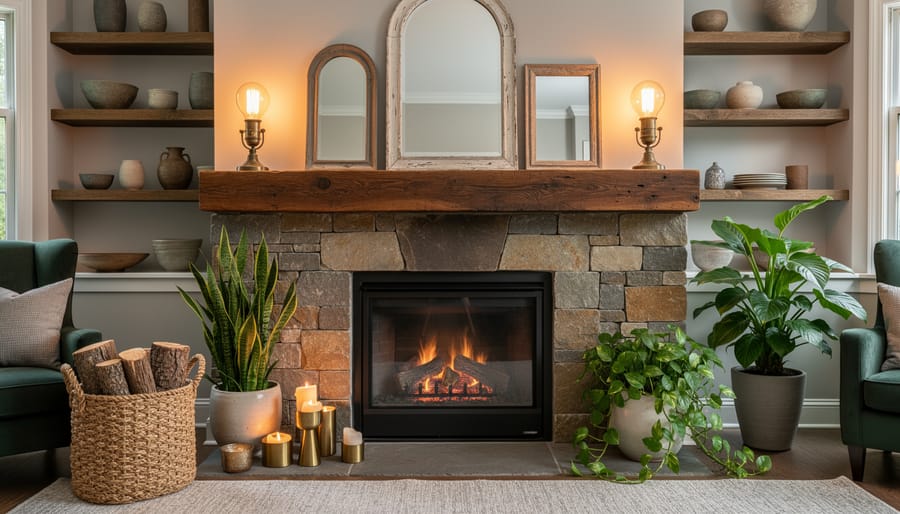
Position your electric fireplace as the room’s sustainable focal point by anchoring it with a reclaimed wood mantel or salvaged stone surround that adds character while reducing environmental impact. Frame the unit with organic textures like woven seagrass baskets filled with responsibly sourced firewood (purely decorative, creating cozy ambiance without waste), vintage brass candleholders, or ... Read more



