

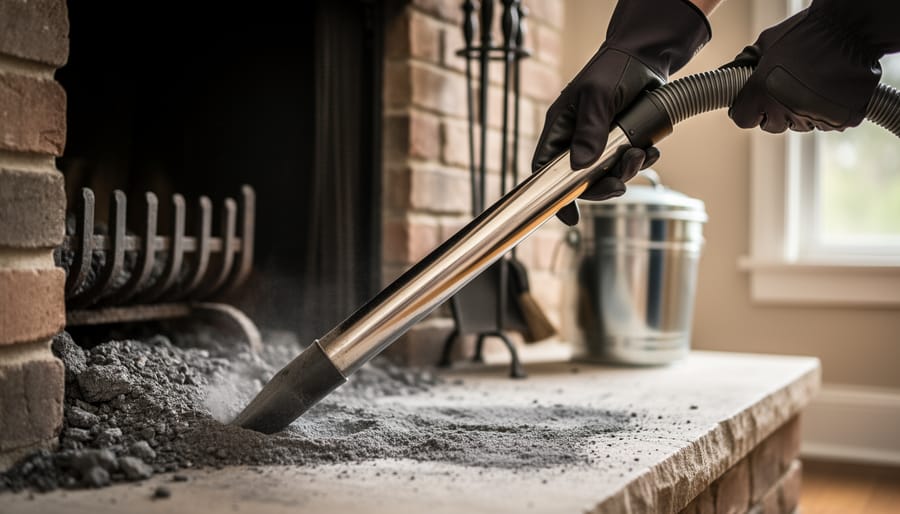
Wait at least 24 hours after your last fire before attempting to vacuum ash—this critical safety step prevents potentially live embers from damaging your vacuum or, worse, starting a house fire. Even ash that appears completely cold can harbor hidden heat for days, making patience your most important tool in fireplace maintenance. Choose a vacuum ... Read more
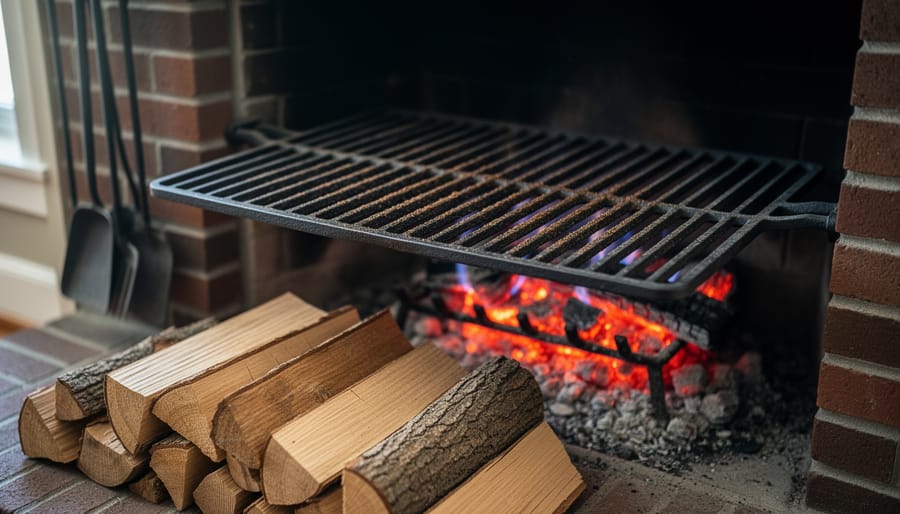
Choose seasoned hardwoods like oak, maple, or hickory for fireplace grilling—they burn cleanest, produce minimal smoke indoors, and impart rich flavor to your food while maintaining safe carbon monoxide levels. Split logs into 3-4 inch pieces and ensure they’ve dried for at least six months, as moisture content below 20% prevents dangerous creosote buildup and ... Read more
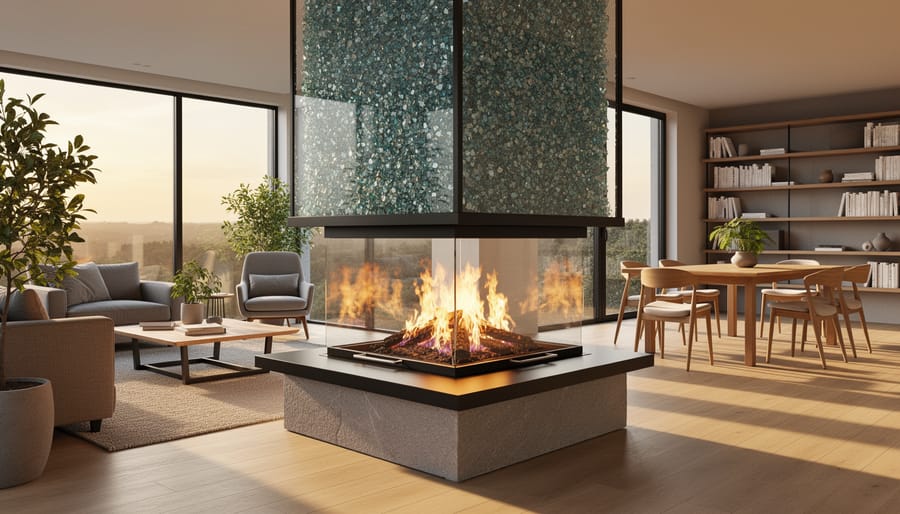
Picture a fireplace that transforms your living space into a 360-degree sanctuary of warmth, where flames dance visibly from every angle of the room. Four-sided fireplaces, also called peninsula or see-through designs, break free from traditional wall-mounted constraints to become sculptural centerpieces that divide spaces while uniting them through radiant heat and mesmerizing views. These ... Read more
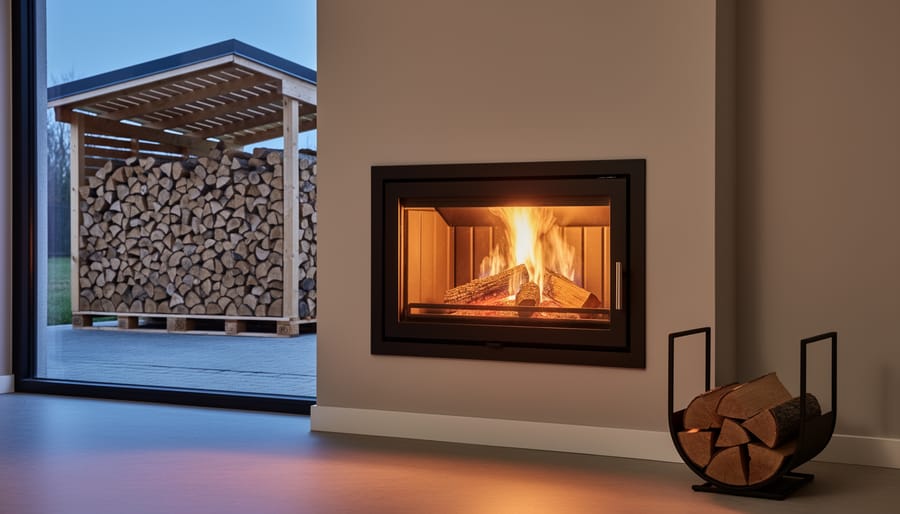
Store your firewood in a covered, ventilated structure at least 20 feet from your home, keeping it elevated 6 inches off the ground to prevent moisture absorption that reduces burn efficiency in EPA-certified units. These high-performance inserts require wood with 15-20% moisture content to achieve their rated efficiency levels and minimize creosote buildup. Season your ... Read more
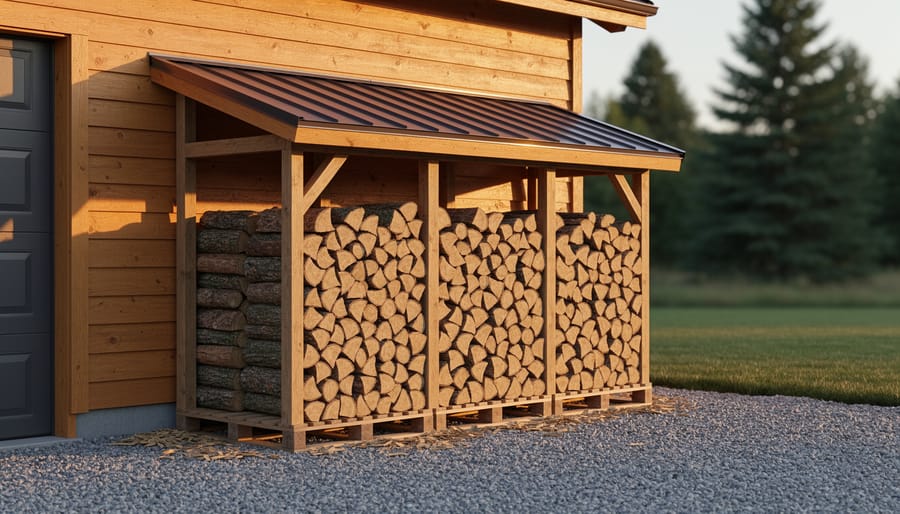
Build your firewood lean-to against an existing structure like a shed or garage wall to create natural overhead protection while minimizing construction materials and costs. Position the open side away from prevailing winds and ensure at least six inches of clearance between stacked wood and the back wall to promote crucial air circulation that prevents ... Read more
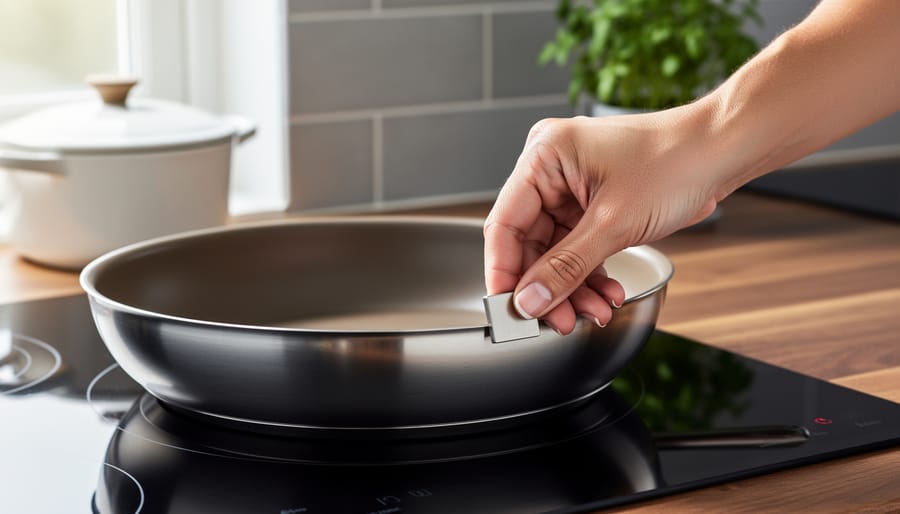
The short answer is no—most ceramic cookware won’t work on induction cooktops unless it has a magnetic metal base. Here’s what you need to know to avoid kitchen frustration and make the right choice. Ceramic cookware’s appeal lies in its non-toxic, eco-friendly coating that promises healthier cooking without harsh chemicals. However, induction cooktops require magnetic ... Read more
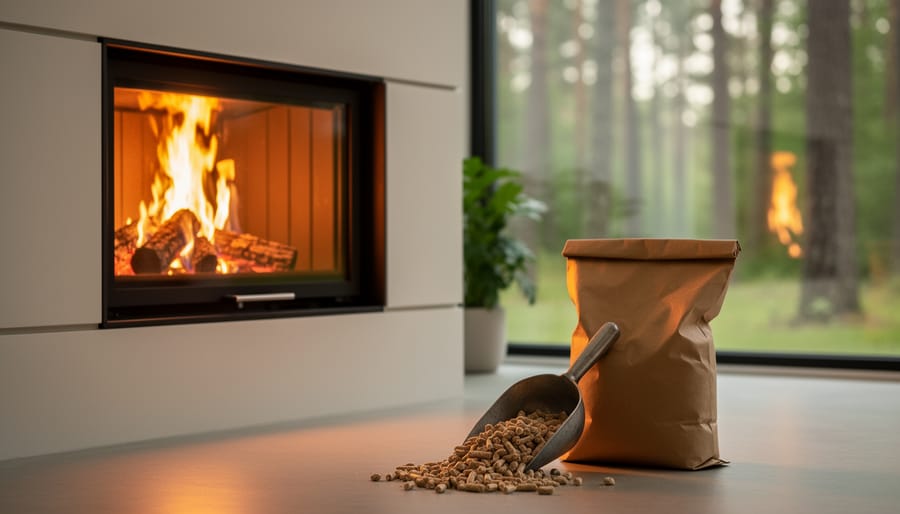
Verify your pellet supplier holds FSC or SFI certification before purchasing—these third-party standards guarantee your fuel comes from responsibly managed forests where trees are replanted and ecosystems protected. Request documentation showing chain-of-custody tracking, which proves your pellets weren’t mixed with non-sustainable materials during manufacturing and distribution. Source pellets locally within a 100-mile radius whenever possible. ... Read more
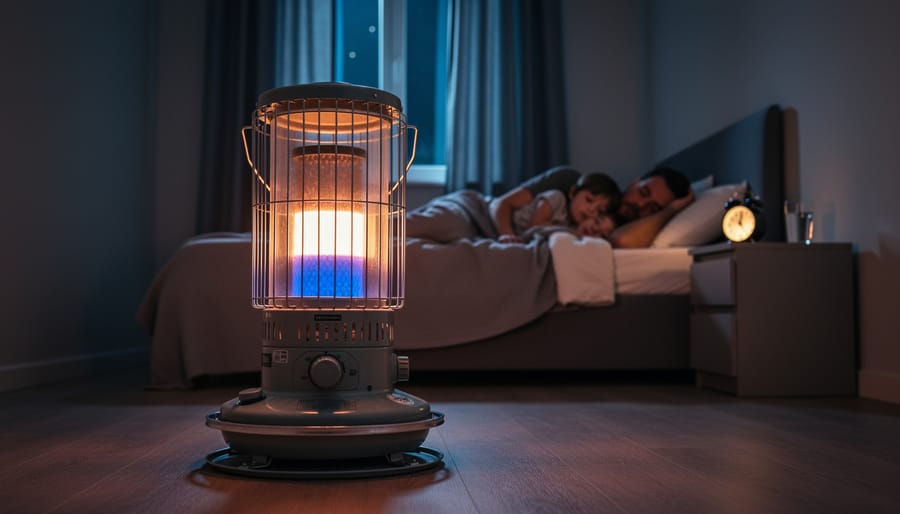
Kerosene heaters provide reliable warmth during power outages and cold winter nights, but they produce carbon monoxide—a colorless, odorless gas that kills without warning. Every year, hundreds of Americans suffer CO poisoning from improper heater use, yet these incidents are entirely preventable when you understand the risks and follow essential safety protocols. The danger isn’t ... Read more
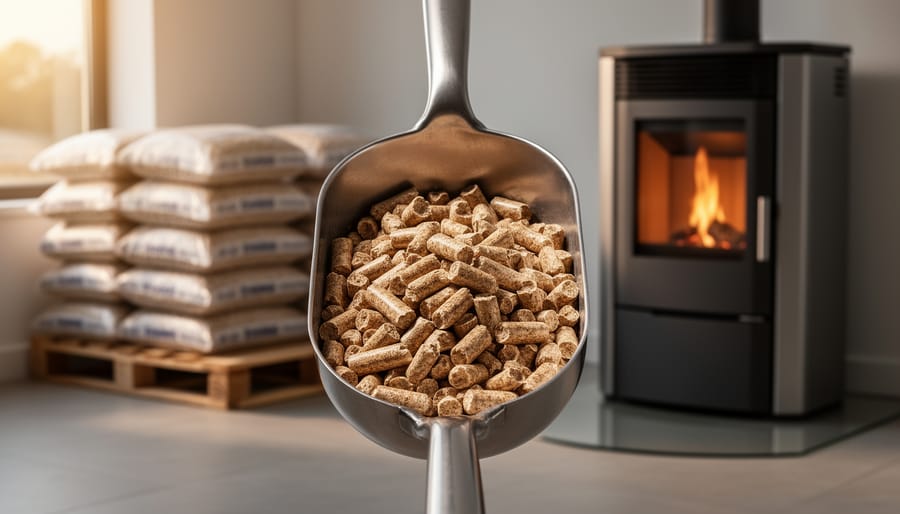
Check the pellet bag for a premium or super premium grade designation and verify the ash content stays below 1% to ensure clean burning and minimal maintenance. Buy pellets made from hardwood or a hardwood blend rather than softwood varieties—they generate more heat per pound and produce less ash buildup in your stove, directly impacting ... Read more
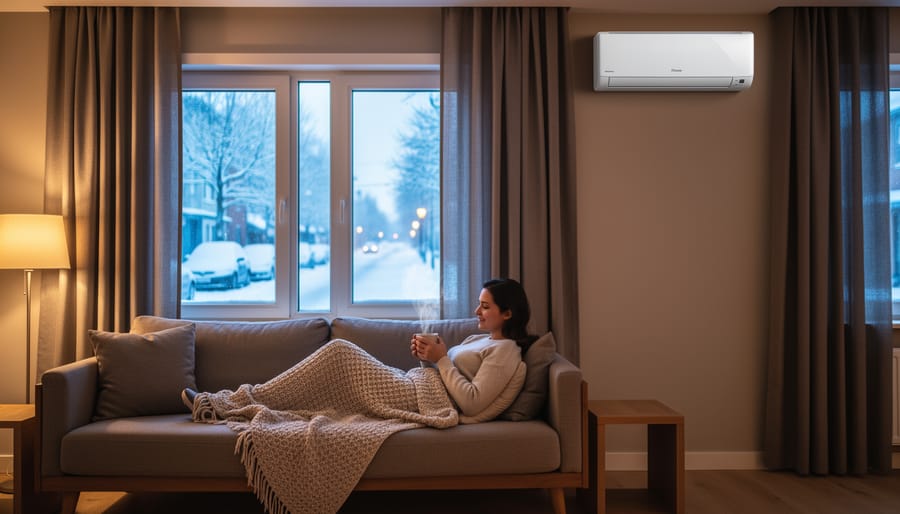
Prioritize insulation and air sealing before investing in any heating system—even the most efficient furnace wastes energy if heat escapes through poorly sealed windows, doors, and attics. This single step can reduce your heating costs by 20-30% and makes whatever system you choose work smarter, not harder. Compare the true cost of efficiency by looking ... Read more



