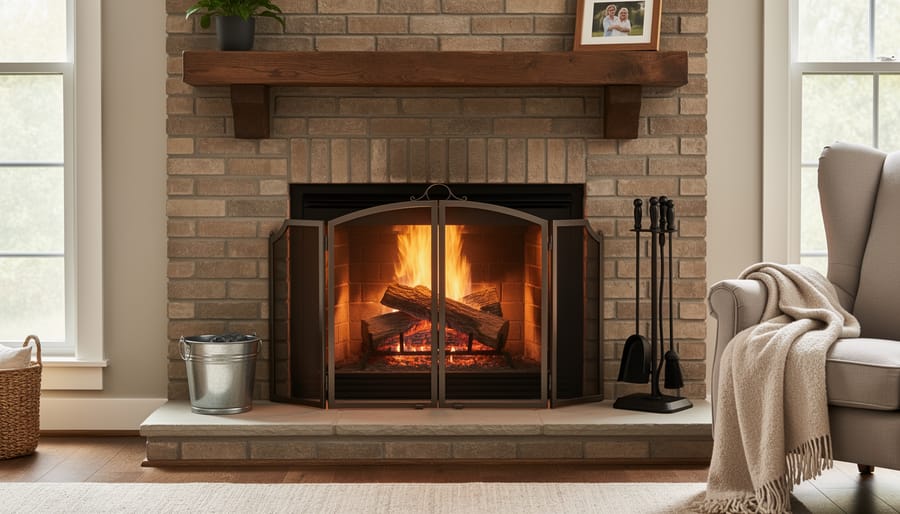
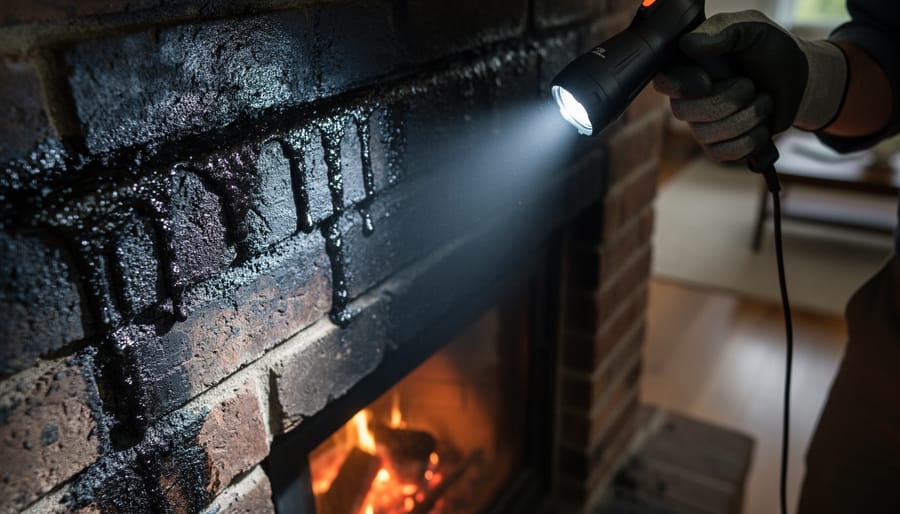


The dark, tar-like substance coating your chimney’s interior isn’t just unsightly—it’s a fire hazard that sends thousands of families scrambling for emergency services each year. Creosote buildup occurs naturally whenever you burn wood, as smoke cools and condenses on your chimney walls. Left unchecked, this sticky residue hardens into layers that can ignite at temperatures exceeding 2,000 degrees Fahrenheit, transforming your cozy fireplace into a dangerous liability.
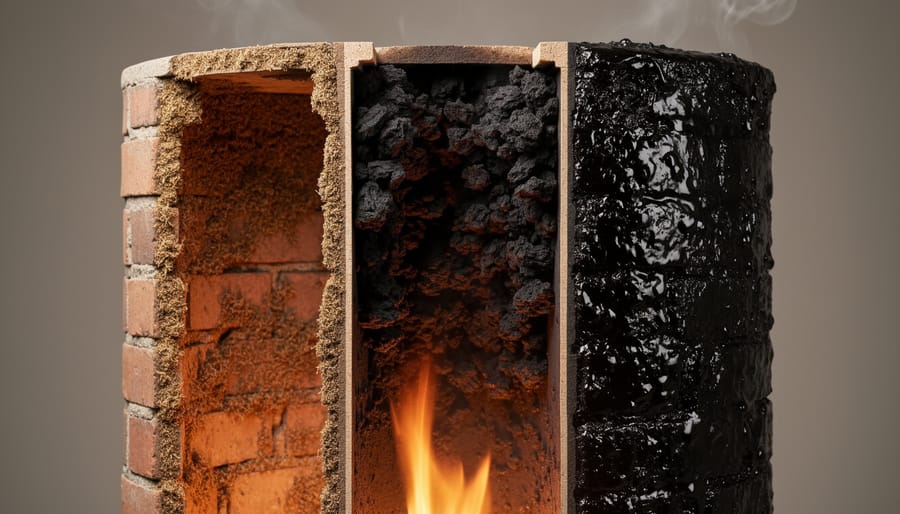
Understanding creosote means recognizing its three distinct stages. Stage one appears as loose, flaky soot that brushes away easily during routine cleaning. Stage two develops into harder, tar-like deposits that require more aggressive removal techniques. Stage three crystallizes into a dense, glass-like coating that professional chimney sweeps struggle to remove and represents your highest fire risk. Most chimney fires start when stage three creosote ignites, spreading flames rapidly through your home’s structure.
The good news? You have complete control over how quickly creosote accumulates in your chimney. Proper burning practices dramatically reduce buildup, while consistent maintenance schedules keep your fireplace safe and efficient. Burning seasoned hardwoods instead of green or soft woods, maintaining hot fires rather than smoldering ones, and ensuring adequate air flow all minimize creosote formation before it becomes problematic.
This guide walks you through proven prevention strategies that protect your home while maximizing your fireplace’s performance. You’ll discover exactly when to schedule professional inspections, how to recognize warning signs between cleanings, and which daily habits make the biggest difference in keeping your chimney clean and your family safe.
What Exactly Is Creosote (And Why Should You Care)?
The Three Stages of Creosote You Need to Know
Understanding creosote’s progression helps you catch problems early and keep your fireplace safe. Think of these stages as warning signs that tell you when it’s time to take action.
Stage 1 creosote appears as a flaky, sooty deposit that brushes away relatively easily during cleaning. It’s dry and dusty in texture, forming when your fire burns hot enough to properly vaporize the wood’s combustible materials. While this is the least concerning stage, it still requires regular attention. You’ll typically notice this black, powdery substance accumulating on your chimney walls after several fires.
Stage 2 marks a concerning shift. Here, creosote takes on a tar-like, sticky consistency that’s much harder to remove. This happens when fires burn at lower temperatures, causing wood particles to condense before fully combusting. The result is a shiny, black coating that clings stubbornly to your chimney liner. At this stage, professional cleaning becomes more challenging, and the fire risk increases significantly.
Stage 3 is the most dangerous form. This hardened, glassy glaze looks almost like a thick coat of shellac inside your chimney. It forms from repeated heating and cooling cycles, creating an extremely flammable fuel source that standard chimney brushes can’t remove. This glazed creosote requires professional intervention, often involving specialized removal techniques. If your chimney reaches this stage, you’re looking at a serious fire hazard that demands immediate attention from certified chimney professionals.
The Real Dangers Lurking in Creosote Buildup
Let’s talk about what actually happens when creosote gets out of hand in your chimney. Understanding these risks isn’t about creating fear—it’s about respecting the power of fire and being a responsible homeowner who enjoys their fireplace safely.
The most immediate danger is chimney fires. When creosote accumulates to certain levels, especially that crusty, tar-like stage-three buildup, it becomes highly flammable. A chimney fire can ignite suddenly when temperatures inside your flue reach around 451 degrees Fahrenheit. These fires burn incredibly hot—sometimes exceeding 2,000 degrees—and can sound like a freight train roaring through your home. While some chimney fires are dramatic and obvious, others burn slowly and quietly, causing damage you won’t notice until it’s extensive.
Carbon monoxide poisoning represents another serious threat. As creosote narrows your chimney’s passageway, it restricts proper ventilation. Smoke and dangerous gases that should exit through your chimney can back up into your living space instead. Carbon monoxide is odorless and colorless, making it a silent threat that causes hundreds of deaths annually in the United States.
Beyond immediate safety concerns, creosote buildup quietly sabotages your heating efficiency. That cozy evening by the fire becomes less effective as buildup insulates your chimney walls, preventing proper draft. You’ll burn more wood for less warmth, which isn’t exactly the eco-friendly heating solution most of us are aiming for. Your fireplace becomes a lifestyle element that costs more and performs worse.
Finally, there’s the structural damage. The corrosive compounds in creosote eat away at your chimney’s masonry and metal components over time. What starts as a maintenance issue can evolve into expensive repairs—damaged flue liners, deteriorating mortar joints, and weakened chimney structures. Prevention and regular cleaning aren’t just safety measures; they’re smart investments in your home’s infrastructure and your family’s wellbeing.
How to Prevent Creosote From Taking Over Your Chimney
Burn the Right Wood the Right Way
The type of wood you burn and how you burn it plays a starring role in creosote prevention. Think of it as choosing quality ingredients for a recipe – the better your fuel, the cleaner your burn.
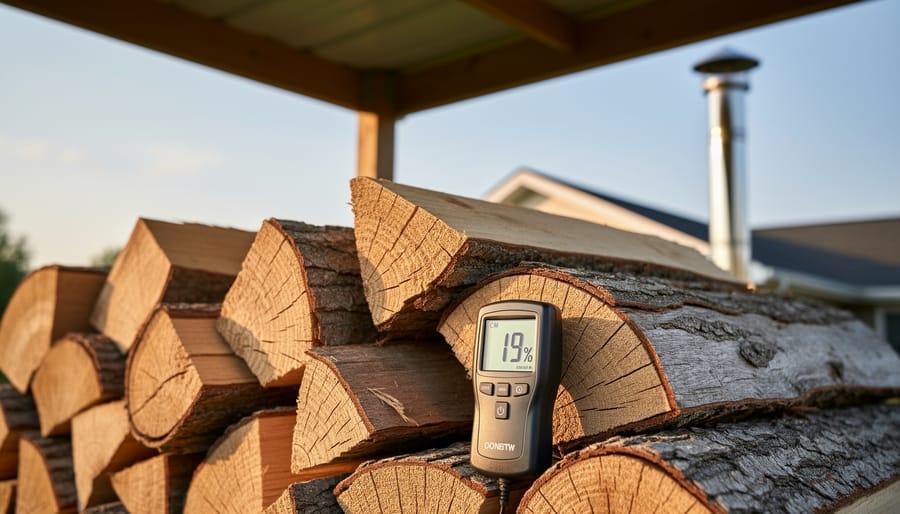
Always opt for seasoned hardwoods like oak, maple, or ash. These dense woods burn hotter and more completely than softwoods, producing significantly less creosote. The key word here is “seasoned” – wood needs to dry for at least six months to a year before it’s ready for your fireplace. Fresh or “green” wood contains too much moisture, creating cool, smoky fires that coat your chimney with creosote faster than you can say “chimney fire.”
How do you know if your wood is ready? Aim for a moisture content below 20 percent. You can pick up an inexpensive moisture meter at most hardware stores, making it easy to test your firewood before burning. Properly seasoned wood feels lighter, has cracks in the ends, and makes a hollow sound when two pieces are knocked together.
Never burn treated wood, painted wood, or construction scraps. These materials release toxic chemicals and create excessive creosote that’s particularly stubborn and flammable.
Your burning technique matters too. Build hot, bright fires rather than slow, smoldering ones. A robust fire with plenty of oxygen burns fuel more completely, sending less unburned material up your chimney. This eco-friendly approach not only protects your home but maximizes your wood’s heating potential, creating the warm, inviting atmosphere you’re after while keeping your chimney cleaner and safer.
Keep Your Fire Hot and Your Airflow Strong
Think of your fireplace like a relationship – it thrives when there’s chemistry and good communication. In this case, the chemistry is heat, and the communication is airflow. When you maintain a hot, vigorous fire with plenty of oxygen, creosote doesn’t stand a chance.
Cold, smoldering fires are creosote’s best friend. They don’t generate enough heat to completely burn the wood, which means more unburned particles float up your chimney and stick to the walls. The sweet spot for preventing creosote buildup is keeping your fire temperature between 250-450 degrees Fahrenheit at the flue outlet.
Here’s how to keep conditions optimal: Start with a small, hot fire using dry kindling to warm up your chimney. This creates the draft you need for proper flue operation. Once established, add seasoned logs gradually rather than smothering the flames with too much wood at once.
Keep your damper fully open while burning – restricted airflow creates cooler, smokier fires that produce more creosote. If your fireplace has adjustable air vents, experiment to find the setting that maintains bright, active flames without roaring out of control.
This approach isn’t just safer; it’s more efficient and eco-friendly too. A properly burning fire extracts more heat from less wood while sending fewer pollutants into the atmosphere. It’s a win for your home, your chimney, and the environment.
Simple Daily Habits That Make a Big Difference
The good news? Preventing creosote buildup doesn’t require constant vigilance or complicated routines. A few simple habits woven into your fireplace lifestyle can make all the difference.
Start with the basics: how you build your fire matters. Begin with small, dry kindling and gradually add larger pieces of seasoned wood. This creates a hotter, cleaner burn from the start, reducing the cool, smoky conditions where creosote loves to form. Think of it as setting the stage for success before the main performance begins.
Your damper settings deserve daily attention too. Opening the damper fully before lighting a fire ensures proper airflow, which translates to higher temperatures and more complete combustion. Resist the temptation to close it too much once the fire’s going—restricted airflow creates the smoldering, smoke-heavy conditions that coat your chimney walls with creosote.
Here’s an easy monitoring trick: watch your smoke color. Clean-burning fires produce nearly invisible smoke or just a light wisp. If you notice thick, dark smoke pouring from your chimney, that’s creosote forming in real-time. Adjust by adding more air or rearranging the wood to create better airflow.
Finally, make it a habit to burn only seasoned hardwoods with moisture content below 20 percent. This eco-friendly practice not only reduces creosote but also maximizes heat output and minimizes environmental impact. Your chimney—and the planet—will thank you for choosing sustainable heating practices.
Your Creosote Cleaning Schedule: When and How Often
The Quick Visual Checks You Can Do Yourself
Between your regular professional inspections, you can perform simple monthly checks that help you stay on top of creosote buildup. These quick visual assessments take just a few minutes and can alert you to potential problems before they become dangerous.
Start by looking up your chimney with a flashlight on a bright day. You’re checking for a dull, matte black coating on the chimney walls—this is stage one creosote. If you see shiny, tar-like deposits or thick, hardened buildup that looks crusty or drips down the walls, that’s stage two or three creosote, which requires immediate professional attention.
Run your finger along the inside of your firebox or damper area (when completely cool). If you can easily scrape off a flaky black substance, that’s normal accumulation. However, if the deposits feel sticky, gummy, or impossible to remove with gentle pressure, it’s time to call a certified chimney sweep.
Watch your fires too. If you notice smoke backing up into your room, difficulty getting fires started, or a strong, acrid smell even when not burning, these signal significant buildup restricting airflow.
Remember, these checks complement—not replace—professional inspections. Never attempt to clean beyond surface dust yourself, and always prioritize safety over curiosity. When in doubt, reach out to the experts who can properly assess your chimney’s condition.
When to Call in the Professionals
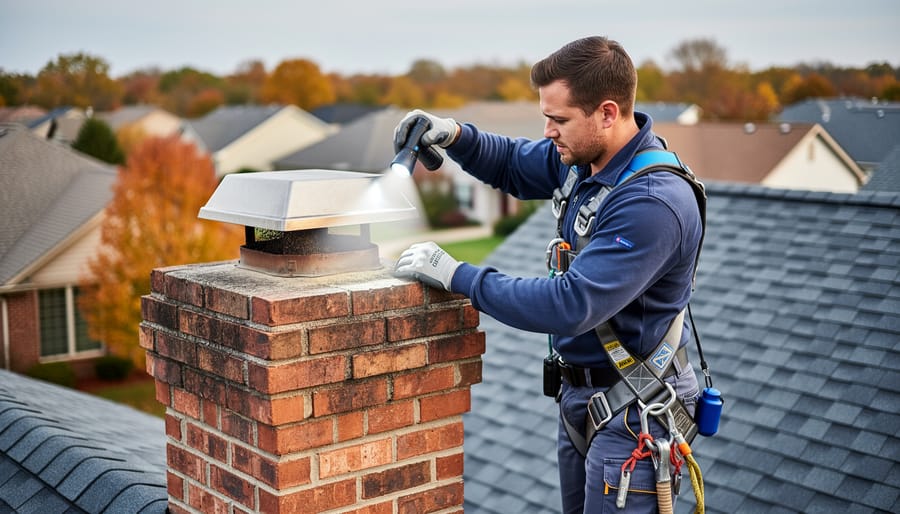
While regular maintenance keeps your fireplace running safely, professional expertise remains essential for protecting your home and family. The National Fire Protection Association recommends annual chimney inspections regardless of how frequently you use your fireplace. Think of it as a yearly health check-up for your heating system.
When searching for a qualified professional, look for a Certified Chimney Sweep (CSIA certification). This credential ensures the technician has passed rigorous examinations covering all aspects of your chimney’s anatomy, creosote removal, and fire prevention. Many insurance companies appreciate this certification too, and it may even affect your homeowner’s policy.
A comprehensive professional sweep service includes more than just cleaning. Your technician should inspect the entire chimney system from top to bottom, checking for structural damage, blockages, and proper ventilation. They’ll remove all three stages of creosote buildup using specialized tools and brushes, then verify that your damper operates correctly and your chimney cap remains intact.
Schedule your annual inspection during late summer or early fall, before heating season begins. This timing allows you to address any issues discovered while enjoying your fireplace worry-free throughout the colder months ahead.
DIY Cleaning vs. Professional Service: What You Need to Know
Let’s be honest about something important: cleaning creosote from your chimney isn’t like scrubbing your kitchen counters, and knowing when to DIY versus calling in the pros could quite literally save your home and your life.
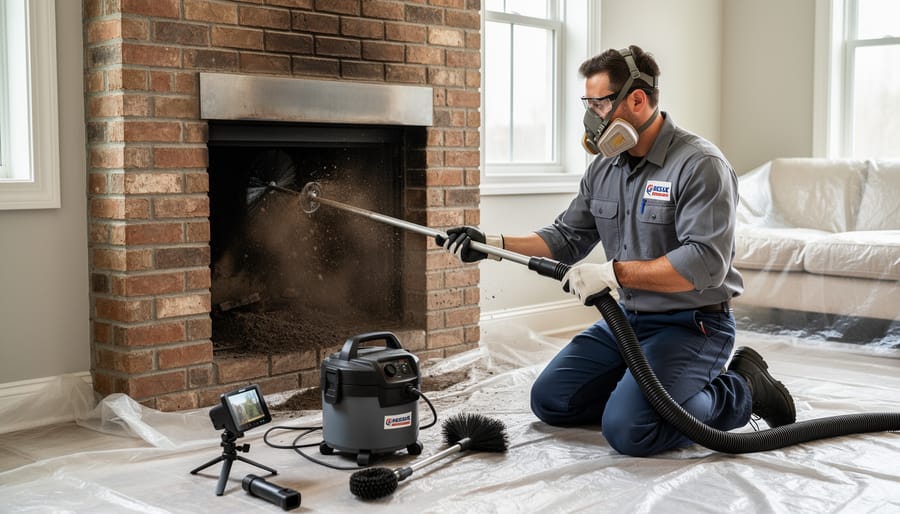
If you’ve been burning properly and only have Stage 1 creosote—that flaky, sooty substance that brushes away easily—you might be able to handle cleaning yourself with the right tools and knowledge. This light accumulation is the only type suitable for DIY removal, and even then, you’ll need proper equipment including a quality chimney brush, extension rods, drop cloths, and appropriate safety gear. You’ll also need reasonable comfort working on your roof or from inside your fireplace, depending on your approach.
However, here’s where things get serious. Stage 2 and Stage 3 creosote require professional removal, no exceptions. Stage 2 appears as shiny, tar-like flakes or a puffy, crunchy texture that ordinary brushing won’t remove. Stage 3 looks like hardened tar or glaze coating your chimney’s interior. These advanced stages are incredibly flammable and need specialized equipment and expertise to remove safely. Attempting DIY removal on these stages risks damaging your chimney liner, incomplete cleaning, or worse—starting a chimney fire during the cleaning process itself.
Beyond the creosote stage, there are practical safety considerations. Professional chimney sweeps carry liability insurance, have proper fall-protection equipment, and can identify structural issues you might miss. They’ll also provide a thorough inspection, checking for cracks, deterioration, or other hazards that compromise your fireplace’s safety.
Think of it this way: annual professional inspections are non-negotiable for maintaining your home’s warmth and safety as a lifestyle element. Between professional visits, you can monitor buildup and maintain Stage 1 accumulation if you’re comfortable doing so. But when in doubt, always err on the side of professional service. Your family’s safety and your home’s protection are worth far more than the cost of hiring an expert.
Special Considerations for Different Fireplace Types
Not all fireplaces face the same creosote challenges, and understanding your specific setup helps you maintain it more effectively while keeping your home safe and cozy.
Wood-burning stoves tend to accumulate creosote faster than traditional fireplaces, especially when operated at lower temperatures to extend burn times. The airtight design that makes these stoves efficient also means combustion gases cool more quickly as they travel through the flue, creating ideal conditions for creosote deposits. If you have a wood stove, plan on more frequent inspections and cleanings, typically twice per heating season if you use it regularly.
Traditional open fireplaces actually produce less concentrated creosote buildup because they burn hotter and allow better airflow. However, the larger chimney opening means you’ll still need annual professional inspections to check for any accumulation, particularly in the smoke chamber and upper flue areas where temperatures drop.
Fireplace inserts fall somewhere in between. These units improve efficiency over open fireplaces but can create creosote concerns similar to wood stoves if you restrict airflow too much while burning. Monitor your glass door for that telltale black residue, which signals incomplete combustion and likely creosote formation in your chimney.
If creosote management feels overwhelming, consider gas fireplace alternatives or pellet stoves as eco-friendly options. Pellet stoves produce significantly less creosote than traditional wood burners because compressed pellets burn more completely and consistently. Natural gas and propane fireplaces eliminate creosote concerns entirely while still providing the ambiance and warmth you love.
Whatever fireplace type you choose, matching your maintenance routine to your specific system ensures you’ll enjoy worry-free fires season after season.
Creating a safe and inviting home environment starts with understanding and respecting the power of fire. By staying on top of creosote buildup, you’re not just maintaining your fireplace—you’re protecting your family and preserving the cozy atmosphere that makes your house a home.
The key takeaways are simple but essential: burn only seasoned hardwood, maintain hot fires that burn efficiently, ensure proper airflow, and most importantly, stick to a regular inspection and cleaning schedule. Having your chimney inspected annually and cleaned when creosote reaches even one-eighth inch thickness isn’t an optional luxury—it’s a fundamental responsibility of fireplace ownership.
Think of fireplace maintenance as an investment in countless evenings gathered around crackling flames, enjoying the warmth and ambiance that only a well-maintained fireplace can provide. When you embrace eco-friendly heating solutions and proper burning practices, you’re not only reducing dangerous creosote accumulation but also maximizing efficiency and minimizing your environmental impact.
Don’t wait until you notice warning signs or smell the telltale odor of excessive buildup. Take action today by scheduling your next inspection and committing to the prevention strategies we’ve discussed. Your fireplace is more than a heating appliance—it’s the heart of your home. With regular care and attention, you can enjoy its benefits safely for years to come, creating memories in a warm, secure environment where comfort and safety go hand in hand.