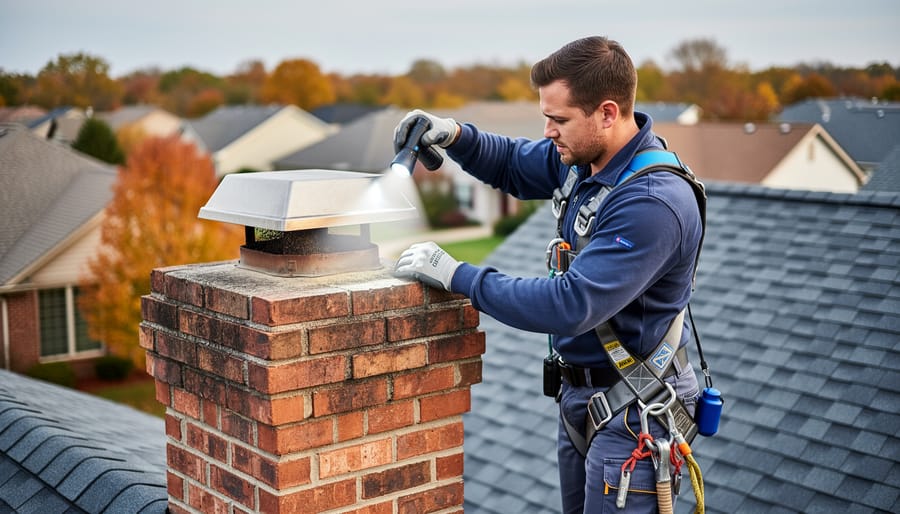


Schedule annual professional inspections before burning season begins, typically in late summer or early fall. A certified chimney sweep will identify creosote buildup, structural damage, and blockages that compromise both safety and efficiency.
Check your flue damper monthly during active use to ensure it opens and closes completely. A stuck or warped damper wastes energy and allows moisture, debris, and wildlife to enter your home when the fireplace isn’t in use.
Remove visible ash and debris after every three to five fires, but leave a thin layer of ash on the firebox floor to protect the base and make cleanup easier. Excessive ash buildup restricts airflow and reduces your fireplace’s heating efficiency.
Inspect the chimney cap and crown quarterly for cracks, rust, or missing components. These protective elements prevent water damage, animal intrusion, and deterioration that lead to expensive repairs down the line.
Monitor creosote accumulation by examining the flue with a flashlight after each month of regular use. This black, tar-like substance becomes highly flammable when it exceeds one-eighth inch thickness and is the leading cause of chimney fires.
Install carbon monoxide detectors on every floor and test them monthly. Blocked flues and improper ventilation create dangerous conditions that often go undetected without proper monitoring equipment.
Maintaining your chimney and flue protects your investment and ensures your family’s safety. For professional guidance and comprehensive maintenance services, visit masonchimneyrepair.com to connect with experienced chimney specialists who understand the unique needs of fireplace enthusiasts and keep your home’s heating system running efficiently.
Why Your Chimney Needs Regular Attention
Your chimney works harder than you might realize. Every time you light a fire, three powerful forces are quietly at work that can compromise both your safety and your home’s efficiency.
First, there’s creosote, a dark, tar-like substance that forms when wood smoke cools and condenses on your chimney’s interior walls. Think of it as the natural byproduct of creating that cozy ambiance you love. The problem? Creosote is highly flammable. Even a thin layer can ignite at temperatures above 450 degrees, potentially causing a dangerous chimney fire. Burning green wood or operating your fireplace at low, smoldering temperatures accelerates creosote buildup significantly.
Second, moisture is constantly attacking your chimney’s masonry. Rain, snow, and even condensation from combustion gases work their way into tiny cracks. When temperatures drop, that moisture freezes and expands, creating larger cracks in a relentless cycle. Over time, this freeze-thaw process can damage your chimney’s structural integrity and lead to costly repairs.
Third, normal wear and tear gradually deteriorates your flue liner, the protective barrier between intense heat and your home’s combustible materials. Cracks or gaps in this liner can allow dangerous gases, including carbon monoxide, to seep into your living space.
So how often should you schedule inspections? The National Fire Protection Association recommends annual chimney inspections for all heating systems, regardless of fuel type. However, if you’re burning wood regularly throughout the heating season, consider inspections twice yearly. Gas fireplaces, while producing less creosote, still need annual attention to ensure proper ventilation and efficiency. For those embracing eco-friendly heating solutions with newer, cleaner-burning technologies, annual inspections remain essential for maintaining both safety and optimal performance.
Visual Inspection Checklist: What You Can Check Yourself
Exterior Chimney Components
Your chimney’s exterior works hard to protect your home from the elements while safely venting smoke and gases. Regular inspection of these vital chimney components helps you catch minor issues before they become costly repairs.
Start at the top by examining your chimney cap. This protective cover should sit securely without rust or warping. A properly functioning cap keeps rain, animals, and debris out while allowing smoke to escape freely. Look for missing screens or loose mounting hardware that might compromise its effectiveness.
Next, inspect the chimney crown—the cement top that seals your chimney. Small hairline cracks are common as homes settle, but watch for larger cracks or chunks of missing concrete. These concerning issues allow water penetration that can damage your chimney’s interior structure and reduce heating efficiency.
Check the flashing where your chimney meets the roofline. This metal seal should lie flat without gaps, rust, or lifted edges. Damaged flashing is a leading cause of water leaks and often shows up as stains on interior walls or ceilings.
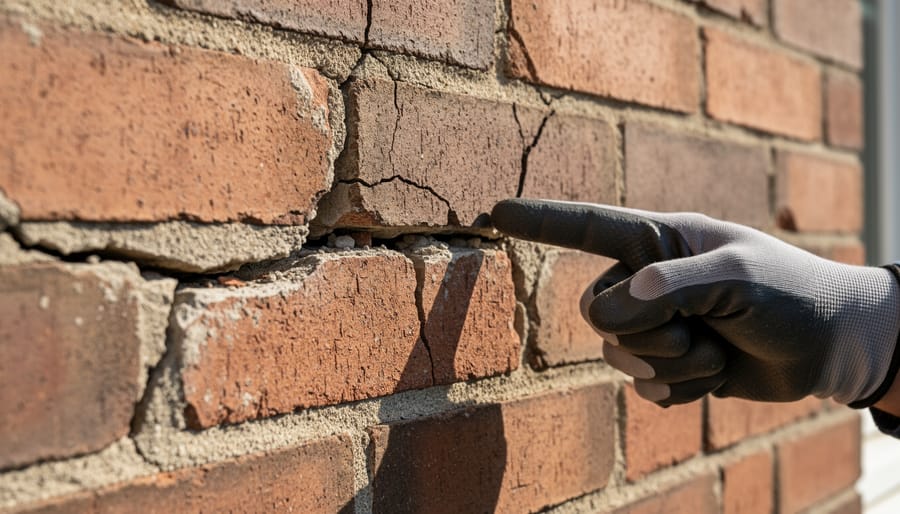
Finally, walk around your chimney to examine the masonry and mortar joints. Normal aging might show slight discoloration or minor surface weathering. However, crumbling mortar, loose bricks, white staining (efflorescence indicating water issues), or vertical cracks signal problems requiring professional attention. These exterior elements are your home’s first line of defense against weather and should maintain their structural integrity to support both safety and efficient, eco-friendly heating performance.
Interior Fireplace and Flue Assessment
Grab a flashlight and let’s take a closer look inside—this is where the magic of a well-maintained fireplace truly shines. Start your interior assessment by checking the damper and flue operation. Your damper should open and close smoothly without sticking or grinding. A damper that’s stuck open wastes heating energy year-round, while one that won’t fully open restricts airflow and can create dangerous smoke backup.
Next, examine your firebox carefully. Look for cracks in the firebrick, crumbling mortar joints, or any signs of deterioration. These aren’t just cosmetic issues—they’re safety concerns that can allow heat to reach combustible materials in your walls.
Now comes the detective work: shine your flashlight up into the flue to inspect for creosote buildup. This tarry substance accumulates from burning wood and comes in three stages you can identify by color and texture. Stage one appears as a light, flaky brown or gray coating that’s relatively harmless. Stage two creosote looks black and shiny with a texture similar to cornflakes—this requires professional cleaning. Stage three is the most dangerous: thick, glossy black tar that’s extremely flammable and demands immediate professional attention.
While you’re looking up, check the visible flue liner for cracks, gaps, or missing sections. A compromised liner can’t properly contain the intense heat and combustion gases, creating a serious fire hazard. If you notice anything concerning during this inspection, it’s time to call in a certified chimney sweep.
Signs Something’s Wrong
Your chimney speaks volumes when something’s amiss—you just need to know what to listen for. Strange odors, especially musty or burning smells when your fireplace isn’t in use, signal potential creosote buildup or water infiltration that demands immediate attention. White, chalky staining on your chimney’s exterior, called efflorescence, indicates moisture problems that can compromise your chimney’s structural integrity over time.
If you hear scratching, chirping, or rustling sounds, you’ve likely got uninvited guests. Birds, squirrels, and raccoons often view chimneys as cozy nesting spots, but their presence creates serious fire hazards and blockages. Never light a fire until animals and nests are professionally removed.
Smoke backing up into your home instead of venting properly is perhaps the most alarming red flag. This could stem from blockages, damaged flue liners, or wind-related chimney issues. Finally, watch for crumbling mortar, cracks in the chimney crown, or pieces of brick or tile in your firebox. These deteriorating materials compromise your chimney’s protective barriers and require prompt professional evaluation. Remember, addressing these warning signs quickly protects both your home’s comfort and your family’s safety.
Professional Maintenance Tasks: When to Call the Experts
Annual Professional Chimney Sweep
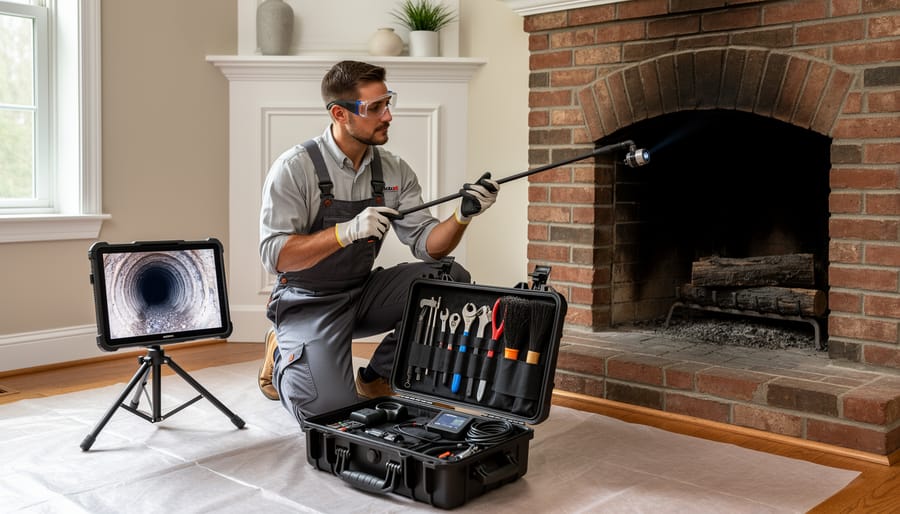
Scheduling an annual professional chimney sweep is one of the most important steps in keeping your fireplace both safe and efficient. A certified chimney sweep does far more than just clean—they’re trained to identify potential hazards that could put your home at risk.
During a professional cleaning, the sweep uses specialized brushes and tools to thoroughly remove creosote buildup at all three levels. Level 1 creosote appears as a flaky, sooty residue that’s relatively easy to remove. Level 2 becomes tar-like and requires more aggressive brushing, while Level 3 creosote hardens into a glazed coating that’s extremely flammable and may need chemical treatment or intensive scraping. This progressive buildup is what causes chimney fires, which can reach temperatures exceeding 2,000 degrees and crack your chimney’s structure or spread to your home’s framing.
The best time to schedule your annual sweep is during late spring or early summer, after you’ve finished using your fireplace for the season. This timing allows the sweep to address any damage from winter use before moisture and summer heat cause further deterioration. It also means you’ll be ready when the first chilly evening arrives and you want to enjoy your fireplace without delay. If you burn more than two cords of wood annually, consider scheduling a mid-season inspection as well to maintain optimal safety and performance.
Level 2 and Level 3 Inspections
While annual Level 1 inspections work well for routine maintenance, certain situations call for more thorough evaluations of your chimney system. Understanding when to upgrade your inspection level helps protect both your investment and your family’s safety.
A Level 2 inspection becomes necessary when you’re making changes to your fireplace lifestyle. If you’re selling your home, buying a property with a fireplace, switching fuel types, or adding a new heating appliance, this detailed examination is essential. You’ll also need one after any operating malfunction, chimney fire, or severe weather event like an earthquake or lightning strike. This inspection includes everything from Level 1, plus video scanning of internal flue surfaces and accessible portions of exterior and attic areas.
Level 3 inspections involve the most comprehensive evaluation, including removal of certain components or parts of the building structure. These are reserved for situations where serious hazards are suspected, such as hidden damage from a chimney fire or structural concerns that aren’t visible through standard inspection methods.
The camera inspections used in Level 2 and 3 evaluations reveal deteriorating mortar joints, creosote buildup patterns, blockages, and cracks that naked-eye inspections might miss. This technology provides an accurate view of your chimney’s internal condition, helping you make informed decisions about necessary repairs before small issues become costly problems.
Repairs and Upgrades
Professional chimney repairs help maintain both safety and efficiency while protecting your home investment. Common repairs include chimney cap replacement, which prevents water damage and keeps animals out while ensuring proper ventilation. Tuckpointing restores deteriorating mortar joints between bricks, preventing moisture infiltration that can compromise your chimney’s structural integrity.
Flue liner installation or repair is essential when existing liners crack or deteriorate. Modern stainless steel liners offer excellent durability, while cast-in-place cement liners provide superior insulation. For environmentally conscious homeowners, consider ceramic or pumice-based liners that offer improved heat retention and reduced emissions, making your fireplace sessions more eco-friendly.
Waterproofing treatments create a breathable barrier that repels water while allowing moisture to escape from within the masonry. This preventive measure extends your chimney’s lifespan and reduces costly repairs down the road. When hiring professionals, ask about their experience with your specific chimney type and request references to ensure quality workmanship that keeps your home safe and your fireplace performing beautifully for years to come.
Seasonal Chimney Maintenance Calendar
Creating a year-round maintenance routine for your chimney and flue doesn’t have to feel overwhelming. By breaking tasks into seasonal chunks, you’ll ensure your fireplace remains a safe, efficient centerpiece of your home’s warmth and ambiance throughout the year.
Spring brings the perfect opportunity for your annual professional inspection and cleaning. As the burning season winds down, schedule a certified chimney sweep to perform a thorough cleaning and Level 2 inspection. This timing allows professionals to remove creosote buildup from winter use and identify any damage before it worsens. Spring is also ideal for addressing masonry repairs, as warmer temperatures help mortar cure properly. Check your chimney cap and crown for winter damage, and inspect flashing around the roofline for leaks that might have developed during freeze-thaw cycles.
Summer offers low-stress maintenance time when your fireplace isn’t in use. Take advantage of these months to install or replace a chimney cap if needed, ensuring birds and small animals can’t nest inside. This season is perfect for major repairs like relining or significant masonry work, as contractors have better availability and weather cooperates. Consider having your damper checked and lubricated to ensure smooth operation when autumn arrives.
Fall marks preparation season for the months ahead. About six weeks before you plan to light your first fire, conduct a visual inspection of the interior firebox, checking for cracks or deterioration. Stock up on eco-friendly firewood that’s been properly seasoned for at least six months, as dry wood burns cleaner and produces less creosote. Test your carbon monoxide and smoke detectors, replacing batteries as needed. Clear debris from around your chimney exterior and trim overhanging tree branches.
Winter requires ongoing vigilance during active burning months. After every 40 to 50 fires, inspect the firebox and flue for excessive creosote accumulation. Monitor for warning signs like smoke backing up into your home or difficulty starting fires, which might indicate blockages. Keep your hearth area clear of combustible materials, and establish a regular ash removal routine. During this cozy season, your fireplace becomes a lifestyle element that deserves consistent attention to maintain both its beauty and safety as an eco-friendly heating solution for your family.
Safety-First Maintenance Practices
Your safety always comes first when maintaining your chimney and flue system. While many inspection tasks can be handled by homeowners, knowing your limits and taking proper precautions makes all the difference in keeping your fireplace a safe, cozy centerpiece of your home.
Before attempting any DIY inspection or cleaning, equip yourself properly. Wear safety glasses, a dust mask rated for fine particles, work gloves, and sturdy shoes. Keep a flashlight handy for peering into dark spaces, and never work alone. If you’re inspecting from inside, protect your living space with drop cloths and ensure good ventilation.
Carbon monoxide detectors are non-negotiable for any home with a fireplace. Install one on every level of your home, especially near sleeping areas, and test them monthly. These devices are your first line of defense against this silent, deadly gas that can result from improper chimney function.
When it comes to roof access, honestly assess your comfort level and physical ability. If your roof is steep, high, or you’re uncomfortable with heights, this is where professional help becomes essential. The cost of hiring a certified chimney sweep is minimal compared to medical bills or worse. Weather conditions matter too. Never climb on a wet, icy, or windy day.
Remember, maintaining your chimney system isn’t just about preserving this wonderful lifestyle element in your home. It’s about protecting your family and property. Some savings simply aren’t worth the risk. Trust your instincts, and when in doubt, call a professional who has the training, insurance, and equipment to work safely at heights.
Keeping Your Chimney Cleaner Between Professional Visits
Between professional inspections, you can significantly extend your chimney’s life and maintain its efficiency with smart burning practices. Think of it as caring for a cherished part of your home’s heartbeat rather than just managing a heating system.
The foundation of cleaner burning starts with fuel selection. Using properly seasoned wood with 15-20% moisture content dramatically reduces creosote buildup. Green or wet wood creates thick, dark smoke that clings to flue walls, while dry wood burns hotter and cleaner, producing minimal residue. Hardwoods like oak, maple, and ash are your best allies here.
Master the art of building proper fires by starting with smaller, hotter fires rather than large, smoldering ones. A hot fire promotes complete combustion and actually burns away light creosote deposits before they harden. Always ensure adequate airflow by keeping dampers fully open during burning and avoiding the temptation to dampen down fires too soon.
Steer clear of materials that accelerate deterioration. Never burn treated wood, cardboard, wrapping paper, or trash, as these release chemicals that corrode chimney liners and create dangerous buildup. Pine and other softwoods can be used occasionally but produce more resin, so balance them with hardwoods.
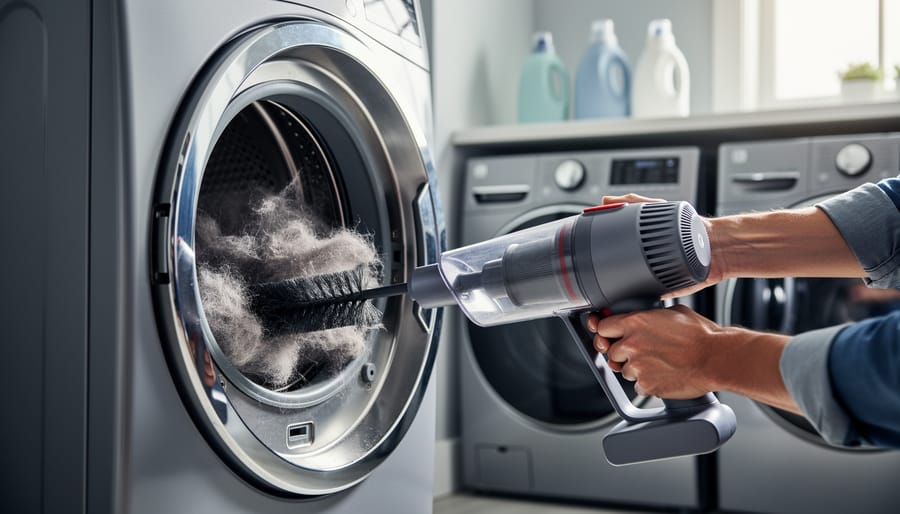
Regular ash removal contributes to cleaner burning and better airflow. Quality ash vacuum cleaners make this task safer and more efficient while protecting your home’s air quality.
As an eco-friendly practice, maintain fires at optimal temperatures rather than letting them smolder overnight. This approach reduces emissions, conserves wood, and keeps your chimney cleaner, aligning sustainable heating with responsible home stewardship.
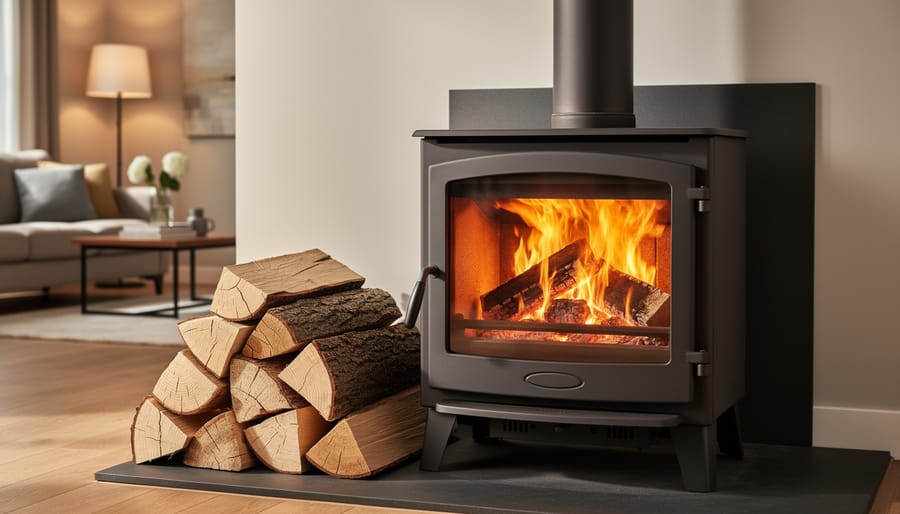
Maintaining your chimney and flue isn’t just another household chore to check off your list—it’s a genuine investment in your family’s safety, your home’s efficiency, and that irreplaceable warmth that makes gathering around the fireplace so special. A well-maintained chimney burns cleaner, heats more effectively, and gives you the peace of mind that comes from knowing you’ve taken the proper precautions.
Think of your personalized maintenance schedule as your roadmap to countless cozy evenings ahead. Whether you’re enjoying the crackling ambiance of a wood fire or benefiting from an eco-friendly heating solution, consistent care ensures your fireplace remains the heart of your home for years to come. The small effort you put into regular inspections and professional cleanings pays dividends in preventing costly repairs and protecting what matters most.
Take a moment today to mark those seasonal tasks on your calendar. When you prioritize chimney maintenance, you’re not just protecting your property—you’re preserving the lifestyle and atmosphere that makes your house truly feel like home.