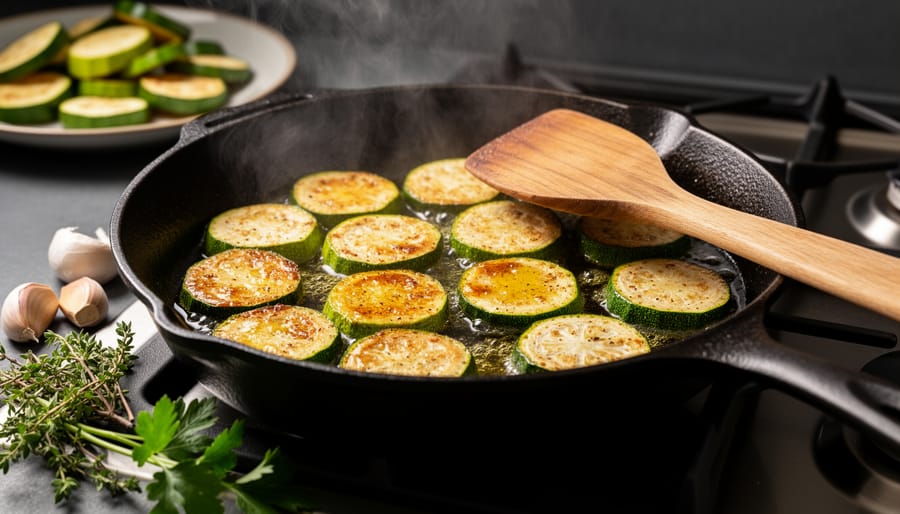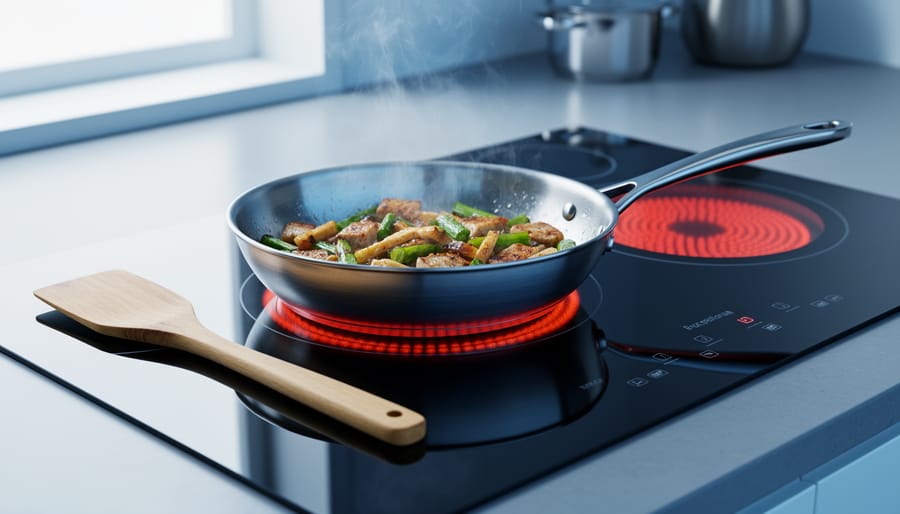
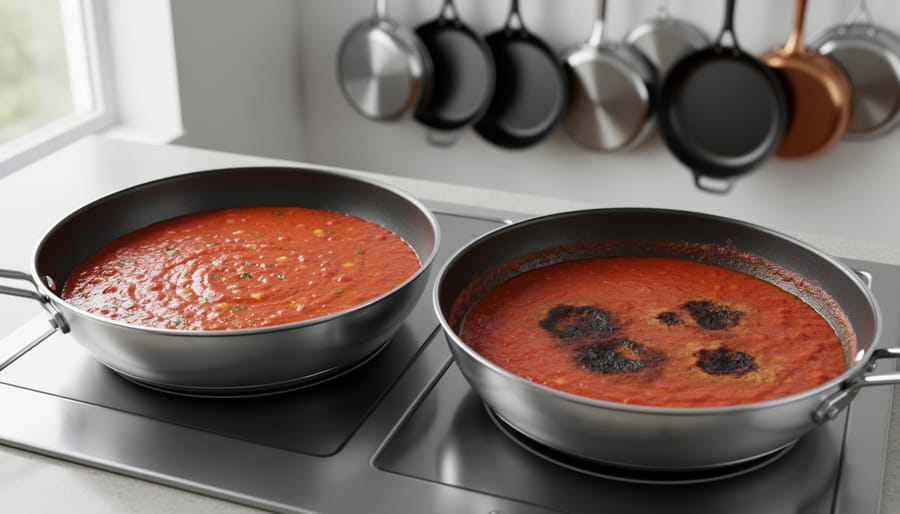


Compare Consumer Reports cookware ratings against real-world cooking tests by preparing the same dish in top-rated and budget options—the thermal conductivity scores translate directly to whether your sauce scorches or simmers evenly. Check the specific test criteria Consumer Reports uses, particularly the temperature distribution patterns and handle heat resistance measurements, because a pan that excels at browning might fail at gentle tasks like melting chocolate. Cross-reference their findings with long-term durability reviews from users who’ve cooked daily for years, since laboratory tests can’t fully replicate how nonstick coatings wear after hundreds of dishwasher cycles or metal utensil contact.
Consumer Reports cookware ratings offer scientific precision that cuts through marketing hype, but understanding what those numbers actually mean for your kitchen transforms data into confidence. Just as selecting the right fireplace requires balancing heat output with fuel efficiency and aesthetic warmth, choosing cookware demands looking beyond simple star ratings to understand how construction materials, weight distribution, and surface treatments affect your daily cooking experience.
The testing facility measures heat retention, evenness, and durability through standardized protocols that remove bias—yet these ratings can’t capture whether a heavy cast iron skillet suits your cooking style or if you’ll actually maintain the seasoning a carbon steel pan requires. Professional kitchens often choose different pieces than home cooks need, and the highest-rated set might include specialty pans you’ll never use while lacking the everyday workhorses you reach for constantly.
This guide decodes Consumer Reports methodology while addressing the practical questions their ratings don’t answer: which materials align with eco-friendly cooking practices, how different surfaces affect flavor development, and whether investing in top-tier cookware delivers proportional value for your specific needs.
What Consumer Reports Actually Tests (And What They Miss)
The Lab vs. Your Kitchen Reality
Consumer Reports conducts their cookware testing in pristine laboratory conditions with precise temperature controls and standardized cooking methods. It’s similar to how we might test fireplace efficiency in controlled environments—the results are valuable, but your actual experience at home can vary significantly.
In the real world, your cooking conditions are wonderfully unpredictable. If you have a vintage gas range with uneven flames, you’ll get different results than someone using a modern induction cooktop. Your grandmother’s electric coil stove heats differently than the sleek glass-top version in newer homes. Just as each fireplace creates its own unique warmth and character in a space, each stovetop brings its own personality to cooking.
The lab doesn’t account for how you actually cook, either. Maybe you’re the type who starts dinner while helping kids with homework, adjusting heat on the fly. Perhaps you prefer gentle simmering for Sunday sauces, or you’re a high-heat searing enthusiast. Consumer Reports can’t replicate your specific cooking rhythm and habits.
Environmental factors matter too. A humid coastal kitchen behaves differently than a dry mountain home. Your water quality, altitude, and even how you clean your pans between uses all influence performance in ways lab testing simply can’t capture.
This doesn’t make those ratings useless—they provide an excellent starting point. But understanding these limitations helps you make smarter decisions, considering both the scientific data and your unique kitchen reality. The best cookware for you bridges both worlds.

What Ratings Don’t Tell You About Heat Sources
When you’re reading through cookware ratings, you’ll notice most tests focus on electric or gas cooktops in controlled kitchen environments. But here’s what often gets missed: cookware behaves dramatically differently depending on your heat source, and those differences matter tremendously for your cooking experience.
Gas ranges distribute heat unevenly, with concentrated flames creating hot spots that ratings don’t always capture in real-world scenarios. That beautifully rated stainless steel pan might develop scorching issues on your particular gas burner. Meanwhile, electric coil stoves create entirely different heating patterns, often requiring heavier cookware that maintains contact with the coils for efficient heat transfer.
Induction cooking introduces another layer of complexity altogether. You’ll find that some highly-rated traditional cookware simply won’t work on induction surfaces, while specialized magnetic-base pans excel. Interestingly, you can use induction cookware on gas stoves, but the reverse isn’t always true.
For those embracing eco-friendly heating solutions and creating a lifestyle centered around home warmth, consider this: if you’re cooking over a wood-burning stove or using fireplace cooking setups during winter months, standard ratings become almost irrelevant. Cast iron and heavy-gauge carbon steel that might seem outdated in conventional tests suddenly become champions over open flames and radiant heat.
The lesson? Use ratings as a starting point, but always consider your specific heat source and cooking style before making final decisions.
The Top-Rated Cookware Brands According to Consumer Reports
Premium Brands That Dominate the Rankings
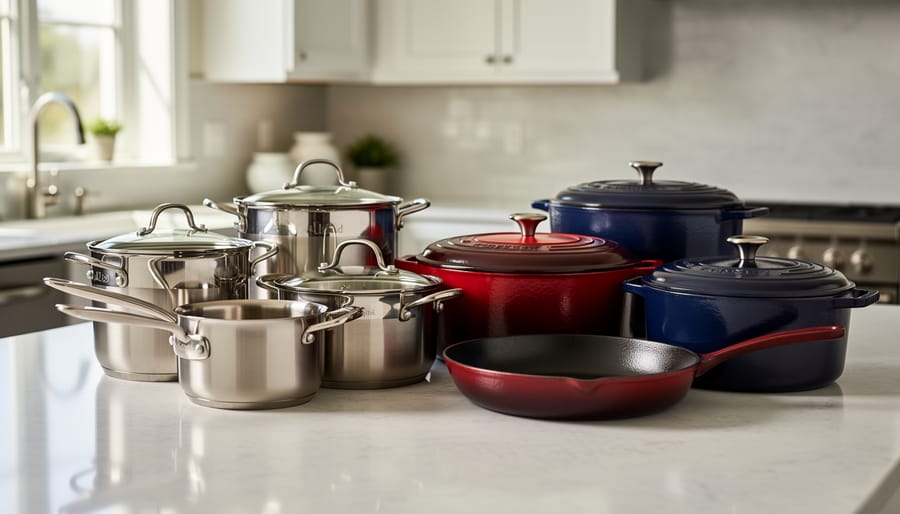
When Consumer Reports releases their cookware rankings, certain premium names consistently rise to the top, and for good reason. These brands have built their reputations on exceptional craftsmanship and performance that translates into everyday cooking success.
All-Clad frequently dominates the stainless steel category, earning praise for superior heat distribution and durability that can last generations. Their tri-ply construction creates that even heating home cooks crave, though considerations like All-Clad handle performance matter for safe handling during cooking. While the investment is significant, many view quality cookware as essential to creating a warm, inviting kitchen where families gather.
Le Creuset’s enameled cast iron consistently ranks among the best for both functionality and aesthetic appeal. Their Dutch ovens retain heat beautifully, making them ideal for slow-cooked meals that fill your home with comforting aromas. The vibrant colors add personality to any kitchen, transforming cookware into a lifestyle element that enhances your home’s character.
Brands like Zwilling and Demeyere also earn high marks for their engineering excellence and long-term value. These premium options align with sustainable living principles since investing in durable cookware reduces waste from replacing cheaper alternatives every few years. Quality cookware becomes part of your home’s story, much like a well-maintained fireplace anchors a living space.
Budget-Friendly Winners
You don’t need to spend a fortune to bring quality cookware into your kitchen. Consumer Reports consistently recognizes several budget-friendly brands that deliver impressive performance without the premium price tag.
Tramontina stands out as a remarkable value leader, particularly their tri-ply stainless steel collection. These pieces routinely score high marks for even heating and durability, often performing comparably to sets costing three times as much. Home cooks appreciate that quality doesn’t require sacrificing your renovation budget for that dream fireplace you’ve been planning.
Lodge cast iron cookware represents another wallet-friendly champion. Their pre-seasoned skillets earn top ratings while costing a fraction of boutique brands. Cast iron’s natural heat retention creates that cozy, hearth-like cooking experience that transforms meal preparation into something special. Plus, these pieces last generations when properly maintained, making them an eco-friendly choice that reduces waste.
When comparing popular cookware brands, remember that higher price tags don’t always guarantee better performance. Consumer Reports testing reveals that thoughtful design and quality materials matter more than marketing hype. These budget winners prove you can create a warm, inviting kitchen space where cooking becomes a joy rather than a chore, all while keeping your finances in check for other home improvements.
The Hidden Factors Consumer Reports Doesn’t Weigh Heavily
Sustainability and Eco-Friendly Manufacturing
Just as choosing eco-friendly heating solutions for your home matters, selecting sustainably made cookware creates a warmer, more responsible kitchen environment. Several brands now prioritize environmental stewardship alongside performance, and Consumer Reports increasingly recognizes this shift.
Made In stands out for manufacturing in family-owned facilities with strict environmental standards, while their durable construction means fewer replacements over decades. Le Creuset’s cast iron pieces literally last generations—many families pass down cookware that has cooked thousands of meals, eliminating waste entirely. This longevity approach aligns perfectly with sustainable living principles.
Great Jones uses recycled materials in their packaging and partners with manufacturers committed to reducing carbon emissions. Meanwhile, brands focusing on stainless steel cookware safety also tend toward eco-friendly choices, since quality stainless steel is infinitely recyclable and free from harmful coatings that degrade.
Consumer Reports doesn’t currently score sustainability as heavily as performance metrics, so eco-conscious shoppers should look beyond overall ratings. Check for certifications like B Corp status, ethical sourcing disclosures, and warranty lengths that indicate manufacturer confidence in durability. Investing in well-made cookware reduces replacement cycles and kitchen waste—much like choosing a quality fireplace insert over disposable heating options. The warmth you create cooking on sustainable cookware nourishes both family and planet.
The Ambiance Factor: Cookware as Kitchen Design
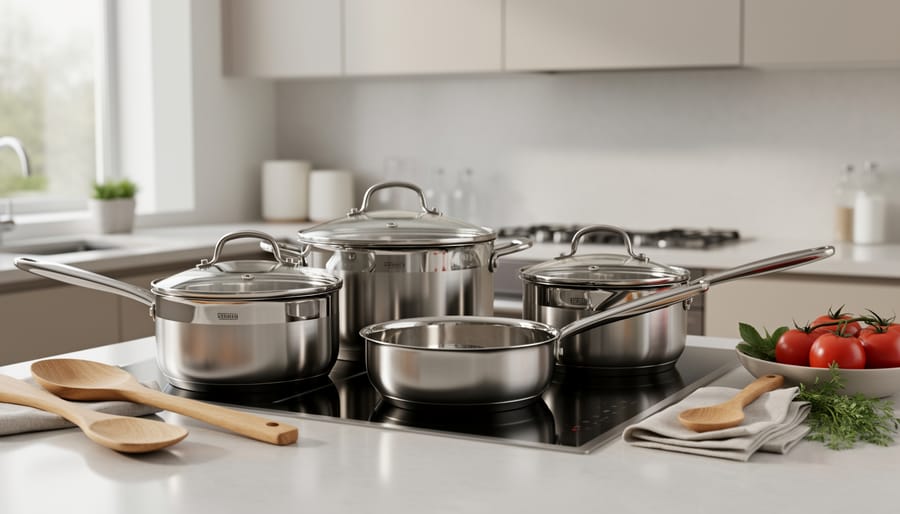
Just as a thoughtfully designed fireplace becomes the heart of your living room, your cookware choices can transform your kitchen into a welcoming gathering space. When reviewing cookware ratings, it’s easy to focus solely on performance metrics, but the warmth and character these pieces bring to your kitchen matter too.
Consider how gleaming copper cookware catches morning sunlight, creating the same inviting glow as a crackling fire. Cast iron skillets displayed on open shelving tell stories of family meals, much like a stone hearth anchors memories in your home. Even modern stainless steel collections, when thoughtfully chosen, can reflect your commitment to creating a beautiful, functional space where loved ones naturally gather.
The best cookware serves a dual purpose: exceptional cooking performance paired with aesthetic appeal that makes your kitchen feel alive. Think about cookware that you’ll proudly leave on the stovetop rather than hiding away. This visibility matters because your kitchen, like any warm home gathering space, should reflect your personal style while inviting connection. When Consumer Reports ranks cookware, they measure heat distribution and durability, but only you can measure how these pieces make your kitchen feel like home.
Lifetime Value vs. Test Performance
Here’s something worth considering: cookware that earns moderate test scores sometimes outlasts those flashy top performers by decades. Think of it like choosing a dependable cast iron skillet over trendy nonstick—it’s about the long game. Brands like Le Creuset and vintage All-Clad may not always sweep every performance category, yet their exceptional warranties, repairability, and timeless construction make them genuine investments. While Consumer Reports focuses on immediate performance metrics, real-world durability tells a different story. That moderately-rated Dutch oven you can pass down to your grandchildren or repair affordably carries more practical value than something that tests perfectly but fails after five years. Consider warranty terms, replacement part availability, and the manufacturer’s reputation for standing behind their products. Just as you’d choose quality materials for creating a warm, lasting home environment, your cookware deserves the same thoughtful consideration. Sometimes the wisest purchase isn’t the highest-rated one, but the piece that becomes a reliable kitchen companion for life, reducing waste and saving money over time through sustainable longevity.
How to Read Consumer Reports Ratings Like a Pro
Matching Ratings to Your Cooking Style
The best cookware ratings mean nothing if they don’t align with how you actually cook. Think of it like choosing heating solutions for your home—the most efficient fireplace won’t serve you well if it doesn’t match your lifestyle and space.
Start by honestly assessing your cooking patterns. If you’re someone who loves a perfectly seared steak or crispy-skinned salmon, prioritize cookware that scores high in heat distribution and browning capabilities. These pieces reach high temperatures evenly, creating that restaurant-quality crust you’re after.
For those who embrace slow, nurturing cooking methods—think hearty stews, braised meats, or Sunday sauces—focus on heat retention ratings and durability scores. You need cookware that maintains steady, gentle warmth over extended periods, much like how a well-designed fireplace creates consistent comfort throughout an evening.
Bakers and roasters should zero in on oven-safe ratings and weight considerations. Heavy pieces retain heat beautifully for even baking, but they need to be manageable enough for safe handling when moving from stovetop to oven.
Consider your cleaning preferences too. If you value quick cleanup after preparing meals, nonstick performance ratings become crucial. However, if you’re willing to invest time in maintenance for superior performance and longevity, high-scoring stainless steel or cast iron options might better suit your needs.
Finally, think about your commitment to sustainable living. Some highly-rated cookware lasts decades with proper care, making it an eco-friendly choice despite higher upfront costs—an investment in both quality cooking and environmental responsibility.
Red Flags in Ratings You Shouldn’t Ignore
When browsing cookware ratings, certain warning signs deserve your immediate attention, just as you’d inspect a fireplace for cracks before installation. Think of these red flags as the smoke detector for your kitchen investment.
Poor heat retention scores should grab your attention first. If a pan can’t maintain steady temperature when you add cold ingredients, you’ll struggle with everything from searing steaks to creating that perfect simmer for sauces. This isn’t just about cooking performance—it’s about energy efficiency too. Cookware that loses heat quickly forces your stove to work harder, wasting energy much like an inefficient heating system wastes fuel.
Handle durability issues represent another critical concern. Reviews mentioning loose rivets, handles becoming uncomfortably hot during normal use, or connections weakening after moderate use are serious safety warnings. You wouldn’t compromise on fireplace safety features, so don’t overlook this in cookware either.
Watch for patterns in user complaints about warping, especially on induction or glass cooktops. A warped pan creates uneven heating and that annoying wobble that makes cooking frustrating. Similarly, coatings that deteriorate within the first year signal poor quality, regardless of how well-rated the cookware initially appeared.
Pay special attention to comments about difficult cleanup or staining that doesn’t respond to normal washing. This often indicates manufacturing shortcuts that’ll make your daily cooking routine unnecessarily burdensome. Multiple reviews mentioning the same specific problem—whether it’s food sticking in particular spots or discoloration after normal use—shouldn’t be dismissed as isolated incidents.
Beyond the Ratings: Building Your Ideal Cookware Collection
The Essential Pieces Every Kitchen Needs
Before getting lost in ratings and reviews, let’s talk about what actually matters in your kitchen. Just like building the perfect fire starts with quality fundamentals, a well-equipped kitchen begins with a core collection of versatile pieces.
Start with a 10-12 inch skillet that can handle everything from morning eggs to evening stir-fries. Add a 3-4 quart saucepan with a lid for sauces, grains, and smaller portions. A large stockpot (8 quarts minimum) becomes essential for soups, pasta, and batch cooking. Round out your basics with a smaller 8-inch skillet for single servings and a sauté pan with straight sides for dishes requiring extra depth.
This foundation covers about 90% of home cooking tasks. Think of it like creating a warm, inviting kitchen space—you don’t need every gadget, just the right tools that work hard and last. When comparing cast iron versus modern cookware, remember that versatility often trumps specialization.
Consumer Reports can guide you toward quality within each category, but understanding what you genuinely need prevents overbuying. Choose pieces that complement your cooking style and commit to caring for them properly. Quality cookware, like a well-maintained fireplace, rewards attention with years of reliable performance.
Special Considerations for Alternative Heat Sources
If you’re among the growing number of homeowners embracing wood-burning stoves or outdoor cooking spaces, your cookware needs extend beyond what standard ratings typically evaluate. These alternative heat sources create unique cooking environments that demand special consideration.
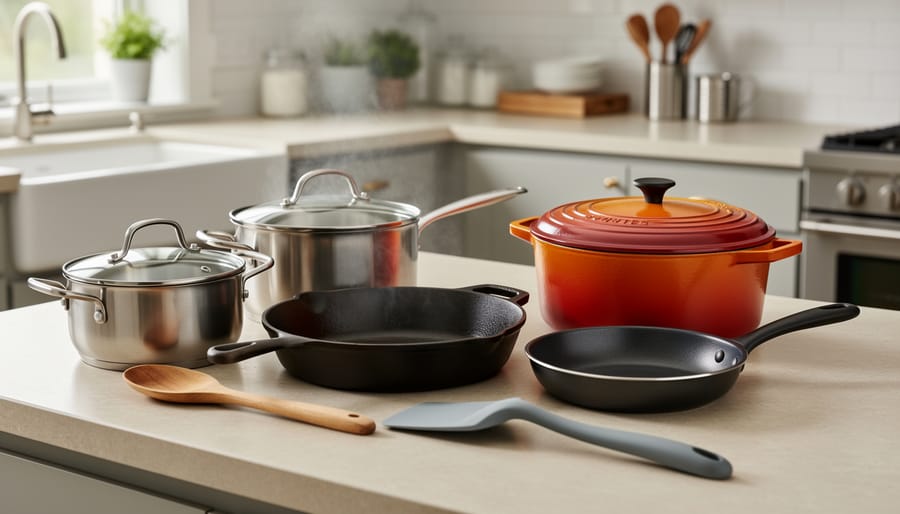
For wood stove cooking, cast iron remains the undisputed champion. Its exceptional heat retention and durability make it ideal for uneven heat distribution from wood fires. Consumer Reports cookware ratings often focus on gas and electric ranges, but cast iron’s performance on wood stoves speaks for itself through generations of use. Look for pieces with sturdy handles and flat bottoms that maximize contact with your stove’s surface.
Outdoor cooking setups, whether over open flames or in wood-fired ovens, benefit from heavy-duty materials that can withstand extreme temperature fluctuations. Enameled cast iron works beautifully for Dutch oven cooking, while carbon steel pans offer excellent heat responsiveness for campfire cooking. These eco-friendly heating solutions connect us to traditional cooking methods while reducing our reliance on conventional energy sources.
When selecting cookware for alternative heat sources, prioritize thickness and construction quality over nonstick coatings, which can degrade quickly under high, fluctuating temperatures. Consider the romance and practicality of cookware that enhances your lifestyle while supporting sustainable living practices. The best pieces will serve you reliably whether you’re cooking on your wood stove on a winter evening or preparing meals in your outdoor kitchen space.
Consumer Reports cookware ratings offer valuable, science-backed insights that can absolutely guide your purchasing decisions. Think of these ratings as one trusted voice in a larger conversation about what belongs in your kitchen. Just as you wouldn’t choose a fireplace based solely on BTU output without considering how it fits your living space and lifestyle, cookware decisions deserve that same thoughtful, holistic approach.
The testing data provides an excellent starting point, revealing which pans heat evenly, resist warping, and stand up to daily use. But the perfect cookware set for your home depends on factors that no laboratory can measure. Consider how you actually cook, the stovetop you own, and whether you prioritize quick weeknight meals or leisurely Sunday projects. Your values matter too. If sustainability guides your home choices, from eco-friendly heating solutions to energy-efficient appliances, that same philosophy should influence your cookware selection.
Creating a warm, inviting home extends beyond the living room fireplace into every space where your family gathers. Your kitchen deserves cookware that performs beautifully while reflecting your commitment to quality and environmental responsibility. By combining Consumer Reports’ objective testing with your personal priorities and cooking style, you’re making an informed choice that will enhance both your culinary results and your overall home comfort for years to come. Trust yourself to weigh the evidence and select cookware that truly serves your household’s unique needs.