

Picture warm air rising naturally from your basement or crawlspace, traveling upward through your home like invisible currents of comfort. That’s exactly how an upflow air handler works—drawing cool air from below, heating it through your HVAC system, and pushing it upward through ductwork to warm every room from the ground up.
For homeowners who cherish the cozy glow of a fireplace but struggle with uneven heating throughout their home, understanding upflow systems becomes essential. While your fireplace creates that perfect ambiance in your living room, an upflow air handler ensures that warmth doesn’t just hover in one spot. Instead, it distributes heated air efficiently across all floors, complementing your fireplace’s radiant heat with consistent, whole-home comfort.
Think of your upflow air handler as the workhorse behind your home’s heating strategy. Installed in basements, crawlspaces, or ground-level utility rooms, these systems take advantage of natural convection—warm air’s tendency to rise—making them incredibly efficient for multi-story homes. They’re particularly valuable during those chilly evenings when you want both the romantic crackle of flames and reliable warmth in bedrooms upstairs.
Whether you’re building new, replacing an aging system, or simply trying to maximize your heating efficiency while reducing your environmental footprint, upflow air handlers offer a practical, eco-conscious solution that works harmoniously with your existing fireplace setup. Understanding how they function helps you make informed decisions about creating the warm, inviting home environment you desire.
What Is an Upflow Air Handler and How Does It Work?
The Simple Science Behind Upflow Systems
Understanding how upflow air handlers work starts with a simple truth we all learned in school: warm air rises. It’s nature’s way, and upflow systems are designed to work in harmony with this basic principle rather than fighting against it.
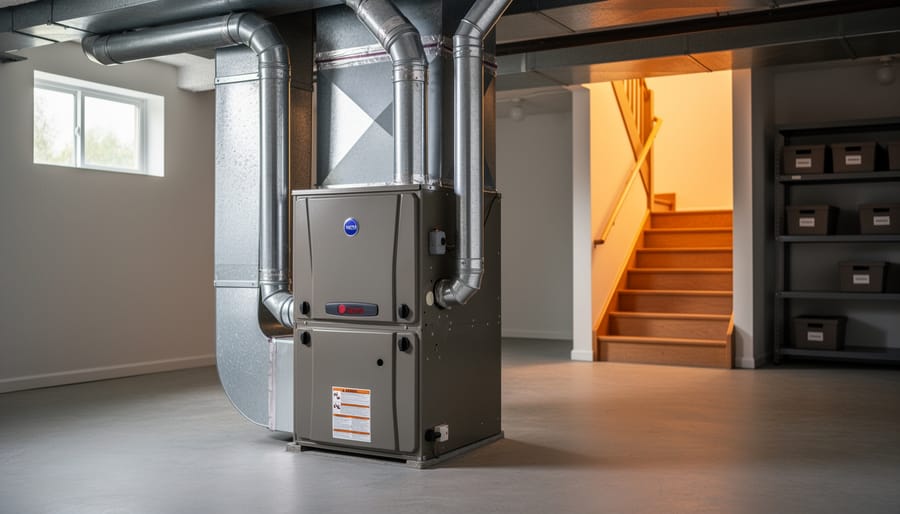
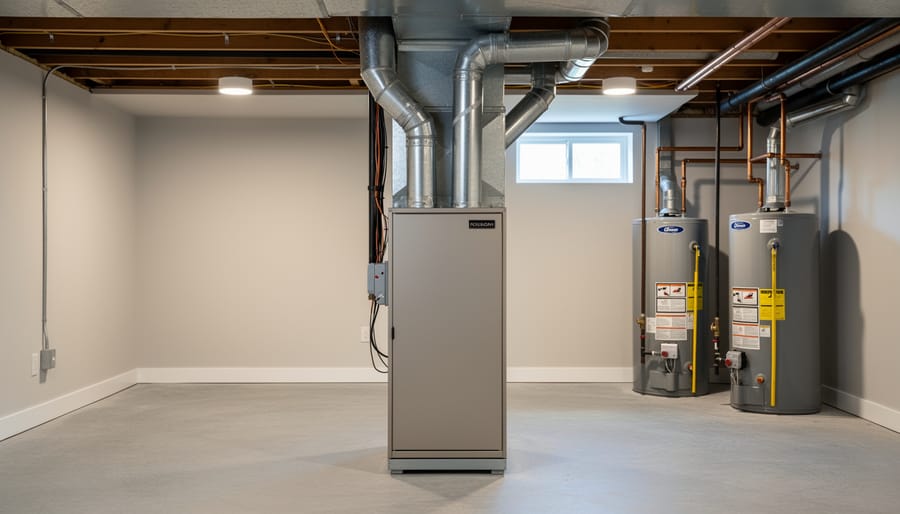
Here’s how it works in your home. The upflow air handler sits in your basement or crawlspace and pulls in cooler air from your living spaces through return ducts. Inside the unit, your heating system warms this air, and then the handler pushes it upward through ductwork into your rooms above. Because the heated air naturally wants to rise anyway, the system isn’t working against physics—it’s actually riding that natural wave of warmth.
This design creates a beautiful synergy, especially if you have a fireplace as part of your heating strategy. The warmth from your hearth combines with the heated air flowing upward from your air handler, creating layers of comfortable temperature throughout your home. The result? More even heat distribution and that cozy, whole-home warmth you’re craving without cold spots or wasted energy. It’s efficient heating that respects both science and comfort.
Key Components You Should Know About
Think of your upflow air handler as the heart of your home’s comfort system. At its core, you’ll find three essential components working together to keep your space cozy. The blower is like a gentle fan that pushes warm air upward through your ducts, distributing heat from your furnace or fireplace throughout your home. Next are the heating and cooling coils, which do the heavy lifting of actually warming or cooling the air as it passes through. Finally, there’s the air filter, your home’s quiet guardian that catches dust, allergens, and particles before they circulate. This simple setup means fewer parts to worry about and easier maintenance down the road. When you’re investing in an upflow system, you’re essentially purchasing a reliable workhorse that pairs beautifully with eco-friendly heating solutions like modern fireplaces, helping to move that comforting warmth from room to room efficiently. Understanding these basics helps you make informed decisions about your home’s heating strategy and ensures you’re getting the most value from your investment.
Why Upflow Air Handlers Work Beautifully With Fireplaces
Solving the ‘Too Hot Here, Too Cold There’ Problem
You know the scenario all too well: your fireplace is crackling beautifully, creating a wonderfully toasty living room, while your bedroom down the hall feels like an icebox. You’re layering blankets in one part of the house while practically standing in front of the fire in another. It’s frustrating, wasteful, and definitely not the cozy whole-home comfort you were hoping for.
This temperature imbalance is one of the most common complaints among fireplace owners, and it’s where upflow air handlers truly shine. These systems work specifically to tackle the challenge of heat distribution by pulling air from below, warming it as it passes through your heating system, and then pushing that conditioned air upward and throughout your home’s ductwork.
Think of it as giving your fireplace’s warmth a helping hand. Instead of letting all that beautiful heat stubbornly stay in one room, an upflow system ensures proper air circulation throughout your entire living space. The warm air gets channeled where you need it most, creating consistent comfort from room to room.
If you’ve ever walked through your home measuring temperature differences and been shocked by the variations, an upflow air handler addresses exactly this issue. By maintaining steady airflow patterns, these systems help eliminate those frustrating hot and cold zones, letting you enjoy your fireplace’s ambiance while keeping your whole family comfortable, no matter which room they’re in.
Better Air Quality Around Your Fireplace
When you pair an upflow air handler with your fireplace, you’re not just spreading warmth—you’re actively improving the air quality throughout your home. These systems work beautifully with wood-burning and gas fireplaces by keeping air circulating, which prevents smoke, ash particles, and combustion byproducts from settling in one area.
The upflow design draws air from lower levels where dust and allergens tend to collect, then pushes it upward through filtration systems before distributing it throughout your living spaces. This continuous movement means fewer airborne particles hanging around your fireplace area, creating a fresher, cleaner environment for your family.
Modern upflow air handlers often include HEPA or high-efficiency filters that capture fine particulates released during burning. This is especially valuable during cozy winter evenings when your fireplace is working its hardest. Combined with proper ventilation and maintaining your fireplace regularly, the consistent airflow helps dilute any indoor pollutants while ensuring oxygen-rich air circulates freely.
The result? You get to enjoy your fireplace’s ambiance without compromising on air quality—a win-win for comfort and health-conscious homeowners seeking eco-friendly heating solutions.
When an Upflow Air Handler Makes the Most Sense
Basement or Ground-Level Installation Scenarios
If your home has a basement or a dedicated ground-level equipment room, you’ve already got the perfect setup for an upflow air handler. These spaces are ideal because the system naturally works with your home’s structure rather than against it.
Think about it: when your air handler sits in the basement, it pulls in air from the lower level, conditions it, and sends it upward through your ductwork to warm or cool the floors above. This vertical flow pattern mirrors how warm air naturally wants to rise, making it incredibly efficient for distributing heat from both your HVAC system and complementary sources like your fireplace.
Basements offer practical advantages too. There’s typically more space to work with, making installation and future maintenance easier. The room stays relatively temperature-stable year-round, which helps your system operate more efficiently. Plus, positioning equipment below living spaces keeps operational noise away from bedrooms and gathering areas where you want peace and quiet.
Ground-level mechanical rooms work similarly well, especially in homes without basements. These dedicated spaces keep your heating equipment accessible while maintaining that beneficial upward airflow pattern. Whether you’re creating a cozy environment with your fireplace or relying on your HVAC system alone, an upflow configuration in these locations ensures comfortable, even heating throughout your home.

Multi-Story Homes With Fireplaces
If you have a multi-story home with a cozy fireplace on your main floor, an upflow air handler could be your secret weapon for spreading that warmth throughout your entire living space. Here’s why this pairing works so beautifully together.
Upflow systems are specifically designed to push heated air upward, which naturally complements how heat from your fireplace already behaves. When your fireplace creates that wonderful warmth on the main level, the upflow handler captures and circulates heated air from your HVAC system in the same upward direction, effectively layering warmth from floor to floor. This creates a more consistent temperature experience as you move between levels, eliminating those frustrating cold spots in upstairs bedrooms.
The beauty of this combination lies in efficiency and comfort. Your fireplace provides localized, ambient heat that makes your main living areas feel inviting and cozy, while the upflow system ensures that bedrooms and upper-level spaces don’t feel neglected. This tag-team approach means you’re not overworking either heating source, which can translate to energy savings and a more eco-friendly home heating strategy.
For families who love gathering around the fireplace but still want whole-home comfort, this setup delivers the best of both worlds without compromising the lifestyle ambiance that makes a house feel like home.
Energy Efficiency and Eco-Friendly Benefits
Using Less Energy by Distributing Fireplace Heat Better
When your upflow air handler works in harmony with your fireplace, something wonderful happens: warmth circulates more efficiently throughout your entire home. This means your fireplace doesn’t need to burn as intensely to achieve that cozy temperature you’re after, and your backup heating system can take a well-deserved break.
Think of it this way: without proper circulation, your fireplace might heat one room beautifully while the rest of your home stays chilly. You’d naturally crank up the thermostat or add more wood to compensate. But when an upflow system distributes that precious fireplace warmth room by room, you’re using the heat you’ve already created instead of generating more. This improved fireplace efficiency translates directly into lower energy bills and reduced fuel consumption.
The environmental benefits extend beyond just saving money. By maximizing the heat your fireplace produces, you’re burning less wood or using less gas, which means fewer emissions and a smaller carbon footprint. Your heating system runs less frequently, consuming less electricity or fuel oil. It’s a win-win: you stay comfortable while treading lighter on the planet, all through the simple power of better air circulation.
Pairing With Eco-Friendly Heating Sources
One of the most exciting advantages of upflow air handlers is their seamless compatibility with today’s eco-friendly heating sources. If you’re committed to sustainable living while maintaining that cozy home atmosphere, this pairing becomes even more valuable.
Upflow systems work beautifully alongside bioethanol fireplaces, which produce clean-burning heat without the need for venting or chimneys. The air handler can help distribute this gentle, sustainable warmth throughout your living spaces, ensuring no room feels left out. Similarly, high-efficiency gas units benefit tremendously from upflow distribution—these modern marvels already minimize energy waste, and when combined with an upflow system, they create an incredibly efficient heating solution that reduces both your carbon footprint and utility bills.
The beauty of this partnership lies in balance. Your eco-friendly heating source provides the warmth, while the upflow air handler ensures it travels efficiently through your home. This means you can embrace sustainable heating technologies without sacrificing comfort or even heat distribution. Whether you’re heating a single level or multiple floors, this combination supports your environmental values while creating the warm, inviting atmosphere that makes a house truly feel like home.
Installation Considerations and What to Expect
Space and Location Requirements
Before installing an upflow air handler, you’ll need to evaluate your space carefully to ensure proper function and safety. These units typically require a dedicated area in your basement, crawl space, or ground-floor utility room where air can be drawn from below and pushed upward through your ductwork.
Plan for at least 24 to 30 inches of clearance on all sides of the unit for maintenance access and safe airflow. This breathing room is especially important if you’re integrating the system with your fireplace heating setup, as proper circulation prevents hotspots and ensures that cozy warmth reaches every corner of your home.
The installation area should be level, dry, and free from obstructions. Consider proximity to existing ductwork and your main heating source to maximize efficiency. You’ll also want adequate electrical access nearby. If moisture is a concern in your basement, address drainage issues before installation to protect your investment and maintain optimal performance throughout the heating season.
Working With a Professional Installer
Choosing the right HVAC professional makes all the difference in getting your upflow air handler working harmoniously with your home’s heating systems. Start by asking potential installers about their experience specifically with upflow systems and how they’ve integrated them with supplemental heating sources like fireplaces. A qualified professional should assess your home’s existing ductwork, evaluate airflow patterns, and explain how the upflow design will distribute warmth from your fireplace throughout your living spaces.
During installation, expect the process to take one to two days, depending on your home’s configuration. Your installer should test the system thoroughly, verify proper connections to your thermostat, and ensure the air handler coordinates smoothly with your fireplace heating. They should also explain maintenance requirements and demonstrate how to change filters.
Don’t hesitate to ask about energy efficiency ratings, warranty coverage, and whether the system supports eco-friendly heating goals. A trustworthy installer will provide clear answers, offer multiple options that fit your budget, and focus on creating a comprehensive heating solution that keeps your entire home cozy and comfortable year-round.
Maintenance Tips to Keep Your System Running Smoothly
Monthly and Seasonal Maintenance Tasks
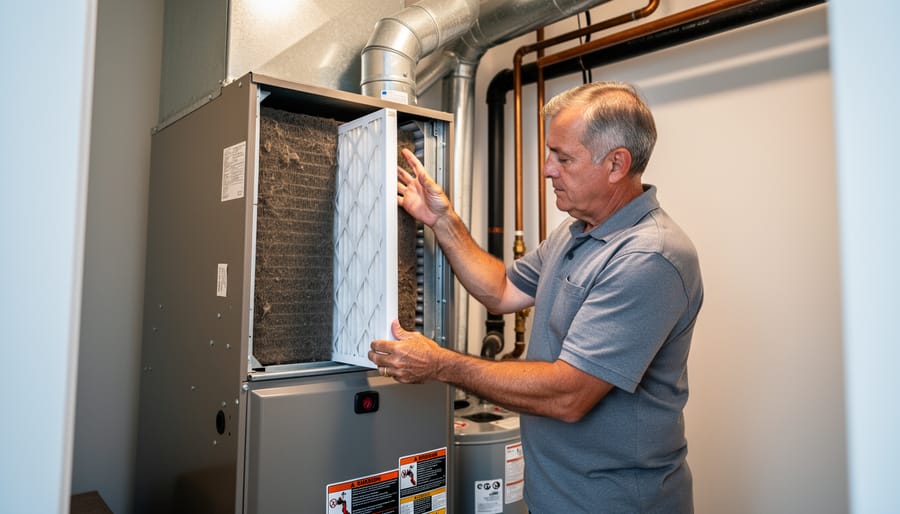
Keeping your upflow air handler in peak condition doesn’t require much time, but consistency matters. Set a reminder to check your air filter monthly, especially during heavy heating or cooling seasons when you’re running your fireplace alongside your HVAC system. A clogged filter forces your system to work harder, reducing efficiency and potentially affecting how well warm air circulates throughout your home.
Every month, take a few minutes to visually inspect the area around your air handler. Look for any signs of moisture, unusual dust accumulation, or debris that might have found its way into the unit. Listen for any strange noises when the system runs—grinding or rattling sounds deserve professional attention.
As seasons change, prepare your upflow system accordingly. Before winter arrives, replace filters and ensure all vents are unobstructed so heated air from your fireplace and HVAC can flow freely. Come spring, do another filter change and schedule a professional tune-up to catch any wear from the busy heating season. Clear away any storage items you might have placed near the unit during warmer months.
These simple maintenance habits protect your investment and ensure your home stays comfortably warm when you’re gathered around the fireplace on chilly evenings.
When to Call in the Professionals
While upflow air handlers are generally reliable, certain warning signs mean it’s time to call a qualified HVAC technician. If you notice unusual noises like grinding or squealing, inconsistent temperatures throughout your home, or unexpectedly high energy bills, don’t wait to get professional help. Weak airflow or strange odors coming from your vents also warrant immediate attention, especially if you’re relying on your system to distribute warmth from your fireplace efficiently.
Even when everything seems fine, annual professional tune-ups are essential. A trained technician can catch small issues before they become costly repairs, ensure your system operates at peak efficiency, and verify that it’s working harmoniously with your heating sources. Regular maintenance extends your air handler’s lifespan and keeps your home’s cozy atmosphere consistent year-round. Think of it as an investment in your comfort and peace of mind.
Creating a warm, inviting home isn’t just about choosing the perfect fireplace—it’s about understanding how all your heating elements work together. Your upflow air handler plays a crucial role in this harmony, quietly distributing the warmth from your fireplace and HVAC system throughout every corner of your living space. When you think about comfort, you’re really thinking about consistent, balanced heat that reaches from your cozy living room to your upstairs bedrooms without cold spots or drafts.
By considering your upflow system as part of your complete air circulation strategies, you’re not just heating your home—you’re crafting an environment where warmth and ambiance flow naturally through every room. This whole-home approach maximizes both the romantic glow of your fireplace and the practical efficiency of modern HVAC technology, reducing energy waste while enhancing comfort.
As you plan your heating strategy, remember that the best homes feel warm not just from temperature alone, but from thoughtful design choices that work in concert. Your upflow air handler is the silent partner that helps turn your fireplace dreams into year-round comfort reality.