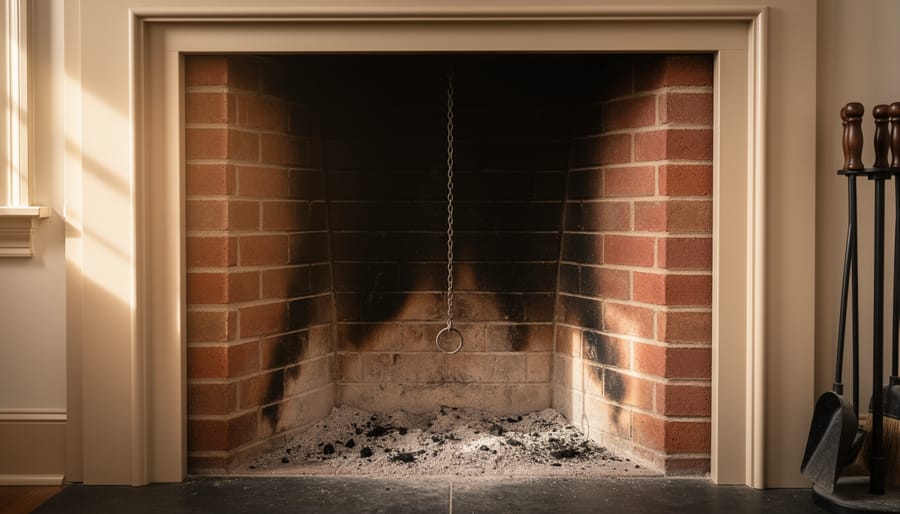


Look inside your firebox for these telltale signs: a floor made of firebrick or refractory panels (often reddish-orange or tan), a damper handle or chain hanging in the throat of the chimney, and most importantly, the complete absence of gas logs, burners, or gas line connections. Wood-burning fireplaces have a distinctly rustic, masonry interior with a wide, open chamber designed to contain live flames and glowing embers.
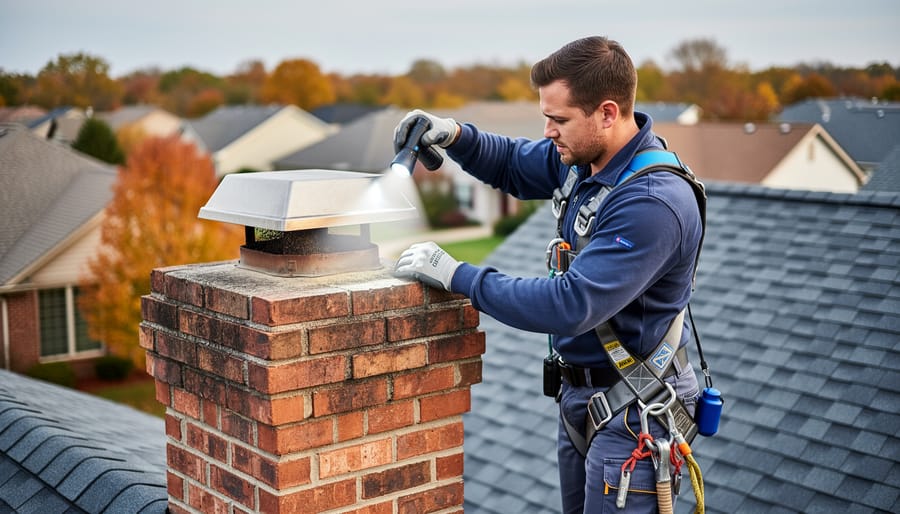
Check your chimney’s exterior top for a metal or clay chimney cap—wood burners need these to prevent debris and animals from entering, while also controlling downdrafts. Inside, run your finger along the firebox walls; a layer of black soot or creosote buildup is a dead giveaway that wood has been burned here before.
Examine the area around your fireplace for a cleanout door, typically located in the basement or outside at the chimney’s base. This ash removal access point exists exclusively in wood-burning systems, as they produce substantial ash that requires regular clearing.
Knowing what type of fireplace you own isn’t just about identification—it’s about safety, efficiency, and maximizing the cozy ambiance your hearth brings to your home. Wood-burning fireplaces offer an authentic, crackling fire experience and can serve as an eco-friendly heating solution when properly maintained, but they require specific care and attention that differs significantly from gas or electric alternatives.
Why Knowing Your Fireplace Type Matters
Identifying your fireplace type isn’t just about curiosity—it’s essential for your family’s safety and your home’s wellbeing. Using the wrong fuel in your fireplace can lead to dangerous carbon monoxide buildup, chimney fires, or costly structural damage. Imagine burning logs in a gas fireplace designed for clean-burning fuel, or worse, attempting to light a fire in what’s actually a decorative electric unit. The consequences range from inefficient heating to serious safety hazards.
Each fireplace type has unique maintenance needs that keep your home safe and warm. Wood-burning fireplaces require regular chimney sweeping to prevent creosote buildup, while gas units need different attention entirely. Your insurance provider also cares about what type of fireplace you’re operating—many policies have specific requirements and coverage limitations based on fuel type. Before you strike that first match, understanding what you’re working with helps you comply with local wood burning regulations and avoid potential fines.
Wood-burning fireplaces operate fundamentally differently from their modern counterparts. They create real combustion, producing smoke, ash, and requiring proper ventilation through a functional chimney. Gas and electric alternatives are cleaner and more controlled but lack that authentic crackling ambiance. Knowing your fireplace type empowers you to use it correctly, maintain it properly, and enjoy cozy evenings without worry—all while making environmentally conscious heating choices for your lifestyle.
The Telltale Signs of a Wood Burning Fireplace
Check the Firebox and Interior
The firebox—the interior chamber where fires burn—tells you almost everything you need to know about your fireplace’s fuel type. Start by looking at the construction materials. Wood-burning fireplaces typically feature brick, firebrick, or heat-resistant refractory panels lining the interior. These materials are designed to withstand the intense, direct heat of burning logs. You’ll often notice a rustic, utilitarian appearance with visible mortar joints between bricks.
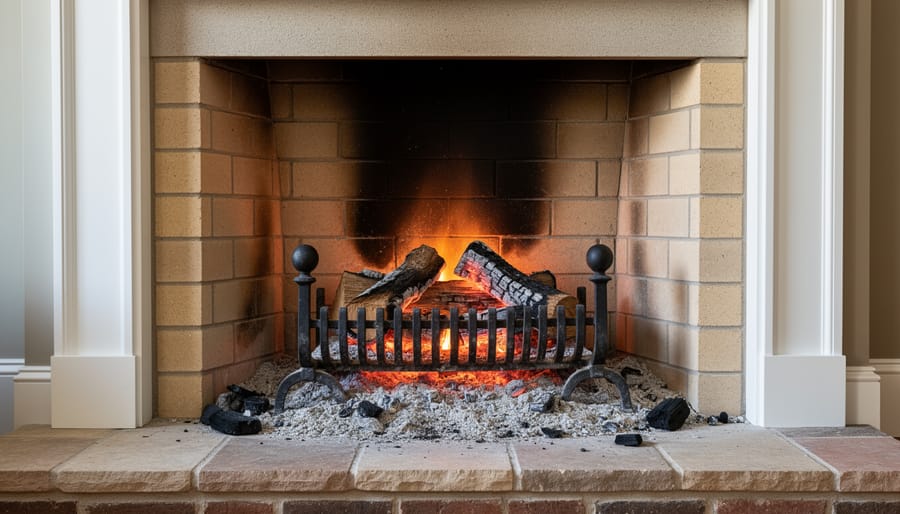
Next, examine the firebox for telltale signs of wood burning. Look for black soot stains on the walls and ceiling of the chamber—this is the signature of wood smoke. You might also spot ash residue or even charred wood remnants at the base. These are clear indicators that wood has been burned in this space.
Perhaps most importantly, check what’s not there. A wood-burning fireplace won’t have gas logs, ceramic logs, or any kind of gas burner assembly visible inside. If you see a gas key valve, control knob, or ignition switch anywhere near the firebox, you’re likely looking at a gas fireplace or a converted unit.
Finally, consider the dimensions. Wood-burning fireboxes tend to be deeper and more spacious than their gas counterparts—typically at least 12-16 inches deep—to accommodate full-sized logs. This generous depth not only improves burning efficiency but also creates that authentic, cozy ambiance that makes a wood fire such a cherished lifestyle element in your home.
Look for the Chimney and Damper
One of the most reliable ways to confirm you have a wood-burning fireplace is by looking up into the firebox. You should see a traditional chimney extending upward, creating that classic vertical passage designed to draw smoke out of your home. This is quite different from gas fireplaces, which typically use smaller, horizontal venting pipes that route through walls or ceilings.
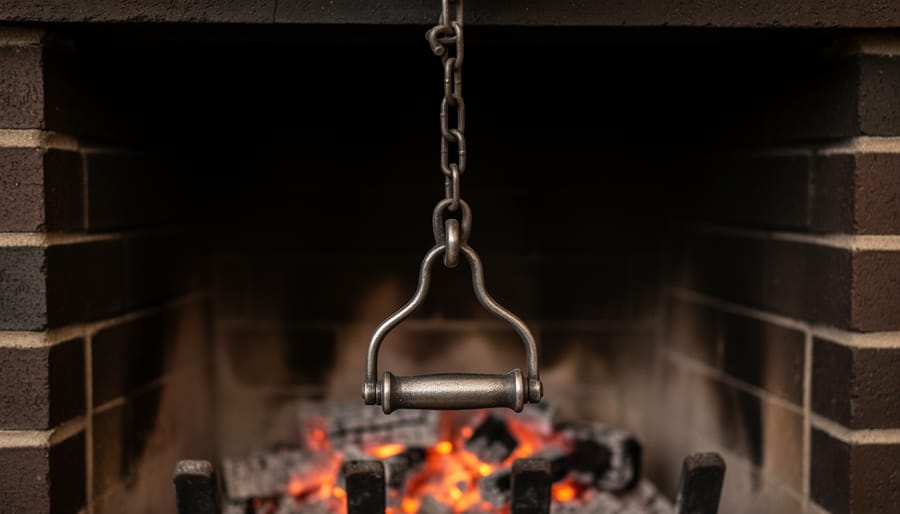
Next, locate the damper, which is a movable metal plate positioned just above the firebox opening. In wood-burning fireplaces, you’ll usually find a handle or lever either inside the firebox or mounted on the side wall. Try operating it by pushing or pulling the handle, and you should hear or feel the metal plate moving. When open, you might even see daylight or feel a draft of outside air coming down the chimney. This damper serves a crucial function: it stays open during fires to allow smoke to escape and closes when the fireplace isn’t in use to prevent heat loss and keep critters out.
Gas fireplaces, on the other hand, don’t require this type of damper system since they produce minimal combustion byproducts and often use direct venting technology. If you find a traditional damper with clear open and closed positions, you’re almost certainly looking at a wood-burning setup. This simple check gives you valuable insight into your fireplace’s capabilities and helps you understand how to operate it safely and efficiently.
Inspect for Gas Lines and Connections
One of the clearest ways to identify a wood-burning fireplace is by confirming the absence of gas components. Start by examining the area around and inside your fireplace for any metal pipes, typically copper or black iron, that might supply gas. Check along the fireplace walls and floor for control valves, which usually appear as small shut-off knobs or levers.
Look carefully inside the firebox itself for an ignition switch, pilot light assembly, or gas log connections. Wood-burning fireplaces won’t have any of these features. If you spot what appears to be a key valve on the exterior wall near your fireplace, this typically indicates gas capability.
However, approach this investigation with caution. If you’re uncertain about what you’re seeing or detect any gas odor, stop immediately and contact a professional. Never attempt to manipulate suspected gas lines or valves yourself, as this poses serious safety risks. Remember, some fireplaces have been converted from wood to gas over the years, so older homes might show signs of both systems. When in doubt, having a certified fireplace technician inspect your setup provides peace of mind and ensures you’re using your fireplace safely and efficiently for those cozy evenings ahead.
Examine the Grate and Ash Collection
Look inside your firebox and you’ll notice some telltale signs of a wood-burning system. A genuine wood-burning fireplace features a sturdy, heavy-duty metal grate—typically made of thick cast iron or steel bars—designed to elevate logs off the floor and allow air circulation underneath for efficient burning. This grate can handle the intense heat and weight of stacked firewood, unlike the lighter decorative elements you’d find in a gas fireplace.
Next, check the floor of your firebox. Wood-burning fireplaces usually have an ash dump—a small metal door or opening in the floor where you can sweep ashes into a collection pit below. You might also find a cleanout door on the exterior foundation of your home or in your basement, providing access to remove accumulated ash. This ash management system is essential for wood-burning units, as they produce significant amounts of ash that need regular removal. Gas fireplaces simply don’t need this feature since they burn clean and produce minimal residue. If you spot these heavy-duty components, you’re looking at a fireplace designed for the authentic experience of burning real wood.
What About Dual-Fuel or Converted Fireplaces?
Sometimes fireplaces lead double lives, and that can make identification trickier. If your home’s previous owners converted a wood-burning fireplace to gas, or if your wood fireplace has a gas starter system, you’ll notice some telltale hybrid features that deserve attention.
Look carefully at the floor of your firebox. If you spot a metal pipe or valve poking up through the center or side, you’ve found a gas line. In a true wood-burning fireplace with a gas starter, this pipe serves as a convenient ignition source—you turn a valve or key to create flames that help get your wood fire going more easily. Once your logs catch, you turn off the gas and enjoy a traditional wood fire. These systems offer the best of both worlds: the authentic experience of burning wood with the convenience of easy lighting.
However, if you see gas logs sitting on that pipe or burner assembly, your fireplace has likely been fully converted. Converted fireplaces may still have a damper and chimney system intact, creating confusion about their current function. Check for a permanently installed gas log set, decorative lava rocks, or a specialized burner—these indicate you should not burn wood anymore, even if the physical capability exists.
This distinction matters tremendously for both safety and efficiency. Burning wood in a converted gas fireplace can damage gas components and create dangerous carbon monoxide situations. If you’re uncertain about conversion status, examine your fireplace manual, check for gas shutoff valves near the fireplace, or consult your home inspection report. Understanding your fireplace’s true nature ensures you’ll use it safely while maximizing its comfort and ambiance potential. When in doubt, a quick professional assessment can clarify exactly what you’re working with and unlock the full lifestyle benefits your fireplace offers.
Quick Reference: Wood vs. Gas Fireplace Comparison
Still unsure about your fireplace type? Here’s a straightforward comparison to help you identify what’s warming your home:
Appearance: Wood-burning fireplaces feature a traditional masonry firebox with visible burn marks, ash residue, and often a cast iron damper. Gas models showcase ceramic logs or decorative stones sitting on a burner assembly with visible gas lines.
Operation: Wood fireplaces require manual fire-building with kindling and logs, producing real crackling flames and smoky aromas. Gas units ignite instantly with a wall switch, remote control, or thermostat—no wood stacking necessary. If you’re curious about operating costs, exploring gas fireplace alternatives can provide valuable insights.
Venting: Wood-burning systems always vent through a traditional chimney with a clay or metal liner. Gas fireplaces may use existing chimneys, direct venting through an exterior wall, or ventless technology.
Maintenance: Wood fireplaces demand regular ash removal, annual chimney sweeping, and creosote buildup monitoring for safety. Gas units need minimal upkeep—typically just annual inspections and occasional burner cleaning, making them a lower-maintenance choice for busy homeowners seeking cozy warmth without the hands-on effort.
Essential Maintenance Once You’ve Confirmed It’s Wood Burning
Annual Chimney Inspections and Cleaning
Once you’ve confirmed your fireplace burns wood, staying on top of professional maintenance becomes essential for your family’s safety and your home’s efficiency. Wood-burning fireplaces require annual inspections by certified chimney sweeps—ideally before the heating season begins each fall. These professionals do more than just clean; they check for structural damage, ensure proper ventilation, and remove creosote buildup, a highly flammable tar-like substance that accumulates when wood burns. Creosote is particularly dangerous because it can ignite and cause chimney fires, potentially spreading to your home. If you use your fireplace frequently—more than once a week throughout winter—you may need cleanings twice yearly. Regular inspections also help maintain your fireplace’s eco-friendly efficiency, ensuring complete combustion with minimal emissions. Think of it as an investment in both safety and the cozy ambiance that makes your wood-burning fireplace such a beloved feature of your home. A well-maintained chimney not only protects your family but also maximizes heat output while minimizing environmental impact.
Regular Ash Removal and Firebox Care
Proper ash management keeps your wood-burning fireplace running efficiently and safely. Allow ashes to cool completely for at least 24 hours before removal—hot embers can remain buried deep within seemingly cold ash. When disposing, use a metal container with a tight-fitting lid, never plastic or paper bags. Store the container on a non-combustible surface away from your home until you can spread cooled ashes in your garden as a natural, eco-friendly soil amendment rich in potassium and calcium.
Maintain a thin layer of ash (about one inch) on your firebox floor between cleanings. This protective bed actually improves combustion efficiency by insulating the base and reflecting heat upward. However, excessive ash buildup restricts airflow, leading to smoky, inefficient burns. Check your firebox regularly for cracks or deterioration in the refractory panels or brick lining. These protective barriers shield your home’s structure from extreme heat, so addressing damage promptly prevents costly repairs and maintains safe operation. A well-maintained firebox not only extends your fireplace’s lifespan but also ensures you’re getting the most warmth from every log you burn.
Identifying your wood-burning fireplace doesn’t have to be complicated. By checking for key indicators like the firebox material, chimney access, ash buildup, and damper type, you can confidently determine what kind of fireplace warms your home. Once you’ve confirmed it’s wood-burning, you’ll unlock the authentic charm and crackling ambiance that only real fires provide.
Proper maintenance is your next priority. Understanding creosote buildup dangers and practicing proper ash removal keeps your fireplace safe and efficient for years to come. When used responsibly with seasoned wood and regular cleaning, wood-burning fireplaces offer an eco-friendly heating solution that reduces reliance on fossil fuels while creating unforgettable moments with family and friends.
If you’re still uncertain about your fireplace type, don’t hesitate to consult a certified chimney professional. They’ll provide peace of mind and ensure your fireplace is ready to deliver warmth, beauty, and comfort to your home.