
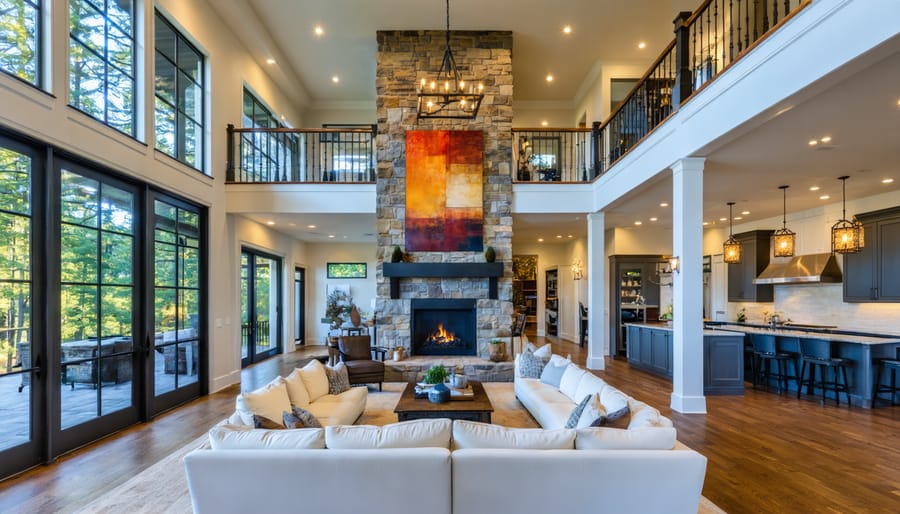
A two-story fireplace commands attention the moment someone enters your home, soaring from floor to ceiling as an architectural showpiece. Yet this dramatic vertical canvas often leaves homeowners puzzled about how to decorate it without overwhelming the space or leaving it awkwardly bare. The key lies in treating your tall fireplace as three distinct zones: ... Read more
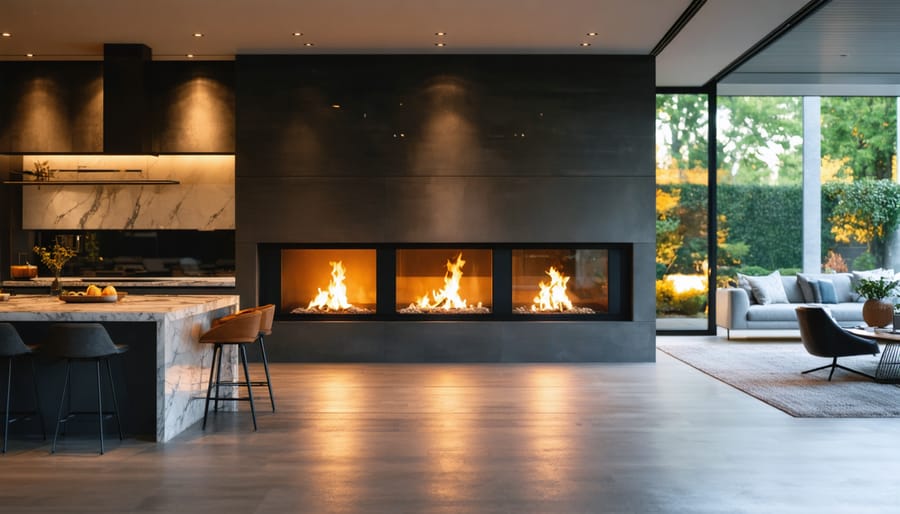
Picture a fireplace that doesn’t just warm one room—it transforms three spaces simultaneously, creating a stunning architectural centerpiece that pulls your entire home together. A 3-sided gas fireplace, also called a peninsula or three-way fireplace, offers transparent views from multiple angles, turning fire into living art that flows seamlessly between your kitchen, living room, and ... Read more
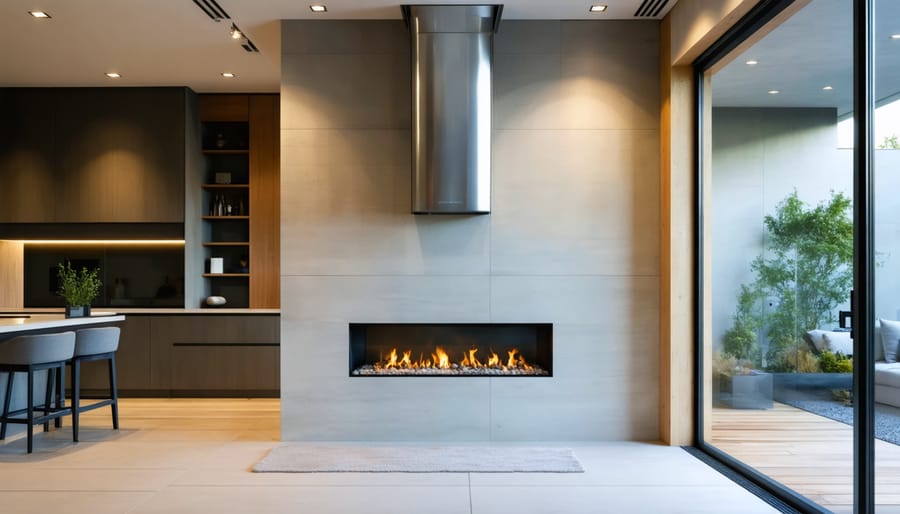
Choose a 6-inch diameter pipe when your bathroom fireplace produces over 40,000 BTUs or when manufacturer specifications explicitly require it—undersizing creates dangerous carbon monoxide risks and violates building codes. Match your pipe material to your fuel type: stainless steel for gas fireplaces, double-wall for wood-burning units, and always verify clearance distances from combustible materials like ... Read more
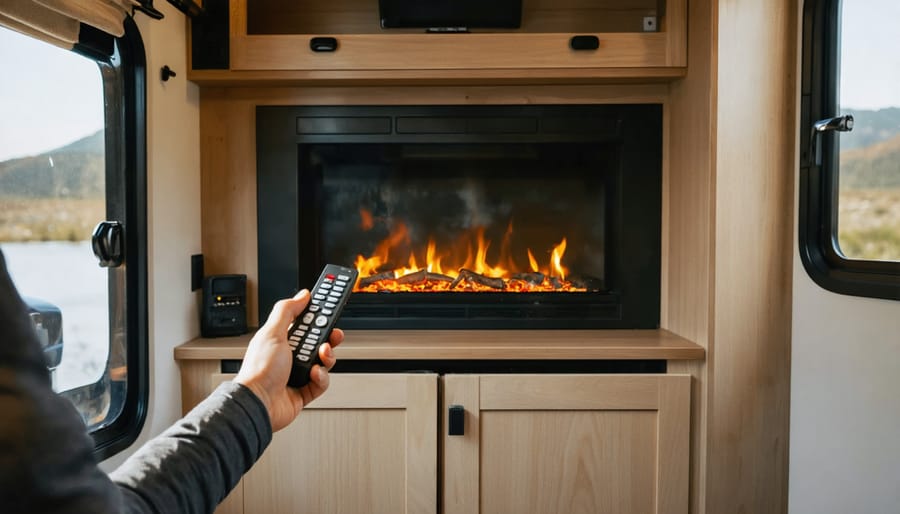
Check your circuit breaker first—RV electrical systems are sensitive to power draws, and electric fireplaces often trip breakers when competing with other appliances. Reset the breaker, then test your fireplace alone before adding other devices to the circuit. Inspect the power cord and outlet connection for looseness caused by road vibration, as RV travel constantly ... Read more
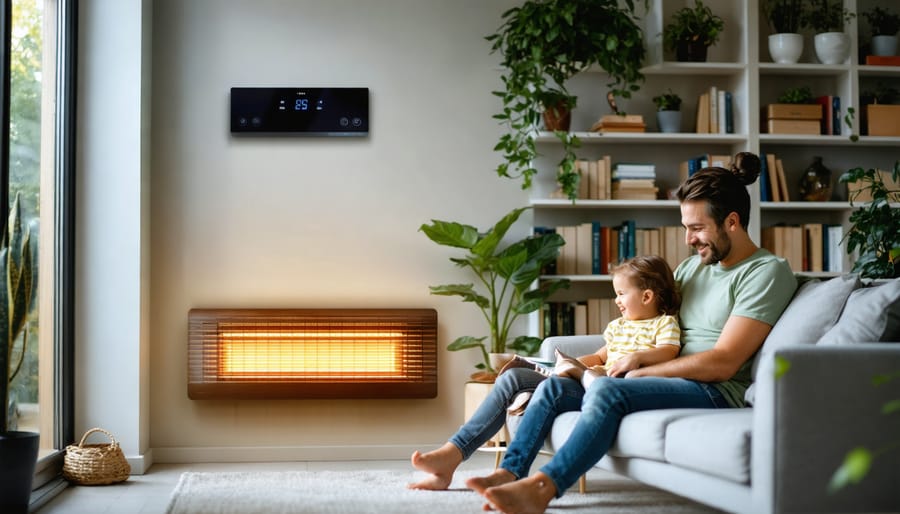
**Infrared heating is safe when used correctly**—and understanding exactly why can transform your approach to home comfort. Unlike traditional heating that warms the air (and all its dust), infrared heaters work like the sun, delivering gentle, direct warmth through electromagnetic waves that pose no health risks at safe distances. The confusion often stems from misunderstanding ... Read more
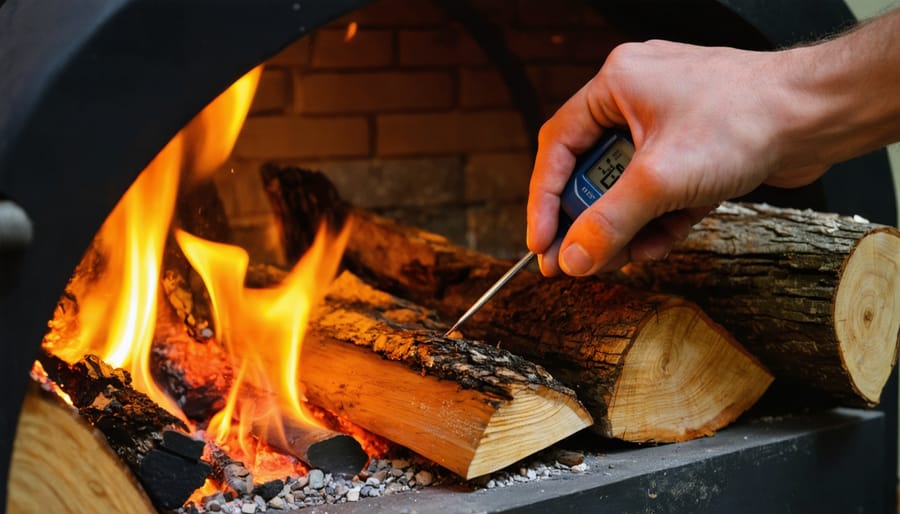
**Evaluate premium fireplace fuel against standard options by examining three critical performance factors: burn time, heat output, and ash production.** Premium fuels typically burn 30-50% longer and produce significantly less creosote buildup, directly impacting both your safety and maintenance costs. Calculate your cost-per-hour of burn rather than cost-per-bundle—this reveals whether you’re actually saving money with ... Read more
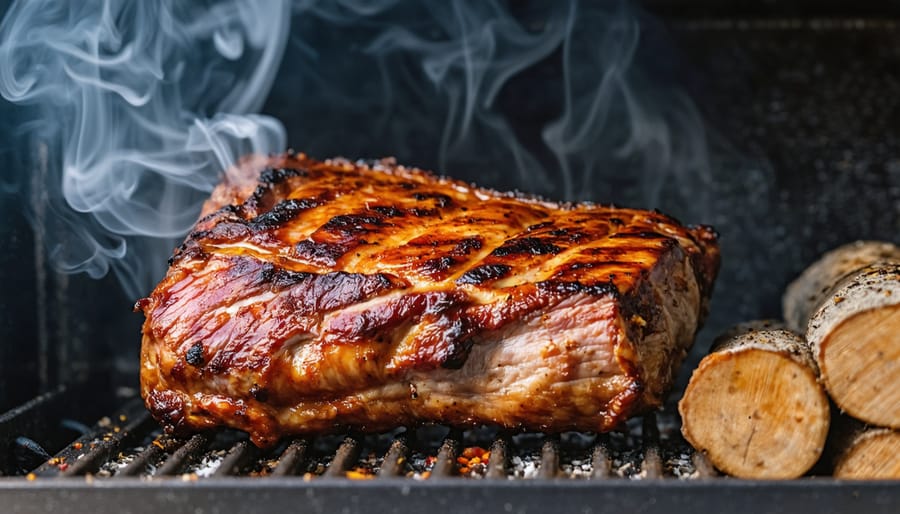
Start with a digital smoker or pellet grill that maintains temperature automatically—your first dozen smoking sessions shouldn’t require babysitting a firebox every thirty minutes. Choose pork shoulder or chicken thighs as your maiden voyage meats; both forgive temperature fluctuations and remain juicy even when you overshoot by twenty degrees. Keep your smoke thin and blue ... Read more
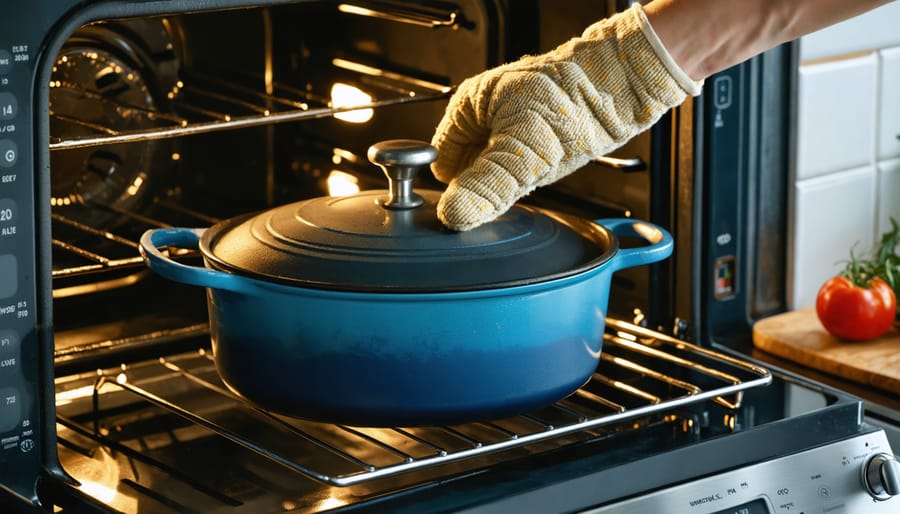
**Check the manufacturer’s markings on your pot’s base and lid handle** – look for “oven-safe” stamps or temperature ratings, typically ranging from 350°F to 500°F depending on materials. Glass lids with metal rims usually max out at 400°F, while all-metal construction can often handle higher temperatures. **Verify that every component can withstand oven heat** – ... Read more
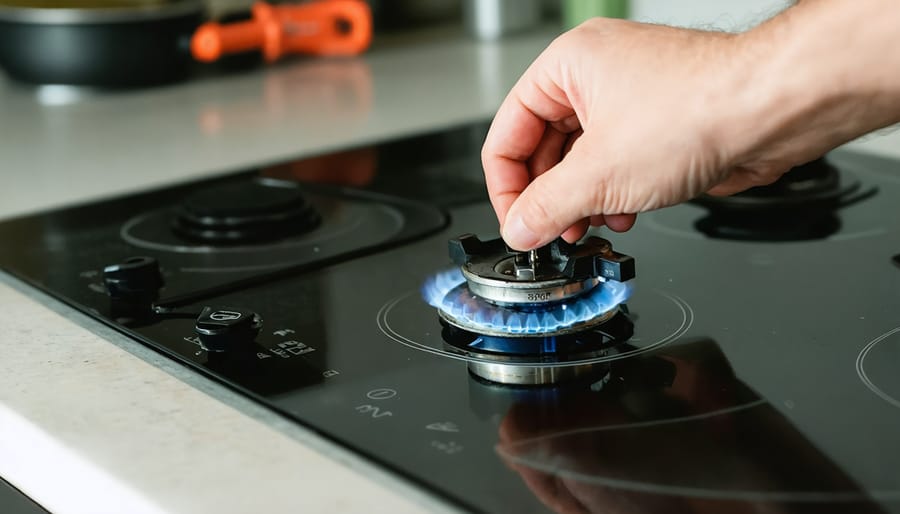
**Check your circuit breaker first**—flip it completely off, then back on, as electric stovetops often trip breakers during power surges or when multiple burners run simultaneously. If your stovetop powers on but burners won’t heat, test different burners to isolate whether you’re dealing with a single faulty element or a broader control issue. **Inspect the ... Read more
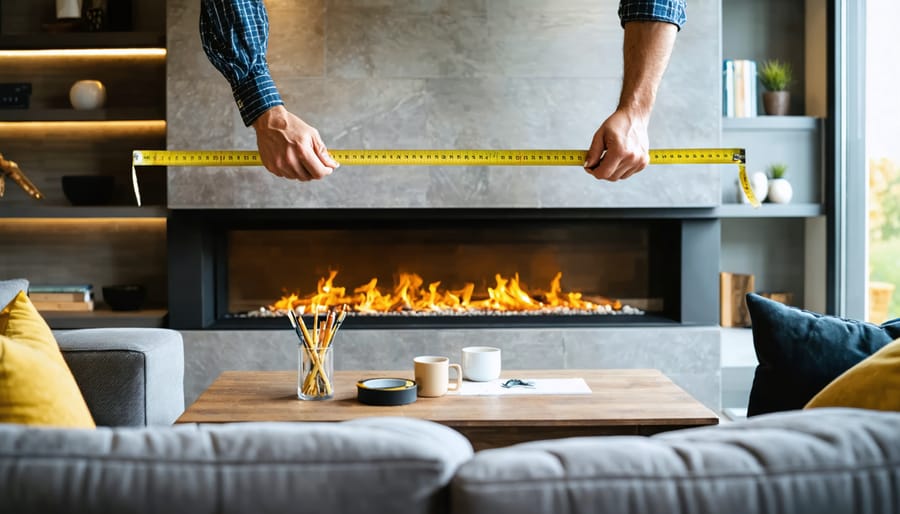
Measure your available wall space before shopping—most standard gas fireplaces range from 32 to 60 inches wide, 28 to 42 inches tall, and require 6 to 12 inches of depth, but knowing your exact dimensions prevents costly purchasing mistakes. Account for mandatory clearance requirements, typically 6 to 12 inches from combustible materials on sides and ... Read more



