

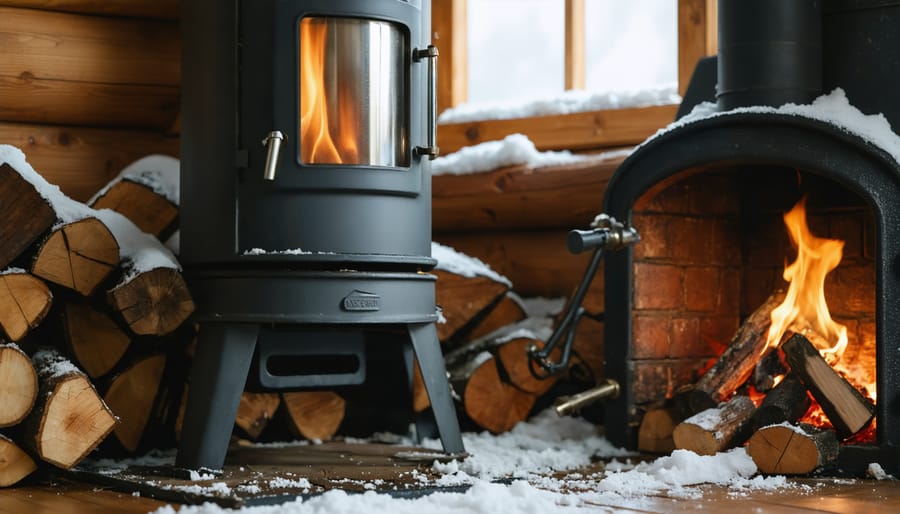
Upgrade to high-grade stainless steel piping to eliminate corrosion issues and extend your system’s lifespan by decades—cheap galvanized pipes may save money initially but create dangerous creosote buildup and costly replacements within years. Match your 8-inch wood stove pipe diameter precisely to your stove’s collar opening, as even slight mismatches force inefficient airflow patterns that ... Read more
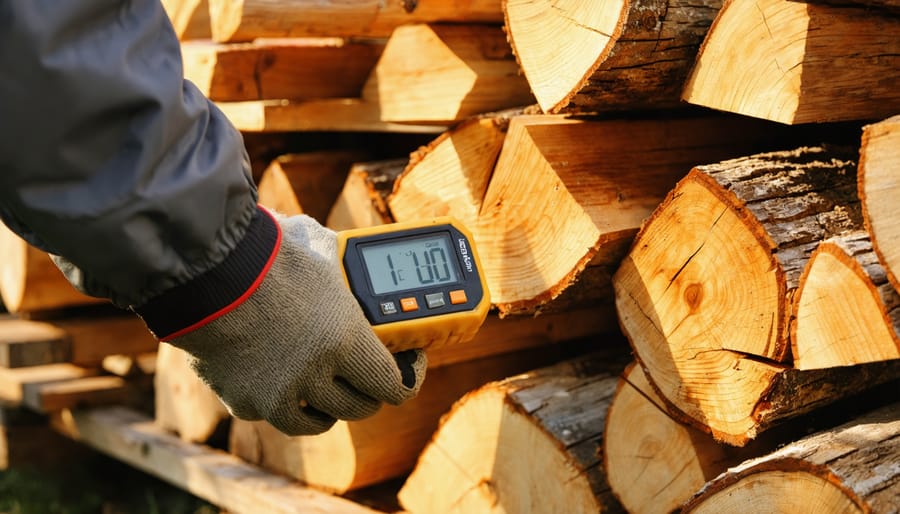
Plan your firewood purchases 6-18 months before you need them, depending on species—dense hardwoods like oak require a full year or more, while softer woods like pine can be ready in just six months. Stack your split wood in a sunny, wind-exposed location with the top covered but sides open, allowing air circulation to drop ... Read more
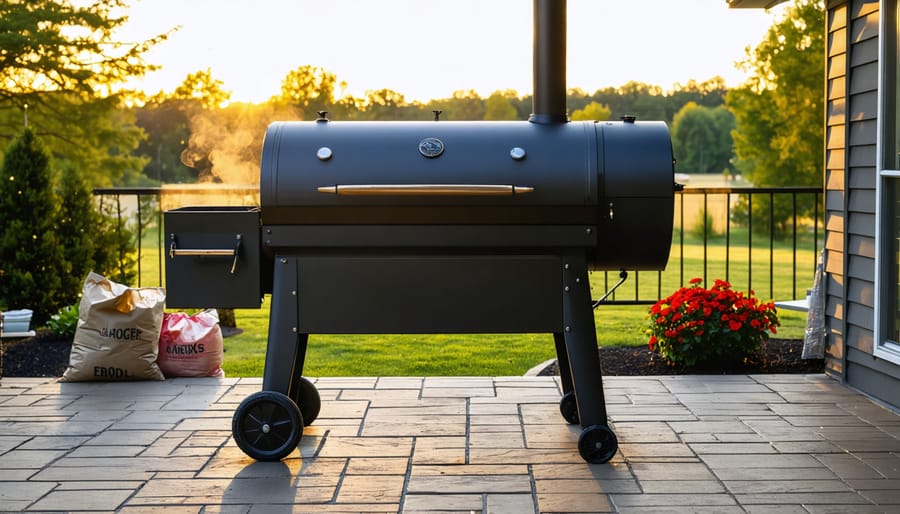
Consider your typical gathering size before investing in an XL pellet smoker—these units excel when you’re regularly feeding 15-20 people, but they’ll waste pellets and struggle to maintain optimal temperatures if you’re just cooking for your family of four on weeknights. The 36-inch-plus cooking surface might seem appealing, but smaller loads create uneven heat distribution ... Read more
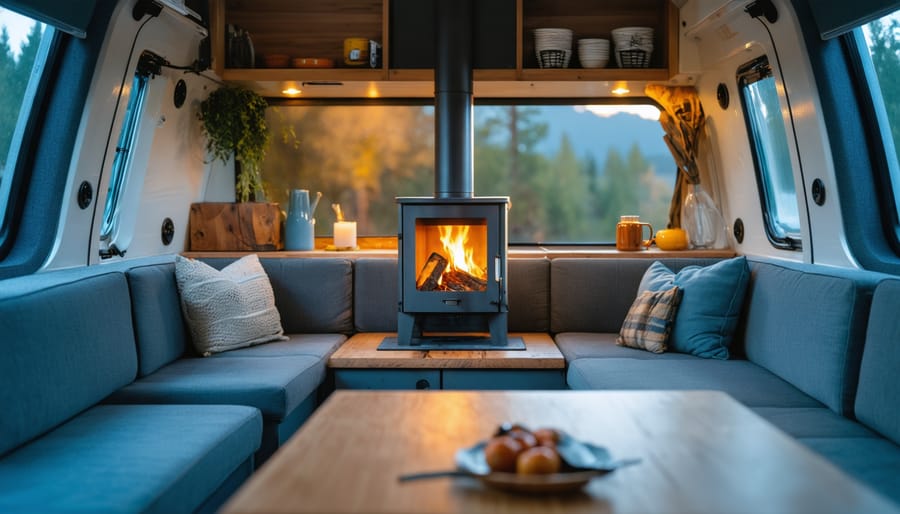
Installing a wood stove in your RV transforms your mobile living space into a cozy, off-grid sanctuary while dramatically reducing your heating costs. Before you begin, verify your RV’s structural integrity can support the stove’s weight and heat output—most installations require reinforced flooring rated for at least 300 pounds per square foot and clearances of ... Read more
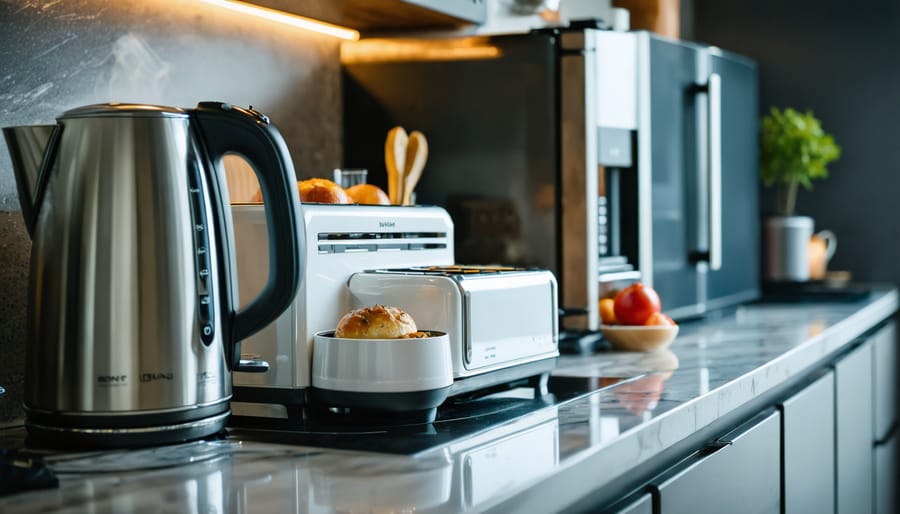
Check your circuit breaker’s amperage rating before plugging in multiple high-wattage appliances on the same circuit. Most kitchen circuits run at 15-20 amps (1,800-2,400 watts), and exceeding this causes trips or potential fire hazards. Calculate your total wattage by adding up everything running simultaneously—your electric oven alone can pull 2,400-5,000 watts, while a microwave adds ... Read more
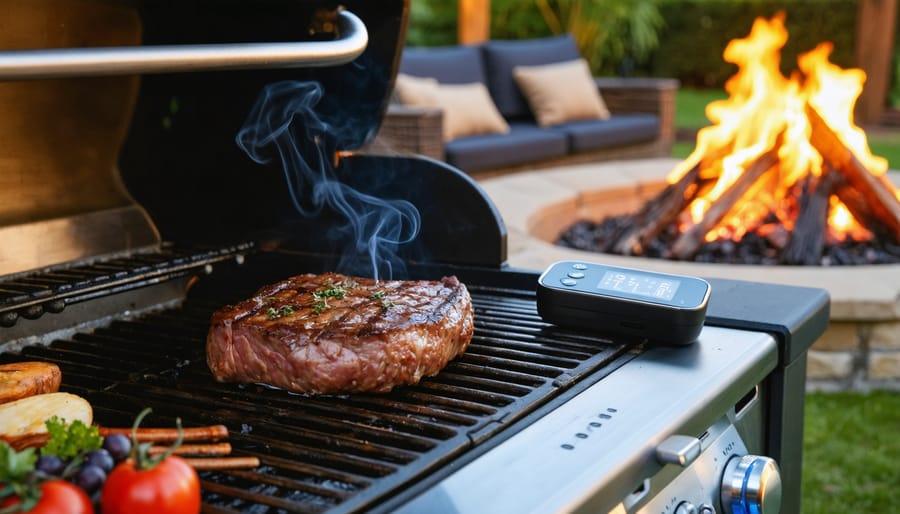
Choose a wireless meat thermometer with a range of at least 300 feet to monitor your grilling from the comfort of your indoor fireplace or outdoor fire pit seating area. Look for models featuring dual-probe technology that simultaneously tracks meat internal temperature and ambient grill temperature, eliminating guesswork whether you’re smoking brisket over hickory or ... Read more
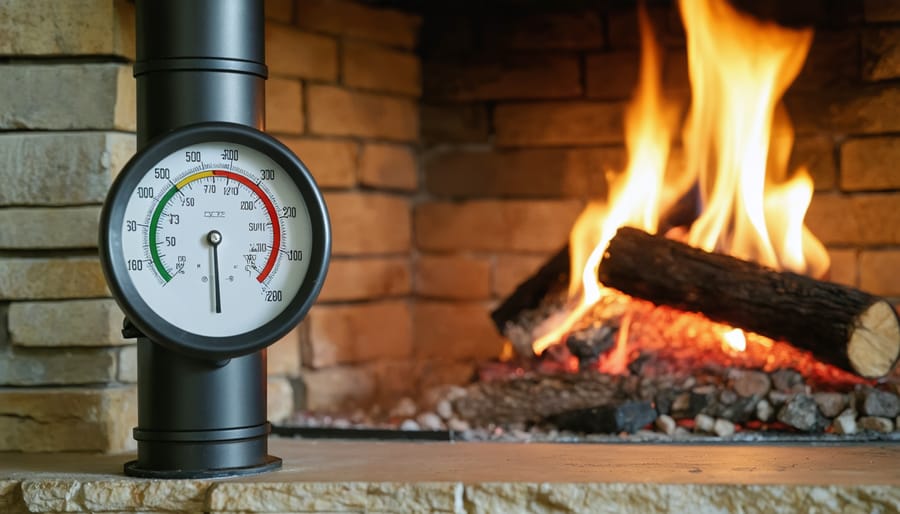
**Understanding Temperature Adjustment Hydrometers: Your Guide to Precise Fireplace Monitoring** Temperature adjustment hydrometers—more accurately called temperature-compensated thermometers or adjustable temperature gauges—eliminate the guesswork in monitoring your fireplace’s heat output. These precision instruments automatically account for ambient temperature variations that cause standard thermometers to give false readings, ensuring you maintain optimal burning conditions for both safety ... Read more

**Prioritize automatic shut-off valves** as your first line of defense—these critical sensors detect flame failure within seconds and immediately cut gas flow, preventing dangerous leaks that could lead to carbon monoxide buildup or explosion risks in your home. **Install flame failure devices** on every burner to ensure gas stops flowing the moment a flame extinguishes ... Read more
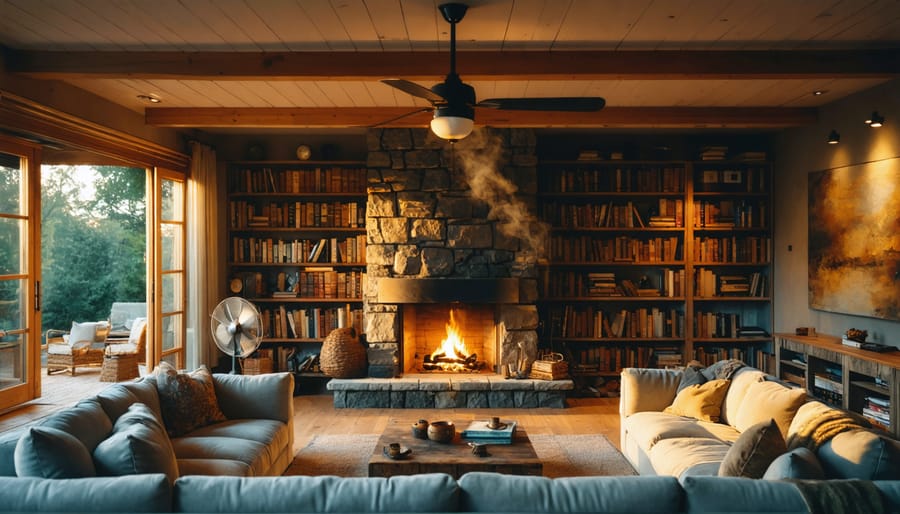
Understanding how warm air moves through your space transforms a struggling fireplace into an efficient heating powerhouse. Air circulation diagrams reveal the invisible patterns that determine whether heat stays trapped near your ceiling or flows throughout your entire room, making the difference between shivering in corners and enjoying cozy comfort everywhere. These visual guides show ... Read more
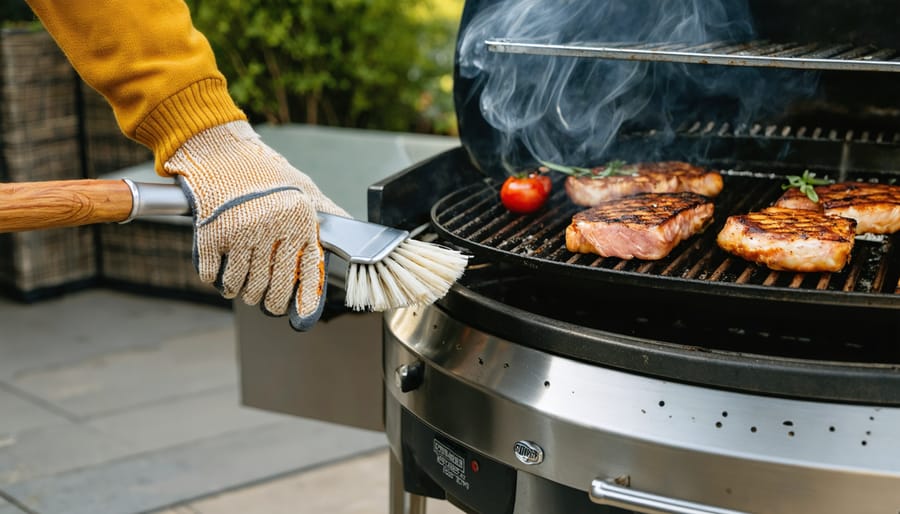
Inspect your Weber grill grates after every cook session, brushing away food debris while they’re still warm—this 60-second habit prevents stubborn buildup that leads to uneven heating and flare-ups. Empty the ash catcher on charcoal models weekly to maintain proper airflow and prevent rust from moisture-trapped residue. Check burner tubes monthly for spider webs and ... Read more



