

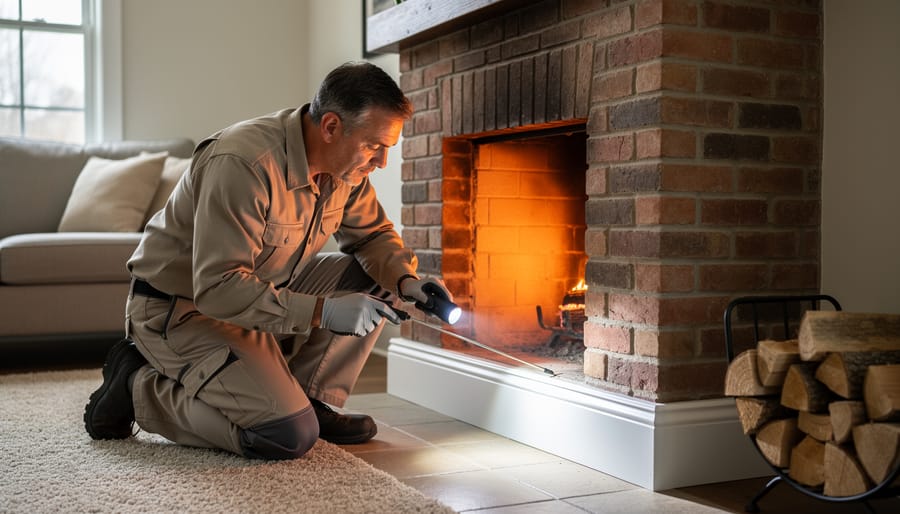
Schedule professional pest inspections every three months to create an invisible shield around your home’s most vulnerable entry points—including those cozy spaces where warmth gathers, like around your fireplace, chimney base, and heating vents. These quarterly visits catch infestations before they start, targeting seasonal pests as they emerge: termites in spring, ants and spiders in ... Read more
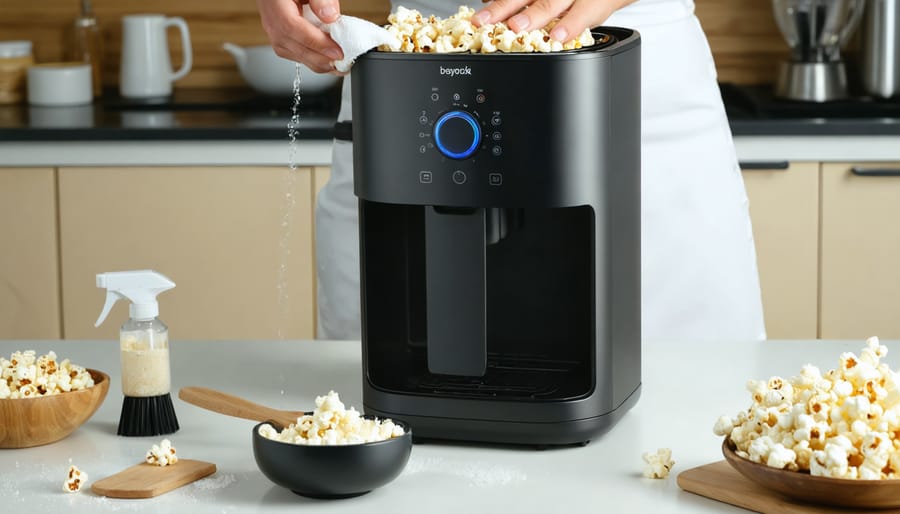
Unplug your popcorn popper and let it cool completely before cleaning to prevent burns and electrical hazards. Remove loose kernels and hulls by turning the unit upside down over a trash bin, then wipe interior surfaces with a damp cloth dipped in warm, soapy water, avoiding any electrical components or heating elements. For stubborn oil ... Read more
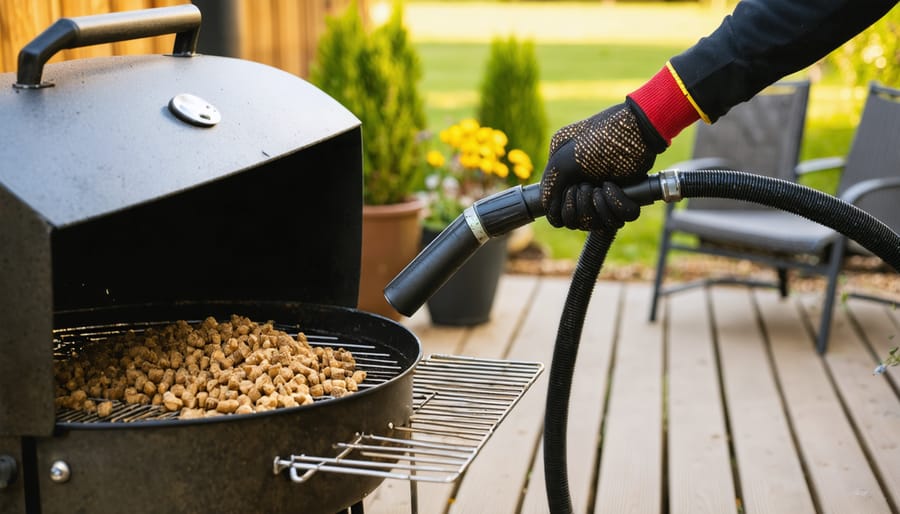
Clean your Z Grill after every 2-3 cooks by vacuuming ash from the firepot and wiping down grates while they’re still warm—this 10-minute habit prevents the buildup that causes temperature swings and flare-ups most owners blame on faulty parts. Remove and empty the grease bucket weekly, scraping hardened residue before it becomes a fire hazard, ... Read more

Understand that EPA wood burning standards aren’t bureaucratic hurdles—they’re your pathway to a cleaner, more enjoyable outdoor fire experience. Choose EPA-certified fire pits or retrofitting options that reduce particulate emissions by up to 90%, transforming those frustrating smoky fire pit problems into evenings filled with warmth and clear air. Burn only properly seasoned hardwood with ... Read more
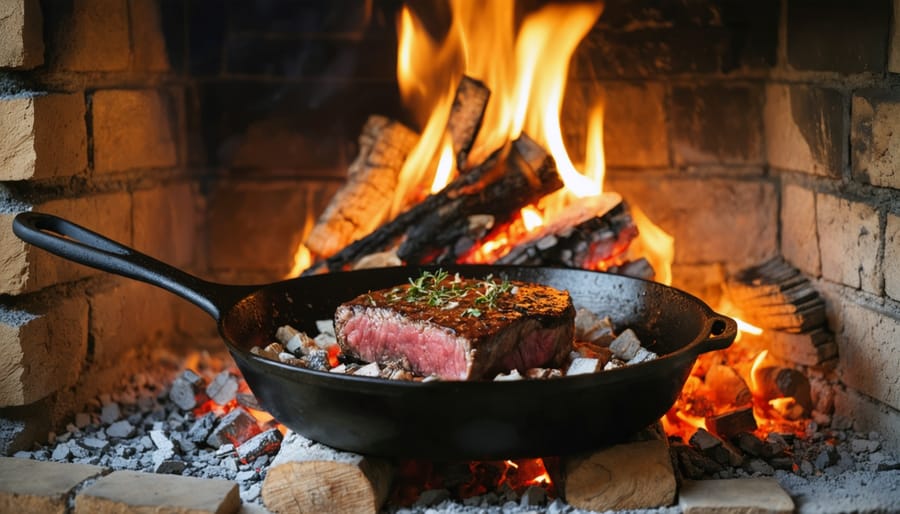
Master heat control by understanding your fireplace’s temperature zones—position cast iron cookware directly over the hottest coals for searing proteins, move dishes to cooler edges for gentle simmering, and use the radiant heat above flames for slow roasting. This fundamental skill transforms your fireplace from a simple heating source into a versatile cooking station that ... Read more
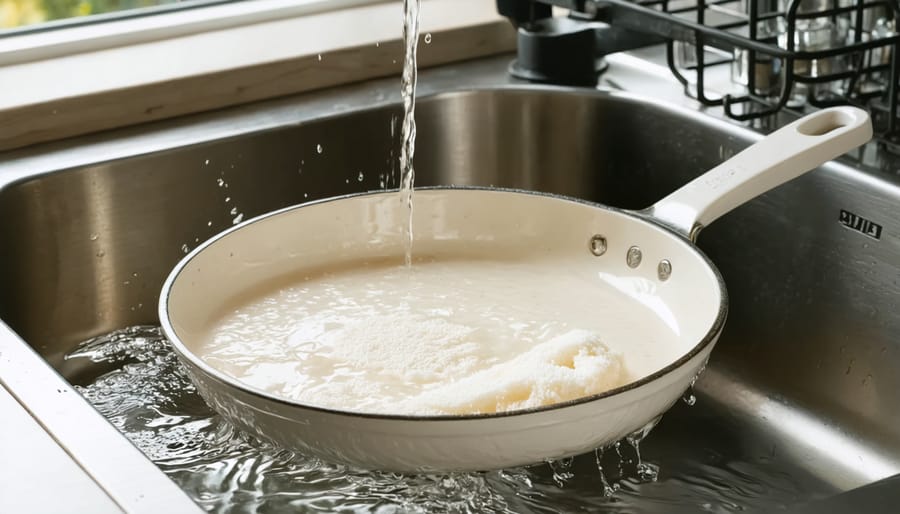
Check the manufacturer’s label before loading your ceramic cookware into the dishwasher—most brands explicitly state whether their pieces can withstand automated cleaning cycles. While ceramic cookware offers a naturally non-stick surface that makes cleanup easier than traditional options, the dishwasher’s harsh detergents and high heat can gradually deteriorate the ceramic coating, leading to discoloration, reduced ... Read more
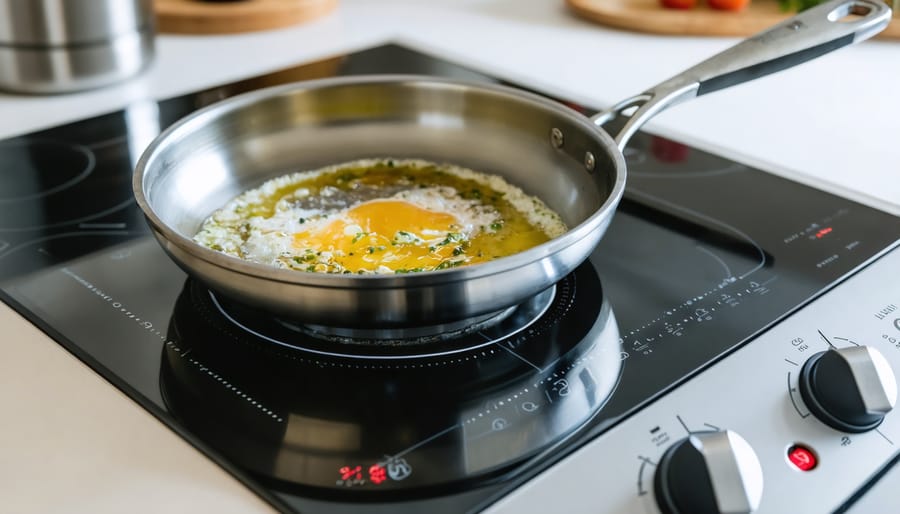
Your GE electric stove’s Sensi-Temp technology is constantly monitoring your cooktop temperature to prevent dangerous grease fires before they start. This federally-mandated safety feature automatically limits burner temperatures to 400°F, cutting power when cookware reaches unsafe levels and preventing the 158,000 cooking fires that occur in American homes each year. Think of Sensi-Temp as a ... Read more
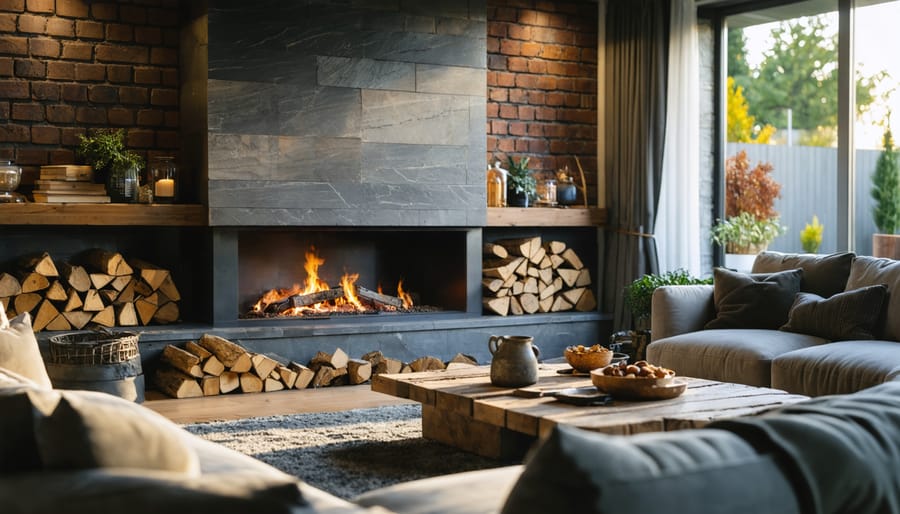
Transform your dated fireplace hearth into a stunning focal point by selecting materials that complement your home’s aesthetic—natural stone like slate or granite offers timeless elegance, while ceramic tile provides endless pattern possibilities and easy maintenance. Consider the hearth’s dimensions carefully, extending it 16-18 inches from the fireplace opening and 8 inches beyond each side ... Read more
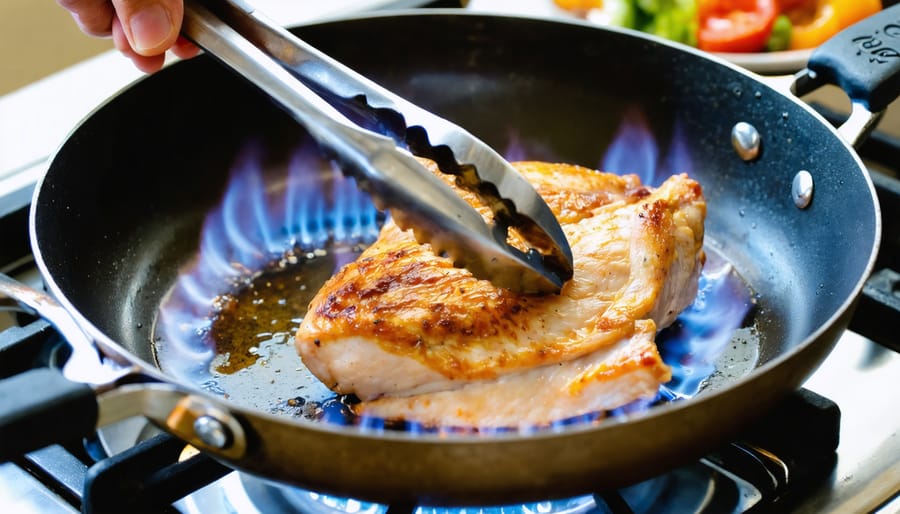
Master heat levels by learning the visual cues your stovetop provides. Watch for the shimmer in oil that signals medium-high heat is ready, or the gentle bubble around food edges that confirms you’re at the perfect simmer. Your burner’s response time matters more than its settings—gas flames adjust instantly while electric coils need 30-60 seconds ... Read more
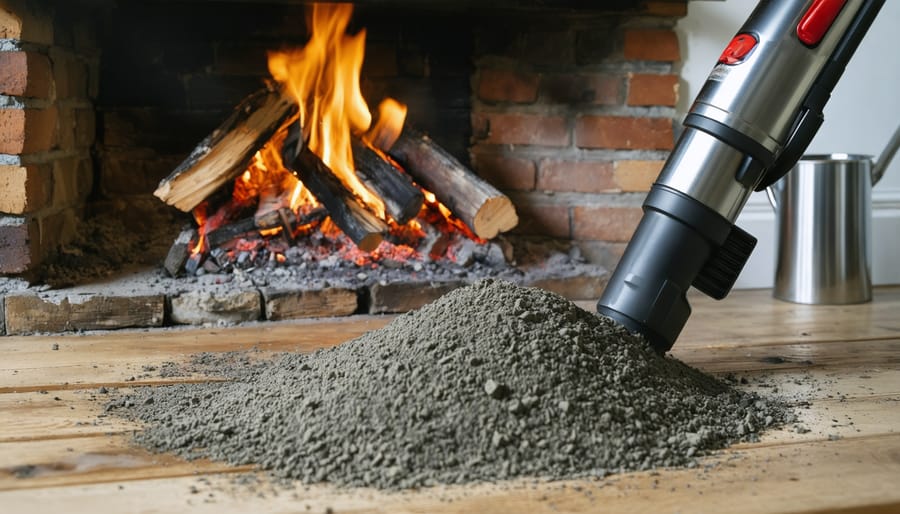
Understand that vacuums don’t have R-values—that’s a measure of thermal insulation in walls and windows, not cleaning equipment. If you’ve been searching for the “R-value of a vacuum,” you’re likely trying to figure out which ash vacuum will best handle the messy aftermath of your cozy fireplace fires. What you actually need to know are ... Read more



