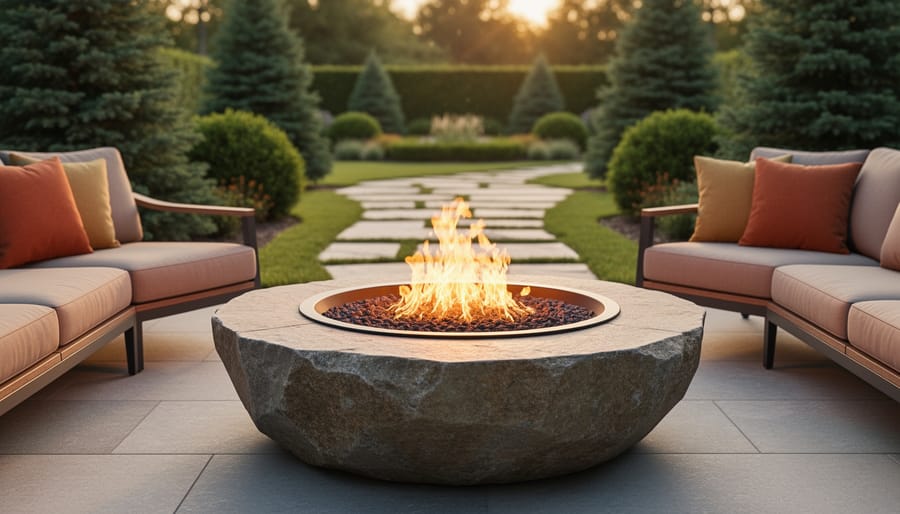


There is something about a fire that makes people slow down. Conversations linger. The evening stretches a little longer. If you have been thinking about adding outdoor fire pits to your backyard, you are not alone. They have become one of the most sought-after features in residential landscape design, and for good reason. A well-chosen fire pit does not just add warmth. It becomes the anchor of your entire outdoor space.
But choosing the right one takes more thought than most people expect. Size, fuel type, placement, materials, and how it fits into your overall landscape plan all play a role. Get it right and you have a feature that pays dividends in enjoyment and home value for years. Rush the decision and you may end up with something that feels awkward, underused, or even unsafe.
Here is what to think through before you commit.
Start With How You Actually Plan to Use It
Before looking at styles or comparing gas versus wood, think honestly about how you want to use your fire pit. That answer shapes every other decision.
Are you envisioning small, intimate evenings with your spouse or a close group of friends? A compact, round fire pit with seating for four to six people could serve you perfectly. Are you someone who entertains frequently and wants guests to gather in larger groups? You may need something larger, with a wider fire bowl and a seating arrangement that accommodates eight to twelve people comfortably.
Do you want the fire to be the visual centerpiece of your yard, or more of a functional element tucked into a lower patio? Both are valid, but the answer points you toward very different design paths.
Think about the seasons, too. If you live in an area with cold winters and mild springs, you may want a fire pit that performs well in chilly temperatures and holds up to rain and frost. If you are primarily using your outdoor space from late spring through early fall, a wider range of materials and styles opens up.
Understand Your Landscape Before You Design Around It
A fire pit that works beautifully in one yard can feel completely out of place in another. The shape, grade, and existing features of your landscape should influence what you choose and where you put it.
Flat, open backyards give you the most flexibility. You can install a sunken fire pit, a raised stone surround, or a freestanding unit and any of them can look intentional and polished. Sloped yards require more planning. A fire pit on an uneven surface is not just an aesthetic problem. It is a safety problem. If your yard has significant grade changes, you will likely need to incorporate some hardscaping before the fire pit installation even begins.
Also consider what surrounds the area. Overhanging trees, low rooflines, wood fences, and dense plantings all affect where a fire pit can safely go. Most professionals recommend keeping fire features at least ten feet from any structure, and even further when working with wood-burning options. Gas fire pits offer a bit more flexibility in placement since the flame is more controlled, but clearance requirements still apply.
Take stock of your existing outdoor elements, too. If you already have a covered patio, a pool, a garden bed, or a defined entertaining zone, your fire pit should feel like a natural extension of that layout, not an afterthought.
Gas vs. Wood: The Honest Comparison
This is the question most homeowners wrestle with the longest, and there is no single right answer.
Wood-burning fire pits offer a sensory experience that is hard to replicate. The crackling sound, the smell of burning wood, and the organic movement of a real flame create an atmosphere that many homeowners feel strongly about. They are also independent from utility connections, which makes placement somewhat more flexible. The tradeoffs include smoke, sparks, ash cleanup, and the need to store and manage firewood throughout the season.
Gas fire pits, whether natural gas or propane, offer convenience that wood simply cannot match. You turn a knob or press a button and you have a clean, consistent flame. There is no smoke drifting into your guests’ faces, no ember management, and no hauling logs. Many gas fire pit options today also come with adjustable flame height and remote ignition, which adds a level of control that frequent entertainers really appreciate.
The right choice often comes down to lifestyle. If you want low maintenance and consistent performance, gas is hard to argue against. If you want the full sensory experience of a traditional fire and do not mind the upkeep, wood is a legitimate choice.
There is also a growing category of propane-powered portable fire pits that give homeowners the flexibility to move the unit seasonally or as their outdoor layout changes. These work well for smaller spaces or for homeowners who are not ready to commit to a permanent installation.
Materials Matter More Than You Think
The material of your fire pit and its surround affect durability, maintenance, and how well the piece holds its visual appeal over time.
Natural stone is one of the most popular choices for built-in fire pits and fire pit surrounds. Bluestone, travertine, and various forms of flagstone age gracefully, pair well with landscaping, and hold heat well. They require periodic sealing depending on the stone type and climate.
Concrete and cast concrete offer a cleaner, more modern aesthetic. They can be poured in custom shapes and sizes and are extremely durable in most climates. Concrete can crack over time if water gets into it and freezes, so proper construction and sealing matter.
Corten steel has become a popular choice for contemporary outdoor spaces. It develops a distinctive rust-patina finish over time, which many homeowners find appealing. It is strong, weather-resistant, and holds up well in outdoor environments without excessive maintenance.
Brick remains a classic choice for traditional landscapes. It is familiar, relatively affordable, and blends naturally into established garden settings.
If you are purchasing a freestanding fire pit rather than building one, look carefully at the thickness and quality of the steel or aluminum used. Thinner metals warp under high heat. A fire pit that looks great in a showroom but is built from lightweight materials will not hold up well after a few seasons of regular use.
Think About Integration, Not Just Installation
A fire pit that feels like it belongs in your yard looks very different from one that was dropped in as an afterthought.
Think about how the fire pit relates to your seating area. The distance between the fire and the seating matters. Too close and guests are uncomfortable from the heat. Too far and the warmth does not reach them. A general rule is to plan for seating at least three to four feet from the fire pit edge, with enough radius to allow comfortable movement around the entire perimeter.
Consider the hardscape surface beneath and around the fire pit. Grass is not an appropriate base for most fire features, especially wood-burning ones. Gravel, pavers, concrete, or stone create a clean, safe surface that also simplifies cleanup and maintenance.
Outdoor lighting is worth thinking about here, too. Pathway lighting, step lighting, and low-level ambient lighting around a fire pit area can make the space feel intentional and polished while improving safety after dark.
Do Not Skip the Professional Conversation
Even if you ultimately purchase a simpler, freestanding fire pit, talking with an outdoor living professional before finalizing your decision can save you from expensive mistakes.
They can look at your yard layout and flag placement issues you may not have considered. They can walk you through the gas line requirements if you are going that route. And they can help you understand how a fire pit fits into the broader vision for your outdoor space, so the end result actually feels cohesive.
The best outdoor spaces are not built feature by feature in isolation. They are designed with the full picture in mind. A fire pit chosen with that kind of intention is one you will actually use, season after season, for years to come.
Final Thought
Choosing a fire pit is not just a product decision. It is a lifestyle decision. When you take the time to think through how you live, how your yard is laid out, and what kind of long-term value you want to create, you end up with something that genuinely enhances your outdoor experience rather than sitting unused after the first few uses.
Start with how you want to use the space. Let the landscape guide the placement. Choose materials built to last. And do not hesitate to bring in an expert who can help you see the possibilities clearly before you commit.
A well-designed fire pit does not just make your backyard more functional. It makes it somewhere people want to be.