

Check your circuit breaker or fuse box first—a tripped breaker is the most common culprit when an electric stove stops working suddenly. Flip the breaker completely off, then back on, ensuring it clicks firmly into place. If it trips again immediately, you likely have a more serious electrical issue requiring professional attention.
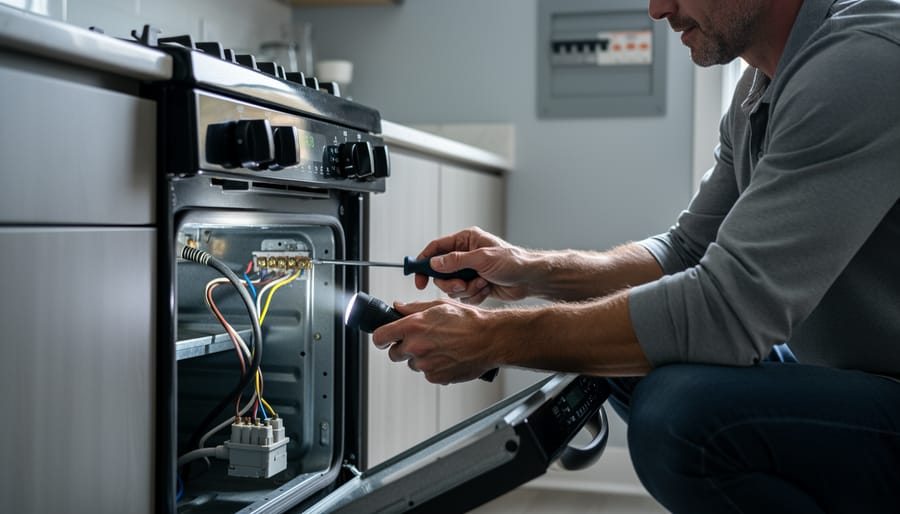
Inspect the power cord and terminal block where your stove connects to the wall outlet. Unplug the unit (or shut off the dedicated breaker), then examine the connection point behind the stove for any burn marks, loose wires, or corrosion. A loose terminal connection can cause intermittent power loss or complete failure, and tightening these connections often restores function immediately.
Test individual burners or heating elements if only part of your stove has stopped working. A single failed element doesn’t mean your entire appliance is broken—these components wear out over time and are typically inexpensive to replace. Turn each burner to high and observe whether it glows red; a burner that remains cold likely needs replacement.
Verify that your stove’s control board hasn’t been accidentally locked or disabled. Many modern electric stoves feature control lock settings or Sabbath modes that disable cooking functions. Check your owner’s manual for the specific button combination to unlock your model.
Understanding why electric stoves fail suddenly helps you prevent future interruptions to your home’s cooking capabilities. While gas fireplaces and other heating solutions provide wonderful ambiance, your electric stove remains essential for daily meal preparation, making quick diagnosis and repair a household priority.
Why Electric Stoves Stop Working Without Warning
The Power Supply Problem
When your electric stove goes dark without warning, the culprit is often hiding in your home’s electrical system rather than the appliance itself. Before assuming the worst, let’s check the most common power-related issues that can bring your cooking to a sudden halt.
Start by locating your electrical panel and examining the circuit breakers. Electric stoves draw considerable power, and breakers can trip due to power surges, overloaded circuits, or even just age. Look for any breaker switches in the middle position or flipped to “off.” If you find one, switch it fully off before flipping it back on. This simple reset resolves the problem surprisingly often.
Older homes may have blown fuses instead of breakers. These need complete replacement rather than just resetting. You’ll recognize a blown fuse by its cloudy glass window or visible break in the metal strip inside.
Beyond the panel, check the outlet connection behind your stove. These heavy-duty plugs can work loose over time, especially if you’ve recently cleaned or moved the appliance. A partially disconnected plug might still show some power but not enough to heat properly. Always turn off the breaker before checking connections to ensure your safety while troubleshooting.
Component Wear and Tear
Just like your favorite pair of boots that eventually wear through at the heel, the components inside your electric stove experience gradual wear that can lead to sudden failure. It’s one of those situations where everything seems fine until it isn’t, and understanding this natural aging process can help you recognize when parts need attention.
Heating elements are particularly vulnerable to wear and tear. Each time they heat up and cool down, the metal expands and contracts, creating stress that accumulates over months and years. Eventually, the element can develop a break in the coil or a short circuit, causing it to fail completely without warning. You might notice your stove working perfectly one day, then refusing to heat the next.
Switches and relays face similar challenges. These components control the flow of electricity to your heating elements, and they click on and off countless times throughout their lifespan. The internal contacts can become pitted or corroded, leading to poor connections. Sometimes this manifests as burner control issues, while other times the switch simply stops working altogether. The good news is that recognizing these common wear patterns helps you address problems before they leave you without a working stove during dinner preparation.
First Things First: Safety Checks Before You Start
Before you dive into troubleshooting your electric stove, let’s talk about keeping you and your home safe. I know the frustration of a suddenly non-functioning appliance, especially when you’re in the middle of meal prep, but taking a few minutes for these safety checks could prevent a dangerous situation.
Start by turning off the power to your stove at the circuit breaker. This is non-negotiable, even if the stove appears completely dead. Electrical issues can be unpredictable, and you don’t want any surprises while you’re investigating. Locate your electrical panel and flip the breaker labeled for your kitchen or stove to the off position. If you’re not sure which breaker controls your stove, it’s better to err on the side of caution and shut off power to the entire kitchen.
Next, take a moment to use your senses. Do you smell anything burning or notice an acrid odor near the stove? Are there any visible scorch marks on the outlet, plug, or stove itself? Check for any melted components, damaged wiring, or signs of overheating. If you notice any of these warning signs, stop immediately and call a licensed electrician or appliance repair professional.
Also look for tripped GFCI outlets nearby, as these can sometimes affect your stove’s operation. Press the reset button if you find one that’s tripped.
Here’s the most important guideline: if you feel uncomfortable or unsure at any point during your inspection, that’s your cue to call in the experts. There’s absolutely no shame in recognizing when a problem is beyond your comfort level. Your safety and your family’s wellbeing are worth far more than the cost of a service call.
The 5-Minute Troubleshooting Checklist
Check Your Circuit Breaker
Before you worry about complex repairs, let’s check something simple that catches many homeowners off guard. Your electric stove draws significant power, similar to how a high-efficiency heating system demands substantial energy, and sometimes that demand trips your circuit breaker.
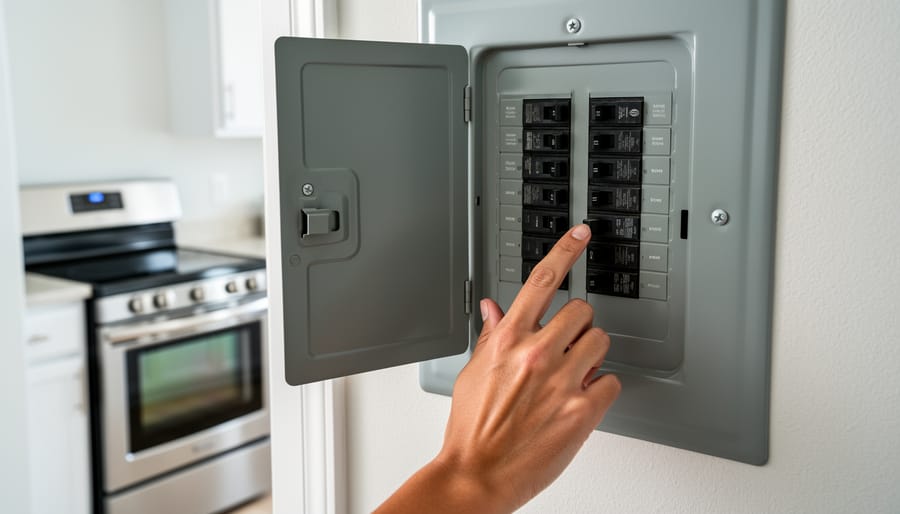
Head to your electrical panel and look for any breaker switches that appear to be in a middle position or have shifted toward the “off” side. Electric stoves typically require 240-volt circuits with dedicated breakers, often labeled in your panel. A tripped breaker might not look completely flipped off, which is why people sometimes miss it.
Why do stoves trip breakers? The most common culprits include power surges, faulty heating elements drawing too much current, or moisture getting into electrical connections. If you’ve recently cleaned your stove or had a pot boil over, moisture could be the issue.
To properly reset the breaker, first switch it completely to the off position, then firmly push it back to on. You should hear a definitive click. If the breaker trips immediately again, don’t keep resetting it. This signals a genuine electrical problem that needs professional attention. Think of your breaker like a safety guardian for your home, protecting you from potential hazards. Repeated tripping means something needs fixing before you can safely cook again.
Test the Outlet Connection
Sometimes the simplest solutions are the easiest to overlook when you’re dealing with a sudden appliance failure. If you have a freestanding electric stove, start by checking whether it’s properly plugged into the outlet. Over time, plugs can work themselves loose from vibrations or accidental bumps, especially if your stove gets moved during cleaning. Gently pull the stove away from the wall (being careful not to damage flooring or the power cord) and verify the connection is secure.
Next, test whether the outlet itself is functioning. Unplug your stove and plug in another appliance, like a lamp or phone charger, to confirm the outlet has power. If nothing works in that outlet, you’ve likely found your culprit. Check your home’s circuit breaker panel to see if a breaker has tripped, which appears as a switch in the middle position or pointing opposite from others. Simply flip it fully off, then back on to reset it. This quick diagnostic step can save you an unnecessary service call and get your kitchen back to creating warmth and comfort in no time.
Inspect the Control Lock
Before you start worrying about complex repairs or calling a technician, take a moment to check one of the most commonly overlooked culprits: the control lock feature. Modern electric stoves include this handy safety mechanism to prevent accidental changes to settings, especially in households with curious children or pets. However, it’s surprisingly easy to activate this feature without realizing it.
Look at your stove’s control panel for a key icon or a “Control Lock” indicator light. If it’s illuminated, your stove hasn’t actually stopped working—it’s just locked. To deactivate it, press and hold the control lock button for about three to five seconds. The exact button varies by manufacturer, but it’s typically labeled with a key symbol or marked “Lock.” Some models require pressing two buttons simultaneously.
If you don’t see an obvious control lock button, consult your owner’s manual for your specific model’s unlock procedure. This simple check takes less than a minute and could save you an unnecessary service call. It’s one of those little quirks of modern appliances that catches even experienced homeowners off guard, so don’t feel embarrassed if this turns out to be your solution.
Look for Error Codes
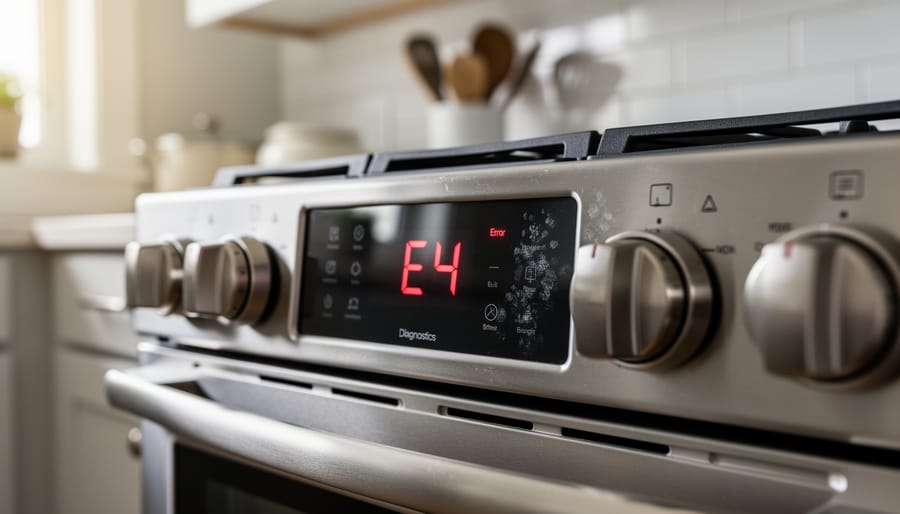
Modern electric stoves often communicate problems through error codes displayed on their digital panels, making troubleshooting much easier than the guesswork of older models. If your stove suddenly stopped working, the first place to look is the digital display screen for any flashing codes or unusual messages.
Error codes typically consist of letters and numbers, such as F1, F3, or E0. Each manufacturer uses different coding systems, so you’ll want to grab your owner’s manual or look up your specific model online to decode what these messages mean. Common error codes usually point to temperature sensor failures, control board issues, or electrical communication problems between components.
If you see an error code, write it down along with your stove’s model number before attempting any fixes. Some codes indicate minor issues you can resolve yourself, like a stuck button or temporary power fluctuation that just needs a reset. Others signal more serious problems requiring professional attention, such as faulty wiring or damaged heating elements.
Don’t ignore error codes, even if your stove seems to work intermittently. These digital warnings are your appliance’s way of protecting itself from further damage. Think of them as helpful guides pointing you toward the solution rather than obstacles. When in doubt, a quick online search of your model number plus the error code often reveals the exact issue and whether it’s a DIY fix or time to call in expert help.
Verify Individual Burner vs. Total Failure
Before diving into repairs, let’s figure out exactly what you’re dealing with. Start by testing each burner individually—turn them all on, one at a time, and see which ones respond. If only one or two burners aren’t heating while the others work perfectly, you’re likely looking at isolated burner issues rather than a complete system failure. This is actually good news and often means a simpler fix.
However, if none of your burners are working and the control panel is completely unresponsive with no lights or indicators, you’re experiencing a total power failure. Check whether your oven still functions—if it does, the problem is isolated to the cooktop circuitry. If nothing works at all, including the clock display, you’ll want to revisit your circuit breaker and power supply first.
This detective work saves you time and money by pointing you toward the right solution, whether that’s replacing a single burner element or addressing a broader electrical issue that needs professional attention.
Common Culprits: What Actually Breaks in Electric Stoves
Faulty Heating Elements
When your electric stove suddenly stops heating, a burned-out element is often the culprit. The good news is that identifying this issue is fairly straightforward with a simple visual inspection.
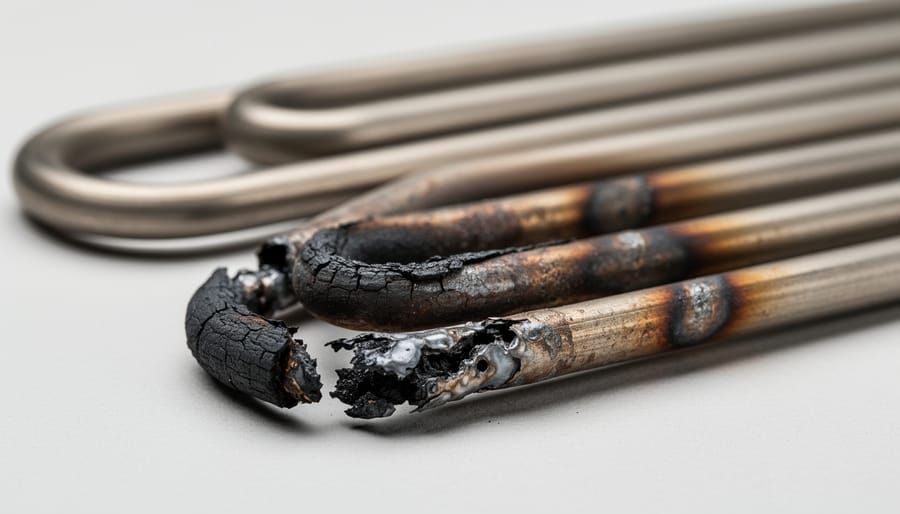
Start by examining each heating element carefully once the stove has completely cooled. Look for obvious signs of damage like blistering, bubbling, or charred spots on the coil’s surface. Sometimes you’ll notice a break in the coil itself, which is a clear indicator that the element has failed. Dark, burned areas or pitting are also telltale signs that the element has reached the end of its life.
Another quick test involves checking if all burners work. If only one refuses to heat while others function normally, you’ve likely isolated the problem to that specific element. You can also gently wiggle the element in its socket to ensure it’s properly connected, as loose connections sometimes mimic a faulty element.
The heating elements in electric stoves work incredibly hard, cycling through extreme temperature changes countless times. Eventually, they simply wear out, which is a natural part of their lifecycle. Fortunately, replacing heating elements is typically an affordable and eco-friendly solution that extends your appliance’s life without requiring a complete replacement.
Burned-Out Infinite Switches
Your stove’s infinite switches are the hardworking controls behind each burner, regulating the amount of electricity that flows to create different heat levels. Think of them as the conductors of your cooking orchestra, directing power to achieve everything from a gentle simmer to a rolling boil. When these switches fail, typically from years of heat exposure and constant use, that particular burner simply won’t respond anymore.
The good news is that testing them is straightforward. First, ensure your stove is unplugged for safety. Remove the burner and inspect the switch terminals for any visible burning, melting, or corrosion. Using a multimeter set to the lowest resistance setting, touch the probes to the switch terminals while rotating the control knob through its range. You should see the resistance values change smoothly. If the readings jump erratically or show no continuity at all, you’ve found your culprit.
These switches typically cost between fifteen and forty dollars and are relatively simple to replace with basic tools. While this repair requires working with your stove’s internal wiring, it’s manageable for confident DIYers who follow proper safety protocols. Just remember to take photos before disconnecting any wires to ensure correct reassembly.
Control Board Failures
Think of your electric stove’s control board as the brain of the operation. Just like the smart technology in modern heating appliances, today’s electric stoves rely on sophisticated electronic control boards to manage everything from temperature settings to timer functions. When this critical component fails, your entire stove can go dark without warning.
Control boards are particularly vulnerable to power surges, which can happen during thunderstorms or when your electrical grid experiences fluctuations. These sudden voltage spikes can overwhelm the delicate circuitry, causing immediate failure. Even smaller, repeated surges can gradually wear down the board’s components over time, leading to an unexpected breakdown.
Age is another common culprit. Like any electronic device in your home, control boards have a finite lifespan. After years of heating cycles, temperature changes, and general wear, the connections can weaken, capacitors can fail, and the board simply gives up. This is especially common in stoves that are 10 to 15 years old.
You might suspect a control board issue if your stove’s display is completely blank, buttons don’t respond, or you’re getting error codes that won’t clear. Unfortunately, control board failures usually require professional replacement rather than DIY fixes, as these components are complex and often need precise calibration. However, you can protect your investment by using surge protectors designed for large appliances and scheduling regular maintenance checks to catch early warning signs before complete failure occurs.
When to DIY and When to Call a Professional
Let’s be honest about your capabilities and limitations when it comes to fixing an electric stove. Some repairs are genuinely within reach for most homeowners, while others really do need a professional’s expertise.
You can typically handle simple fixes yourself with confidence. Resetting a tripped breaker, tightening a loose power connection at the outlet, or replacing burner components are all manageable weekend tasks. These repairs usually cost between $10 and $50 in parts and require only basic tools. If you’re comfortable following instructions and taking basic safety precautions like shutting off power at the breaker, these are great opportunities to save money and learn about your appliance.
However, some situations absolutely warrant calling a professional. If you’ve checked the obvious culprits and your stove still won’t work, the issue likely involves internal wiring, control board failures, or temperature sensor problems. These repairs require specialized testing equipment and knowledge of electrical systems. More importantly, working inside your stove’s cabinet without proper training can create serious safety hazards, including fire risks and electrical shock.
Cost-wise, professional repairs typically range from $150 to $400, depending on your location and the specific issue. While this might seem steep, consider that incorrect DIY repairs can damage your stove further or void warranties, ultimately costing more.
The safety consideration here is paramount. Your home’s warmth and ambiance depend on appliances that function safely. If you feel uncertain about any repair, that uncertainty is your signal to call an expert. There’s wisdom in knowing when to roll up your sleeves and when to reach for the phone. A safe, functioning stove is worth the investment in professional help when needed.
Preventing Future Sudden Failures
Monthly Maintenance That Takes Minutes
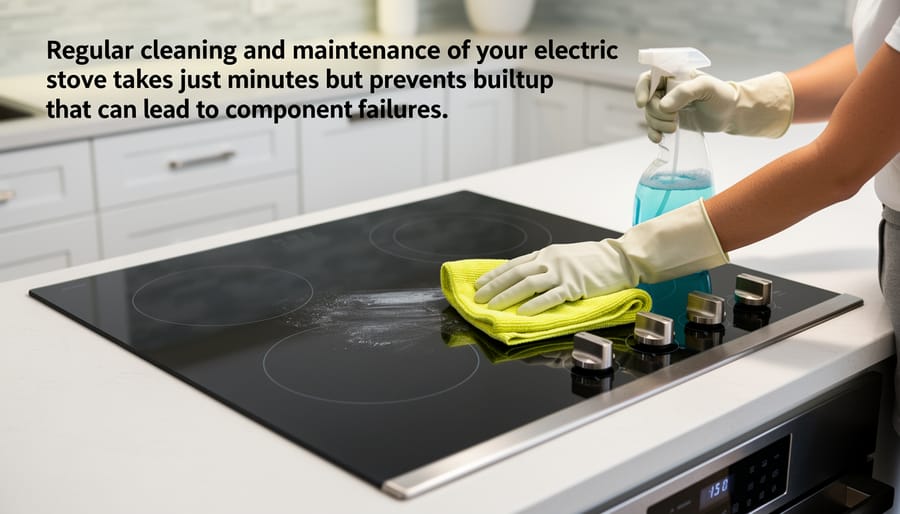
A few minutes of attention each month can prevent most sudden electric stove failures and extend your appliance’s lifespan significantly. Think of it as caring for the heart of your kitchen, much like maintaining a fireplace keeps your home’s warmth flowing reliably.
Start with a visual inspection once monthly. Check the power cord for any signs of fraying, unusual warmth, or damage. Look at the burner coils or glass cooktop for cracks, discoloration, or warping. These small issues often signal bigger problems developing beneath the surface.
Wipe down control knobs and digital panels gently, ensuring no moisture seeps inside. Residue buildup can interfere with electrical connections over time. For coil stoves, remove and reinstall burners to check their connections remain secure and free from corrosion.
Keep drip pans clean and check that they’re sitting properly. Grease accumulation not only creates fire hazards but can also affect heating efficiency and electrical performance.
Following regular cleaning routines prevents many common failures while helping you spot potential issues before they become emergencies. Document any unusual sounds, smells, or performance changes in a simple notebook. This record proves invaluable when troubleshooting sudden problems or explaining issues to repair technicians, potentially saving both time and money.
Warning Signs Your Stove Is Struggling
Your electric stove often whispers before it shouts. Paying attention to these subtle hints can save you from the frustration of a complete breakdown during dinner prep. One of the earliest warning signs is inconsistent heating. If your burners take longer than usual to reach temperature or seem to fluctuate between hot and lukewarm, something’s amiss. You might also notice that only certain burners work while others remain stubbornly cold, indicating failing heating elements or control issues.
Strange odors are another red flag. A burning smell that isn’t related to spilled food could signal electrical problems or deteriorating wiring. Similarly, if you hear unusual clicking, buzzing, or humming sounds when the stove is on, the internal components may be struggling. Visual cues matter too. Look for discolored or warped burner coils, cracked glass on smooth-top models, or scorch marks around controls.
Don’t ignore flickering display panels or error codes, even if they disappear quickly. These digital hiccups often indicate deeper electrical issues. By catching these warning signs early, you can schedule repairs at your convenience rather than facing an emergency situation. Think of it as giving your stove the preventive care it deserves, much like maintaining any essential home comfort system.
When your electric stove suddenly stops working, it’s natural to feel a moment of panic, especially if you’re in the middle of preparing a meal. However, here’s the reassuring truth: most sudden stove failures stem from simple, fixable issues rather than catastrophic breakdowns. Whether it’s a tripped breaker, a loose connection, or a faulty burner element, these problems typically have straightforward solutions that don’t require expensive replacements or professional intervention.
Taking a calm, methodical approach to troubleshooting makes all the difference. By systematically checking power sources, inspecting connections, and testing individual components, you’ll often identify the culprit within minutes. Remember, your electric stove is built to last, and many issues that seem serious at first glance are actually minor hiccups in your home’s electrical system.
The key to preventing future surprises lies in regular maintenance. Just as you’d maintain your fireplace or heating system to ensure cozy, comfortable winters, your electric stove deserves the same attention. Simple habits like cleaning spills promptly, inspecting burner elements periodically, and keeping connection points free from debris can extend your stove’s lifespan significantly while reducing the likelihood of unexpected failures.
Your home’s functionality and your family’s comfort depend on reliable appliances that work when you need them. By understanding how your electric stove operates and addressing small issues before they escalate, you’re investing in the seamless daily rhythms that make a house feel like home. Most problems have solutions, and you’re more capable of handling them than you might think.