

Master the fundamental techniques that transform ordinary vegetables into extraordinary dishes over an open flame. Searing vegetables over high heat—whether on a gas burner or wood-fired cookstove—creates caramelized edges and concentrated flavors that gentle steaming never achieves. Control your flame to maintain temperatures between 400-450°F for perfect browning without burning. Cut vegetables uniformly to ensure even cooking, keeping pieces roughly the same size so everything finishes simultaneously.
Sautéing requires constant movement and medium-high heat, allowing vegetables to soften while developing golden color in just 5-7 minutes. The direct connection between flame and cookware gives you instant temperature control that electric ranges simply cannot match. Blanching dense vegetables like broccoli or carrots in boiling water for 2-3 minutes before finishing over flame ensures tender interiors with crisp exteriors.
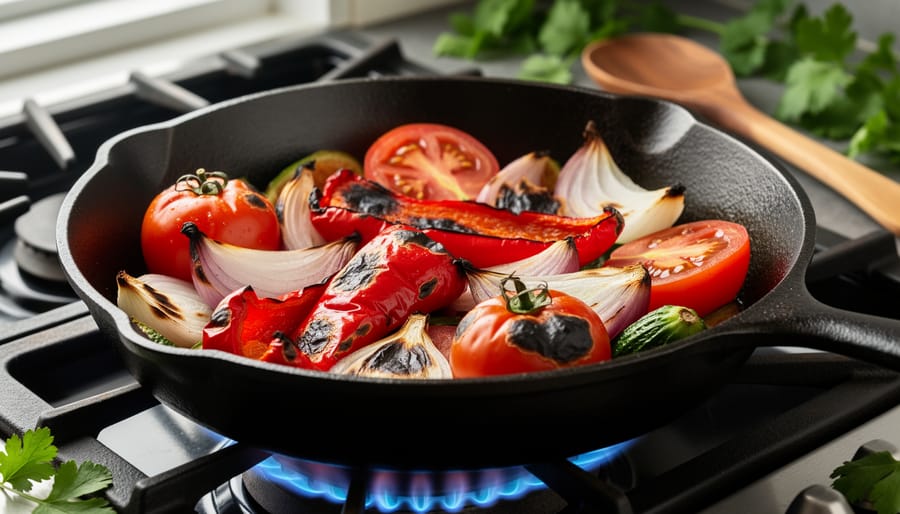
Dry-roasting peppers, tomatoes, and onions directly over a gas flame brings smoky depth that elevates salsas, sauces, and side dishes. This ancient technique, passed down through generations of flame-based cooking, connects modern kitchens to centuries of culinary tradition. The same principles that make fireplaces central to home warmth apply to cooking—fire creates gathering spaces, memorable flavors, and experiences that bring people together.
Understanding how flames interact with different vegetables, cooking vessels, and timing transforms basic meal preparation into an art form that celebrates both nourishment and the primal beauty of cooking with fire.
The Romance of Flame-Cooked Vegetables
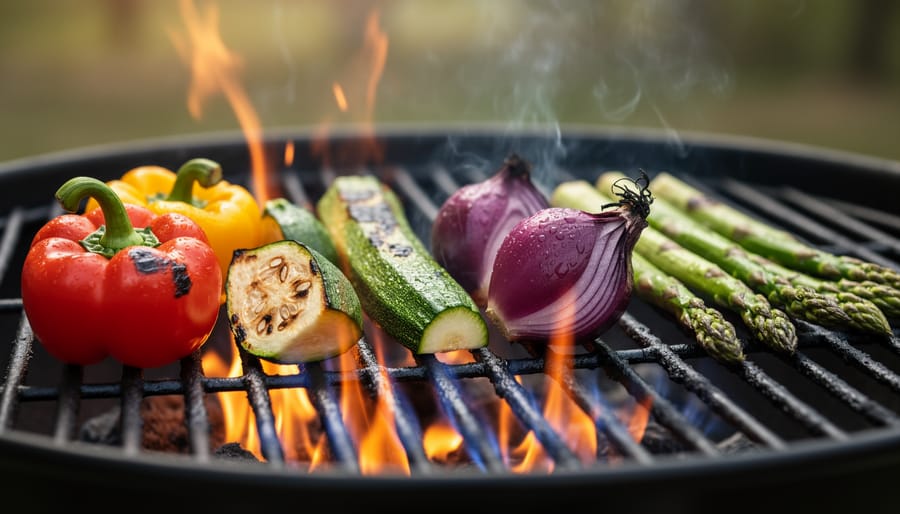
What Makes Flame Cooking Different
Cooking vegetables over an open flame creates something truly special that sets it apart from electric heating methods. When you use a gas burner or wood-fired cookstove, you’re working with direct, radiant heat that responds instantly to your adjustments. This immediate control allows you to quickly sear vegetables at high temperatures, then dial down the flame for gentle simmering—a dance between fire and food that’s been at the heart of cooking since humans first gathered around flames.
The science behind flame cooking comes down to three key elements. First, the direct heat from a living flame creates higher temperatures and more concentrated heat zones than electric coils. This means you can achieve that beautiful caramelization and char on vegetables that develops complex, sweet flavors. Second, flame cooking naturally manages moisture differently. The open heat source allows steam to escape more readily, helping vegetables develop crispy exteriors while staying tender inside.
Third, and perhaps most intriguingly, flame cooking imparts subtle flavor compounds that electric heat simply cannot replicate. When vegetables come in contact with a flame-heated pan, especially cast iron over a wood fire, they undergo the Maillard reaction more intensely. This chemical process creates hundreds of flavor molecules that give your vegetables that irresistible, slightly smoky depth.
Whether you’re using your gas stovetop or exploring the possibilities of a wood-burning cookstove, you’re tapping into an ancient cooking tradition that brings warmth, flavor, and a connection to the elemental power of fire right into your kitchen.
Choosing Your Heat Source: Gas vs. Wood Cookstoves
When it comes to cooking vegetables on your stovetop, the heat source you choose can significantly impact both your cooking results and your home’s character. Let’s explore how gas and wood-burning cookstoves stack up for vegetable preparation.
Gas stovetops offer the convenience modern cooks have come to love. You get instant heat control with the turn of a dial, making it easy to adjust temperatures precisely when sautéing delicate greens or simmering hearty root vegetables. The consistent flame provides even heating, and cleanup is straightforward. However, gas stoves do rely on fossil fuels, which may concern environmentally conscious homeowners.
Wood-burning cookstoves, on the other hand, bring a timeless warmth to your kitchen that goes beyond just cooking. These traditional heat sources create a cozy ambiance while preparing meals, turning cooking into a more intentional, lifestyle-focused experience. Modern innovations like rocket stoves have made wood-burning more efficient than ever, reducing fuel consumption while maximizing heat output.
From an eco-friendly perspective, wood can be carbon-neutral when sourced sustainably from local forests or your property. You’re not dependent on utility companies, and there’s something deeply satisfying about cooking with fire you’ve tended yourself. The smoky depth wood stoves can impart to roasted vegetables is unmatched.
The trade-off? Wood stoves require more attention and skill. Temperature control takes practice, startup time is longer, and you’ll need to maintain a wood supply and clean out ash regularly.
For many homeowners, the ideal solution combines both: gas for weekday convenience and a wood cookstove for weekend cooking sessions when you can truly savor the flame-based cooking experience.
Essential Stovetop Techniques for Perfect Vegetables
Sautéing: Quick Heat for Crisp-Tender Results
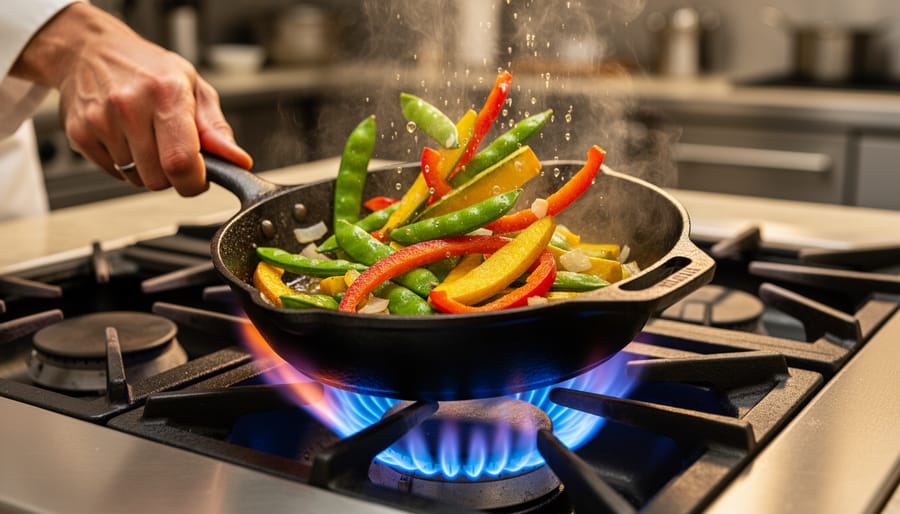
Sautéing vegetables over an open flame brings out their natural sweetness while maintaining that satisfying crisp-tender texture we all love. Whether you’re cooking on a gas range or a wood-fired cookstove, the direct flame connection gives you unparalleled control over your cooking temperature—a real advantage when timing is everything.
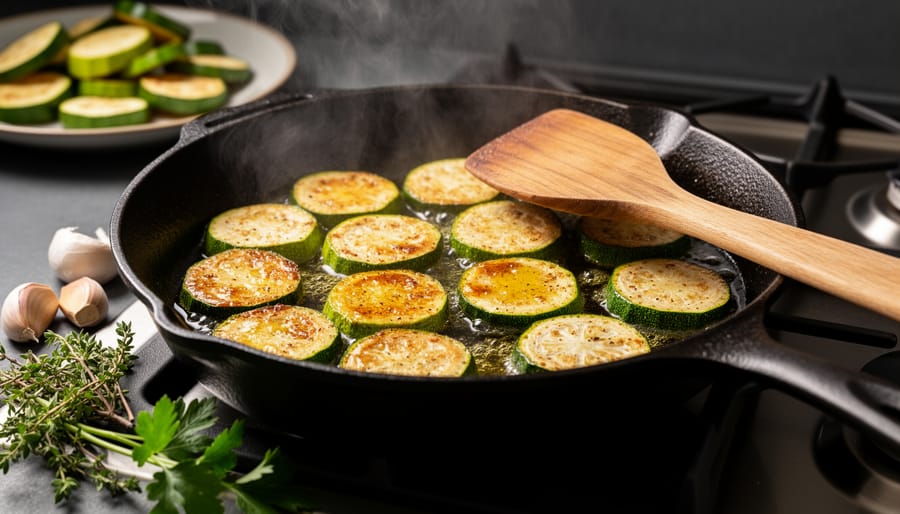
Start by selecting the right pan. A wide, shallow skillet with a heavy bottom distributes heat evenly and gives your vegetables plenty of room to make direct contact with the hot surface. Cast iron works beautifully over gas flames, developing a wonderful sear while retaining heat efficiently.
The magic of flame-based sautéing lies in instant temperature adjustment. When you need to quickly reduce heat to prevent burning or boost it to achieve that perfect caramelization, simply adjusting the flame gives you immediate results. This responsiveness is something that draws many home cooks to gas ranges and flame-based cooking methods.
Heat your pan over medium-high flames until a drop of water sizzles and evaporates within seconds. Add a tablespoon of oil with a high smoke point, then introduce your vegetables in a single layer. The key is not overcrowding the pan—give each piece breathing room so moisture can escape rather than steaming your vegetables.
Keep everything moving with regular tosses or stirs, allowing vegetables to develop golden-brown spots while staying tender-crisp. Dense vegetables like carrots need about five to seven minutes, while delicate options like spinach require just one to two minutes. Listen to the sizzle, watch the color develop, and trust your flame to deliver consistent, restaurant-quality results every time.
Charring and Blistering for Smoky Depth
There’s something almost primal about blistering vegetables over an open flame—the way peppers blacken and bubble, how tomato skins split and caramelize, releasing sweet, smoky juices. If you have a gas stovetop, you already own one of the best tools for achieving restaurant-quality char right at home.
The technique is wonderfully simple. Place peppers, tomatoes, or eggplants directly on the grate over a medium-high flame, turning them with tongs every few minutes until the skin blisters and blackens evenly. For peppers, aim for complete charring all around—this develops deep, smoky flavors that transform salsas, pasta sauces, and spreads. Tomatoes need less time; just blister them until the skins split and the flesh softens.
The key to managing smoke indoors is proper ventilation. Turn on your range hood before you begin, and if possible, crack a window. The charring process naturally produces smoke—it’s part of what creates that incredible depth of flavor—but you want it dissipating, not setting off alarms.
Once your vegetables are properly charred, transfer them to a bowl and cover with a plate or plastic wrap. This steaming step loosens the skins, making them easy to peel away. The flesh underneath will be tender, sweet, and infused with that distinctive flame-kissed flavor.
For those with wood-burning cookstoves, you can achieve even more complex smoky notes by placing vegetables near the firebox opening. Just remember that cooking with real fire requires attention—never leave vegetables unattended, and keep a damp towel nearby for safety.
Slow Simmering and Braising
The beauty of slow simmering and braising lies in maintaining that gentle, consistent heat that transforms tough root vegetables and hearty greens into tender, flavorful dishes. When cooking over a gas flame or wood-burning cookstove, you have direct control over the intensity of your heat source, making these techniques particularly rewarding.
Start by bringing your pot to temperature over medium-high flame, then reduce to low once you’ve achieved the right heat level. The key is finding that sweet spot where small bubbles occasionally break the surface without creating a rolling boil. Understanding proper simmering techniques helps you recognize when you’ve achieved this ideal state.
Root vegetables like carrots, turnips, and parsnips benefit enormously from this patient approach, as do dense greens such as collards and kale. The extended cooking time allows their natural sugars to develop while breaking down tough fibers. Add aromatics and a quality broth for depth of flavor.
For gas ranges, the lowest setting often works perfectly. With wood cookstoves, position your pot away from the hottest zone. Cast iron Dutch ovens excel at maintaining even temperatures, making them ideal vessels for this timeless cooking method. The result is comfort food that embodies the warmth of your home hearth.
Stir-Frying Over High Heat
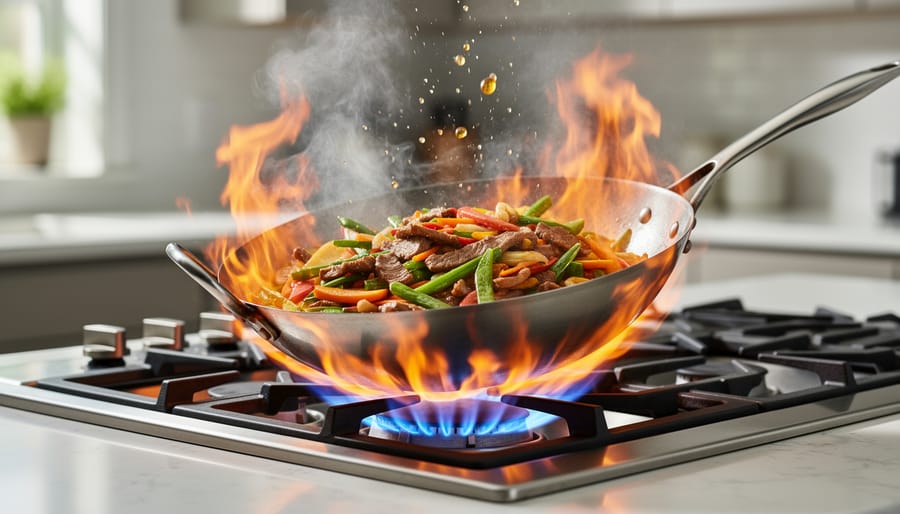
Stir-frying represents the exciting marriage of intense heat and swift movement, creating vegetables that are perfectly tender-crisp with vibrant color intact. This technique truly shines when you harness the power of real flames, whether from a gas range or a traditional wood-burning cookstove. The key is achieving that crucial high temperature, around 500-700°F, that quickly sears vegetables while preserving their nutrients and natural sweetness.
Begin by heating your wok or wide skillet until a drop of water instantly evaporates and dances across the surface. That visual cue tells you the heat is just right. Add a small amount of high-smoke-point oil like peanut or avocado oil, swirling it to coat the cooking surface. Then comes the constant motion—tossing and stirring vegetables continuously prevents burning while ensuring even cooking.
Understanding heat zones in your wok transforms your technique. The bottom center reaches the highest temperature, perfect for initial searing, while the sloped sides offer slightly cooler zones where vegetables can rest briefly without overcooking. This natural temperature gradient makes wok cooking remarkably forgiving once you develop rhythm and confidence.
Cut vegetables uniformly to ensure they cook evenly, and work in small batches to maintain that critical high heat. Overcrowding drops the temperature dramatically, turning a proper stir-fry into a steam session. The reward for mastering this flame-based technique is restaurant-quality vegetables with that distinctive smoky flavor home cooks cherish.
Blanching and Boiling Basics
Water-based cooking over an open flame brings out vegetables’ best qualities when done with care and attention. Whether you’re working with a gas range or exploring the rustic charm of a wood-burning cookstove, understanding temperature control makes all the difference.
Blanching preserves vibrant colors and crisp texture by briefly submerging vegetables in rapidly boiling water, then shocking them in ice water. This technique works beautifully for green beans, broccoli, and asparagus. The key is achieving that vigorous, rolling boil before adding your vegetables. For detailed guidance on perfecting this essential skill, our tips on boiling water on gas stoves can help you master flame control.
Full boiling suits heartier vegetables like potatoes, carrots, and beets. Start with cold, salted water and bring everything up to temperature together for even cooking. The steady heat from flame-based cooking allows precise adjustments—simply dial down your burner to maintain a gentle simmer rather than a harsh boil.
Remember that different flames require different approaches. Gas offers instant control, while wood-fired cooking demands patience and positioning your pot over varying heat zones. Both methods connect you to cooking’s primal roots while delivering perfectly cooked vegetables.
Temperature Control and Safety Around Open Flames
Reading Your Flames
Understanding your flame is the foundation of great vegetable cooking, whether you’re working with a gas burner or a traditional wood-fired cookstove. Think of it as reading the personality of your fire—each flame tells you exactly what it’s ready to do.
For gas burners, look for a steady blue flame with a defined inner cone. This indicates complete combustion and efficient heat transfer, perfect for most vegetable preparations. A lazy, yellow-orange flame suggests incomplete burning and uneven heating, which can lead to inconsistent results. Adjust your burner knob until you achieve that crisp blue color.
High flames that reach halfway up your pan sides signal high heat—ideal for quick stir-frying and searing vegetables to preserve their vibrant colors and crisp texture. Medium flames that gently kiss the bottom of your cookware work beautifully for sautéing and steady simmering. Low flames, barely visible but consistent, provide the gentle warmth needed for sweating onions or slow-cooking root vegetables to tender perfection.
With wood-fired cookstoves, you’ll develop an intuitive feel over time. Active, dancing flames mean high heat, while glowing embers offer steady, moderate warmth. The beauty of flame-based cooking lies in this direct connection to your heat source—a skill our ancestors perfected and one that brings genuine satisfaction to modern cooking.
Essential Safety Practices
Cooking vegetables over an open flame—whether on a gas stovetop or wood-burning cookstove—brings wonderful flavor and connection to traditional cooking methods, but safety must always come first. Proper ventilation is essential when working with flame-based cooking. Always turn on your range hood or open nearby windows to prevent smoke buildup and ensure fresh air circulation, especially when sautéing or stir-frying at higher temperatures.
When cooking with oil, keep a lid nearby to quickly smother any unexpected flare-ups. Never pour water on an oil fire, as this can cause dangerous splattering. Maintain a safe cooking distance by keeping dish towels, wooden utensils, and other flammable items at least three feet away from active flames. Roll up loose sleeves and tie back long hair before beginning your cooking session.
Mastering stovetop cooking means respecting the power of fire while enjoying its benefits. Keep a fire extinguisher rated for kitchen use within easy reach, and never leave your cooking unattended. These simple precautions allow you to embrace flame-based cooking safely while creating delicious, perfectly prepared vegetables for your family.
Eco-Friendly Considerations for Flame Cooking
When we embrace flame-based cooking for our vegetables, we’re making choices that extend beyond the dinner table. Understanding the environmental impact of different methods helps us cook more responsibly while enjoying the authentic warmth and flavor that fire brings to our kitchen.
Gas stovetops offer remarkable energy efficiency compared to electric alternatives, converting about 40% of energy directly into heat. This direct flame contact means faster cooking times and less wasted energy. If you’re already using natural gas for heating, your gas range becomes part of an integrated, efficient home energy system. The key is using appropriately sized burners for your pans and keeping flames blue rather than yellow, which indicates complete combustion and better efficiency.
Wood-burning cookstoves present a different eco-equation. While they tap into renewable resources, their sustainability depends heavily on responsible wood sourcing. Using locally harvested, sustainably managed firewood or wood waste from other projects transforms cooking into a carbon-neutral activity. Modern wood cookstoves with proper ventilation and efficient combustion chambers burn cleaner than their predecessors, making them viable options for eco-conscious homeowners who value traditional cooking methods.
Bioethanol burners are emerging as exciting alternatives for those seeking the romance of open flame cooking without fossil fuels. These clean-burning options produce minimal emissions and work beautifully for finishing vegetables or creating that sought-after char. They’re particularly appealing for urban dwellers or those looking to experiment with flame cooking without a permanent gas installation.
Simple practices amplify your eco-friendly efforts regardless of your flame source. Using lids to retain heat, choosing appropriately sized cookware, and planning to cook multiple dishes consecutively all reduce energy consumption. By approaching flame cooking thoughtfully, you’re not just preparing delicious vegetables; you’re honoring the connection between sustainable living and the timeless appeal of cooking with fire.
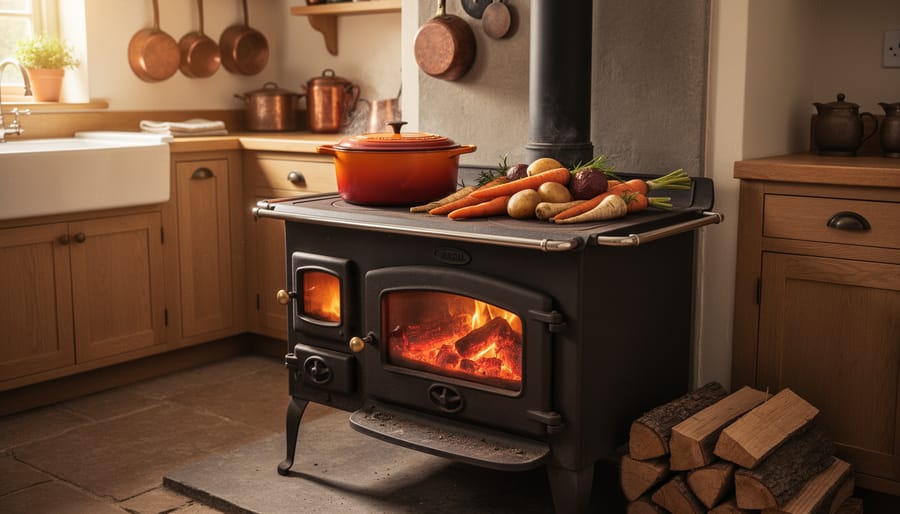
Bringing Fireside Cooking Into Your Daily Kitchen Routine
You don’t need a crackling fireplace to bring the warmth and soul of flame cooking into your kitchen. Your everyday stovetop, especially if it’s gas-powered, offers that same direct connection to fire that makes cooking feel more authentic and engaging. The key is approaching your daily meal prep with the same mindful attention you’d give to tending a hearth.
Start by embracing the visual dance of flames. With gas burners, you can adjust heat instantly, mimicking how our ancestors controlled cooking intensity by moving pots closer to or further from the fire. Watch how vegetables respond to different flame heights, learning to read their sizzle and color changes rather than relying solely on timers. This intuitive approach transforms routine cooking into a more satisfying, sensory experience.
Consider the aromatics too. Just as wood smoke adds complexity to outdoor flame cooking, the char and caramelization from direct flame contact creates those same deep, earthy flavors in your kitchen. Let vegetables kiss the fire through techniques like blistering peppers directly over the burner or allowing onions to develop golden edges in a screaming-hot cast iron pan.
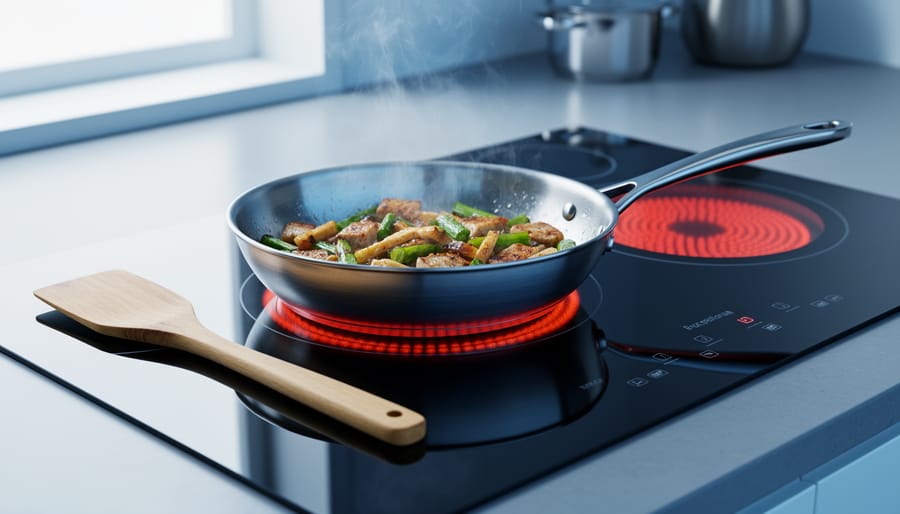
For those with electric stovetops, you can still capture this essence. Use heavy cookware that retains heat well, creating pockets of intense warmth that mimic flame concentration. The goal is bringing intention and presence to your cooking, creating that cozy, flame-tended atmosphere right where you prepare your daily meals.
Cooking vegetables over an open flame or gas stovetop isn’t just about preparing a meal—it’s about reconnecting with the timeless tradition of gathering around fire, the heart of every home. Whether you’re sautéing seasonal vegetables on your gas range or experimenting with a wood-burning cookstove, these techniques remind us that fire has always been central to nourishment, warmth, and togetherness.
As you explore blanching, roasting, and caramelizing your favorite produce, you’re participating in a practice that spans generations. The gentle hiss of a flame beneath your pan, the aromatic steam rising from fresh vegetables, and the satisfaction of creating something wholesome all contribute to a lifestyle that values simplicity and sustainability.
By embracing flame-based cooking methods, you’re not only developing valuable kitchen skills but also reducing your environmental footprint. Gas flames offer precise temperature control, while wood-burning cookstoves can utilize renewable fuel sources, making your cooking routine both efficient and eco-conscious.
Let the warmth of your stovetop inspire you to slow down, experiment with new techniques, and create meals that bring comfort to your table. Fire and food have always belonged together—now it’s your turn to keep that tradition alive in your home.