

Schedule professional pest inspections every three months to create an invisible shield around your home’s most vulnerable entry points—including those cozy spaces where warmth gathers, like around your fireplace, chimney base, and heating vents. These quarterly visits catch infestations before they start, targeting seasonal pests as they emerge: termites in spring, ants and spiders in summer, rodents seeking shelter in fall, and mice looking for winter warmth near your hearth.
Invest in preventive treatments that protect your home’s comfort zones year-round rather than scrambling for emergency extermination when pests have already invaded your living spaces. A quarterly service typically costs 30-50% less annually than multiple reactive treatments, and it maintains consistent protection that one-time applications simply cannot provide. The compounds used create lasting barriers that break down over time, which is precisely why the three-month interval works—technicians reapply before protection gaps occur.
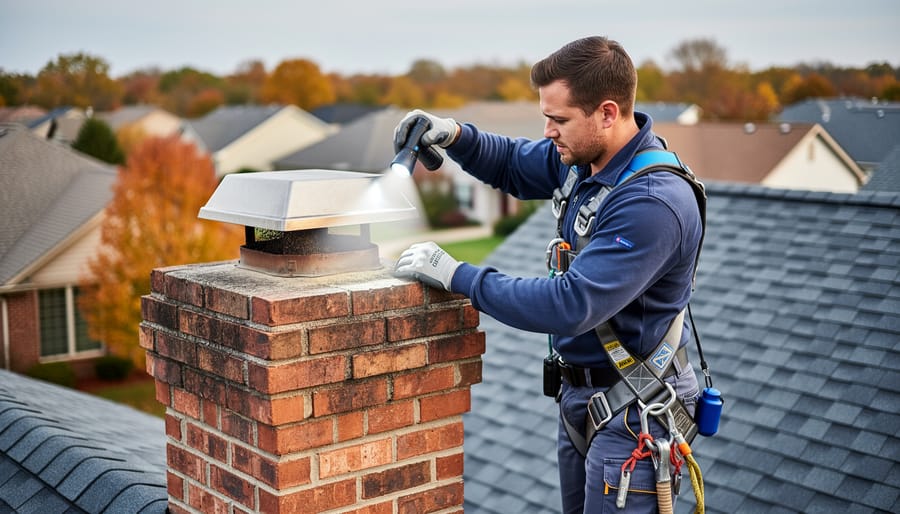
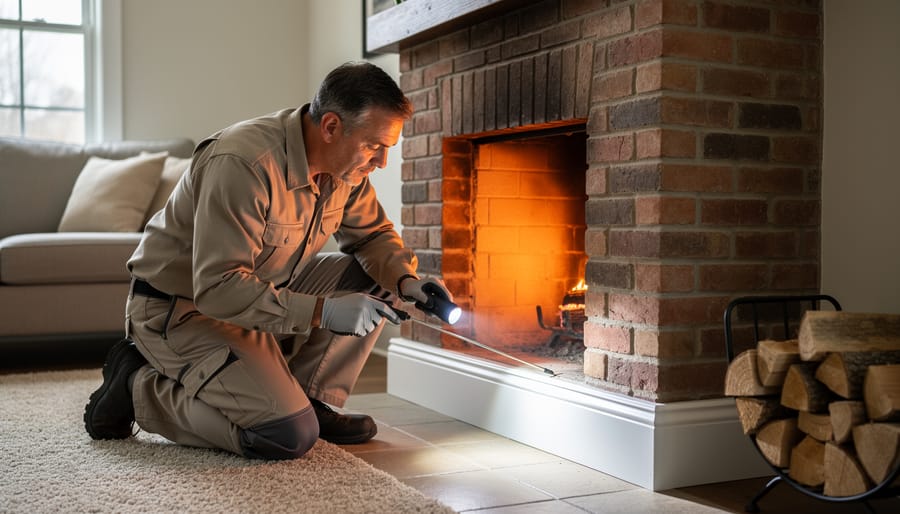
Protect your fireplace area and surrounding woodwork with specialized attention during these regular visits, as the warmth and wood materials attract destructive pests like carpenter ants, wood-boring beetles, and termites. Professional technicians examine firewood storage, inspect chimney structures for wasp nests and animal entry points, and treat the perimeter where your home’s foundation meets the soil—the primary highway pests use to reach your comfortable, heated spaces. This proactive approach preserves both your home’s structural integrity and the inviting ambiance that makes your living spaces truly feel like home.
The Hidden Connection Between Your Fireplace and Pest Problems
What Makes Heating Areas a Pest Magnet
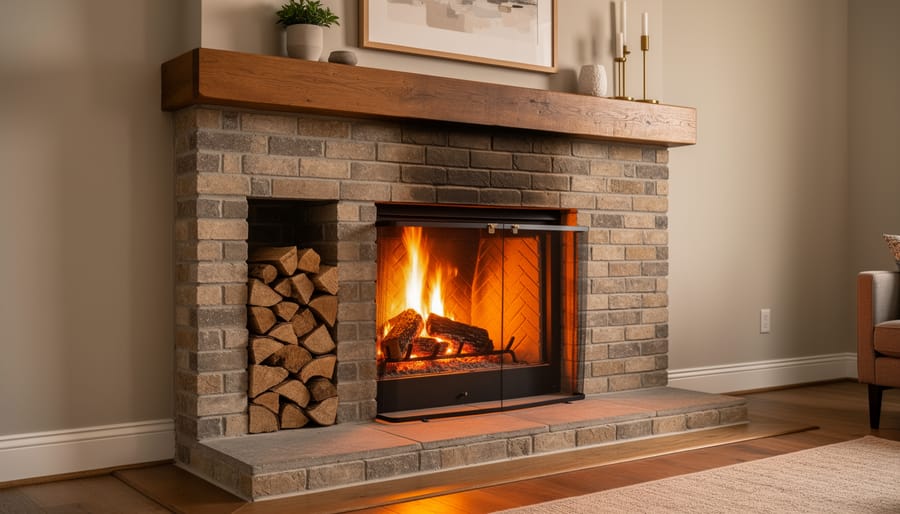
Your home’s heating areas create an irresistible environment for unwanted guests throughout every season. Understanding why pests find these spaces so appealing helps explain why consistent quarterly pest control becomes essential for homeowners who value their comfort and peace of mind.
Warmth is the primary draw. As temperatures drop, rodents, spiders, cockroaches, and other pests actively seek heat sources to survive. Your fireplace, chimney, and surrounding walls radiate warmth that acts like a beacon, guiding creatures toward shelter. Even during warmer months, these areas maintain residual heat and provide consistently comfortable microclimates that pests find ideal for nesting and reproduction.
The structure itself offers countless entry points. Chimneys function as highways from the outside world directly into your home. Gaps around fireplace installations, damaged mortar, compromised chimney caps, and worn weather stripping all create accessible doorways for determined pests. Your outdoor heating features can similarly attract pests to your property’s perimeter, increasing the likelihood they’ll eventually find their way inside.
Beyond warmth and access, heating areas provide abundant hiding spots. The dark recesses behind fireplace surrounds, cluttered wood storage areas, and ash deposits create perfect harborage. Add accumulated debris, moisture from condensation, and the occasional food crumbs from cozy evenings by the fire, and you’ve created a pest paradise.
This combination of factors makes heating areas vulnerable year-round, not just during traditional pest seasons, which is precisely why quarterly professional inspections and treatments prove so valuable for protecting your home’s most cherished gathering spaces.
Seasonal Pest Patterns Around Your Home
Your home faces different pest pressures as the seasons change, making quarterly service perfectly timed to address each challenge. In spring, warming temperatures wake up overwintering pests and trigger active nesting behavior from ants, termites, and wasps searching for ideal spots around your foundation and cozy spaces near your fireplace. Summer brings the peak activity season when mosquitoes, flies, and stinging insects thrive in hot weather, while spiders expand their territories throughout your home.
As fall arrives, cooler nights send rodents, spiders, and beetles searching for warmth indoors, often finding their way through gaps near heating systems and chimney areas. This is when mice and rats become particularly problematic as they seek shelter from dropping temperatures. Winter might seem quiet, but it’s actually when many pests have already settled into your walls, attics, and basement areas, breeding and causing hidden damage while you’re enjoying time by the fire.
Understanding these seasonal patterns helps explain why quarterly treatments are so effective. Rather than reacting to infestations after they’ve established, regular visits address pests at their most vulnerable stages, protecting your comfortable living spaces year-round.
How Quarterly Pest Control Actually Works
What to Expect During Each Visit
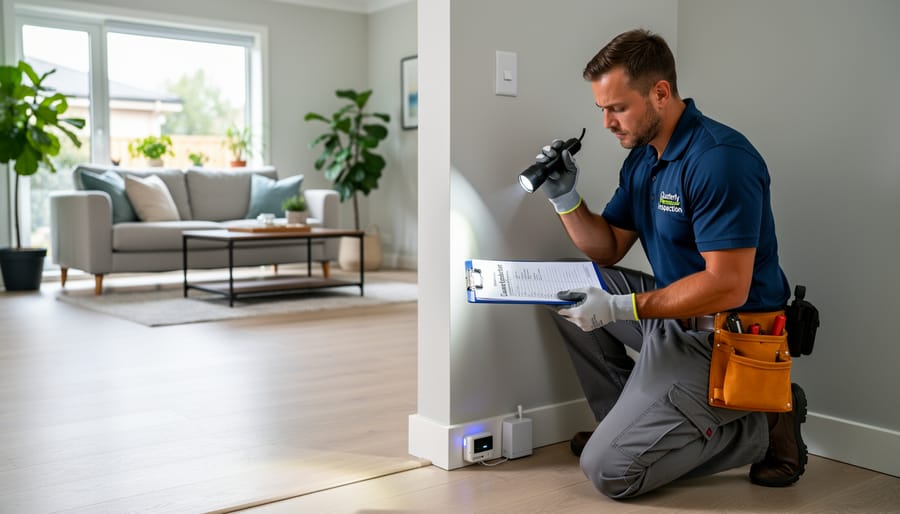
When your pest control professional arrives for a quarterly visit, you can expect a thorough and systematic approach to keeping your home comfortable and pest-free. The service typically begins with a comprehensive inspection of your property, both inside and out. Your technician will check common problem areas like basements, attics, crawl spaces, and yes, even around your fireplace and chimney where pests often find entry points during cooler months when they’re seeking warmth.
During the inspection, the professional will look for signs of active pest activity, potential entry points, and conditions that might attract unwanted visitors. They’ll pay special attention to moisture issues, cracks in foundations, and gaps around utility lines. This detective work helps them customize the treatment plan specifically for your home’s needs.
The treatment application follows the inspection and usually involves applying safe, EPA-approved products to key areas where pests are likely to enter or nest. Your technician should explain what products they’re using and any necessary precautions, especially important if you have pets or young children who spend time near your cozy fireplace area.
Communication is a cornerstone of quality service. Expect your pest control professional to share their findings with you, discuss any concerns, and provide recommendations for preventing future problems. They should answer your questions clearly and leave you with documentation of the service performed. Many companies also offer follow-up support between visits if you notice any pest activity, giving you peace of mind throughout the season.
Treatment Methods That Protect Your Living Space
Modern pest control has come a long way from harsh chemicals and disruptive treatments. Today’s quarterly services prioritize methods that keep your home safe and comfortable, especially important when you’re gathering around the hearth with loved ones.
Professional pest control technicians now use integrated pest management approaches that combine strategic prevention with targeted treatments. These methods focus on barrier applications around your home’s exterior, sealing entry points, and applying eco-friendly solutions in specific areas where pests are likely to enter or nest. The best part? These treatments are designed to work effectively while remaining safe for your family and pets once dried and settled.
When it comes to protecting spaces near your fireplace and chimney, technicians understand the unique considerations these areas require. They’ll inspect for common invaders like spiders, ants, and rodents that might be attracted to the warmth, while avoiding treatments that could interfere with ventilation or air quality around your heating sources.
Many providers now offer plant-based or low-toxicity options that break down naturally in your environment. These solutions create protective barriers without lingering odors or residues that could affect your indoor air quality when you’re enjoying a cozy fire.
The quarterly schedule allows professionals to rotate treatment methods seasonally, addressing specific pests as they become active throughout the year. This adaptive approach means you’re never dealing with overtreatment, and your home maintains its welcoming atmosphere year-round. Between visits, you’ll receive guidance on simple maintenance steps that support a naturally pest-resistant environment without compromising your home’s comfort.
The Real Benefits of Staying on a Quarterly Schedule
Prevention vs. Emergency Extermination
Think of quarterly pest control like maintaining your fireplace chimney—regular care prevents the expensive emergencies. When you invest in preventative service, you’re addressing potential problems before they take hold in your home’s cozy spaces. The cost difference is substantial: preventing an infestation typically runs a few hundred dollars annually, while eliminating an established problem can cost thousands, not to mention the damage pests cause to woodwork, insulation, and structural elements around your heating areas.
Professional pest control through regular visits means technicians catch early warning signs—a few carpenter ants near your wood storage, rodent droppings in the basement, or termite activity near your hearth. These small issues are manageable with minimal treatment. Wait until you have a full-blown infestation, and you’re looking at extensive treatments, potential structural repairs, and the stress of living through an emergency remediation process.
Regular prevention also protects your investment in creating a warm, welcoming home environment. Nobody wants to discover their beautiful firewood stack harboring destructive pests or find rodents nesting in insulation near their heating system.
Protecting Your Home’s Comfort Investment
Your home’s warmth and comfort represent a significant investment, and pests pose a surprising threat to the systems that keep your living spaces cozy. Rodents are particularly destructive to home heating systems, often chewing through electrical wiring that controls furnaces and thermostats. These unwanted visitors view insulation as perfect nesting material, pulling apart the very barriers that help maintain your home’s temperature efficiency and drive up energy costs.
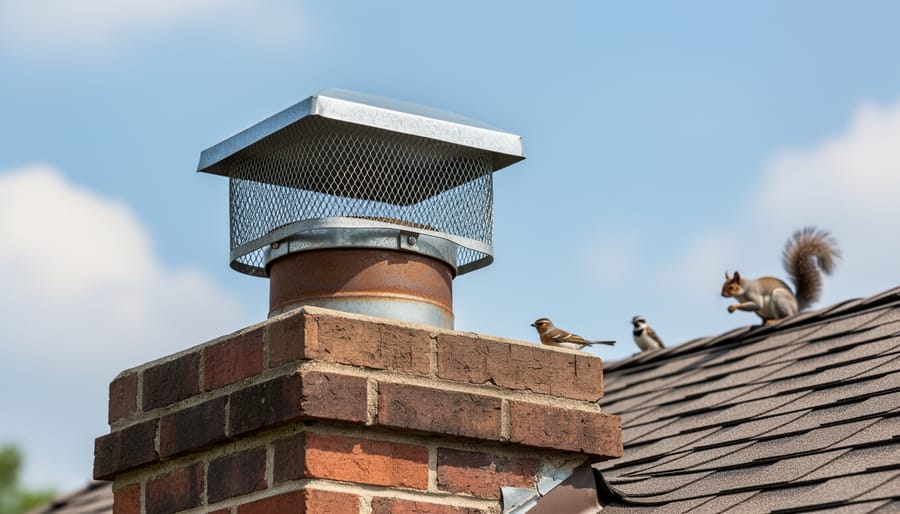
Around your fireplace and chimney, the risks multiply. Squirrels and birds frequently build nests in chimney flues, creating dangerous blockages that prevent proper ventilation and increase carbon monoxide risks. Termites and carpenter ants silently weaken the wooden mantels, structural beams, and framing around your hearth, compromising both safety and aesthetics. Even seemingly minor pests like spiders leave unsightly webs that detract from your fireplace’s welcoming ambiance.
Regular quarterly pest control creates a protective shield around these critical comfort zones, catching infestations before they compromise your heating efficiency or require costly repairs. Think of it as preventive maintenance for the heart of your home’s warmth.
Choosing the Right Quarterly Service for Your Home
Key Questions to Ask Before Signing Up
Before committing to a quarterly pest control service, especially one that protects your cozy living spaces, asking the right questions ensures you’re making an informed choice. Start by inquiring about eco-friendly products and methods. Since your fireplace area is central to your home’s warmth and ambiance, you’ll want to confirm that treatments are safe for your family, pets, and won’t leave residues on surfaces near your hearth.
Ask specifically about their approach to treating areas around fireplaces, wood storage, and chimney bases, as these spots often attract pests seeking shelter. Understanding what pests are covered in your quarterly plan is essential. Does it include common invaders like ants, spiders, rodents, and termites?
Inquire about service guarantees and what happens if pests return between scheduled visits. A reputable company should offer free re-treatments if needed. Find out about advance notice requirements and whether you need to be home during treatments.
Don’t hesitate to ask about the technician’s training and certification. You’re trusting them to work around your valuable heating systems and living spaces, so their expertise matters. Finally, clarify cancellation policies and contract terms. Flexibility is important, especially if you’re trying the service for the first time. These questions help you choose a provider who respects both your home’s comfort and your peace of mind.
Red Flags and Green Lights in Pest Control Companies
When choosing a pest control provider for your home—especially to protect those cozy spaces around your fireplace and heating areas—knowing what to look for can save you money and headaches.
Green lights include licensed and insured companies that provide detailed service agreements outlining exactly what treatments they’ll perform each quarter. Trustworthy providers offer free inspections, transparent pricing without hidden fees, and customized treatment plans rather than one-size-fits-all approaches. They should gladly explain their methods, especially regarding safe application around fireplaces, chimneys, and woodpiles. Look for companies that prioritize eco-friendly solutions and can discuss how their treatments protect your indoor air quality.
Red flags to avoid include companies pressuring you to sign contracts immediately or offering prices that seem too good to be true. Be wary of providers who can’t produce proper licensing, refuse to provide written estimates, or use scare tactics about infestations. Companies that spray indiscriminately without inspecting first or can’t explain their treatment methods should raise concerns. Understanding the difference between DIY versus professional treatment helps you evaluate whether a company truly offers expertise beyond what you could handle yourself. Trust your instincts—reputable providers respect your questions and prioritize your family’s safety alongside effective pest management.
Between Visits: Simple Steps to Keep Pests Away
Fireplace and Chimney Maintenance That Deters Pests
Your fireplace adds wonderful warmth and ambiance to your home, but without proper maintenance, it can become an open invitation for unwanted guests. Chimneys provide cozy shelter for birds, squirrels, raccoons, and bats, while stored firewood attracts termites, ants, and other insects.
Start with a quality chimney cap featuring mesh screening. This simple addition prevents animals from entering while allowing smoke to escape freely. Inspect your cap quarterly for damage or gaps that clever critters might exploit.
Schedule annual chimney cleaning to remove creosote buildup and check for nests or pest activity. A professional sweep can spot potential entry points before they become problems. Between cleanings, look for signs like scratching sounds, droppings, or unusual odors that might indicate unwelcome residents.
Wood storage matters tremendously for pest prevention. Keep your firewood stacked at least 20 feet from your home and elevated off the ground on a rack. This distance creates a buffer zone, preventing insects from easily migrating indoors. Only bring in what you’ll burn within a day or two, and inspect each log before bringing it inside.
Consider your firewood choices thoughtfully. Seasoned hardwoods burn cleaner and harbor fewer pests than green or softwood alternatives. Store wood in a dry, well-ventilated area with the bark side down to discourage moisture and pest colonization.
Creating an Unwelcoming Environment for Unwanted Guests
Making your home less appealing to pests doesn’t require harsh chemicals or complicated systems. Start by addressing moisture issues, as dampness attracts everything from termites to silverfish. Check around your fireplace, basement, and crawl spaces for leaks or condensation. Repair any dripping pipes and ensure proper ventilation in humid areas.
Store firewood at least twenty feet from your home’s foundation and keep it elevated off the ground. This simple step prevents wood-boring insects and rodents from establishing highways into your living spaces. Inside, transfer pantry staples into airtight containers and never leave pet food out overnight.
Seal cracks and gaps around doors, windows, and your fireplace chimney using weather stripping or caulk. These tiny openings serve as welcome mats for unwanted visitors. Don’t forget about outdoor living areas where debris, standing water, and clutter create pest havens. Regular decluttering both inside and outside makes your home less attractive while making it easier to spot problems early, allowing your quarterly pest control service to work more effectively.
Your home is your sanctuary, a place where you gather with loved ones around a crackling fire, create lasting memories, and enjoy the simple comfort of feeling safe and secure. Protecting that warmth and comfort goes beyond maintaining your fireplace or heating system—it extends to ensuring your entire living space remains free from unwanted invaders that can disrupt your peace of mind.
Quarterly pest control service is more than just an expense on your home maintenance checklist. It’s a proactive investment in your family’s comfort, health, and safety. By establishing a consistent protective barrier around your home, you’re preventing problems before they start rather than scrambling to address infestations after they’ve already taken hold. This forward-thinking approach saves you money, stress, and potential damage to the spaces you’ve worked so hard to create and maintain.
Think of quarterly pest control as part of the same commitment you make when you sweep your chimney, service your heating system, or tend to your fireplace. These aren’t luxuries—they’re essential practices that keep your home functioning as the warm, welcoming haven it should be. Just as you wouldn’t neglect the systems that heat your home, protecting it from pests ensures every corner remains comfortable and inviting.
When you view pest control through this lens, the decision becomes clear: regular quarterly service is an investment in your home’s future and your family’s ongoing comfort.