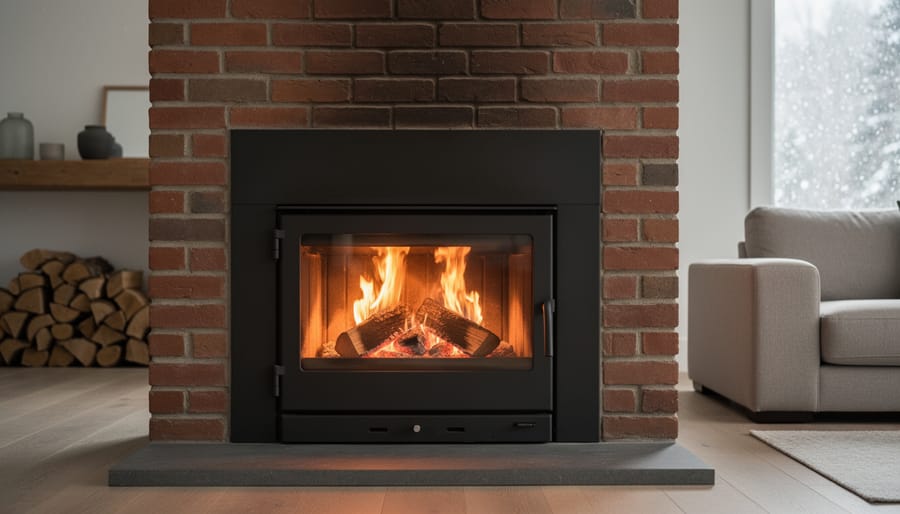


Transform your drafty, inefficient fireplace into a powerhouse heating system by installing a high-efficiency wood stove insert that can slash your heating bills by up to 50% while using two-thirds less wood. These engineered marvels combine advanced combustion technology with strategic design to extract maximum heat from every log, turning your decorative fireplace into a genuine heat source capable of warming your entire home.
Modern inserts achieve efficiency ratings of 70-85%, compared to traditional open fireplaces that lose up to 90% of their heat up the chimney. This dramatic improvement comes from three key innovations: secondary combustion systems that burn smoke and gases for extra heat, insulated fireboxes that reflect warmth into your room rather than absorbing it into masonry, and precisely controlled air intake that ensures complete, clean burns. The result is longer burn times, less ash, clearer air, and significantly more warmth from the same amount of wood.
Choosing the right insert means matching heating capacity to your square footage, understanding clearance requirements for your existing fireplace, and selecting efficiency features that align with your heating goals and budget. Whether you’re looking to reduce reliance on expensive fossil fuels, create a sustainable backup heating system, or simply maximize the potential of your existing fireplace, a high-efficiency insert offers an eco-friendly solution that pays dividends in comfort and cost savings for decades to come.
What Makes a Wood Stove Insert ‘High Efficiency’?
The Magic of Secondary Combustion
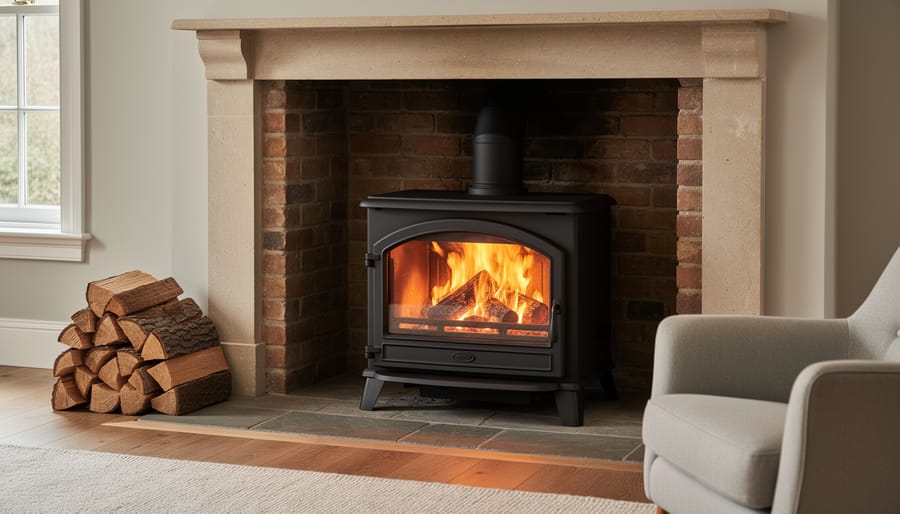
Think of secondary combustion as giving your fire a second chance to squeeze every last bit of warmth from your wood. In a traditional fireplace, much of the smoke you see rising up the chimney is actually unburned fuel going to waste. High efficiency wood stove inserts capture this smoke and give it an encore performance.
Here’s how it works: as wood burns in the primary firebox, it releases gases and smoke. In a secondary combustion system, strategically placed air tubes introduce pre-heated oxygen above the flames. This ignites those escaping gases, creating a dramatic display of dancing flames that actually burns what would otherwise be pollution. It’s like recycling energy within your own fireplace.
The results are impressive. You’ll notice cleaner glass doors, less creosote buildup in your chimney, and significantly less smoke leaving your home. More importantly, you’re extracting up to 30% more heat from the same amount of wood. This eco-friendly heating approach means fewer trips to the woodpile, lower heating costs, and a cleaner conscience knowing you’re reducing emissions. The brilliant flames you’ll see dancing along those air tubes aren’t just beautiful—they’re your confirmation that nothing is going to waste.
Understanding Efficiency Ratings That Actually Matter
When you’re shopping for a wood stove insert, you’ll encounter plenty of numbers and ratings that can feel overwhelming at first glance. Let’s break down what actually matters for your home.
The EPA efficiency rating is your first checkpoint. Modern high-efficiency inserts typically range from 70% to 85% efficiency. What does this mean for you? Simply put, a stove with 78% efficiency converts 78% of your wood’s energy into usable heat for your home, while only 22% escapes up the chimney. Compare this to traditional fireplaces that hover around 10-15% efficiency, and you can see why inserts are such game-changers for both comfort and your wallet.
BTU output tells you how much heating power the unit produces. A common range is 30,000 to 70,000 BTUs per hour. Here’s the practical translation: roughly 30,000 BTUs can heat about 1,000 to 1,500 square feet. Don’t assume bigger is always better though. An oversized unit will have you opening windows in winter, while an undersized one leaves you feeding wood constantly.
Pay attention to burn time ratings too. Quality inserts offer 8-12 hour burn times, meaning you can load up before bed and wake to a warm home without middle-of-the-night refueling. This extended burn time directly relates to catalytic or secondary combustion systems that squeeze every bit of heat from each log, making your fuel investment go further while reducing emissions for a cleaner, greener heating solution.
Real Benefits You’ll Feel in Your Home (And Your Wallet)
Let’s talk about what really matters—how a high-efficiency wood stove insert transforms your daily life at home. The difference between your old fireplace and a modern insert isn’t just on paper; it’s something you’ll notice the moment temperatures drop.
Picture this: instead of huddling within a few feet of your fireplace while the rest of your house stays chilly, you’ll feel genuine warmth spreading throughout your entire living space. These inserts can heat 1,500 to 2,500 square feet effectively, turning your fireplace from a pretty focal point into a legitimate heating powerhouse. Many homeowners report turning down their thermostats by 5-10 degrees, letting their insert handle the heavy lifting while their furnace takes a well-deserved break.
The wood savings alone will surprise you. High-efficiency inserts use approximately one-third less firewood than traditional fireplaces, which means fewer trips to stack wood, less money spent on cords, and more time enjoying the fire instead of feeding it. If you’re currently burning through six cords per winter, expect to drop that to four—that’s real savings that add up season after season.
Then there’s the convenience factor. Extended burn times of 8-12 hours mean you can load your insert before bed and wake up to glowing embers ready to restart, rather than starting from scratch each morning. No more middle-of-the-night wood runs or coming home to a cold house.
Your indoor air quality improves dramatically too. Modern inserts burn cleaner, producing less smoke and fewer particulates that can affect your family’s breathing. Outside, your neighbors will appreciate the reduced smoke from your chimney. You can improve heat circulation even further with the right accessories, maximizing comfort throughout your home.
The bottom line? Most homeowners recoup their investment within 3-5 heating seasons through reduced heating bills and wood costs, all while enjoying superior comfort and contributing to cleaner air.
Choosing the Right High-Efficiency Insert for Your Fireplace
Size and Fit: Getting the Measurements Right
Getting your wood stove insert properly sized is like finding the perfect piece for a puzzle—it needs to fit just right to work beautifully and safely. Start by measuring your fireplace opening’s width, height, and depth. You’ll want to leave enough space around the insert for proper installation and to meet clearance requirements, typically a few inches on each side.
Next, calculate the BTU output you’ll need based on your home’s square footage. As a general rule, you’ll need about 20-30 BTUs per square foot in moderate climates, though this varies with insulation quality and climate zone. A 1,500 square foot home typically requires 30,000-45,000 BTUs. Don’t fall into the bigger-is-better trap—an oversized insert will cause you to burn low, smoldering fires that create creosote buildup and waste wood.
Proper sizing directly impacts both efficiency and safety. An appropriately sized insert burns cleanly at optimal temperatures, extracting maximum heat from every log while minimizing emissions. It’s an eco-friendly choice that respects both your wallet and the environment. Too small means working your stove too hard and never achieving comfortable warmth; too large means inefficient burning and potential safety hazards. When in doubt, consult with a certified installer who can assess your specific situation and recommend the ideal size for your lifestyle needs.
Features Worth Paying Extra For
When shopping for a high-efficiency wood stove insert, certain features can transform your experience from good to exceptional. Understanding which upgrades align with your lifestyle helps you invest wisely.
Blower systems deserve serious consideration if you want to maximize heat distribution throughout your home. Built-in fans actively circulate warm air into your living space rather than letting heat rise naturally to the ceiling. A quality wood stove fan can increase your heating efficiency by 25-30%, making those chilly mornings noticeably more comfortable. Some models offer variable speed controls, letting you adjust airflow based on outdoor temperatures. If you’re interested in eco-friendly options, heat-powered blowers operate without electricity, using the stove’s heat to generate circulation.
Thermostatic controls bring modern convenience to wood heating by automatically adjusting air intake to maintain your desired temperature. This feature reduces babysitting your fire and helps maintain consistent warmth throughout the day.
Advanced ash management systems, including removable ash pans and cleanout doors, make maintenance far less messy. If you’re burning daily during winter months, this convenience quickly justifies the additional cost.
High-quality glass door technology with airwash systems keeps your viewing window clear longer, maintaining that cozy ambiance we all love about fires. Self-cleaning glass means fewer interruptions for maintenance.
Finally, aesthetic options like decorative faceplates, door designs, and finish choices help your insert complement your home’s style. While purely cosmetic, these touches make your insert feel like a thoughtful design element rather than just a heating appliance.
Installation Essentials: What to Expect
Installing a high-efficiency wood stove insert transforms your existing fireplace into a powerful heating machine, but proper installation is essential for both safety and performance. While the process may seem daunting at first, understanding what’s involved helps you prepare and budget accordingly.
Professional installation is strongly recommended for wood stove inserts, even if you’re handy around the house. These units require precise fitting, proper venting, and adherence to strict fire safety codes. A certified installer brings expertise that ensures your investment performs optimally and safely for years to come. Most installations take one to two days, depending on your specific setup.
One critical component is meeting chimney liner requirements. Your existing chimney likely needs a stainless steel liner installed to properly vent the insert. This liner protects your chimney from heat damage and corrosion while improving draft efficiency. The liner must be sized correctly for your specific insert model, which your installer will determine based on manufacturer specifications.
Before installation begins, you’ll need the proper permits from your local building department. Your installer typically handles this process, but expect inspections before and after the work is completed. These aren’t red tape meant to frustrate you, but important safety checks that protect your home and family.
Cost-wise, plan for the insert price plus installation expenses. Professional installation typically ranges from $1,500 to $3,000, depending on complexity. This includes the chimney liner, connections, and any necessary hearth modifications. While this represents a significant investment, proper installation ensures maximum efficiency and safety, ultimately saving you money through reduced heating costs and preventing costly repairs down the road.
Remember, cutting corners on installation compromises both safety and the eco-friendly benefits you’re seeking. A professionally installed high-efficiency insert becomes a reliable, long-term heating solution that enhances your home’s comfort and value.
Maximizing Your Insert’s Performance
The Right Wood Makes All the Difference
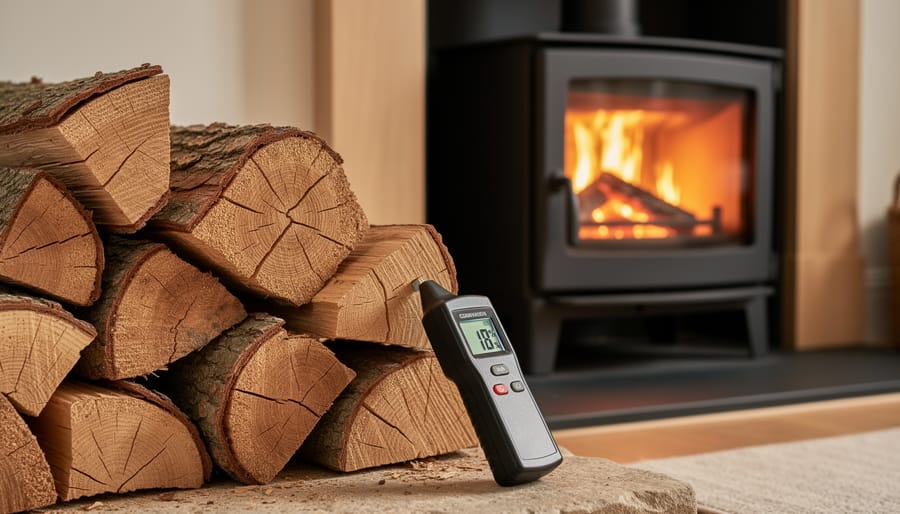
Even the most efficient wood stove insert won’t perform well without the right fuel. Think of it like putting premium gas in a sports car – quality matters. The golden rule? Keep your firewood’s moisture content under 20%. Wet or green wood creates excessive smoke, reduces heat output dramatically, and sends unburned particles up your chimney, wasting energy and money.
For maximum heat output, hardwoods are your best friends. Oak, maple, and ash deliver long, steady burns with excellent BTU production. They’re denser than softwoods, meaning more energy packed into each log. Softwoods like pine work fine for kindling but burn faster and produce less heat overall.
Proper storage is where eco-friendly practices meet performance. Stack your wood off the ground in a sunny, well-ventilated spot, covered on top but open on the sides. This natural seasoning process takes 6-12 months but transforms your heating experience. You’ll use less wood, create less creosote buildup, and significantly reduce emissions – making your efficient insert even more environmentally responsible.
A moisture meter is an inexpensive investment that takes the guesswork out of wood readiness. When you’re burning the right fuel, you’re not just maximizing efficiency; you’re embracing sustainable heating that’s better for your home, your wallet, and the environment.
Operating Techniques for Maximum Efficiency
Getting the most from your high efficiency wood stove insert starts with mastering the art of the fire itself. Begin with the top-down method: place larger split logs on the bottom, medium pieces in the middle, and kindling with fire starter on top. This approach creates a cleaner, more controlled burn from the start, reducing smoke and maximizing heat output.
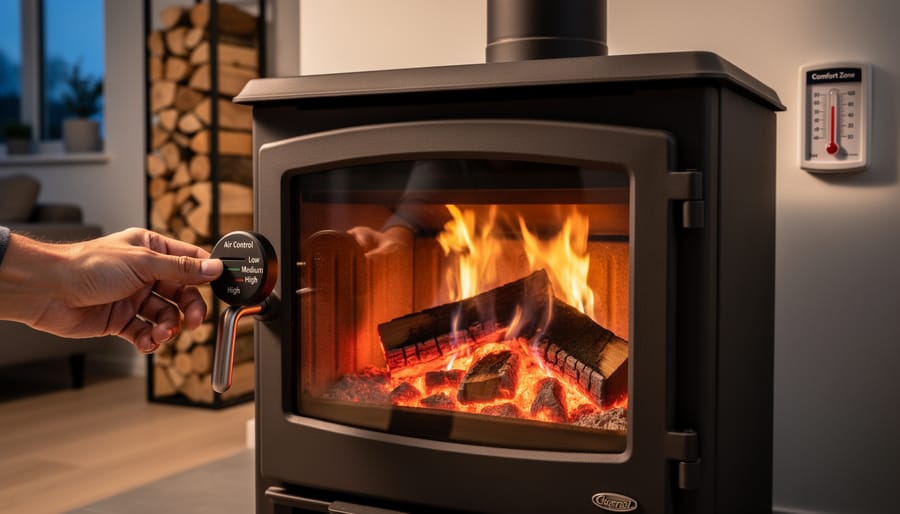
Once your fire is established, understanding air control becomes essential. During the initial burn phase, keep the air intake fully open for 15-20 minutes to establish hot coals and bring the stove to operating temperature. As flames become steady and vigorous, gradually reduce the air supply to about halfway. This is where efficiency truly happens—the sweet spot where wood burns completely without wasting heat up the chimney.
You’ll know your stove is performing optimally when you see active, rolling flames with minimal smoke from the chimney. The glass door should stay relatively clear, and the firebox interior will glow with intense heat. If you notice excessive smoke, blackened glass, or difficulty maintaining temperature, you’re likely running the air too low or burning unseasoned wood.
Common efficiency issues often trace back to fuel quality. Wood should be seasoned for at least six months with moisture content below 20 percent. Wet wood creates creosote buildup and reduces heat output dramatically. Another frequent mistake is overloading the firebox, which restricts airflow and leads to incomplete combustion.
Think of operating your insert as a partnership between you and this eco-friendly heating solution—attentiveness during the first hour of burning pays dividends in comfort and efficiency throughout the day.
The Eco-Friendly Advantage
Choosing a high-efficiency wood stove insert isn’t just about keeping your home cozy—it’s one of the most meaningful environmental decisions you can make for your heating needs. If you’ve been looking for ways to warm your space while treading more lightly on the planet, these modern marvels deliver impressive green credentials alongside their heating prowess.
Let’s talk about what really matters: the air we breathe. Today’s EPA-certified high-efficiency inserts produce up to 90% fewer particulate emissions than traditional open fireplaces and older wood stoves. Those billowing clouds of smoke you might remember from grandma’s fireplace? Modern inserts have nearly eliminated that problem through advanced combustion technology. The difference is dramatic—cleaner air for your family and your entire neighborhood.
Here’s something that might surprise you: when you burn wood from sustainably managed forests, you’re participating in a carbon-neutral cycle. Trees absorb carbon dioxide as they grow, then release it when burned—essentially returning what was borrowed from the atmosphere. Compare that to fossil fuels like oil and natural gas, which release carbon that’s been locked underground for millions of years, adding new greenhouse gases to our environment.
Every cord of wood you burn in an efficient insert means less dependence on fossil fuels. You’re literally reducing demand for heating oil, propane, or natural gas—fuels that require extensive extraction, processing, and transportation. It’s localized, renewable energy that makes sense both practically and environmentally.
The beauty of high-efficiency inserts is that they don’t ask you to choose between comfort and conscience. You get exceptional warmth, lower fuel costs, and the satisfaction of knowing you’re making a genuinely responsible choice for the environment. That’s the kind of heating solution worth embracing.
Transforming your wasteful fireplace into an efficient heating powerhouse isn’t just a home improvement project—it’s an investment in comfort, sustainability, and your financial future. A high efficiency wood stove insert turns what may have been a charming but impractical feature into a reliable heat source that can warm your entire home while using significantly less wood than traditional fireplaces.
The beauty of this upgrade is how seamlessly it blends practicality with lifestyle. You’re not sacrificing the dancing flames and cozy ambiance you love; you’re enhancing them with real warmth and efficiency. Imagine curling up with a book, knowing that your heating system is working smarter, not harder, reducing your carbon footprint while lowering your energy bills year after year.
Ready to take the next step? Start by measuring your existing fireplace opening, checking your chimney condition, and noting your heating priorities. Connect with certified professionals who can guide you through local regulations and proper installation. Explore specific models that match your space and efficiency goals.
The combination of sustainable warmth, timeless ambiance, and long-term savings is within reach. Your transformation from drafty fireplace to efficient heating system starts today.