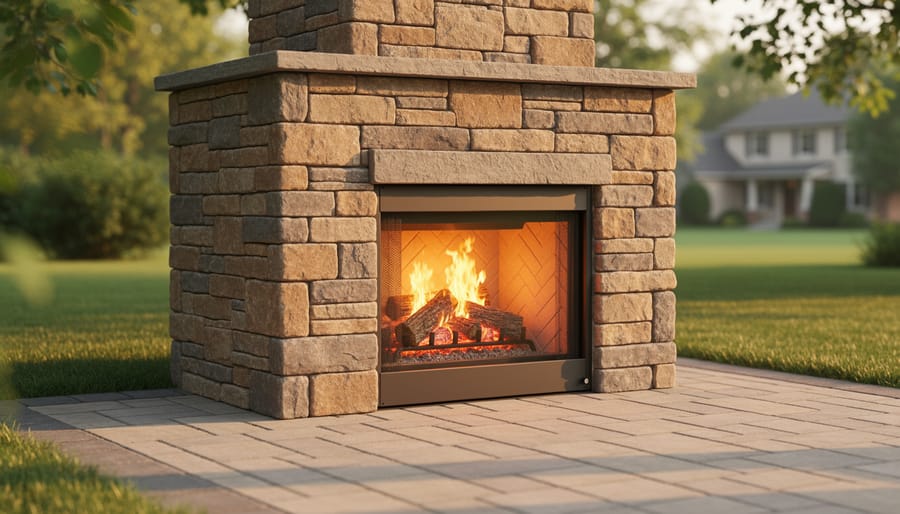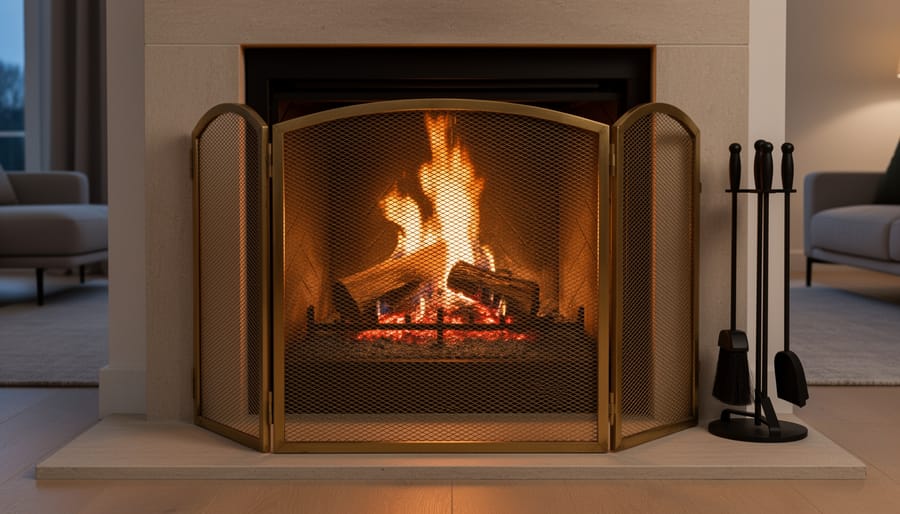
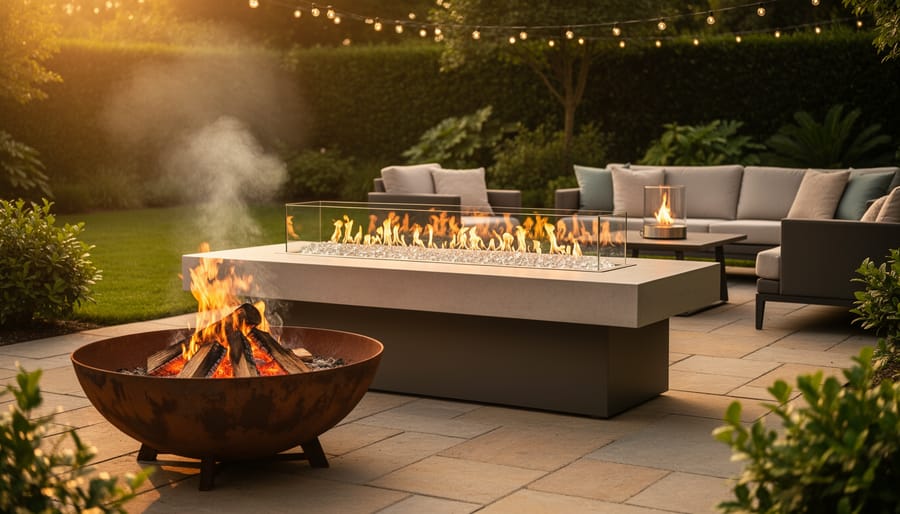


Choosing the right fuel type transforms your fire pit from a simple backyard feature into the perfect gathering spot for your lifestyle. Wood-burning pits deliver that authentic crackling ambiance and smoky aroma many of us crave, but they demand regular ash cleanup and wood stockpiling. Natural gas and propane options offer instant flames at the flip of a switch, with virtually zero maintenance and precise heat control, though they sacrifice that primal campfire experience. Gel fuel and bioethanol pits provide clean-burning, portable solutions ideal for smaller spaces and urban patios where smoke ordinances might restrict wood burning. Each fuel type carries distinct upfront costs, ongoing expenses, and installation requirements that directly impact your wallet and weekend plans.
The fuel you select determines everything from how quickly you can start enjoying your fire pit to how much time you’ll spend maintaining it between gatherings. Gas options typically require professional installation and utility line connections, adding $500-$2,000 to your initial investment, while wood-burning pits might cost less upfront but demand constant fuel purchases and ash removal. Environmental considerations matter too, with bioethanol and natural gas burning cleaner than traditional wood, reducing your carbon footprint while keeping your outdoor space inviting. Understanding these practical differences helps you match your fire pit to your specific needs, whether you’re hosting elaborate dinner parties, seeking a low-maintenance heat source for chilly evenings, or creating an eco-friendly centerpiece that reflects your values without compromising on warmth and atmosphere.
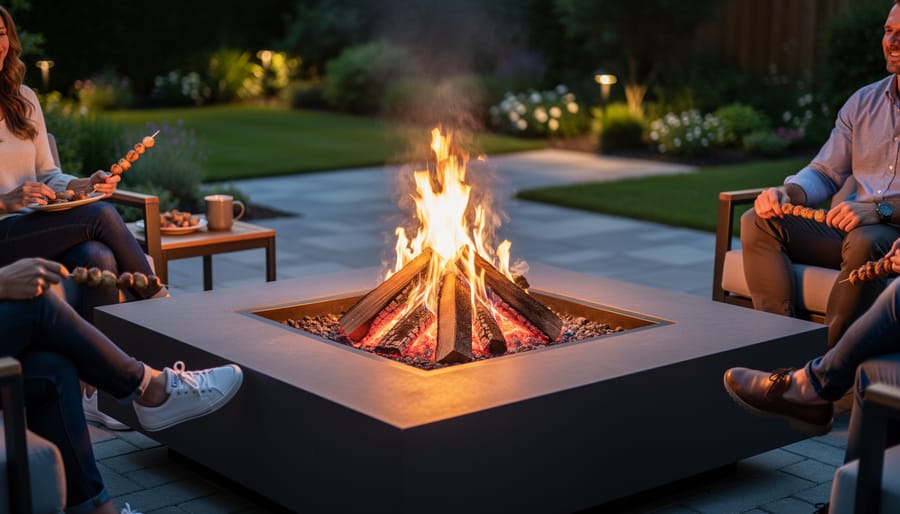
Wood-Burning Fire Pits: The Classic Choice
The Authentic Fire Experience
There’s something undeniably magical about gathering around a wood-burning fire pit. The rhythmic crackling of burning logs creates a natural soundtrack that no gas flame can replicate, while the distinctive aroma of wood smoke evokes primal memories and creates an atmosphere that feels genuinely connected to centuries of human tradition. The flames themselves dance and shift unpredictably, casting mesmerizing shadows and providing ever-changing visual interest that captivates guests for hours.
Wood-burning fire pits deliver what many consider the quintessential outdoor fire experience. The ritual of selecting logs, arranging kindling, and tending the fire becomes part of the evening’s entertainment rather than a chore. Your choice of wood affects not just the burn quality but also the sensory experience—different species produce distinct aromas and flame characteristics that add personality to your gathering.
Beyond aesthetics, wood burning offers practical benefits. There’s no need for gas lines or propane tanks, and firewood remains widely available and often affordable, especially if you have access to fallen timber. While wood fires do require more attention and maintenance than gas alternatives, and it’s worth learning how to reduce smoke issues, many enthusiasts consider this hands-on involvement part of the authentic appeal that makes wood-burning fire pits the gold standard for outdoor ambiance.
Fuel Costs and Availability
Firewood remains one of the most economical fuel options for fire pits, though costs vary significantly by region. In most areas, you’ll find seasoned firewood priced between $150 to $300 per cord (128 cubic feet), with higher prices common in urban areas or regions with limited forests. A typical evening fire might consume 15-20 pounds of wood, making a cord last through dozens of cozy gatherings.
The key to economical firewood use is planning ahead. Green wood needs 6-12 months of proper seasoning to reduce moisture content below 20 percent, ensuring cleaner burns and better heat output. You’ll need dry, covered storage space with good airflow—stacking wood off the ground prevents rot and pest issues.
Sourcing options range from convenient to budget-friendly. Local suppliers deliver split, seasoned wood ready to burn, while buying unseasoned wood in spring saves money if you have storage space. If you own wooded property, harvesting fallen trees provides virtually free fuel while maintaining your landscape. Many homeowners discover a satisfying rhythm in this lifestyle element of fire pit ownership.
For eco-conscious burners, consider purchasing from suppliers certified for sustainable forestry practices, ensuring your evening ambiance supports responsible woodland management.
What You’ll Need to Maintain
Wood-burning fire pits bring wonderful ambiance, but they do require regular attention to keep them performing their best. After each fire, you’ll need to remove cooled ash—letting it accumulate can restrict airflow and make future fires harder to start. Unlike indoor fireplaces, creosote buildup isn’t typically a concern with open fire pits, though you’ll want to periodically inspect metal components for rust or deterioration.
Regular cleaning becomes part of your routine. Sweep out debris, check drainage holes if your pit has them, and remove leaves or other materials that might have blown in. During your gatherings, tending the fire is truly a hands-on experience. You’ll be adding logs every 30-45 minutes, adjusting wood placement for optimal burning, and managing sparks with a screen. It’s interactive and engaging—many people find this part of the charm—but it does mean you can’t simply light it and forget it.
Having the right wood burning fire pit accessories on hand makes maintenance much easier. A quality poker, ash shovel, and protective gloves become essential tools. While maintenance isn’t difficult, it does require commitment. If you love the ritual of fire-tending and don’t mind a bit of cleanup, wood-burning fire pits reward you with an authentic, cozy experience.
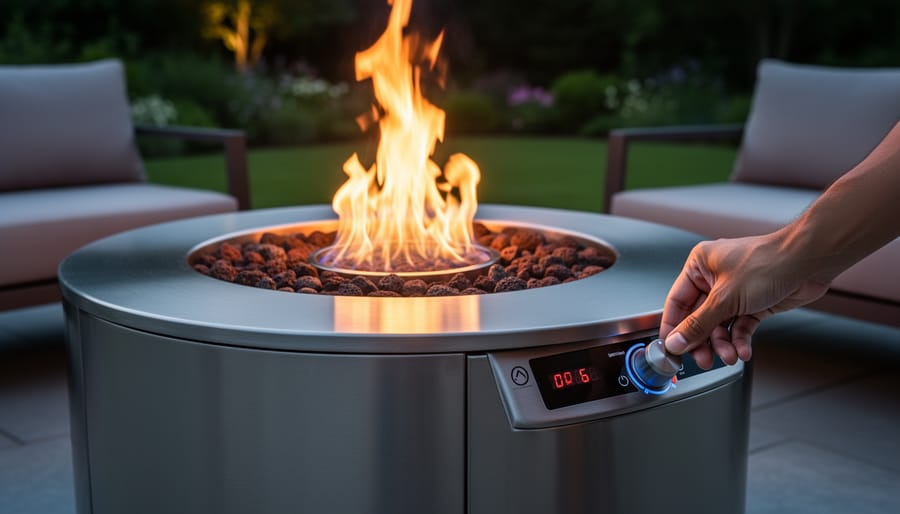
Propane Fire Pits: Convenience Meets Control
Instant Fire at Your Fingertips
Modern life moves fast, and gas-powered fire pits have revolutionized outdoor entertaining by eliminating the hassles of traditional fire-building. With a simple push of a button or turn of a knob, you’ll have a full, dancing flame in seconds—no kindling, no waiting, and no smoke-filled startup period. This instant gratification is one of the key propane fire pit advantages that busy homeowners truly appreciate.
The convenience extends beyond just lighting. Adjustable flame controls let you set the perfect ambiance for any occasion, whether you want a romantic low flicker for intimate conversation or a roaring blaze for a chilly evening. When the party’s over or unexpected weather rolls in, you can shut everything down instantly with zero cleanup required. No dousing embers, no waiting for logs to burn down, no ash removal the next morning.
For frequent entertainers, this simplicity is invaluable. You can focus on your guests rather than tending fire, and there’s no skill or strength required—everyone in the household can operate it safely. This push-button lifestyle element transforms your outdoor space into an instantly accessible retreat, perfect for spontaneous gatherings or peaceful evenings under the stars.
Operating Costs and Tank Management
Propane fire pits typically use either 20-pound tanks (the standard size for gas grills) or larger 30 to 40-pound tanks for extended burn times. A standard 20-pound tank provides approximately 8-10 hours of continuous burn time at medium heat, costing between $15-25 to refill at most hardware stores or propane suppliers. For frequent entertainers, keeping a backup tank ensures your gatherings won’t be interrupted by running out of fuel at an inconvenient moment.
Managing your propane supply becomes part of your outdoor living routine. Many homeowners purchase a spare tank and rotate them during refills, so you always have a full one ready. Tank exchanges at convenience stores offer quick swaps but often provide slightly less propane than refilling your own tank at a dedicated supplier.
Consider the aesthetics of tank placement as well. While smaller tanks can tuck discreetly beneath portable fire pits, larger permanent installations benefit from hiding propane tanks in decorative enclosures or behind landscaping. This maintains the visual appeal of your outdoor space while keeping fuel accessible for easy connections and monitoring levels.
Portability and Installation Flexibility
One of the most practical advantages of propane fire pits is their exceptional portability and installation flexibility. Unlike wood-burning or natural gas options that require permanent setups, propane fire pits give you the freedom to create warmth and ambiance wherever you need it most. Simply connect a standard propane tank, and you’re ready to enjoy cozy evenings under the stars.
This mobility makes propane fire pits ideal for renters who can’t make permanent modifications to their outdoor spaces. When it’s time to move, your fire pit moves with you, protecting your investment and ensuring you can continue enjoying outdoor gatherings at your next home. The lack of permanent installation also means no digging trenches for gas lines or building elaborate stone structures that stay behind when you relocate.
If you love refreshing your outdoor living space with seasonal changes or different entertaining layouts, propane fire pits adapt to your lifestyle beautifully. Move them poolside for summer gatherings, closer to your patio seating for intimate fall evenings, or tuck them away during winter months. This flexibility lets you experiment with various outdoor configurations without commitment, making it easy to find what works best for your space and entertaining style while maintaining that inviting atmosphere that draws family and friends together.
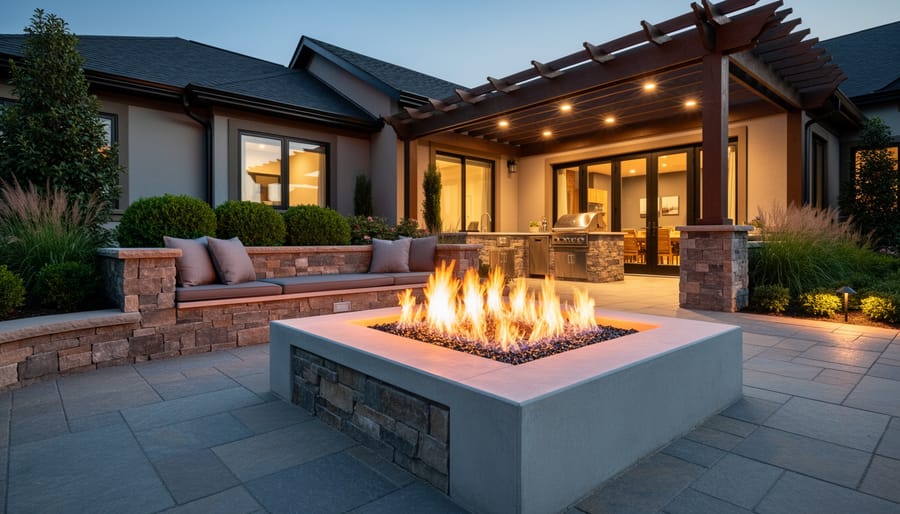
Natural Gas Fire Pits: The Permanent Solution
Unlimited Fuel Without Refills
One of the most liberating advantages of natural gas fire pits is their connection to your home’s existing gas line, providing a truly endless fuel supply. Unlike propane tanks that need monitoring and swapping, or wood that requires constant restocking, your natural gas fire pit draws directly from the same reliable source that powers your home’s other appliances. This means you’ll never experience that awkward moment when the flames sputter out halfway through an evening gathering, leaving guests huddled in blankets while you scramble for a backup tank.
The convenience factor here transforms how you use your outdoor space. There’s no need to plan ahead with fuel deliveries, haul heavy propane tanks from the store, or dedicate storage space to backup supplies. Your fire pit is always ready to light at a moment’s notice, whether it’s a spontaneous weeknight gathering or a planned weekend celebration. This continuous supply makes natural gas particularly appealing for those who entertain frequently or simply enjoy consistent access to their outdoor fireplace as a lifestyle element.
From a practical standpoint, this setup also means more predictable budgeting, as natural gas costs appear on your regular utility bill rather than requiring unpredictable trips to refill tanks during peak season price fluctuations.
Long-Term Cost Efficiency
When considering the long-term investment in your outdoor living space, natural gas fire pits often emerge as the most economical choice for frequent users. While the upfront installation costs are higher due to professional gas line requirements, the ongoing fuel expenses tell a compelling story. Natural gas typically costs between $10-$15 per million BTUs, compared to propane’s $25-$30 for the same heat output. The natural gas vs propane comparison becomes even more striking with regular use.
For homeowners who enjoy evening fires several times weekly, the savings accumulate quickly. A family using their fire pit three times per week for three hours could save $300-$500 annually with natural gas over propane, and even more compared to wood burning when factoring in firewood costs. Regional pricing variations do affect these calculations, particularly in areas without extensive natural gas infrastructure where propane becomes more competitive. However, in most urban and suburban settings with existing gas lines, natural gas provides predictable, budget-friendly warmth that enhances your outdoor lifestyle without breaking the bank season after season.
Installation Requirements and Commitment
Gas fire pits require the most upfront commitment compared to other fuel types, but they become a seamless part of your outdoor living space once installed. If you don’t already have a natural gas line running to your desired location, you’ll need to hire a licensed professional to extend one from your home’s main supply. This typically costs between $500 to $2,000 depending on the distance and complexity of the run.
Propane models offer more flexibility since they use portable tanks, though you’ll still want professional installation to ensure all connections meet safety standards. Most municipalities require permits for permanent gas fire pit installations, especially when connecting to natural gas lines. Check with your local building department before starting your project to avoid potential fines or required removal.
The permanence of gas installations makes them ideal for homeowners committed to a specific outdoor layout. Think of it as investing in a lifestyle element that enhances your backyard for years to come. While the initial commitment seems substantial, the convenience of instant ignition and minimal maintenance makes gas fire pits worth considering for those creating their dream outdoor entertaining space. This fuel type shines brightest when you’ve found your forever setup and want reliable, clean-burning warmth at the flip of a switch.
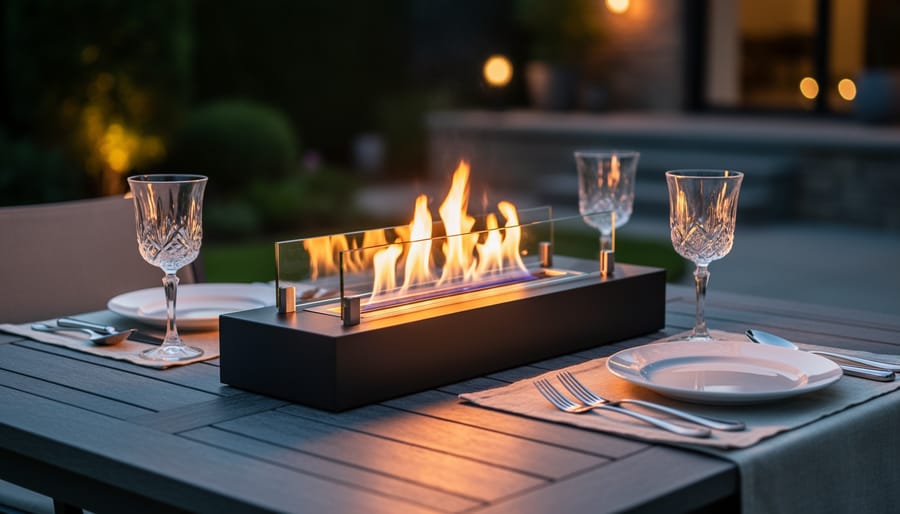
Bioethanol Fire Pits: The Eco-Friendly Alternative
Clean Burning for Healthier Gatherings
If you’re looking for the cleanest burning option for your outdoor gatherings, bioethanol fire pits are hard to beat. These innovative fire features produce virtually no smoke, no ash, and minimal odor, creating a more pleasant experience for everyone around the fire. Unlike wood-burning options that can leave your clothes smelling smoky or irritate sensitive eyes and lungs, bioethanol burns exceptionally clean.
This makes bioethanol fire pits particularly appealing for those with smaller outdoor spaces or covered patios where smoke ventilation might be a concern. You won’t need to worry about ash cleanup the next morning or positioning your seating to avoid smoke blowing in guests’ faces. For homeowners with respiratory sensitivities or allergies, this clean-burning quality is a genuine game-changer.
The environmental benefits align perfectly with eco-friendly living goals too. Since bioethanol is typically derived from renewable plant sources, you’re choosing a sustainable fuel option that doesn’t contribute to deforestation. The lack of particulate emissions means you’re also being a considerate neighbor, especially in urban or suburban settings where smoke from traditional fire pits might drift into nearby yards or open windows.
Environmental Credentials
If you’re drawn to sustainable living choices, bioethanol fire pits offer some impressive environmental credentials worth considering. Unlike traditional wood-burning options, bioethanol fuel comes from renewable plant sources like corn, sugarcane, and other agricultural crops. This means you’re burning a fuel that can be replenished rather than depleting finite resources.
One of bioethanol’s most appealing features is its carbon-neutral burning process. While it does release carbon dioxide when burning, this is roughly equivalent to the CO2 the plants absorbed during their growth cycle. Think of it as a closed loop rather than adding new carbon emissions to the atmosphere. For eco-conscious homeowners looking to reduce their environmental footprint without sacrificing ambiance, this creates a compelling alternative to fossil fuel options.
The clean-burning nature of bioethanol also means you’re not contributing to air pollution in your immediate environment. There’s no smoke, no soot, and no harmful particulates being released into your backyard or indoor living space. This makes bioethanol particularly attractive if you live in areas with strict air quality regulations or simply want to minimize your impact on local air quality.
However, it’s worth noting that the environmental benefits depend somewhat on how the bioethanol is produced. Sustainably sourced bioethanol from waste crops or dedicated energy crops carries a lighter environmental footprint than fuel derived from crops that compete with food production. When shopping for bioethanol, look for products that provide transparency about their sourcing to ensure you’re making the most environmentally responsible choice possible.
Gel Fuel Fire Pits: Compact and Versatile
Perfect for Small Spaces and Tabletops
If you’re working with limited square footage, gel fuel fire pits offer a practical solution that brings warmth and ambiance to even the coziest spaces. These compact fire features are ideal for apartment balconies, small patios, or as stunning tabletop centerpieces for intimate gatherings. Unlike traditional fire pits that require substantial clearance and dedicated outdoor areas, gel fuel models come in sleek, space-efficient designs that fit comfortably on side tables, dining surfaces, or narrow balcony ledges.
The portability factor is a game-changer for urban dwellers and renters. You can easily move your gel fuel fire feature from your balcony to your living room table, creating ambiance wherever you need it most. Many designs serve double duty as decorative elements when not in use, featuring elegant glass enclosures and modern aesthetics that complement contemporary decor. This versatility makes gel fuel an excellent choice for those who want the cozy atmosphere of dancing flames without committing to a permanent installation or sacrificing precious square footage in their outdoor living area.
Cost Considerations and Burn Time
Gel fuel fire pits come with notably higher operating costs compared to other fuel types, typically ranging from $3 to $5 per hour of burn time. Each canister usually provides only 2-3 hours of flame, making extended evening gatherings more expensive than wood or propane alternatives. You’ll also need to keep multiple canisters on hand if you’re planning a longer event.
However, this premium makes perfect sense for specific situations. If you’re someone who enjoys occasional ambiance on your balcony or patio rather than regular heating, the convenience factor outweighs the cost-per-hour equation. The trade-off becomes worthwhile for apartment dwellers with limited space, or homeowners who want a decorative element for special occasions without the commitment of permanent installation. Think of gel fuel as the specialty candle of fire pit options—you’re paying for portability, zero emissions, and effortless setup rather than economical long-term heating. For those embracing fireplaces as a lifestyle element with flexibility in mind, gel fuel delivers exactly what matters most.
Making Your Decision: Which Fuel Fits Your Lifestyle?
Key Questions to Ask Yourself
Before you settle on a particular fire pit type, take a moment to reflect on how this addition will fit into your lifestyle and outdoor space. The right choice depends on several personal factors that go beyond just aesthetics.
Start by considering frequency of use. Will your fire pit be a weekend gathering spot for friends and family, or are you envisioning spontaneous weeknight moments under the stars? If convenience matters and you want instant warmth at the flip of a switch, gas or electric options might suit you better. Wood-burning pits require more planning and effort but deliver that authentic crackling campfire experience many of us crave.
Take stock of your property’s existing infrastructure. Do you already have natural gas lines running to your patio? This could make a gas fire pit installation significantly more affordable and straightforward. Otherwise, you’ll need to budget for professional line installation or consider propane as a flexible alternative.
Think about what ambiance means to you. There’s something primal and mesmerizing about watching real flames dance over burning logs, complete with that nostalgic campfire aroma. If this sensory experience is non-negotiable, wood might be your answer despite the extra maintenance.
Your environmental priorities matter too. If reducing emissions and supporting sustainable practices align with your values, you’ll want to weigh each fuel type’s ecological footprint carefully.
Finally, establish your realistic budget, remembering that initial cost is just one piece. Factor in ongoing fuel expenses, maintenance requirements, and potential installation costs to get the complete financial picture.
Here’s the truth: there’s no universal “best” fire pit fuel—only the best choice for your unique backyard and lifestyle. What works beautifully for a suburban family seeking hassle-free entertaining might not suit a rural homeowner prioritizing eco-friendly heating solutions and ambiance over convenience.
The perfect fire pit is ultimately the one you’ll actually use. If you love the ritual of building a fire but hate the idea of running a gas line, wood might be your answer. If you want instant flames at the push of a button for impromptu gatherings, propane could be ideal. And if you’re looking for a middle ground that honors tradition while reducing emissions, wood pellets deserve consideration.
Think about what matters most to you. Is it minimizing smoke for close neighbors? Keeping ongoing costs low? Creating that authentic campfire experience? Reducing your environmental footprint? There’s no wrong answer—just different priorities that lead to different solutions.
Your outdoor space is waiting to become the gathering spot where memories are made, stories are shared, and warmth extends beyond the flames themselves. Take what you’ve learned here, weigh it against your own situation, and choose the fuel that will help you create those moments. The fireplace as a lifestyle element isn’t about perfection—it’s about connection, comfort, and enjoying your home to its fullest.