

Open windows on opposite sides of your home for 10-15 minutes daily to create cross-ventilation that flushes out stale air, combustion byproducts, and indoor pollutants—even during colder months when your fireplace is in regular use.
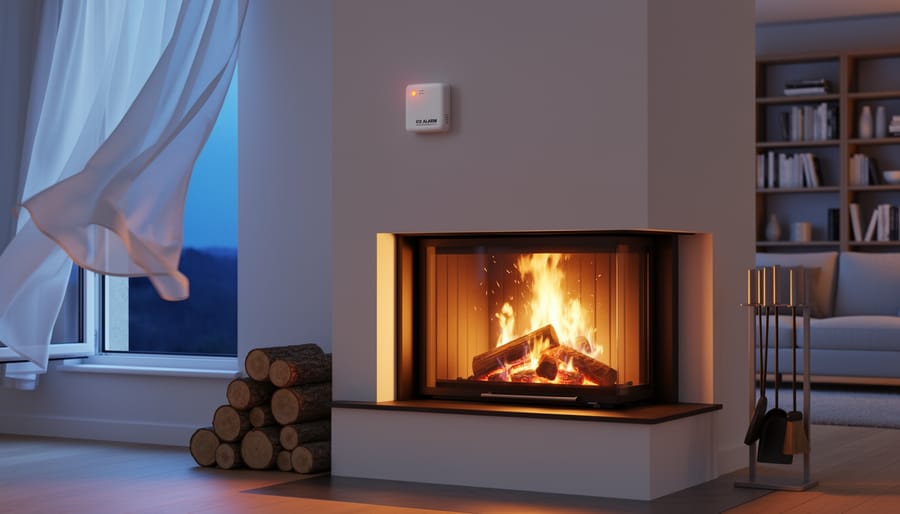
Install carbon monoxide detectors within 15 feet of your fireplace and on every level of your home, testing them monthly to catch dangerous emissions from incomplete wood combustion before they compromise your family’s health.
Schedule annual chimney inspections and cleanings to remove creosote buildup that restricts airflow and releases toxic particles into your living space, turning your cozy heat source into an air quality liability.
Choose seasoned hardwoods with moisture content below 20% for burning, as wet or green wood produces excessive smoke and particulates that seep back into your home through drafts and negative air pressure.
Consider installing makeup air systems or cracking a window nearest your fireplace when burning to prevent your home from becoming a vacuum that pulls combustion gases back down the chimney and into occupied rooms.
Your fireplace should enhance your home’s comfort and atmosphere, not undermine the air you breathe. The reality is that even well-maintained wood-burning systems affect indoor air quality, but understanding the connection between combustion, ventilation, and circulation empowers you to enjoy radiant warmth without sacrificing your family’s respiratory health. Smart burning practices combined with strategic airflow management transform your fireplace from a potential air quality concern into part of an eco-friendly heating solution that works in harmony with your home’s natural ventilation patterns.
Why Your Fireplace Needs More Than Just a Good Flue
The Hidden Battle: Positive vs. Negative Air Pressure
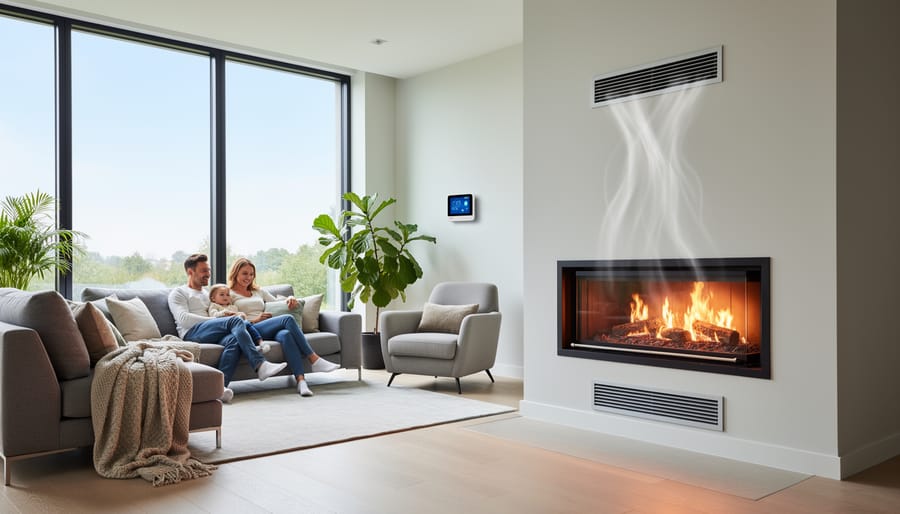
When you light a cozy fire in your fireplace, you’re creating more than just warmth and ambiance. You’re also triggering an invisible battle for air pressure inside your home that can significantly impact your indoor air quality.
Here’s what happens: your fireplace acts like a powerful exhaust fan, pulling approximately 300 to 600 cubic feet of air per minute up the chimney. This creates negative air pressure in your home, and nature abhors a vacuum. Your house will find replacement air somewhere, whether you planned for it or not.
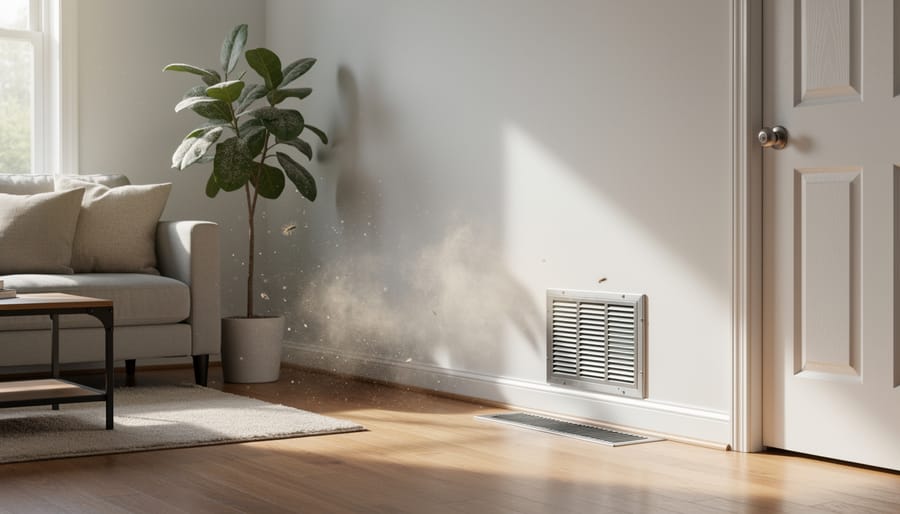
Unfortunately, this replacement air doesn’t always come from where you’d want it to. Instead of drawing fresh outdoor air through your front door, your home might pull air from your dusty attic, musty basement, or even worse, your garage where carbon monoxide from vehicles can linger. These unintended pathways bring along unwanted guests: dust mites, mold spores, insulation particles, and potentially dangerous gases.
Think of your home as having invisible highways of air movement. When your fireplace creates negative pressure, it forces air to travel through wall cavities, crawl spaces, and other hidden areas you’d never want to breathe from. This is why some homeowners notice mysterious dust accumulation or stale odors when using their fireplace regularly.
The solution isn’t to abandon your beloved fireplace. Instead, understanding this pressure dynamic helps you make informed decisions about ventilation and proper air movement in your home. By providing controlled pathways for makeup air, you can enjoy your fireplace while maintaining healthy indoor air quality. This awareness transforms your fireplace from a potential air quality liability into part of an eco-friendly, well-ventilated heating system.
What Modern Homes Get Wrong About Fireplace Ventilation
Modern homes are marvels of energy efficiency, but that same quality that keeps your heating bills low can actually create serious problems for your fireplace. Today’s tightly sealed homes are designed to prevent air leakage, which sounds great until you light a fire and realize your fireplace needs one thing above all else: air.
Here’s what happens in these well-insulated spaces. Your fireplace requires a substantial amount of air to function properly, both to fuel combustion and to carry smoke up the chimney. In older homes with natural air leakage through gaps and cracks, this wasn’t an issue. But modern construction standards have essentially created airtight envelopes around our living spaces.
When you light a fire in a tightly sealed home without adequate makeup air, your fireplace begins competing with other appliances for the limited air supply. This creates negative pressure inside your home, which can lead to backdrafting, where smoke and dangerous carbon monoxide get pulled back into your living space instead of venting outside. You might notice smoke spillage when opening the fireplace doors or a persistent smoky smell that lingers long after the fire dies down.
The problem intensifies when exhaust fans in kitchens and bathrooms run simultaneously with your fireplace, further depleting the available air. What was intended as an eco-friendly, energy-efficient home becomes a potential health hazard. The solution isn’t abandoning energy efficiency but rather understanding that your fireplace needs a dedicated air source to operate safely within these modern, sealed environments.
The Three Airflow Mistakes That Compromise Your Home’s Air Quality
Mistake #1: Ignoring Your Home’s Fresh Air Supply
Your fireplace is like a powerful vacuum cleaner when it’s burning—it needs a constant supply of fresh oxygen to keep those beautiful flames dancing. Here’s the problem: if your home is too tightly sealed (which many modern, energy-efficient homes are), your fireplace will pull air from wherever it can find it. That means it’s drawing oxygen from your living spaces, potentially backdrafting dangerous gases, and even pulling in dust and allergens from unexpected places.
This isn’t just uncomfortable—it’s a safety concern. Without adequate makeup air, you might notice your fire struggling to stay lit, smoke entering your room instead of going up the chimney, or even carbon monoxide issues. The solution is ensuring your fireplace has a dedicated fresh air supply, either through a direct outside air kit or by cracking open a window near the fireplace during use. Think of it as giving your fireplace room to breathe, creating a healthier, safer environment for everyone in your home while maintaining that cozy ambiance you love.
Mistake #2: Running Exhaust Fans While Your Fireplace Burns
Here’s something that catches many homeowners off guard: those helpful exhaust fans throughout your home can actually work against your fireplace. When you’re enjoying a cozy fire, running your bathroom fan, kitchen range hood, or even your clothes dryer creates a tug-of-war for air inside your home.
These exhaust systems pull air out of your living space, and your home needs to replace that air from somewhere. If your fireplace is burning, it might start drawing air down the chimney instead of letting smoke escape upward. This is called backdrafting, and it’s more than just inconvenient—it’s a genuine safety concern that can fill your home with smoke and harmful gases.
Think of your home as having a limited air supply. Every exhaust fan competes with your fireplace, potentially reversing the natural flow you need for safe, efficient burning. The solution? Simply avoid running exhaust fans while your fireplace is in use, or crack open a window near the fireplace to provide adequate makeup air.
Mistake #3: Neglecting Your Home’s Air Circulation Pathways
Think of your home like a living, breathing space—it needs clear air circulation pathways to function properly. Yet many homeowners unknowingly create obstacles that choke off healthy airflow. Closed interior doors throughout the day force your heating system to work overtime, while that decorative chair or storage bin you’ve placed over a floor vent completely blocks warm air from reaching living spaces. Furniture pushed flush against walls can trap air and create stagnant pockets where dust and allergens accumulate.
When you’re using a fireplace or wood stove, proper circulation becomes even more critical for distributing warmth efficiently and maintaining healthy air quality. Take a walk through your home and identify potential blockages—is your return air vent hidden behind a sofa? Are multiple bedroom doors kept shut? These simple oversights force your heating system to fight against itself, wasting energy and creating uneven temperatures that leave some rooms freezing while others overheat.
Smart Airflow Solutions That Let You Breathe Easy
Quick Wins: Simple Adjustments You Can Make Today
You don’t need to wait for a major renovation to breathe easier at home. Start by opening windows strategically during cooler parts of the day, especially in the morning or evening. Even just ten minutes of cross-ventilation can flush out stale air and bring in fresh oxygen. This simple habit works wonders before you light your fireplace in the evening.
Next, take a moment to check your fireplace damper. When you’re not using your fireplace, keeping the damper closed prevents warm air from escaping up the chimney like money flying out the window. But remember to open it fully before lighting a fire—this ensures smoke and combustion byproducts exit properly rather than drifting back into your living space.
Timing matters more than you might think. Avoid running your fireplace and forced-air heating system simultaneously, as they can work against each other and create pressure imbalances that affect air quality. Instead, use your fireplace as your primary heat source in the rooms you’re occupying, and turn down the thermostat in other areas.
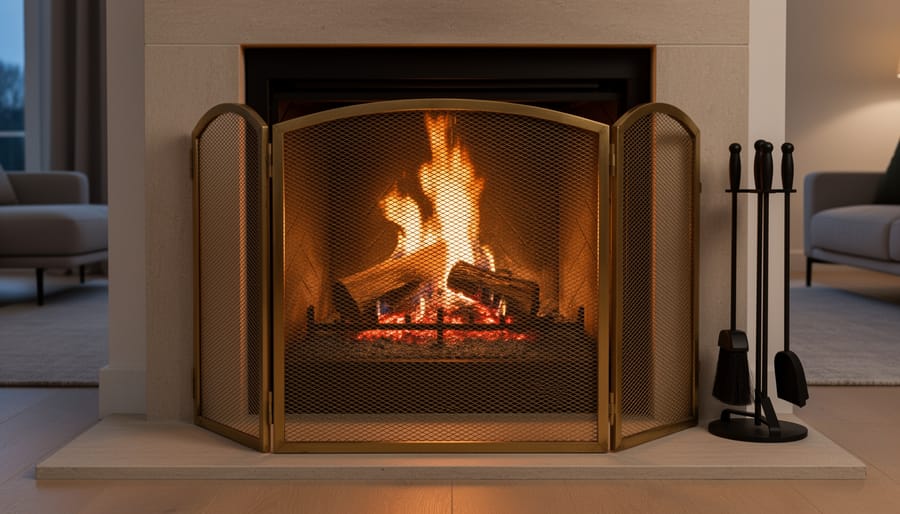
Finally, establish a quick pre-fire routine: open the damper, crack a nearby window about an inch to provide makeup air, and ensure your fireplace screen is in place. These small adjustments take less than two minutes but dramatically improve how cleanly your fire burns, reducing indoor pollutants while maintaining that cozy ambiance you love. Clean air and crackling flames can absolutely coexist in your home.
Installing Outside Air Kits: The Game-Changer for Sealed Homes
Here’s the reality: modern, energy-efficient homes are essentially sealed boxes. While that’s fantastic for your heating bills, it creates a challenging situation for traditional fireplaces and combustion appliances. They’re essentially competing with your home for oxygen, leading to backdrafting, poor performance, and compromised air quality.
Enter the game-changer: outside air kits, also known as direct vent systems. These clever solutions bypass the pressure problem entirely by drawing combustion air directly from outdoors through a dedicated pipe or vent. Think of it as giving your fireplace its own private air supply, so it never has to borrow from your living space.
The beauty of this approach is twofold. First, you maintain the integrity of your home’s air barrier, keeping conditioned air inside where it belongs. Second, your fireplace operates more efficiently and safely because it has a reliable, consistent source of oxygen that isn’t affected by exhaust fans, range hoods, or dryer vents competing for the same air.
Installing an outside air kit typically involves running a duct from your fireplace or wood stove to an exterior wall. The intake should be positioned carefully, away from areas where snow might block it or where vehicle exhaust could contaminate the incoming air. Many modern gas fireplaces come with direct vent systems built right in, making installation straightforward.
For existing fireplaces, retrofitting an outside air intake is often possible, though you’ll want to consult with a certified professional to ensure proper sizing and placement. The investment pays off through improved performance, better indoor air quality, and the peace of mind that comes from knowing your heating solution is working with your home’s systems, not against them.
This eco-friendly approach ensures you’re not wasting heated air while enjoying the warmth and ambiance you love.
Creating Whole-Home Air Balance with Smart Ventilation
When your fireplace creates cozy warmth on cold evenings, the last thing you want is to compromise your indoor air quality or waste the energy you’re using to heat your home. This is where smart ventilation systems become game-changers for maintaining fresh, healthy air without sending your heating dollars straight up the chimney.
Energy Recovery Ventilators (ERVs) and Heat Recovery Ventilators (HRVs) are eco-friendly solutions that work behind the scenes to achieve whole-home air balance. Think of them as your home’s lungs, continuously exchanging stale indoor air with fresh outdoor air while recovering most of the energy you’ve already spent on heating or cooling.
Here’s how they work their magic: As warm, stale air exits your home, it passes through a heat exchanger where it transfers its warmth to the incoming fresh air. ERVs take this a step further by also transferring moisture, making them ideal for homes in humid climates or during dry winter months when your fireplace might be pulling moisture from the air.
The beauty of these systems is their efficiency. You’re not simply opening windows and losing all that precious heat your fireplace has generated. Instead, you’re recovering up to 90 percent of the energy in the outgoing air, which means cleaner air without the guilt of energy waste.
For homeowners who cherish their fireplaces as both a heat source and lifestyle centerpiece, pairing your heating system with an ERV or HRV ensures you maintain superior air quality year-round. You get the ambiance and warmth you love while confidently knowing your home breathes as naturally and efficiently as possible.
Choosing the Right Fireplace Type for Better Air Quality
Why Direct Vent Gas Fireplaces Lead the Pack
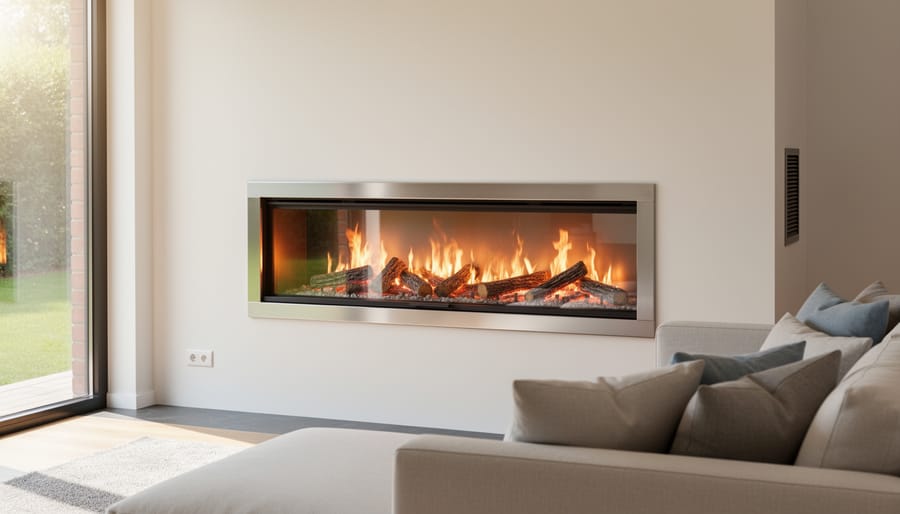
When it comes to maintaining pristine indoor air quality while enjoying the cozy glow of a fireplace, direct vent gas fireplaces are the clear winners. Their secret lies in a brilliantly simple design: a completely sealed combustion chamber that keeps your home’s air wonderfully clean.
Here’s how it works. Unlike traditional fireplaces that draw air from your living space and send combustion byproducts up a chimney (sometimes back into your room), direct vent models operate in total isolation from your indoor environment. They pull fresh air directly from outside through one pipe, burn it efficiently, and exhaust all combustion gases back outside through a separate pipe. Nothing mixes with the air you breathe.
This sealed system means zero carbon monoxide, no particulates, and no moisture entering your living space. You get all the ambiance and warmth without compromising the air quality you’ve worked hard to maintain. For families with allergies, respiratory sensitivities, or anyone committed to a healthier home environment, this is genuinely transformative. Plus, you’re making an eco-friendly choice that maximizes efficiency while minimizing environmental impact. It’s the perfect marriage of comfort, safety, and clean living.
Making Traditional Wood-Burning Fireplaces Work Safely
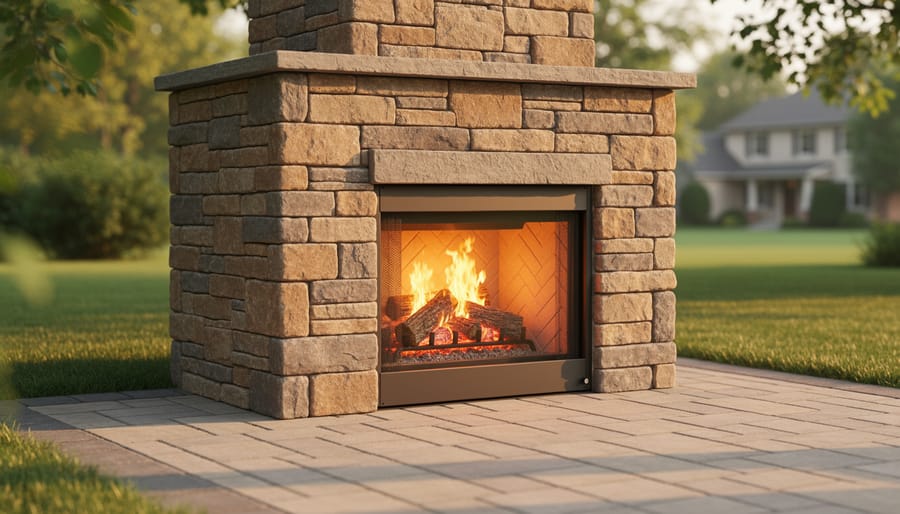
Wood-burning fireplaces bring undeniable charm to your home, but they require proper setup to maintain healthy indoor air. The key lies in ensuring adequate combustion air and preventing smoke from entering your living space.
Traditional fireplaces pull hundreds of cubic feet of air per minute from your home to feed the fire. Without proper airflow, they can create negative pressure, drawing backdrafts, cold air through gaps, and potentially pulling combustion gases into your home. This not only compromises air quality but also reduces fireplace efficiency.
Modern upgrades make it possible to enjoy wood fires while protecting your indoor air. Fireplace inserts with outside air connections are game-changers. These systems draw combustion air directly from outdoors rather than depleting your home’s conditioned air. This means your fireplace operates independently from your home’s air supply, preventing pressure imbalances and keeping indoor air fresh.
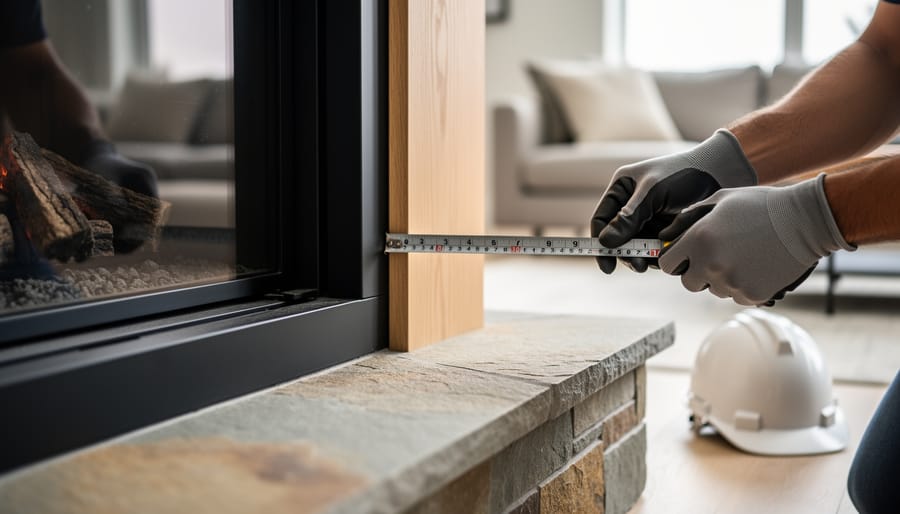
Additional improvements include glass doors to contain smoke, proper damper operation, and ensuring your chimney receives annual inspections. A well-maintained chimney with appropriate draft creates the upward pull necessary to keep smoke where it belongs.
For wood-burning enthusiasts, these upgrades aren’t just about compliance—they’re about creating a healthier, more comfortable environment where you can enjoy the authentic fireplace experience without sacrificing the air quality your family breathes every day.
The Bioethanol Advantage: Zero-Impact Ventilation
Looking for fireplace ambiance without worrying about chimney installation or ventilation systems? Ventless bioethanol fireplaces offer an elegant solution that’s particularly appealing for those concerned about indoor air quality. These innovative units burn clean bioethanol fuel, producing primarily water vapor and minimal carbon dioxide—comparable to burning a few candles.
The beauty of bioethanol fireplaces lies in their simplicity. Since they don’t require venting, you won’t need to install complex ductwork or worry about drafts affecting your home’s carefully balanced airflow. This makes them perfect for apartments, condos, or rooms where traditional fireplaces aren’t feasible.
However, responsible use is essential. Always ensure adequate room size—typically at least 320 square feet for most units. Crack a window periodically during extended use to maintain fresh air circulation, and never use them in completely sealed spaces. While bioethanol burns cleanly, any flame consumes oxygen, so proper room ventilation remains important for safety and comfort. Think of these fireplaces as lifestyle accents that complement, rather than replace, your primary heating system.
Testing and Monitoring Your Home’s Air Quality
Knowing whether your fireplace and ventilation system are maintaining healthy indoor air quality doesn’t require guesswork. There are several straightforward methods to assess how well your home’s air management is performing.
Start with a simple visual smoke test. On a calm day, light a stick of incense near your fireplace when it’s not in use. Watch how the smoke behaves – it should be drawn up the chimney, indicating proper draft. If smoke lingers or drifts back into the room, you may have ventilation issues that need addressing. This quick check can reveal problems before they impact your family’s comfort and health.
For a more comprehensive picture, consider investing in a home air quality monitor. These affordable devices track key metrics like particulate matter, carbon dioxide levels, and humidity – all crucial factors when you’re running a fireplace. Modern monitors connect to your smartphone, letting you see real-time data and identify patterns. You might discover, for instance, that air quality dips when you’re using your fireplace with closed windows, signaling the need for better fresh air intake.
Professional air quality assessments offer the most thorough evaluation. HVAC specialists can measure airflow patterns, identify hidden circulation problems, and test for carbon monoxide – an odorless danger that’s particularly relevant for fireplace owners. They’ll examine your entire ventilation system, from chimney draft to air exchange rates, providing specific recommendations tailored to your home’s unique layout and heating setup.
Regular monitoring isn’t just about problem detection – it’s about peace of mind. When you can confirm that your eco-friendly heating solution is working safely and efficiently, you can truly relax and enjoy the warmth and ambiance your fireplace provides.
The good news is that you don’t have to choose between the crackling warmth of your favorite fireplace and breathing clean, healthy air at home. With the right approach to airflow and ventilation, these two priorities work beautifully together rather than against each other.
Take a moment to assess your current setup. Are you noticing lingering smoke, stuffiness, or temperature imbalances in your home? These signs suggest it’s time to take action. Whether that means scheduling a professional chimney inspection, upgrading to a more efficient fireplace system, or simply adjusting your existing ventilation practices, small changes can make a dramatic difference in your indoor air quality.
Remember, proper airflow solutions aren’t just about fixing problems. They’re about creating a home that’s safer for your family, more comfortable year-round, and more sustainable for our planet. Modern eco-friendly heating solutions prove that responsible enjoyment of your fireplace is absolutely achievable.
Your home should be a sanctuary where warmth and wellness go hand in hand. By prioritizing both, you’re investing in the health of your loved ones and the longevity of your home itself. The path to quality home air starts with understanding the connection between your heating choices and the air you breathe.