

Position your fire pit at least 10-15 feet away from your home, overhanging branches, and any flammable structures like wooden decks or fences. This buffer zone prevents embers from igniting nearby materials and ensures smoke doesn’t damage your home’s exterior or enter through windows.
Check local regulations and homeowner association rules before installing or using a fire pit, as many municipalities require permits or prohibit open flames during dry seasons. Your fire department’s website typically lists current burn bans and restrictions that apply to your area.
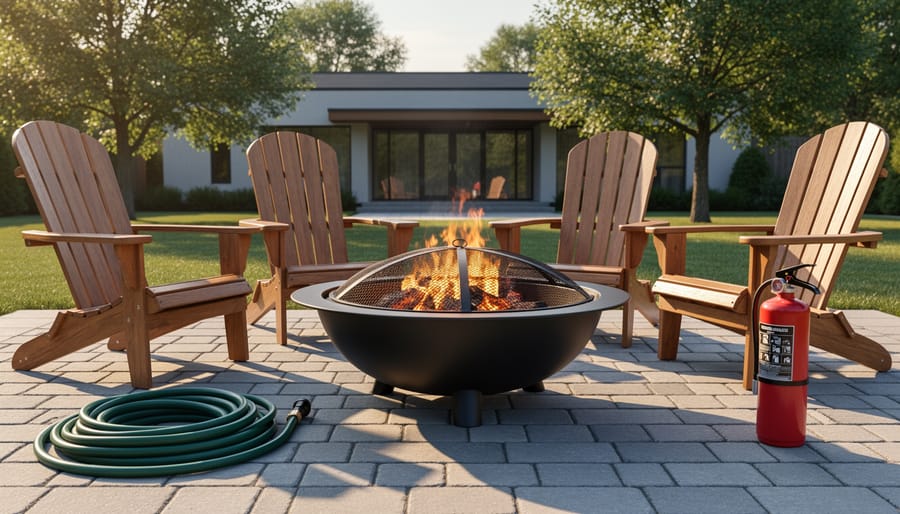
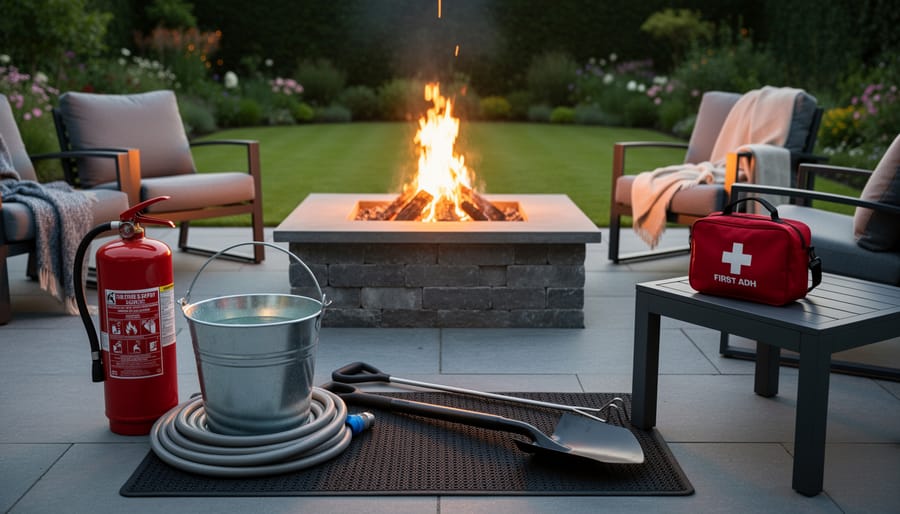
Keep a garden hose, fire extinguisher, or bucket of sand within arm’s reach every time you light your fire pit. Water alone may not extinguish certain fuel types effectively, making multiple suppression methods essential for quick response to unexpected flare-ups or wind-blown embers.
Install your fire pit on a non-combustible surface like concrete, pavers, or gravel rather than directly on grass or wooden surfaces. The intense heat radiating downward can scorch or ignite ground materials even when the pit itself appears safely contained.
Never leave a burning fire pit unattended, even for a few minutes. Wind conditions change rapidly, children and pets move unpredictably, and embers can smolder for hours after flames die down. Responsible supervision from lighting to complete extinguishing prevents the majority of fire pit accidents and ensures everyone enjoys the warmth and ambiance safely. The investment in proper safety measures transforms your outdoor space into a welcoming gathering spot where memories flourish without unnecessary risk.
Choosing a Fire Pit That Won’t Put Your Family at Risk
Material Matters: Steel, Cast Iron, and Stone Options
Choosing the right material for your fire pit isn’t just about aesthetics—it directly impacts safety, performance, and how you’ll enjoy those cozy evenings outdoors. Let’s explore the three most popular options and what they mean for your backyard setup.
Steel fire pits are lightweight champions that heat up quickly, making them perfect for spontaneous gatherings. They’re affordable and come in countless designs, but here’s the trade-off: they don’t retain heat long after the fire dies down, and they’re prone to rust without proper care. Always look for powder-coated or high-temperature paint finishes to extend their lifespan. Because steel conducts heat so efficiently, the exterior gets extremely hot—keep children and pets at a safe distance and never touch the rim without heat-resistant gloves.
Cast iron offers old-world charm with superior heat retention, keeping your space warm well into the evening. These heavyweight options are incredibly durable and develop a beautiful patina over time. The downside? They’re heavy to move and can crack if exposed to sudden temperature changes or moisture when hot. Season your cast iron pit regularly to prevent rust, just like you would with a beloved skillet.
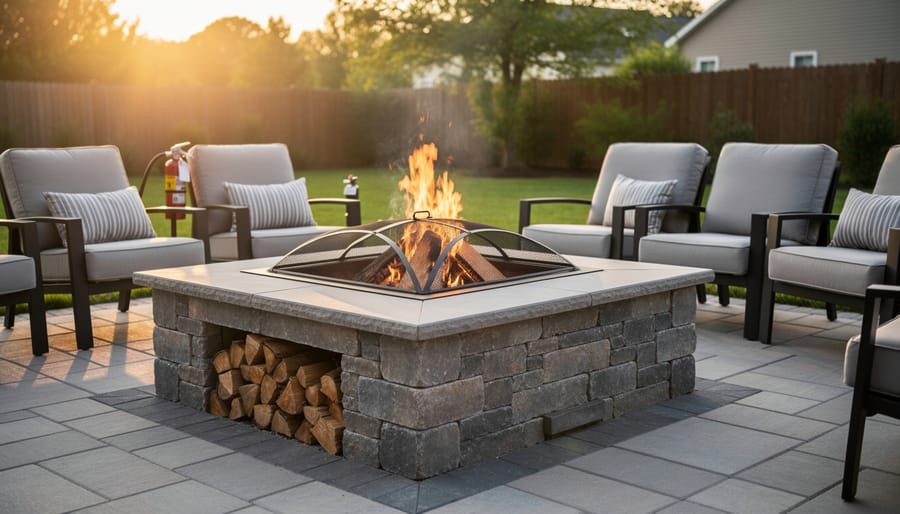
Stone and concrete fire pits provide the most permanent, eco-friendly solution with excellent heat resistance and minimal maintenance. They won’t rust or warp, and they’re inherently stable. However, you’ll want to ensure proper drainage and use heat-resistant mortar during installation, as trapped moisture can cause cracking. Natural stone also offers the benefit of blending seamlessly with landscaping, creating an inviting focal point for gatherings.
Size and Placement Considerations
Choosing the right fire pit size isn’t just about aesthetics—it’s a crucial safety decision that impacts everyone who gathers around your backyard flames. Think of your fire pit as the centerpiece of an outdoor room, where dimensions matter just as much as they do inside your home.
Start by evaluating your available space realistically. A general rule is that your fire pit should occupy no more than 10-15% of your total patio or gathering area. A 36 to 44-inch diameter pit works beautifully for most residential spaces, providing ample warmth without overwhelming the area. Smaller yards benefit from compact 24 to 30-inch models, while expansive outdoor living spaces can accommodate larger installations.
Now let’s talk about the non-negotiables—clearance distances that keep your gatherings safe and enjoyable. Position your fire pit at least 10 to 15 feet away from your home, garage, or any structure with combustible siding. This buffer zone protects against flying sparks and radiant heat damage. The same distance applies to overhanging tree branches, wooden fences, and shrubs. Remember, heat rises, so look up as well as around.
Your seating arrangement deserves careful planning too. Place chairs and benches 3 to 4 feet from the fire’s edge—close enough for warmth and conversation, far enough for safety. This spacing also provides comfortable room for guests to move around, whether they’re settling in with drinks or grabbing fire pit cooking tools for an impromptu outdoor feast.
Consider underground utilities before installation. Call 811 to mark gas lines, electrical conduits, and water pipes. It’s a free service that prevents dangerous mishaps and costly repairs. Your fire pit should also rest on a non-combustible surface like concrete, pavers, or gravel—never directly on grass or wooden decking without proper protective barriers underneath.
The Fuel You Choose Changes Everything
Wood-Burning: Classic but Demanding
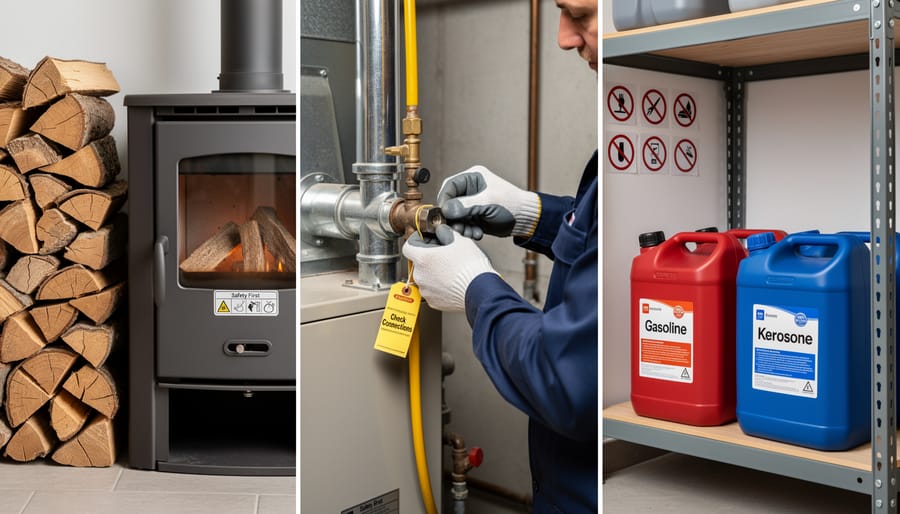
There’s something undeniably magical about a traditional wood-burning fire pit. The crackling sounds, the aromatic smoke, and the dancing flames create an authentic outdoor experience that many homeowners cherish. However, this classic approach requires more attention to safety than modern alternatives.
Proper wood selection forms the foundation of safe wood burning. Always choose hardwoods like oak, maple, or hickory that have been properly seasoned for at least six months. Well-seasoned wood has a moisture content below 20 percent, burns cleaner, produces less smoke, and generates fewer sparks. You can identify seasoned wood by its darker ends, visible cracks, and lighter weight compared to fresh-cut timber.
Never burn treated lumber, painted wood, or plywood in your fire pit. These materials release toxic chemicals when burned, creating serious health hazards for everyone nearby. Similarly, avoid softwoods like pine or cedar as primary fuel sources, as they contain high resin content that causes excessive popping and dangerous spark projection.
Managing sparks and embers requires constant vigilance. Keep a mesh screen or spark guard over your fire pit whenever it’s burning. Position seating at least three feet away from the flames, and never leave the fire unattended. Before retiring for the evening, ensure all embers are completely extinguished by spreading them out and dousing with water until no steam rises. This eco-friendly heating solution rewards careful preparation with unforgettable ambiance.
Gas Fire Pits: Convenience with Careful Connection
Gas fire pits bring effortless ambiance to your outdoor space, offering instant flames at the flip of a switch. But this convenience comes with important responsibilities, particularly when it comes to fuel connections and leak prevention.
Before your first use, have a qualified professional install your gas line connections. Whether you’re using propane tanks or natural gas hookups, proper installation ensures secure fittings and prevents dangerous leaks. This isn’t an area for DIY experimentation—professional installation provides peace of mind and protects your home investment.
Regular leak detection should become part of your routine. The simple soap-and-water test works wonders: mix dish soap with water, apply it to all connection points, and turn on the gas supply without igniting. Bubbles indicate escaping gas that needs immediate attention. Never use matches or lighters to check for leaks. If you smell gas (that distinctive rotten egg odor), shut off the supply immediately and call a professional before using the pit again.
Understanding propane safety extends beyond initial setup. Always keep propane tanks upright and store them outdoors in well-ventilated areas, never in enclosed spaces like garages or sheds. Check hoses regularly for cracks, brittleness, or damage from weather or pests. Replace any questionable components before they become hazards.
Master your shut-off procedures before you need them. Know where every valve is located—both at the tank and on the fire pit itself. In emergencies, you should be able to cut the gas supply within seconds without fumbling or searching. This simple knowledge transforms potential panic into confident control, letting you enjoy your gas fire pit’s warmth safely.
Alternative Fuels: Bioethanol and Gel Options
Bioethanol and gel fuels offer cleaner-burning alternatives to traditional wood, producing minimal smoke and ash while reducing your environmental footprint. These eco-friendly options are particularly appealing for enclosed patios or areas where ventilation might be limited, though adequate airflow remains essential even with these cleaner fuels.
When using bioethanol, never refill a burner while it’s hot or still burning. Wait at least 15 minutes after extinguishing the flame, as the fuel is highly flammable and vapors can ignite unexpectedly. Store bioethanol in its original container, away from heat sources and out of reach of children and pets. Gel fuels require similar caution—always use approved canisters designed for your specific fire pit model.
Both fuel types burn with a nearly invisible flame in bright daylight, so exercise extra care when checking if your fire pit is truly extinguished. Keep a fire extinguisher rated for flammable liquids nearby, and never attempt to move a burning gel canister. While these modern fuels enhance convenience and sustainability, respecting their unique properties ensures you’ll safely enjoy the cozy ambiance they provide.
Location, Location, Location: Where NOT to Put Your Fire Pit

The 10-Foot Rule and Beyond
The 10-foot rule is your golden standard for fire pit safety, but understanding why this distance matters helps you make smarter decisions for your specific space. This clearance creates a protective buffer zone that prevents sparks from reaching flammable materials like overhanging branches, patio umbrellas, wooden fences, or your home’s siding. Remember that embers can travel surprisingly far on a gentle breeze, making this distance essential rather than optional.
Vertical clearance deserves equal attention. Look up and ensure at least 10 feet of clear space above your fire pit, free from tree branches, awnings, or pergola beams. Heat rises with intensity, and those beautiful overhead structures can become fire hazards faster than you’d expect.
Wind plays a crucial role in determining whether conditions are safe for lighting your fire pit. On breezy days, even a modest flame can send sparks dancing across your yard. Consider postponing your fire pit gathering when winds exceed 10-15 mph, and always position your seating area upwind from the flames. This approach keeps smoke and stray embers away from guests while maintaining that cozy gathering atmosphere you’re creating. Check your local fire regulations too, as some municipalities impose stricter clearance requirements during dry seasons.
Ground Surface Preparation
Before lighting your first fire, let’s talk about what’s beneath your feet—because a safe fire pit experience starts from the ground up. Taking time to properly prepare your surface isn’t just about following rules; it’s about protecting your property and creating a worry-free space where you can truly relax and enjoy those flickering flames.
Start by selecting a level spot at least 10-15 feet away from any structures, trees, or overhanging branches. Now here’s something many homeowners overlook: what’s underground matters just as much as what’s above. Before breaking ground or placing your fire pit, contact your local utility company to mark underground lines. Gas, electric, and water lines can be dangerously close to the surface, and the last thing you want is to turn a cozy evening into an emergency situation.
Clear away any grass, dead leaves, or organic debris in a circle extending at least 3-5 feet beyond your fire pit’s edge. Natural materials can smolder underground, potentially igniting roots or creating hidden hotspots that continue burning long after you’ve called it a night.
For the base itself, create a foundation using fire-resistant materials like pea gravel, sand, or pavers. These materials won’t catch fire and provide excellent heat dissipation. Avoid placing fire pits directly on wooden decks or over tree roots, which can slowly char and weaken from repeated heat exposure. A concrete patio works wonderfully, though adding a heat-resistant pad underneath provides extra protection. This eco-friendly approach to setup ensures you’re working with your landscape rather than against it, creating a sustainable outdoor living space that’s both beautiful and secure.
Essential Safety Equipment Every Fire Pit Owner Needs
Being prepared isn’t about expecting the worst—it’s about enjoying your fire pit with complete peace of mind. Having the right safety equipment within arm’s reach transforms your outdoor space into a responsibly managed haven of warmth and connection. Here’s what every fire pit owner should keep readily accessible.
Start with a proper fire extinguisher rated for outdoor fires. Look for an ABC-rated extinguisher that handles wood, gas, and electrical fires. Position it no more than ten feet from your fire pit, and ensure everyone in your household knows its location and how to use it. Check the pressure gauge monthly and replace or recharge when needed.
Water is your most accessible fire suppressant. Keep a garden hose connected and ready, with enough length to reach your fire pit from multiple angles. For areas without hose access, maintain a large bucket filled with water or sand nearby. Many experienced fire pit enthusiasts keep both—water for immediate dousing and sand for smothering stubborn flames.
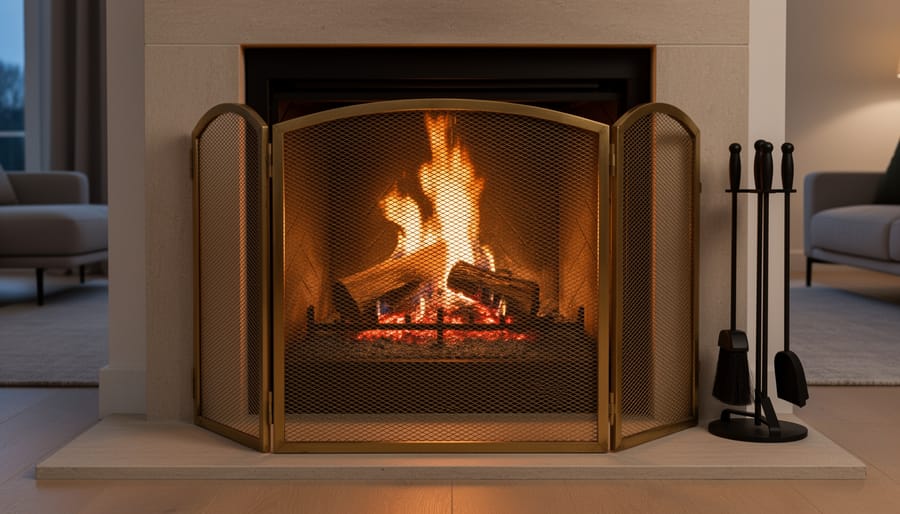
A sturdy fire screen or spark guard is essential, especially for wood-burning pits. These protective barriers prevent embers from escaping while still allowing you to enjoy the ambiance. Choose one that fits securely and won’t tip over easily.
Heat-resistant gloves are invaluable for adjusting logs, moving hot grates, or handling other fire pit accessories. Look for gloves rated to at least 500 degrees Fahrenheit with good grip and flexibility.
Long-handled fire tools—a poker, tongs, and shovel—keep you at a safe distance while tending your fire. These aren’t just convenient; they’re crucial for maintaining control without risking burns.
Finally, stock a well-equipped first-aid kit with burn gel, sterile gauze, adhesive bandages, and burn cream. Keep it in a weatherproof container near your outdoor entertaining area. Include emergency contact numbers and basic burn treatment instructions for quick reference.
Safe Operating Practices That Prevent Accidents
Starting Your Fire Safely
The moment you’re ready to light your fire pit is exciting, but rushing this step can compromise both safety and your enjoyment. Starting your first fire properly sets the foundation for a wonderful evening outdoors.
Begin with dry kindling and small pieces of seasoned wood arranged in a loose structure that allows air to circulate. This teepee or log cabin arrangement helps flames establish naturally without smothering. Never use gasoline, lighter fluid, or other accelerants in your fire pit. These substances can cause explosive flare-ups that are impossible to control and put everyone at risk. Instead, opt for fire starters specifically designed for outdoor fires, or use newspaper and natural firestarter cubes.
Start small and build gradually. A manageable fire is easier to control and produces less smoke, creating a more pleasant atmosphere for everyone. You can always add more wood as the evening progresses, but an oversized fire from the start wastes fuel and increases safety risks. Keep your initial fire contained to the center of the pit, allowing the structure to heat gradually and evenly. This patient approach ensures a steady, enjoyable flame that will last throughout your gathering.
Keeping Children and Pets Protected
Creating a safe environment around your fire pit requires thoughtful planning, especially when children and pets are part of your outdoor gatherings. Start by establishing a clearly defined safety zone at least three feet around the entire fire pit perimeter. Use physical barriers like outdoor furniture, planters, or temporary fencing to mark boundaries that little ones and curious pets can easily recognize.
Set firm, age-appropriate rules before lighting your first fire. Teach children that the fire pit area is never a play zone, even when the pit is cool. Explain that running, playing with sticks, or throwing objects near the fire is strictly prohibited. For pet owners, consider keeping animals on leashes or in a separate supervised area during fire pit use, as their unpredictable movements can create dangerous situations.
Constant adult supervision is non-negotiable. Designate a responsible person to monitor both the fire and the surrounding area throughout the entire burn time. This dedicated fire watcher ensures everyone maintains safe distances and can immediately intervene if someone gets too close. Keep a first aid kit nearby and ensure all adults present know where it’s located. Remember, even after extinguishing the flames, embers remain dangerously hot for hours, so maintain vigilance until the pit completely cools.
Extinguishing Completely: The Overnight Test
Never assume your fire pit is completely extinguished just because you don’t see flames. The overnight test is your reliable safety measure: once you’ve doused the fire thoroughly with water and stirred the ashes, the pit should be cool enough to touch by morning. Before extinguishing, let the wood burn down to ash rather than leaving large logs smoldering. Pour water generously over all embers, listening for that telltale hissing sound that confirms you’re reaching hot spots. Use a shovel or stick to turn over logs and coals, applying more water to hidden embers underneath. Repeat this process until the hissing stops completely. The pit should feel cool to the back of your hand held a few inches above the ashes. This methodical approach prevents underground embers from reigniting hours later, a common cause of property fires. Making fire extinguishing a non-negotiable ritual ensures your cozy outdoor gatherings never compromise your home’s safety.
Weather Warnings: When to Skip the Fire
Mother Nature doesn’t always cooperate with our outdoor plans, and knowing when to postpone your fire pit evening isn’t just smart—it’s essential for protecting your home, your neighborhood, and natural surroundings. While gathering around dancing flames creates wonderful memories, certain weather conditions turn what should be a cozy experience into a genuine hazard.
Wind is the most immediate concern for any outdoor fire. Once sustained winds exceed 10 miles per hour, sparks and embers can travel surprising distances, potentially igniting dry grass, leaves, or even roofing materials far from your fire pit. If you’re feeling consistent gusts that rustle tree branches or make it difficult to keep paper in place, it’s time to skip the fire. Even seemingly gentle breezes can suddenly shift direction, sending smoke and sparks where you don’t want them.
Drought conditions deserve equal attention. When your area hasn’t seen rain in weeks, vegetation becomes tinder waiting for ignition. Check your local fire department’s website or news outlets for current drought status and any active burn bans. These restrictions exist because the risk of fire spread becomes exponentially higher during dry spells. Violating a burn ban can result in serious fines and liability if your fire causes damage.
Temperature extremes matter too. Exceptionally hot, dry days create conditions where fires ignite more easily and spread faster. Similarly, if recent rain has made your fire pit area or surrounding vegetation soggy, you might struggle with excessive smoke and poor burning conditions.
The good news? Checking conditions takes just minutes and ensures every fire pit gathering remains a safe, enjoyable experience rather than an emergency.
Fire pit safety isn’t about putting a damper on your outdoor enjoyment—it’s about ensuring you have countless safe, memorable evenings ahead. Think of these guidelines as your investment in years of worry-free ambiance, where your only concern is whether you have enough marshmallows and whose turn it is to tell the next story.
Before you light your next fire, take a few minutes to review your current setup against the safety tips we’ve covered. Walk around your fire pit with fresh eyes. Is it still the proper distance from structures and overhanging branches? Has your landscaping grown closer than it should? Are your fire extinguisher and water source easily accessible? Sometimes we set things up perfectly at first, but our outdoor spaces evolve over time.
Making necessary improvements now—whether that’s relocating your fire pit, clearing vegetation, or simply establishing better habits—takes just a small amount of effort. But that preparation creates a foundation for relaxation rather than worry. You’ll actually enjoy those flickering flames more when you know you’ve taken the right precautions.
Your fire pit should be a source of comfort and connection, bringing warmth to both chilly evenings and cherished relationships. With proper safety measures in place, it becomes exactly that—a lifestyle element that enhances your home’s outdoor living experience season after season. So take that quick safety audit, make any needed adjustments, and then settle in for many beautiful evenings ahead. You’ve earned them.