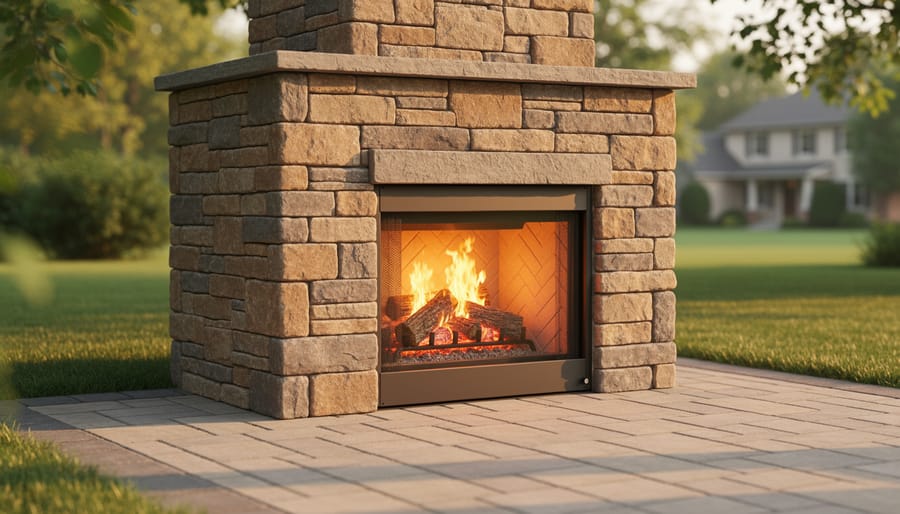


Picture this: flames crackling under a starlit sky, the aroma of grilled vegetables mingling with wood smoke, and your loved ones gathered around warmth that transforms an ordinary evening into something magical. Outdoor cooking systems have evolved far beyond basic campfire setups, now offering homeowners sophisticated ways to blend culinary adventure with the primal comfort of fire.
The decision between a traditional fire pit and a comprehensive table cooking system shapes more than just your backyard layout—it defines how you’ll experience outdoor living for years to come. Fire pits excel at creating that magnetic gathering spot where conversations flow freely and marshmallows roast to golden perfection. They’re the heart of cozy evenings, radiating warmth in all directions while keeping things simple and accessible.
Table cooking systems take a different approach entirely. These integrated setups transform outdoor spaces into functional cooking zones, combining fire’s ambiance with practical grilling surfaces, prep areas, and sometimes even storage solutions. They’re designed for hosts who view outdoor cooking as an experience, not just a meal preparation method.
Understanding which system aligns with your lifestyle requires looking beyond features and price tags. Consider how you actually use your outdoor space—are you hosting elaborate dinner parties or seeking intimate evenings around dancing flames? Do you prioritize cooking versatility or atmospheric warmth? The right choice connects your daily routines with sustainable, eco-friendly heating solutions that enhance rather than complicate your outdoor living vision.
Understanding the Two Outdoor Cooking Approaches
What Makes a Fire Pit a Cooking System
Fire pits have warmed gatherings for thousands of years, but their evolution into dedicated cooking systems represents a beautiful marriage of ancient tradition and modern innovation. What transforms a simple fire pit into a true outdoor cooking system comes down to intentional design features that prioritize both culinary function and the timeless appeal of an open flame.
Traditional fire pits began as basic stone circles or dug-out earth bowls, serving primarily as heat sources and social gathering points. Today’s cooking-focused fire pits build on this foundation by incorporating adjustable grates, stable cooking surfaces, and strategic airflow designs that give you better heat control. The key difference lies in their versatility: these systems maintain the mesmerizing ambiance of dancing flames while offering practical features like swing-arm grills, removable cooking grates, and ash management systems that make meal preparation genuinely enjoyable rather than just possible.
This dual-purpose approach appeals to homeowners seeking sustainable, eco-friendly outdoor living solutions. You’re not just buying another appliance; you’re investing in a lifestyle element that reduces reliance on gas-powered equipment while creating memorable experiences. Whether you’re slow-roasting vegetables over hardwood coals or simply enjoying the warmth on a cool evening, a well-designed fire pit cooking system adapts to your needs without sacrificing the primal appeal that draws us to fire in the first place.
How Table Cooking Systems Work
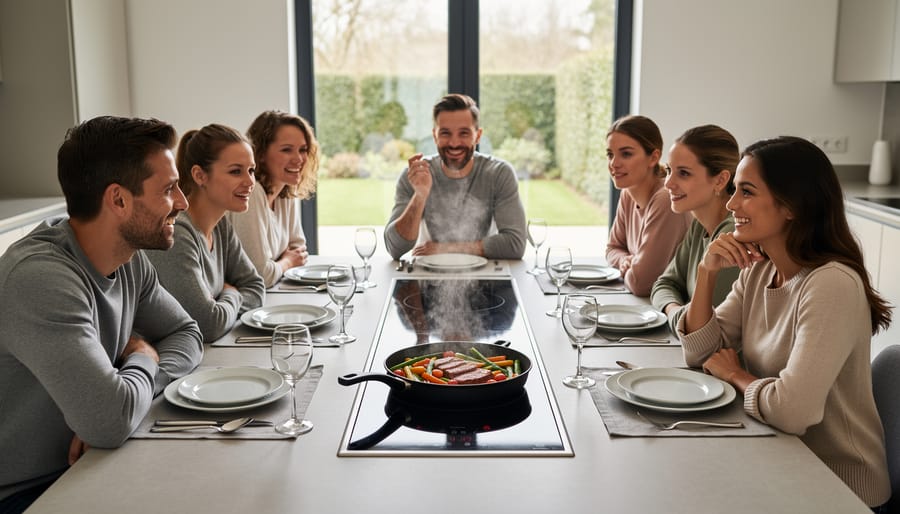
Table cooking systems represent an innovative approach to outdoor living that reimagines how we gather around fire. Instead of standing around a traditional fire pit, these integrated units feature a flat cooking surface surrounded by dining space, creating a true cook-and-dine experience at one central hub.
The design philosophy centers on bringing people together in a more interactive, communal way. Picture a large table with a built-in cooking surface at its center, whether that’s a gas-powered griddle, charcoal grill, or even a wood-fired cooking area. Everyone sits comfortably around the perimeter while the chef prepares meals right in the middle, making cooking part of the social experience rather than isolating the cook away from guests.
These systems typically feature heat-resistant materials surrounding the cooking area, with thoughtful details like built-in condiment holders, utensil racks, and even small prep zones. The outer edges remain cool enough for dining, allowing you to serve and eat in the same space where food is prepared.
From an eco-friendly perspective, many models incorporate efficient fuel consumption and even accommodate sustainable fuel sources. The compact, all-in-one design also means you’re not purchasing separate furniture and cooking equipment, reducing overall resource consumption. This streamlined approach appeals to homeowners who value both sustainability and space-efficient outdoor living solutions.
Heat Source and Fuel Considerations
Wood-Burning vs. Gas vs. Propane Options
Choosing the right fuel source for your outdoor cooking system shapes not only your culinary experience but also your environmental footprint and daily convenience. Each option brings distinct characteristics worth considering.
Wood-burning systems deliver that unmistakable smoky flavor that transforms simple meals into memorable outdoor feasts. The crackling fire creates an authentic cooking atmosphere while naturally infusing food with rich, aromatic notes. However, you’ll need to source, store, and season quality firewood, and managing live flames requires more attention and skill. From an environmental perspective, burning sustainably harvested wood can be carbon-neutral when properly managed.
Gas options, particularly natural gas hookups, offer ultimate convenience for frequent outdoor cooks. Simply turn a dial for instant, adjustable heat without cleanup hassles or waiting for coals to reach temperature. Many homeowners pair these systems with compact gas grills for versatile cooking capabilities. Natural gas produces cleaner emissions than wood, though it remains a fossil fuel. The tradeoff is minimal smoke flavor in your food.
Propane provides portability alongside gas convenience, perfect for spaces without natural gas lines. You’ll achieve similar clean-burning benefits with the flexibility to relocate your cooking station. Tank replacement adds a maintenance step, but modern propane burns efficiently with lower emissions than wood.
Consider your priorities: flavor purists often choose wood despite extra effort, while convenience-seekers gravitate toward gas solutions. Many outdoor cooking enthusiasts actually maintain multiple fuel options, letting the occasion dictate their choice while embracing eco-conscious practices across all systems.
Temperature Control and Cooking Versatility
When it comes to managing heat and creating memorable meals outdoors, fire pits and cooking tables offer distinctly different experiences that cater to various culinary ambitions.
Fire pits embrace a more rustic, direct-heat approach that connects you with primal cooking methods. The open flame creates natural cooking zones, with intense heat directly above the fire and cooler edges perfect for keeping food warm or slow-cooking. This setup excels at grilling over grates, roasting on skewers, and wrapping foods in foil for ember cooking. However, achieving consistent temperatures requires practice and attention, as wind, fuel type, and fire management all play crucial roles. You’ll develop an intuitive sense of heat levels rather than relying on precise controls.
Cooking tables, conversely, bring restaurant-style precision to your backyard. Most feature adjustable burners or dedicated cooking zones that let you sear steaks at high heat while simultaneously simmering sauces on a gentler flame. Many homeowners appreciate this versatility for hosting larger gatherings where multiple dishes need preparation simultaneously. Advanced models incorporate temperature monitoring systems and precise flame control, making them ideal for techniques requiring specific heat levels like wok cooking, griddle work, or maintaining perfect temperatures for delicate seafood.
Your choice ultimately depends on whether you value the atmospheric, hands-on experience of fire pit cooking or prefer the predictable control and multi-tasking capabilities of a dedicated cooking table for your outdoor entertaining lifestyle.
Social Experience and Backyard Ambiance
The Gathering Circle: Fire Pits as Social Centers
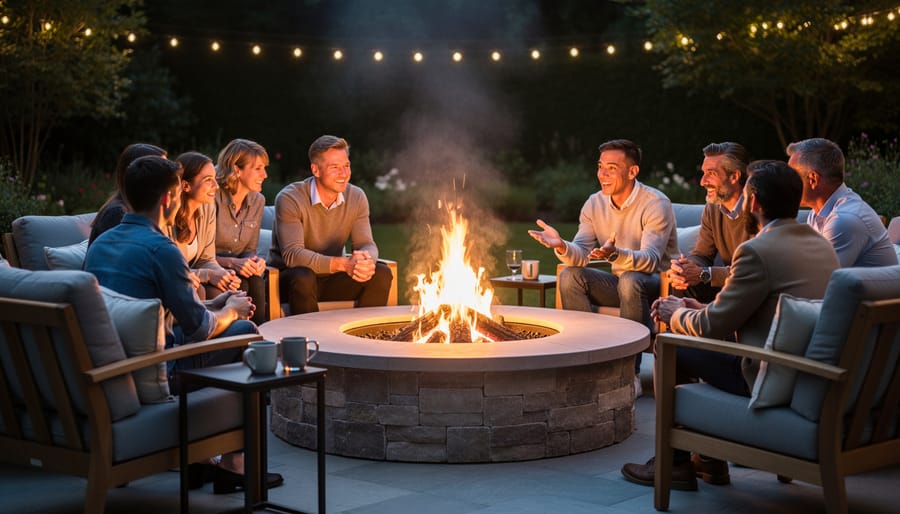
There’s something primal and magnetic about gathering around an open flame. Fire pits create natural social centers in your outdoor space, drawing people together in ways that tables and chairs simply can’t replicate. The dancing flames become a focal point that encourages face-to-face conversation, storytelling, and genuine connection in our increasingly digital world.
Beyond their cooking capabilities, fire pits engage all your senses in a way that transforms ordinary evenings into memorable experiences. The warmth radiates outward, creating cozy microclimates even on cooler nights, extending your outdoor season well beyond summer. The crackling soundtrack of burning wood provides a soothing background that seems to slow time and ease stress. There’s also that unmistakable smoky aroma that signals comfort and relaxation, while the flickering light casts a flattering, ambient glow that no string of patio lights can match.
This sensory richness naturally encourages lingering, turning quick meals into hours-long gatherings. Friends gravitate toward fire pits instinctively, often preferring to stand and mingle around the flames rather than sitting at a formal table. The circular arrangement promotes inclusive conversation where everyone can see and hear each other, creating an intimate atmosphere that strengthens relationships and builds community right in your backyard.
Dining Integration with Table Systems
Table cooking systems transform outdoor gatherings into interactive experiences where the chef becomes part of the conversation rather than being isolated at a separate grill station. These integrated setups position the cooking surface at the center of your seating area, allowing you to flip burgers, sear vegetables, or prepare stir-fry while seamlessly chatting with family and friends gathered around.
This configuration works beautifully for homeowners who appreciate the ritual of a structured dining experience. Everyone has a designated seat, drinks rest safely on stable surfaces, and the cook orchestrates the meal from a comfortable standing position without constantly walking back and forth. The setup naturally encourages engagement, as guests watch their food being prepared and can request customizations in real-time.
Table systems particularly shine for smaller gatherings where intimacy matters more than crowd size. They create a cozy focal point that brings people together around both warmth and food preparation. The structured nature also appeals to those who prefer organized entertaining over casual mingling, offering the perfect middle ground between formal indoor dining and laid-back backyard cookouts. For families with young children, the defined seating arrangement provides better supervision while maintaining that inviting outdoor atmosphere everyone craves.
Cooking Capabilities and Food Quality
What Fire Pits Excel At (And Where They Fall Short)
Fire pits bring a primal, gather-round warmth to outdoor cooking that’s hard to match. They shine brightest with classic open-flame techniques like grilling steaks, roasting vegetables on grates, or even experimenting with rotisserie-style cooking using specialty attachments. The flickering flames create that authentic campfire experience while delivering wonderful smoky flavors to your food. Many fire pit enthusiasts also discover impressive smoking capabilities when using wood chips or chunks, though this requires patience and practice.
Where fire pits struggle is precision. Temperature control relies heavily on your fire-management skills rather than knobs and dials. You’ll need to master the art of coal placement, airflow adjustment, and timing, which means there’s definitely a learning curve. Delicate foods requiring specific heat zones can be challenging, and weather conditions like wind or rain will significantly impact your cooking performance.
Fire pits also demand more active attention than modern cooking systems. You can’t simply set a timer and walk away. However, for those who view outdoor cooking as a hands-on ritual rather than a rush to dinner, this involvement becomes part of the appeal. It’s about the experience as much as the meal itself.
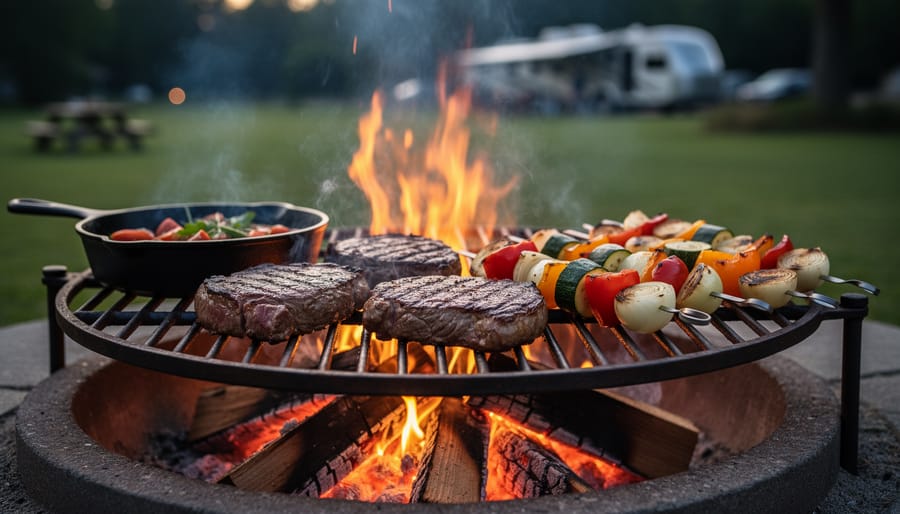
Table System Strengths and Weaknesses
Table cooking systems truly excel when you want that interactive, social dining experience right in your outdoor living space. They’re absolutely perfect for grilling steaks, vegetables, and seafood where everyone can watch the magic happen. Hot pot gatherings become effortless entertainment, with bubbling broths at the center of conversation. Teppanyaki-style cooking transforms dinner into dinner theater, letting you channel your inner chef while guests enjoy the show from comfortable seats around the table.
These systems shine brightest for controlled, precision cooking. You’ll appreciate the even heat distribution for delicate items like fish or thin-cut meats that might fall through traditional fire pit grates. The stable cooking surface makes it simple to manage multiple dishes simultaneously, and cleanup tends to be more straightforward than dealing with ash and charcoal.
However, table systems do have limitations. They typically can’t achieve the high, intense heat that gives you those gorgeous char marks from open flame cooking. You’ll miss out on that authentic campfire experience and the primal satisfaction of cooking over real wood. The ambiance factor is notably reduced since the flames are contained and functional rather than dancing freely. They’re also less versatile for larger gatherings where you might want to roast marshmallows or gather around a crackling fire for warmth on cooler evenings.
Space Requirements and Installation
Footprint and Clearance Needs
Understanding your spatial requirements helps ensure both safety and enjoyment of your outdoor cooking experience. Fire pit tables typically need a 3-foot clearance radius on all sides, making them ideal for medium to large patios. Count on dedicating roughly 100-150 square feet of space when you factor in seating and safe movement around the unit. Their vertical design means they won’t dominate smaller yards the way sprawling setups might.
Traditional outdoor cooking systems demand more real estate. A standard grill station with prep areas requires 50-75 square feet minimum, while built-in outdoor kitchens can consume 200+ square feet. If you’re exploring space-efficient outdoor cooking options, remember that compact doesn’t mean compromised functionality.
Safety clearances matter tremendously. Keep any cooking system at least 10 feet from your home’s structure, overhanging branches, or combustible materials. Fire pit tables need extra breathing room from furniture and railings due to open flames. Always check local fire codes before installation, as requirements vary by region. Smaller backyards benefit from portable options that you can relocate seasonally, while spacious properties accommodate permanent installations with dedicated zones for cooking, dining, and relaxing around the warmth.
Setup Complexity and Permanence
When it comes to setting up your outdoor cooking system, fire pit tables and traditional cooking systems offer distinctly different experiences. Fire pit tables typically arrive as complete units requiring minimal assembly—think of it like arranging outdoor furniture. Most homeowners can have one ready for their first cookout within an hour, simply positioning it on a level surface and connecting a propane tank or natural gas line. No permits or permanent installations needed, making them ideal for renters or anyone who enjoys flexibility in their outdoor space design.
Traditional outdoor cooking systems, however, often demand more commitment. Built-in grills, pizza ovens, or elaborate outdoor kitchens usually require professional installation, proper ventilation planning, and sometimes permits depending on your local regulations. While portable grilling options exist within traditional systems, permanent setups mean you’re investing in your current property long-term.
For those who move frequently or rent, fire pit tables shine with their portability. They’re essentially grab-and-go systems that travel with you to your next home. This flexibility doesn’t sacrifice functionality—you still get that wonderful gathering space and cooking capability without the permanence. Consider your lifestyle: are you putting down roots or keeping your options open?
Safety Considerations You Can’t Ignore
When you’re bringing fire and cooking into your outdoor living space, safety isn’t just important—it’s absolutely essential. Whether you choose a fire pit or a table cooking system, understanding and respecting the risks will keep your gatherings memorable for all the right reasons.
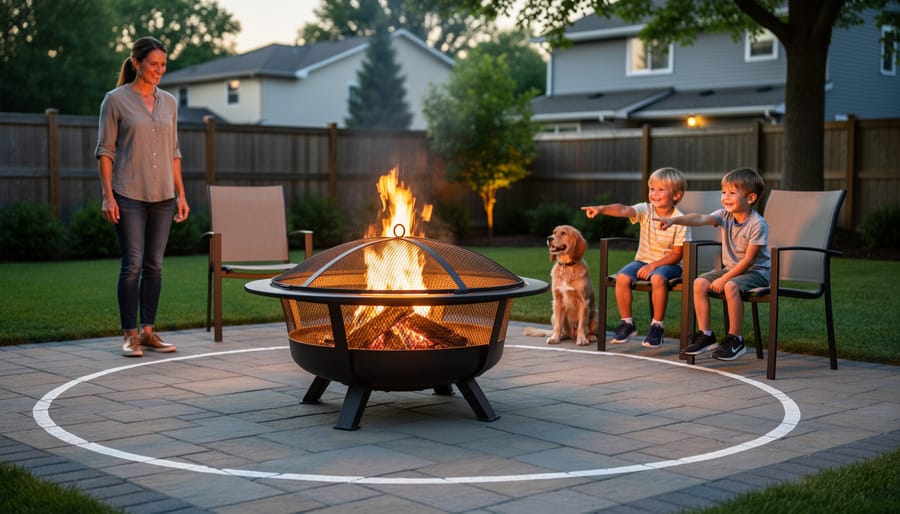
Both systems demand your full attention when in use. Never leave an active fire or cooking surface unattended, even for a moment. It’s easy to get caught up in conversation or run inside for forgotten ingredients, but that brief absence is when accidents happen. Embers can spark onto dry leaves, curious pets can investigate too closely, or children can approach without supervision.
Fire pits present unique challenges with their open flame design. Sparks and embers naturally fly upward and outward, especially on breezy evenings. Position your fire pit at least 10 feet away from structures, overhanging branches, and any flammable materials. Consider investing in a spark screen or cover to contain those unpredictable embers while still enjoying the ambiance. Keep a fire extinguisher, garden hose, or bucket of sand nearby as your first line of defense.
Table cooking systems concentrate heat in a more contained area, but that doesn’t mean they’re risk-free. The entire cooking surface becomes extremely hot, and unlike a traditional indoor stove, there’s no surrounding cabinetry to deter wandering hands. Establish a clear safety zone around the cooking area—at least three feet in all directions—where children and pets aren’t allowed when the system is active.
Propane systems require regular inspection of connections, hoses, and tanks for leaks or damage. Always store fuel properly and check for gas smells before ignition. With wood-burning options, only use properly seasoned firewood and never accelerants like gasoline.
Creating a safety-first mindset transforms your outdoor cooking experience from potentially dangerous to confidently enjoyable.
Maintenance and Long-Term Care
Let’s be honest about what you’re signing up for when you invest in an outdoor cooking system. While both fire pits and table systems bring wonderful ambiance and functionality to your outdoor space, they do require care and attention to keep them performing beautifully year after year.
Fire pit cooking systems generally demand more frequent cleaning, especially if you’re using wood as fuel. Ash removal becomes part of your routine, and grease from cooking needs regular attention to prevent buildup that attracts pests and creates fire hazards. The good news? Most modern fire pits feature removable grates and ash pans that make cleanup relatively straightforward. Plan on a deep clean every few weeks during heavy use, with quick maintenance after each cooking session.
Table cooking systems typically offer easier day-to-day maintenance since many use cleaner-burning propane or natural gas. You’ll still need to wipe down cooking surfaces and check burner ports for blockages, but there’s no ash to deal with. However, the table surfaces themselves require their own care, whether that’s sealing stone tops or maintaining wood finishes.
Weatherproofing becomes essential for both options. Quality covers are non-negotiable investments that protect against rain, snow, and UV damage. Before winter arrives, drain any gas lines, remove cooking components for indoor storage, and ensure proper drainage to prevent water damage and freeze-cracking in colder climates.
Durability varies significantly based on materials. Stainless steel components resist rust but require occasional polishing. Cast iron cooking surfaces need seasoning to prevent corrosion. Stone and concrete elements prove incredibly durable but may develop hairline cracks over time, which usually remain cosmetic rather than structural concerns.
Budget for annual inspections of gas connections, replacement of worn gaskets, and occasional refinishing of cooking surfaces. With proper care, expect quality outdoor cooking systems to serve your family faithfully for 10 to 15 years or more.
Cost Analysis: Initial Investment and Ongoing Expenses
Understanding the financial commitment of your outdoor cooking system helps you make a confident decision that fits your budget and lifestyle goals. Let’s break down what you can expect to invest initially and over the long term.
For fire pit cooking systems, entry-level options start around $150 to $300 for basic portable models with simple grill grates. Mid-range setups with better materials and adjustable cooking features typically run $500 to $1,200, while premium built-in fire pits with custom masonry and sophisticated cooking accessories can reach $3,000 to $8,000 or more. Don’t forget essential accessories like heat-resistant cooking tools, grill grates, and protective covers, which add another $100 to $400.
Table cooking systems present a different investment structure. Basic propane or electric tabletop units begin at $200 to $400, perfect for small gatherings. Mid-tier models with enhanced temperature control and durability range from $600 to $1,500, while high-end built-in outdoor kitchen tables with multiple burners and premium materials can exceed $2,500 to $6,000. Accessories like specialized cookware, protective surfaces, and fuel connections add roughly $150 to $500.
Fuel costs significantly impact your five-year ownership expenses. Wood for fire pits averages $300 to $600 annually depending on usage frequency, totaling $1,500 to $3,000 over five years. Propane table systems cost approximately $150 to $400 yearly for regular use, reaching $750 to $2,000 over the same period. Electric options prove most economical at roughly $50 to $150 annually in electricity costs.
Maintenance expenses remain modest for both systems. Annual cleaning supplies, occasional grate replacements, and protective treatments typically cost $50 to $150 per year. Fire pits may require masonry repairs averaging $200 to $500 every few years if built-in.
When calculating total five-year ownership, a mid-range fire pit system averages $3,500 to $5,500, while comparable table systems run $2,500 to $4,500. Your actual costs depend on usage frequency, fuel choices, and whether you embrace the rustic charm of wood-burning or prefer convenient gas or electric options.
Making the Right Choice for Your Home
Choosing between a fire pit and table cooking system comes down to understanding how you’ll actually use your outdoor space. Think about your typical gatherings first. If you regularly host large groups of friends and family, a fire pit offers that magnetic gathering spot where everyone naturally congregates, sharing stories while food sizzles on grates. For intimate dinners and focused meal preparation, a table system provides the workspace and organization you need.
Consider your cooking ambitions honestly. Weekend warriors who love experimenting with different grilling techniques and recipes will appreciate the versatility and control that table systems offer. Meanwhile, if you’re drawn to the primal simplicity of cooking over flames and prefer a more rustic, communal experience, fire pits deliver that authentic outdoor connection.
Budget matters, but think beyond the initial price tag. Fire pits typically require less upfront investment but may need additional accessories over time. Table systems cost more initially but often come complete with everything you need. Factor in your available space too. Compact patios and balconies suit table systems better, while spacious yards can accommodate the social radius fire pits naturally create.
Your lifestyle priorities should guide your final decision. Environmental consciousness? Both options can burn clean hardwoods or use eco-friendly fuel sources, creating warmth without compromising your values. Safety considerations might tip the scales if you have young children or pets, as table systems generally contain flames more predictably.
The right choice isn’t about which system is objectively better, it’s about which one fits seamlessly into your life. Picture yourself using it next weekend, next month, and next year. That vision will lead you home to the perfect outdoor cooking solution.
Here’s the truth: there’s no universally perfect outdoor cooking system. Just like choosing the right fireplace for your home’s interior, the best option for your backyard depends entirely on your unique situation, lifestyle, and what brings you the most joy.
If you’re drawn to the primal appeal of crackling flames and the theater of live-fire cooking, a fire pit might be calling your name. On the other hand, if you value precise temperature control and the convenience of year-round outdoor dining, a table cooking system could be your ideal match.
Take a moment to reflect on what matters most to you. Are you seeking that cozy ambiance that draws everyone together on cool evenings? Chasing restaurant-quality searing and versatile cooking techniques? Creating a social hub where guests naturally gather? Or maximizing convenience for everyday use?
The wonderful news is that both options have the power to transform your outdoor space into something truly special. Whether you’re roasting marshmallows over dancing flames or grilling the perfect steak on a sleek cooking table, you’re creating an environment that invites connection, nourishment, and memorable moments with the people you love. Choose what resonates with your vision for outdoor living, and you’ll make the right decision for your home.