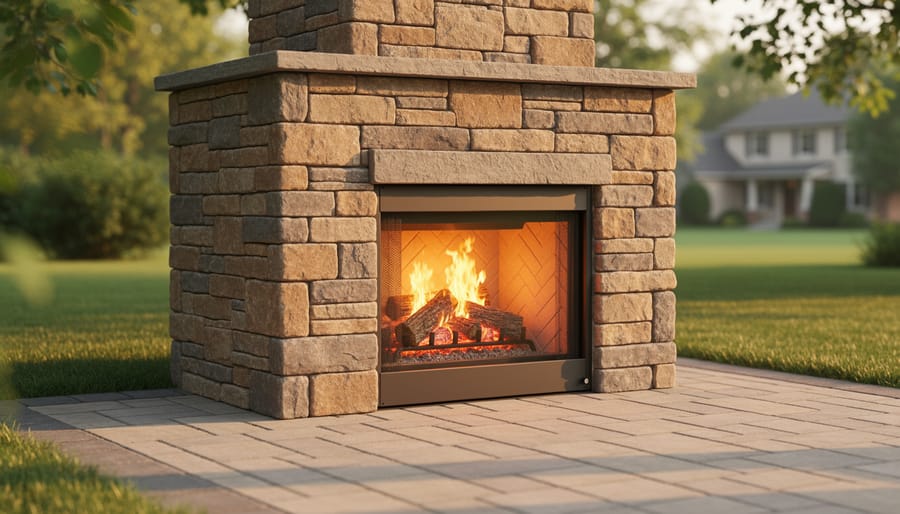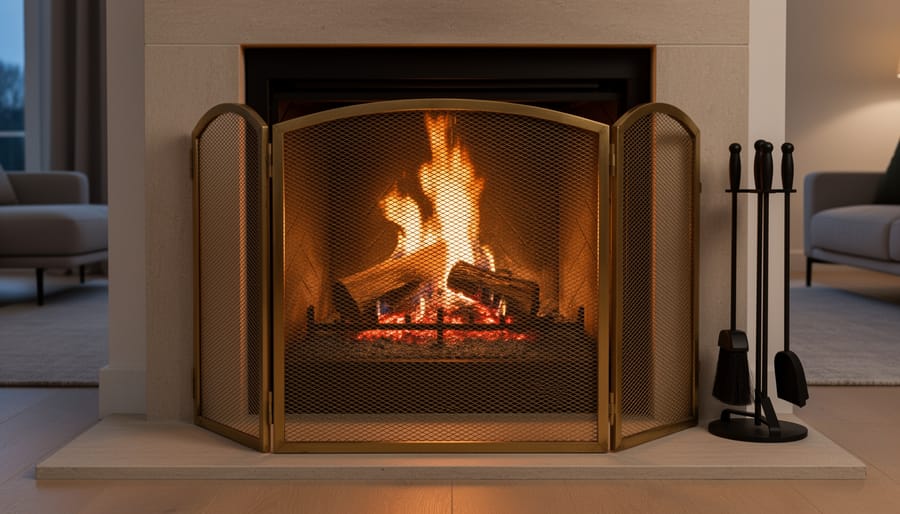
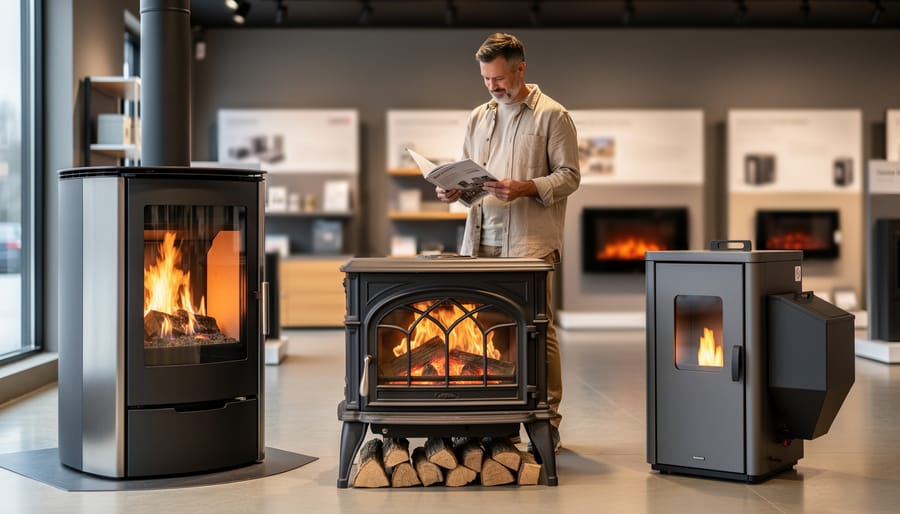


Choose your stove based on your home’s existing infrastructure and heating priorities. Gas stoves connect seamlessly if you already have natural gas lines, delivering instant heat control and consistent warmth even during power outages. Electric stoves require only a 240-volt outlet, making them the simplest installation in homes without gas access. Wood-burning stoves create unmatched ambiance and can slash heating bills by 30-50% in rural areas with affordable firewood, though they demand daily maintenance and proper chimney systems.
Measure your space’s square footage before shopping—a stove rated for 1,500 square feet won’t effectively heat 2,500 square feet, leaving cold spots throughout your home. Match BTU output to your actual heating needs rather than overbuying, since oversized stoves cycle on and off inefficiently, wasting energy and money. Consider pellet stoves as a middle ground that combines wood-burning charm with automated feeding systems and EPA-certified efficiency ratings above 75%.
Evaluate your lifestyle honestly when comparing options. Remote workers and retirees who stay home can tend wood stoves and enjoy the hands-on experience of building fires. Busy professionals benefit from gas or electric models that provide warmth at the touch of a button. Budget for installation costs that vary dramatically—a basic electric insert might cost $500 to install, while a wood stove with full chimney liner replacement can exceed $4,000. Factor in annual operating expenses, from natural gas bills averaging $400-600 seasonally to cord wood costs ranging from $150-400 depending on your region, ensuring your choice fits both your home and your wallet long-term.
Why Your Stove Choice Matters More Than You Think
Choosing the right stove isn’t just about finding something that heats your space. It’s a decision that ripples through multiple aspects of your daily life, often in ways you might not initially consider. The stove you select today will be a fixture in your home for years, possibly decades, influencing everything from your monthly energy bills to the overall atmosphere of your living space.
Let’s start with the practical side. Energy efficiency isn’t merely a buzzword—it translates directly into dollars saved or spent. A modern, efficient stove can reduce your heating costs by 30 to 50 percent compared to outdated models, while also contributing significantly to your home’s overall warmth distribution. Some homeowners find their stove becomes their primary heat source during colder months, supplementing or even replacing their central heating system.
Then there’s the environmental footprint. Today’s eco-conscious homeowners increasingly recognize that their heating choices matter for the planet. Modern stoves with clean-burn technology and EPA certification emit far fewer particulates and greenhouse gases than older models, allowing you to stay warm while minimizing your environmental impact.
Safety considerations shouldn’t be overlooked either. Different stove types come with distinct safety requirements, from proper ventilation to clearance distances from combustible materials. Making an informed choice means protecting your family and property.
Perhaps most importantly, your stove becomes a central lifestyle element in your home—a gathering place, a source of ambiance, and a statement about how you live. It’s not just an appliance; it’s an investment in comfort, efficiency, and the character of your living space. That’s why taking the time to understand your options now will pay dividends for years to come.
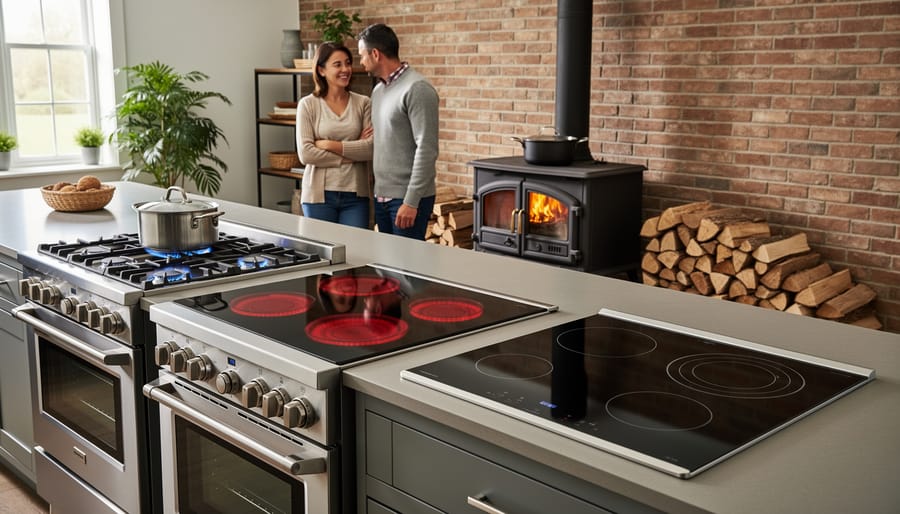
The Main Types of Stoves (And What They’re Actually Good For)
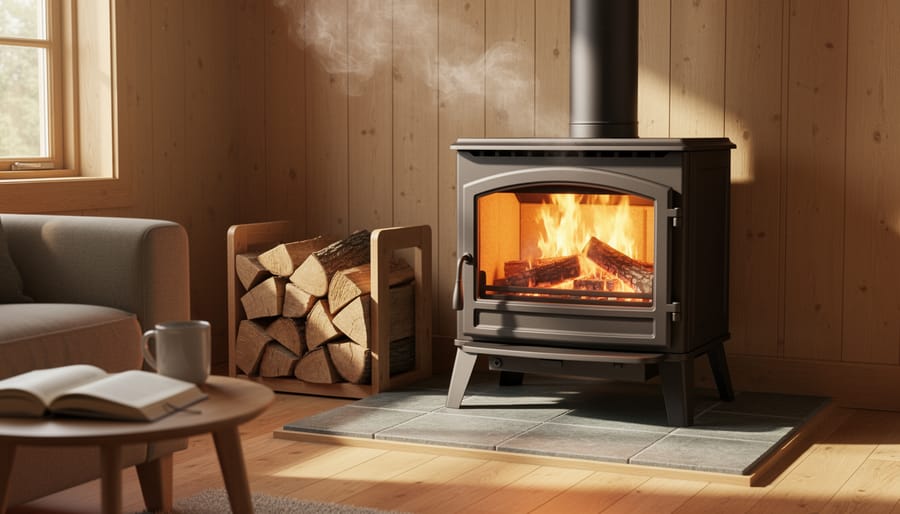
Wood-Burning Stoves: The Traditional Warmth Champion
There’s something undeniably magical about gathering around a crackling wood fire—it’s a warmth that goes beyond just heating your home. Wood-burning stoves have been keeping families cozy for generations, and they remain a popular choice for homeowners seeking authentic ambiance combined with powerful heating capability.
Modern wood-burning stoves are remarkably efficient, with many models achieving 70-80% efficiency ratings. This means most of the heat generated actually warms your space rather than disappearing up the chimney. They’re incredibly effective at heating large areas, with some units capable of warming up to 2,000 square feet. The radiant heat they produce creates that comforting, enveloping warmth that’s hard to replicate with other heating methods.
From a cost perspective, wood-burning stoves offer excellent value if you have access to affordable firewood. In rural areas where wood is readily available, they can significantly reduce heating bills. However, initial installation costs typically range from $3,000 to $5,000, including the stove, chimney system, and professional installation—which is essential for safety and proper function.
The environmental impact of wood stoves has improved dramatically. EPA-certified models burn much cleaner than older versions, producing minimal smoke and particulates. When you burn seasoned hardwood, you’re using a renewable resource that’s carbon-neutral over its lifecycle, making it a reasonably eco-friendly heating solution.
Wood-burning stoves are perfect for homeowners who enjoy the ritual of fire-tending and don’t mind regular maintenance. You’ll need to clean out ashes, have your chimney inspected annually, and stock firewood—but many enthusiasts consider these tasks part of the lifestyle’s charm.
Gas Stoves: Convenience Meets Control
Gas stoves remain beloved by home cooks and professional chefs alike for their immediate, responsive heat control. Whether you’re considering natural gas or propane options, these appliances offer cooking precision that’s hard to match. The moment you turn the dial, flames spring to life, and when you need to reduce heat, the response is instant—no waiting for elements to cool down.
When comparing gas or electric stoves, many people appreciate how gas allows you to see the flame level, giving you direct visual feedback on your cooking temperature. This makes techniques like simmering sauces or searing meats more intuitive and controllable. Gas stoves also work during power outages, which adds a practical advantage for many homeowners.
Installation requires a gas line connection, which can be a significant upfront expense if your home isn’t already equipped. Natural gas typically costs less to operate than electricity in most regions, though propane users will need tank refills. Ongoing costs tend to be moderate and predictable.
Recent discussions about indoor air quality have brought attention to proper ventilation when using gas stoves. Installing a quality range hood that vents outside helps address these concerns while removing cooking odors and moisture. Gas stoves can be an energy-efficient choice when paired with good ventilation practices, balancing cooking performance with home comfort and safety considerations.
Electric Stoves: The Clean and Easy Option
Electric stoves have become incredibly popular in modern homes, and it’s easy to see why. They’re straightforward to install—often requiring just a standard electrical outlet—and eliminate the need for gas lines, making them accessible for nearly any kitchen setup.
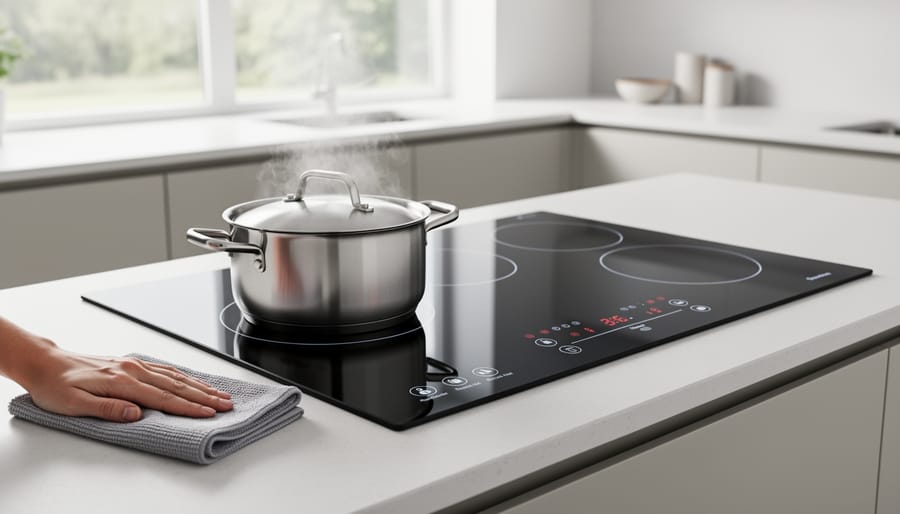
You’ll find three main types of electric stoves. Traditional coil burners are the most budget-friendly and deliver reliable heat, though they can be slow to respond to temperature changes. Smooth-top ceramic models offer a sleek appearance and easier cleanup, as spills wipe away from the flat surface rather than getting stuck around coils. Then there’s induction cooking, which uses electromagnetic technology to heat only your cookware, leaving the surface cool to the touch—a fantastic safety feature if you have curious kids around.
When it comes to cleaning, electric stoves shine. Without open flames or gas grates to work around, you can quickly wipe down surfaces after cooking. Understanding electric stove temperature capabilities helps you cook more effectively, though they generally take longer to heat up and cool down compared to gas alternatives.
From an eco-friendly perspective, electric stoves produce no indoor air pollutants and can run on renewable energy sources if your home uses solar or wind power. They’re also incredibly safe, with automatic shut-off features and no risk of gas leaks. While energy costs vary by region, electric stoves remain a clean, convenient choice for modern cooking.
Pellet Stoves: Modern Efficiency with Old-World Charm
Pellet stoves offer the perfect blend of traditional warmth and contemporary convenience, making them an increasingly popular choice for homeowners seeking efficient, eco-friendly heating. These innovative appliances burn compressed wood pellets—small, uniform pieces made from recycled sawdust and wood waste—delivering consistent heat with remarkable efficiency.
What sets pellet stoves apart is their automated operation. Unlike traditional wood stoves that require constant attention, pellet stoves feature electronic controls and automatic pellet feeders that maintain steady temperatures with minimal intervention. Simply load the hopper with pellets, set your desired temperature, and let the stove do the work. Most models can run for 12 to 24 hours on a single hopper fill.
From an environmental perspective, pellet stoves shine brightly. They burn cleaner than traditional wood stoves, producing minimal smoke and ash while utilizing renewable biomass fuel. This efficiency translates to lower heating costs and a smaller carbon footprint for your home.
However, it’s important to understand the complete picture, including pellet stove energy costs, since these appliances do require electricity to operate their fans and augers. Regular maintenance—including cleaning the burn pot, ash removal, and annual professional servicing—keeps your pellet stove running smoothly and efficiently for years to come.
Bioethanol Stoves: The Eco-Conscious Alternative
If you’re looking for a modern, eco-friendly heating option that adds instant ambiance to any room, bioethanol stoves might be your answer. These innovative appliances burn clean bioethanol fuel, producing real flames without the smoke, ash, or harmful emissions associated with traditional wood burning.
One of the biggest draws is their remarkable flexibility. Since bioethanol stoves don’t require a chimney, flue, or ventilation system, you can install them virtually anywhere in your home. This makes them perfect for apartments, condos, or rooms where traditional fireplace installation would be impractical or impossible. Many models are even portable, letting you move the warmth and ambiance wherever you need it.
From a sustainability perspective, bioethanol fuel is derived from renewable plant sources like corn and sugarcane, making it a genuinely green heating choice. The combustion process is remarkably clean, releasing only water vapor and minimal carbon dioxide comparable to burning a few candles.
However, it’s important to set realistic expectations. Bioethanol stoves excel at creating atmosphere and providing supplemental warmth for smaller spaces, but they won’t replace your primary heating system. They’re best suited for rooms up to 400 square feet.
Safety is straightforward but essential. Always ensure proper ventilation, never refuel while the burner is hot, and keep flammable materials at a safe distance. With responsible use, bioethanol stoves offer a beautiful, sustainable way to bring living flames into your home.
What to Actually Consider Before You Buy
Your Home’s Reality Check
Before you fall in love with a particular stove, take an honest look at what your home can actually accommodate. This reality check will save you from costly surprises down the road and help narrow your choices to what’s genuinely feasible.
Start by examining your existing infrastructure. If you’re considering a gas stove, do you already have a gas line running to your desired location? Installing new gas lines can add several thousand dollars to your project. For electric stoves, check your electrical panel’s capacity. Many modern electric and induction stoves require 240-volt circuits, and older homes might need panel upgrades to handle the load safely.
Ventilation is another crucial consideration. Wood-burning and pellet stoves require proper chimneys or flue systems to exhaust smoke safely. Some gas stoves need direct venting to the outside, while others offer vent-free options, though local codes may restrict these choices.
Speaking of codes, your local building department has the final say on what you can install. Some municipalities have banned wood-burning stoves due to air quality concerns, while others restrict certain fuel types in specific zones. Before making any decisions, contact your local building department to understand permit requirements and restrictions.
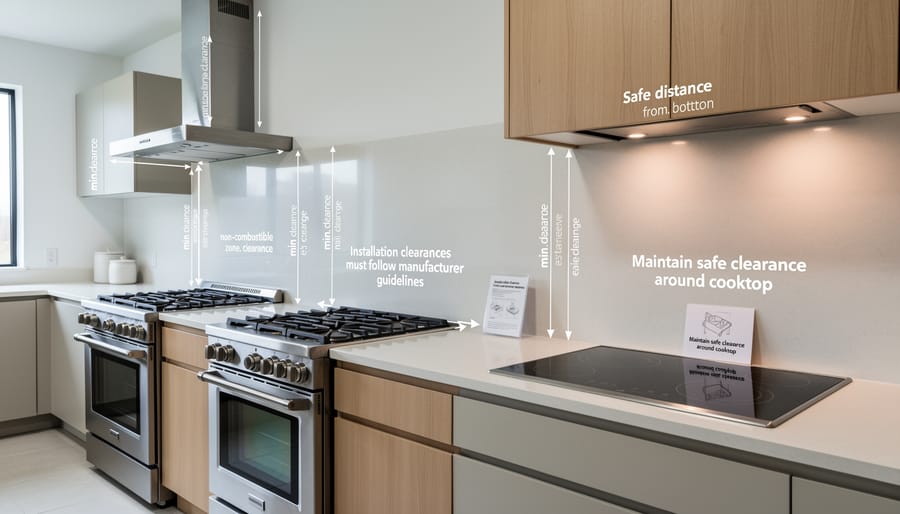
Space constraints matter too. Measure your installation area carefully, accounting for required clearances from combustible materials. That cozy corner might not meet safety setback requirements, potentially eliminating certain stove types from consideration.
How You Actually Live (Not How You Think You Live)
Before you fall in love with a beautiful cast iron stove or dream about cozy evenings by a wood fire, let’s get real about your daily life. Be honest with yourself: are you someone who enjoys the ritual of building and tending a fire, or do you want heat at the flip of a switch? If you’re away from home ten hours a day, that wood stove requiring attention every few hours might not be your best friend.
Think about fuel logistics too. Do you have space to store a cord of wood and keep it dry? Is there a reliable pellet supplier nearby, or will you be driving an hour each way for fuel? Consider your physical ability and willingness to haul wood or bags of pellets regularly—this isn’t a once-a-year task.
Your maintenance personality matters. Some folks love the hands-on care of cleaning ash and glass weekly, while others want minimal fuss. Gas stoves need annual professional servicing, but daily maintenance is nearly zero.
Also consider the ambiance-versus-heat balance. That gorgeous fireplace insert might create the perfect atmosphere for occasional use, but is it practical as your primary heat source? Match the stove to how you genuinely live, not your idealized weekend-cabin fantasy. Your future self will thank you for this honesty now.
The True Cost Beyond the Price Tag
When choosing a stove, the sticker price is just the beginning of your financial journey. A budget-friendly wood stove might seem attractive at first, but factor in professional installation costs ranging from $2,000 to $4,000, chimney requirements, and annual maintenance, and that bargain suddenly feels different.
Electric stoves typically have the lowest upfront installation costs, but their energy consumption can significantly impact your monthly bills depending on local electricity rates. Gas stoves fall somewhere in the middle for installation but offer more predictable fuel costs. Meanwhile, pellet stoves require ongoing investment in fuel that fluctuates with market prices.
Don’t overlook the hidden costs either. Some insurance companies adjust premiums based on your heating source, particularly for wood-burning options. Regular chimney sweeping, annual inspections, and replacement parts add up over the years.
The bright side? A well-chosen, efficient stove can actually boost your home’s value and appeal to buyers seeking eco-friendly heating solutions. Think of it as an investment in comfort that pays dividends in ambiance, lower heating bills, and market appeal when it’s time to sell.
Safety First (Because It Actually Matters)
Safety should be your top priority when choosing any stove. Different fuel types carry unique risks—wood stoves need proper chimney maintenance to prevent creosote buildup and chimney fires, while gas models require vigilance about carbon monoxide. Install carbon monoxide detectors near any combustion appliance and test them monthly. Ventilation is non-negotiable: solid fuel stoves need dedicated flues, and even electric models benefit from adequate airflow.
Maintain proper clearances from combustible materials—typically 36 inches from walls unless you have heat shields. If you have children or pets, consider safety gates or barriers to prevent burns from hot surfaces. Modern safety technology has made stoves safer than ever, with automatic shut-offs and cool-touch exteriors becoming standard features.
Keep a fire extinguisher rated for your stove type within easy reach, and ensure everyone in your household knows your emergency plan. Annual professional inspections catch potential problems before they become dangerous, giving you peace of mind as you enjoy your heating investment.
Eco-Friendly Heating: Making the Sustainable Choice
When it comes to heating your home, making an eco-friendly choice doesn’t mean sacrificing warmth or comfort. Understanding the environmental impact of different stove types helps you create a cozy space while being a responsible steward of our planet.
Wood-burning stoves often get mixed reviews in environmental circles. On one hand, wood is a renewable resource, especially when sourced locally and sustainably. On the other, burning wood releases particulate matter and carbon dioxide. However, modern EPA-certified wood stoves have dramatically improved, achieving efficiency ratings of 70-80% compared to older models at 40-50%. These newer designs burn cleaner and hotter, reducing emissions by up to 90%. The key is choosing properly seasoned wood with moisture content below 20%, which burns more completely and produces less smoke.
Pellet stoves shine as an eco-champion in the stove world. Made from compressed sawdust and agricultural waste, wood pellets repurpose materials that might otherwise end up in landfills. These stoves boast impressive efficiency ratings of 80-90% and produce minimal ash. Their computerized controls optimize combustion, reducing your carbon footprint significantly compared to traditional heating methods.
Gas stoves burn cleaner than wood but rely on fossil fuels, making them a middle-ground option. Natural gas produces fewer emissions than oil or coal, and modern gas stoves achieve efficiency ratings around 75-85%. If you’re considering gas, look for models with the Energy Star certification, which indicates superior environmental performance.
Electric stoves transfer the environmental equation to your power source. If your electricity comes from renewable sources like solar or wind, electric heating can be remarkably clean. Even with traditional grid power, electric stoves eliminate indoor air pollution entirely, though their overall carbon footprint depends on your local energy mix.
The most sustainable choice balances efficiency, fuel availability in your region, and your commitment to proper maintenance. Whatever stove you choose, regular cleaning and professional inspections ensure optimal performance, keeping your environmental impact minimal while your home stays wonderfully warm.
Common Mistakes That Lead to Buyer’s Remorse
We’ve all heard cautionary tales from friends who enthusiastically installed a new stove, only to face disappointment months later. Learning from these common missteps can save you thousands of dollars and years of frustration.
The oversizing trap catches many homeowners who believe bigger is always better. That massive wood stove might look impressive, but in a modest living room, it’ll roast you out within minutes. You’ll find yourself opening windows in January, wasting fuel and money while struggling to maintain comfortable temperatures. Conversely, undersizing leaves you shivering and constantly feeding a stove that simply can’t keep up with your space’s heating demands.
Maintenance reality checks often come too late. That beautiful pellet stove requires daily ash removal and thorough weekly cleaning. Wood stoves demand regular chimney inspections and cleanings to prevent dangerous creosote buildup. Before purchasing, honestly assess whether you’ll commit to the upkeep schedule your chosen stove requires.
Installation complexity frequently blindsides buyers. What seemed like a straightforward project suddenly involves structural modifications, new venting systems, or electrical work that doubles your budget. Always get professional assessments before finalizing your purchase.
The aesthetics-over-function mistake leads to attractive stoves that don’t meet your heating needs or lifestyle. That vintage-style cookstove might look charming, but if you’re rarely home to tend it, a programmable pellet stove would serve you better.
Finally, seasonal fuel availability deserves serious consideration. Assuming you’ll always find affordable pellets or quality firewood can backfire when local supplies dwindle or prices spike unexpectedly. Research your area’s fuel market thoroughly before committing to any heating solution.
Here’s the truth that becomes clear once you’ve explored all the options: there isn’t a universally perfect stove waiting for you out there. Instead, there’s the perfect stove for your home, your lifestyle, and your priorities. The wood stove that’s ideal for your off-grid neighbor might be completely wrong for your downtown townhouse. The sleek gas model that works beautifully in one setting could feel out of place in another.
The key to making a choice you’ll love for decades to come is getting crystal clear on what matters most to you. Take a moment to identify your top three non-negotiables. Is it minimizing environmental impact? Maximizing heat output? Creating a specific aesthetic? Keeping maintenance minimal? Once you know your priorities, the decision becomes much simpler.
Before you fall in love with any particular model, though, reach out to a certified installer for an on-site assessment. They’ll spot potential issues with venting, clearances, or structural considerations that could affect your options. This step might feel premature, but it can save you from heartbreak and wasted time.
Think of your stove as a long-term lifestyle investment rather than just another appliance. You’re not simply buying a heat source; you’re choosing how you’ll experience warmth and comfort in your home for the next twenty or thirty years. You’re creating ambiance, establishing rituals, and perhaps embracing a more sustainable way of living.
Armed with the knowledge you’ve gained, you’re ready to make an informed decision that will transform your living space into the warm, inviting haven you’ve been imagining. Trust your research, honor your priorities, and welcome home the stove that’s truly meant for you.