
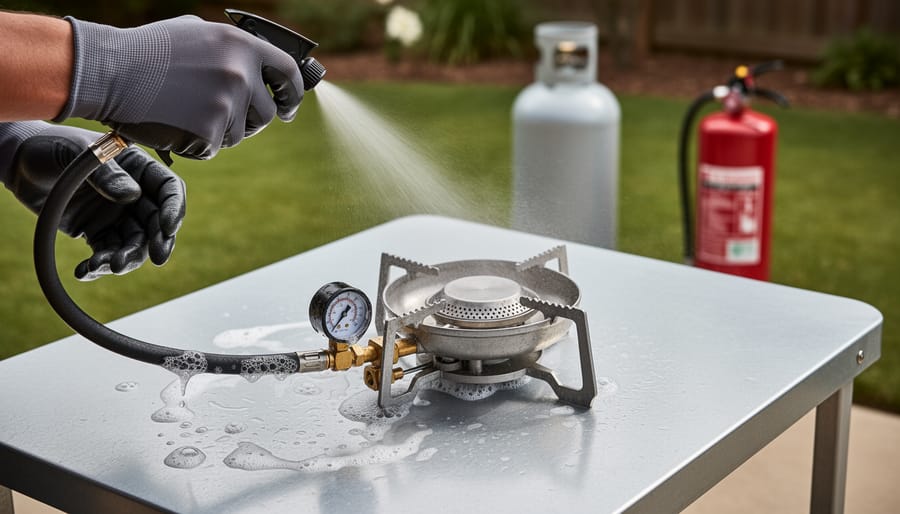
Check your propane connections before every use by applying soapy water to all fittings and watching for bubbles that indicate dangerous leaks. Position your stove on a stable, heat-resistant surface at least three feet away from walls, overhanging branches, or flammable materials, ensuring adequate clearance above for proper ventilation. Never operate your propane stove in ... Read more
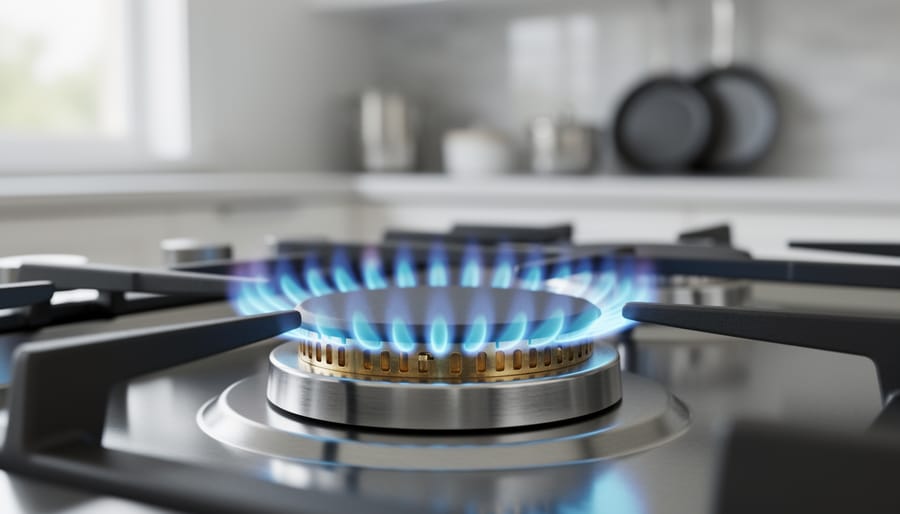
Choose stainless steel burners if you’re prioritizing longevity and corrosion resistance, as they withstand moisture and temperature extremes far better than cast iron alternatives. Inspect brass components regularly for signs of wear, particularly around valve connections and orifices where gas flow regulation occurs. Clean burner ports monthly using a wire brush and compressed air to ... Read more
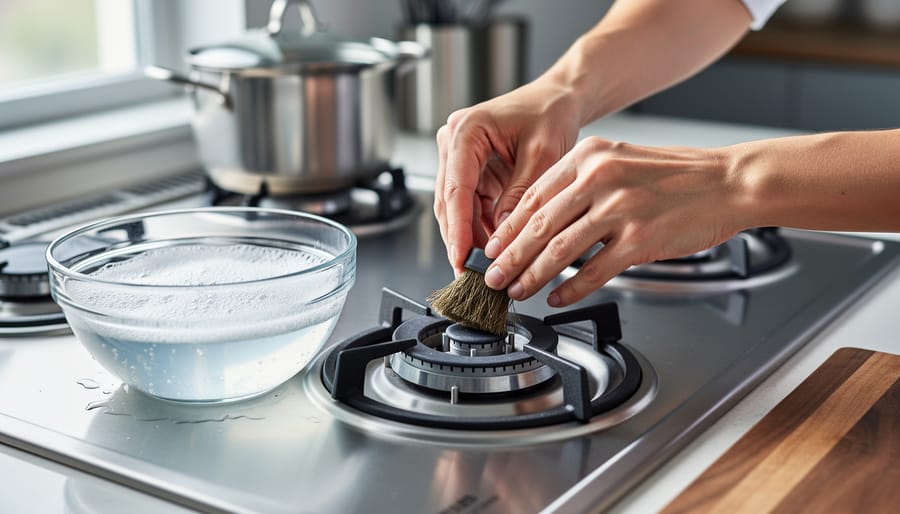
Inspect your burner ports monthly by removing the grates and cleaning any visible debris with a soft brush—clogged ports create uneven flames and waste gas, costing you money while reducing cooking efficiency. Turn off your gas supply completely, then wipe down burner caps and heads with warm, soapy water to prevent grease buildup that leads ... Read more

Compare heat output ratings across models by checking BTU specifications—most quality 2-burner portable gas stoves deliver between 20,000-30,000 BTUs total, with each burner independently controlled for precise temperature management. Look for models with at least 10,000 BTUs per burner if you plan to boil water quickly or cook multiple dishes simultaneously. Evaluate portability features beyond ... Read more
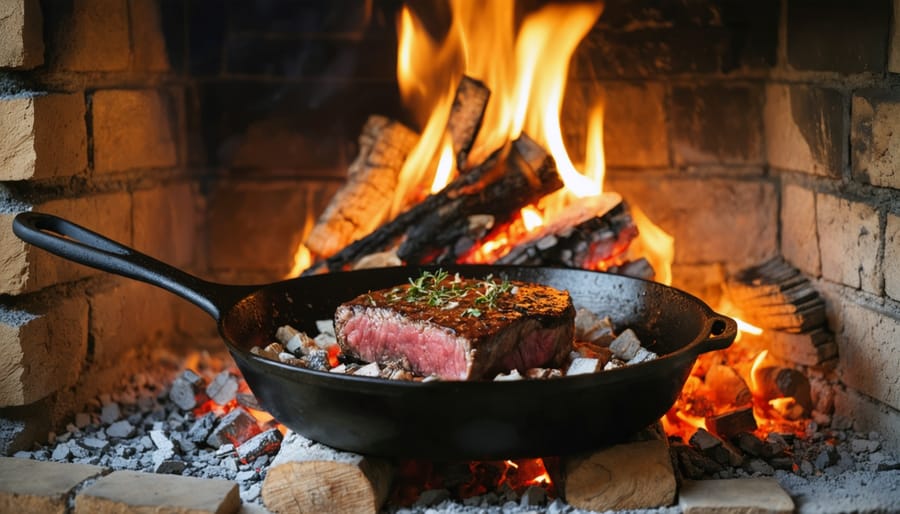
Master heat control by understanding your fireplace’s temperature zones—position cast iron cookware directly over the hottest coals for searing proteins, move dishes to cooler edges for gentle simmering, and use the radiant heat above flames for slow roasting. This fundamental skill transforms your fireplace from a simple heating source into a versatile cooking station that ... Read more

**Prioritize automatic shut-off valves** as your first line of defense—these critical sensors detect flame failure within seconds and immediately cut gas flow, preventing dangerous leaks that could lead to carbon monoxide buildup or explosion risks in your home. **Install flame failure devices** on every burner to ensure gas stops flowing the moment a flame extinguishes ... Read more
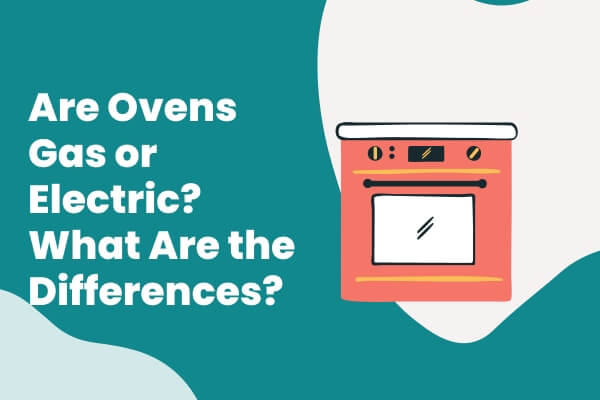
The choice between gas and electric ovens is a common dilemma when outfitting a kitchen or replacing an existing range. Understanding the differences between these two types of ovens is crucial for making an informed decision. Gas ovens utilize natural gas or propane to generate heat, while electric ovens rely on electricity. Each type has ... Read more
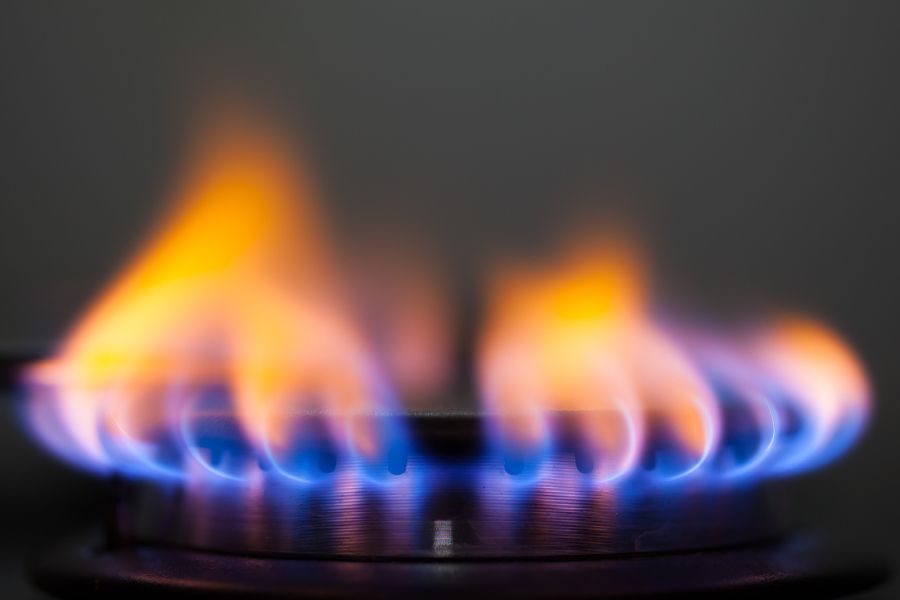
When you are cooking on a gas stove and staring at a yellow flame, you may wonder if it’s time to get a new stove or if there are some simple fixes you could try first. The good news is that with the right tools and knowledge, you can fix most problems with yellow flames ... Read more
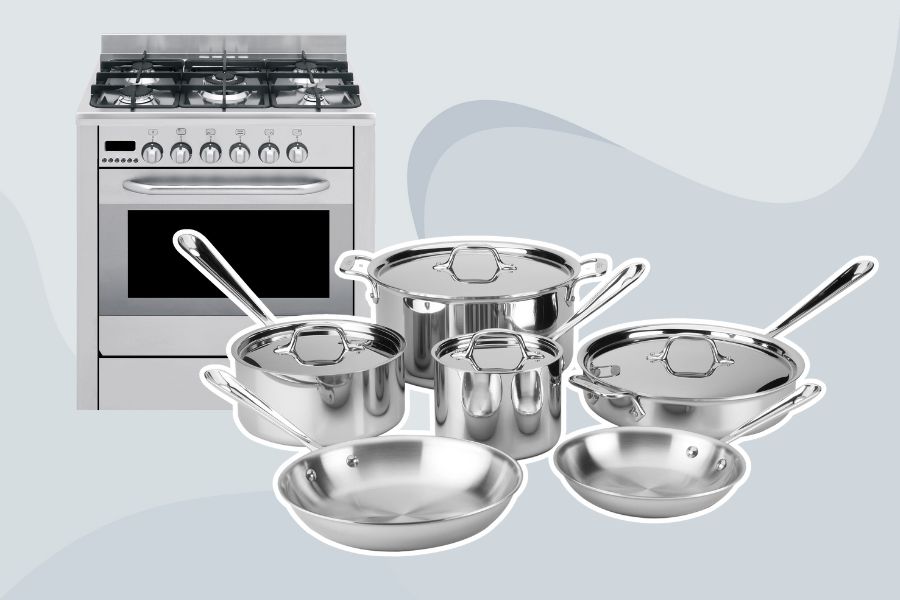
Hey there, cooking enthusiasts! Ever found yourself in a pickle because you’ve invested in a shiny new set of induction cookware, only to realize you don’t have an induction cooktop? Yep, I’ve been there too. You’re staring at those beautiful pots and pans, wondering if they’re destined to collect dust. Good news! You can use ... Read more
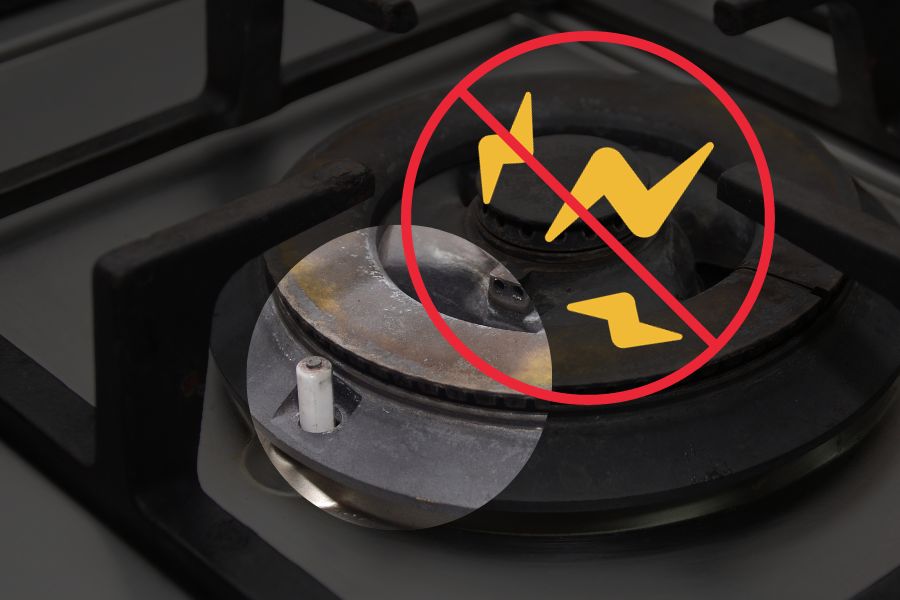
Imagine diligently cleaning your gas stove to maintain efficiency, only to find the igniter not sparking afterward. It’s a situation I wouldn’t wish on my worst enemy. This leaves you with a burner that won’t light, rendering your stove useless when you’re gearing up to cook that special meal. Talk about bad timing! But don’t ... Read more



