

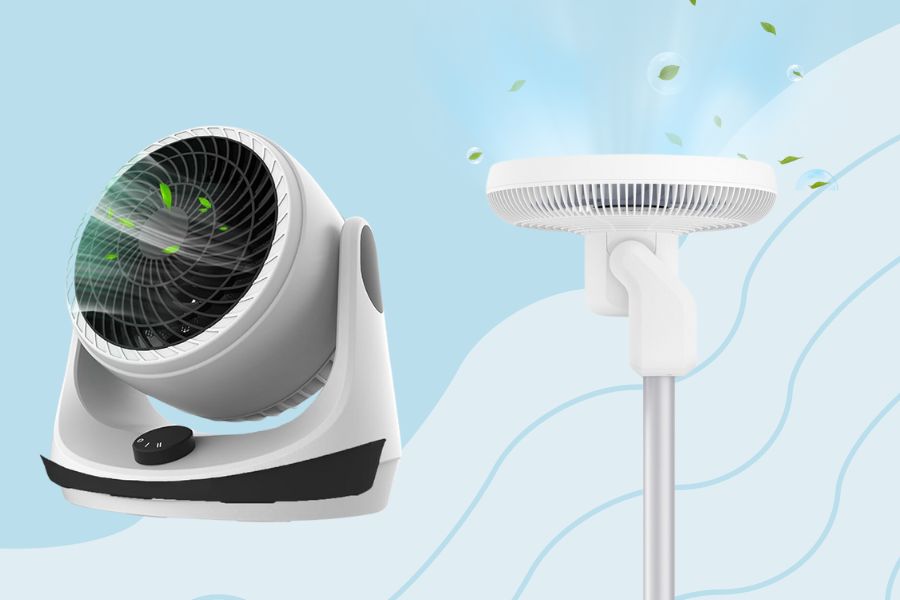
Ever wondered how to transform a room of hot air into a haven of cool, fresh air without cranking up the air conditioner? The answer lies in the magic of an air circulator fan. Unlike a simple fan that only pushes hot or cold air in one direction, an air circulator works tirelessly to circulate ... Read more
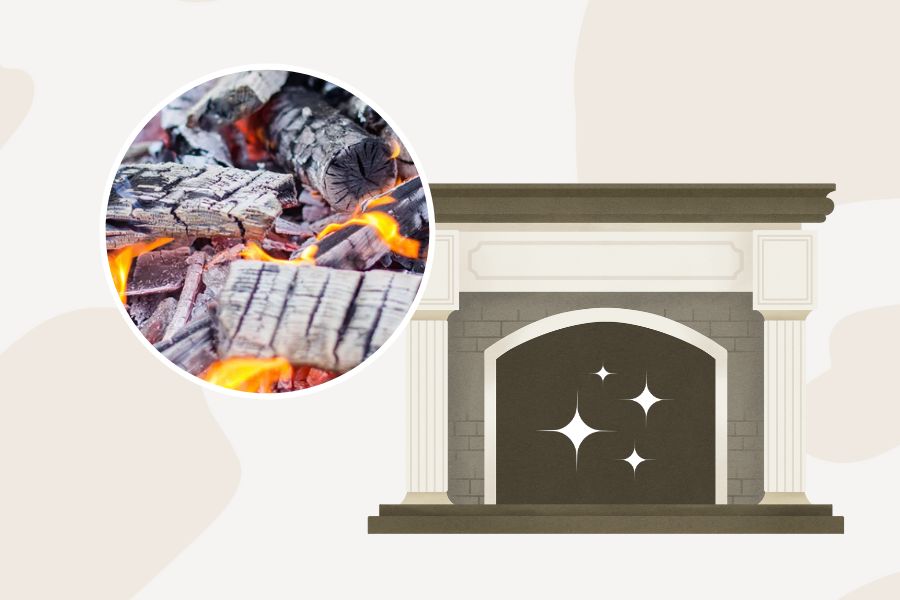
Every owner of wood-burning fireplaces knows the cozy, welcoming warmth they provide. However, regular care, specifically cleaning fireplace ash, is crucial to keep the charm alive. From the last fire’s gray ash in the fireplace to soot stains on the glass doors, cleanliness ensures your fireplace’s efficiency and safety. Whether you’re using an ash vacuum ... Read more
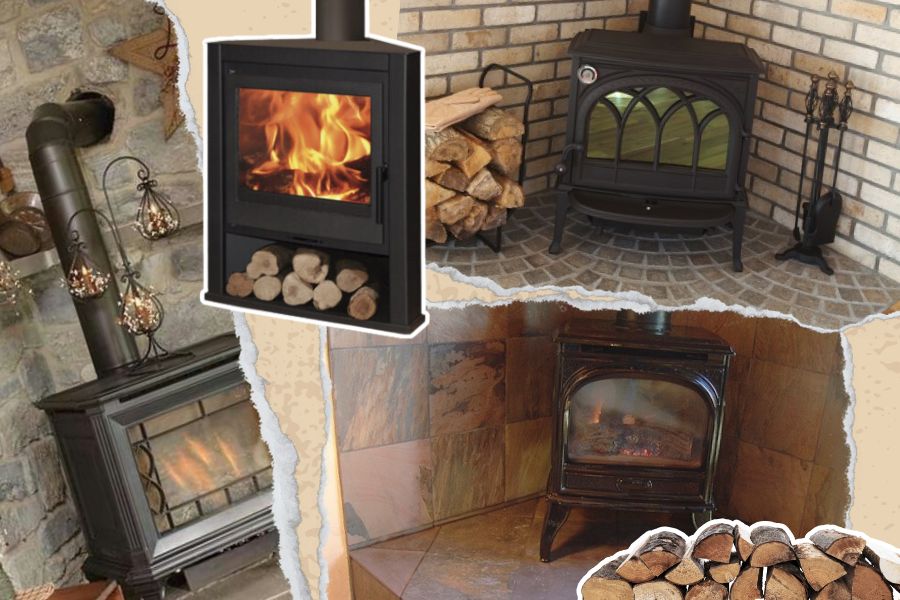
Welcome to our post on the allure of corner wood stoves, a fantastic feature for any room! With a corner wood-burning stove, you create a cozy space that pairs rustic charm with modern elegance. These stoves, positioned neatly in room corners, are great for heat and style. A corner fireplace offers an aesthetic and functional ... Read more
Welcome to the world of wood-burning stoves and multi-fuel stoves! These handy home heating solutions bring warmth and a rustic charm to any house. But there’s a big question on everyone’s minds: can you burn coal in a wood stove? Is it safe? And how does it affect the burning cycle? This might surprise you, ... Read more
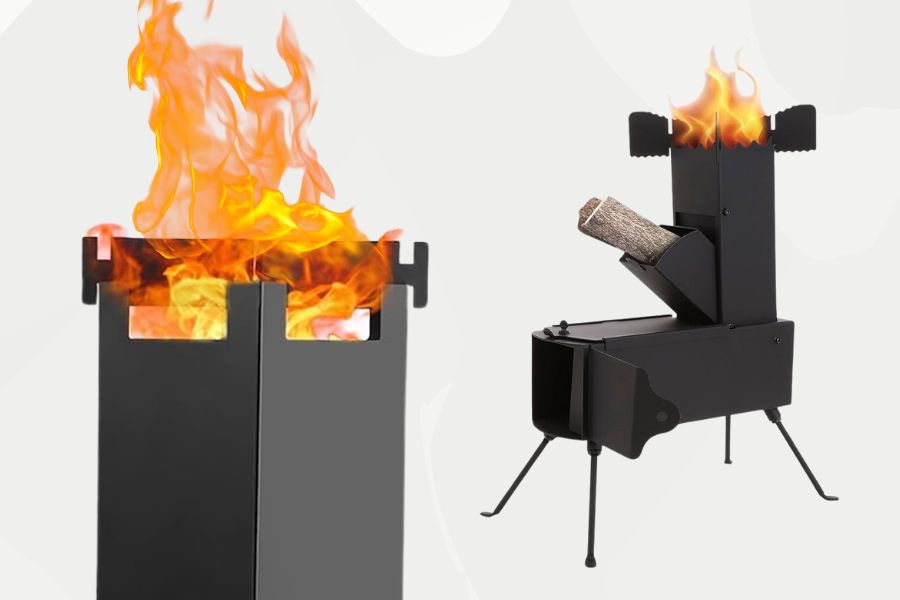
Welcome to the world of rocket stoves! A marvel of appropriate technology, these heating marvels burn wood efficiently, producing heat using little fuel. Their unique design – a combustion chamber and a vertical chimney – allows for more combustion than traditional stoves, reducing carbon dioxide emissions. Whether you’re making a pot of soup on a ... Read more
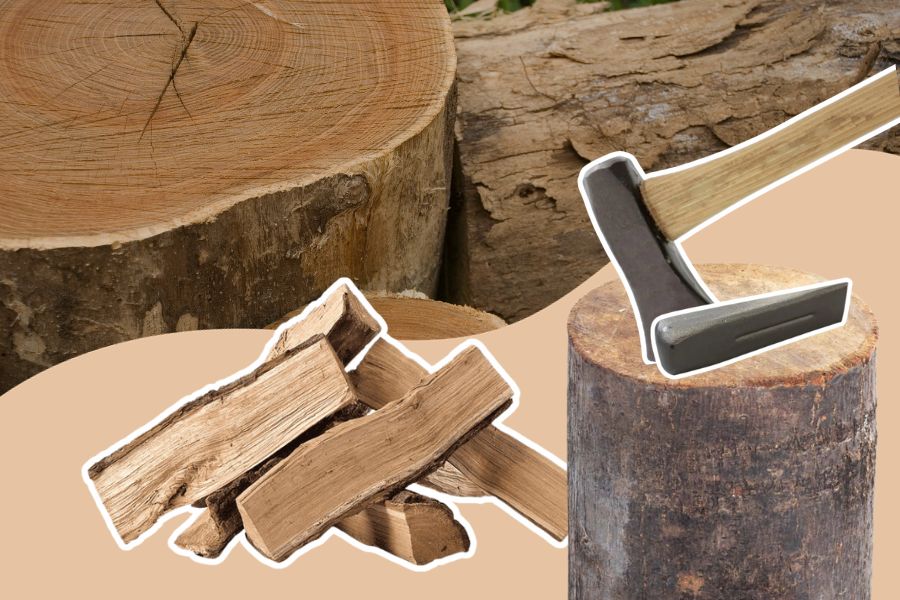
Welcome to our handy guide on how to split wood with a wedge. You might think splitting is time-consuming, but it’s a breeze with the right tools, like a splitting wedge or a second wedge, and proven techniques. It’s more than just swinging a hammer’s handle. We typically split along the existing crack, using a ... Read more

When it comes to being a master chef or grill master, it is important to remember the basics. One of the basics involves preparing to grill or smoke meats. Creating a unique and mouthwatering dish is important. But the meat prepared must also be at the right temperature. If you cook your meat too long ... Read more
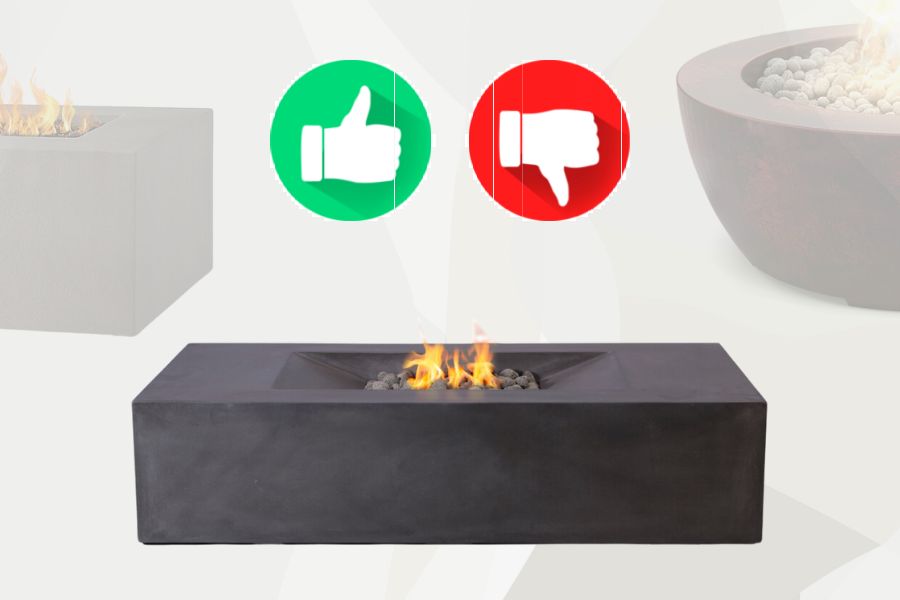
What is better, a propane or wood firepit? Buying the right firepit can make a real difference in campfire enjoyment, and propane fire pits are becoming very popular. Like wood-burning fire pits, propane versions have pros and cons to consider before deciding, so check out my findings below! Here are the benefits and disadvantages of ... Read more
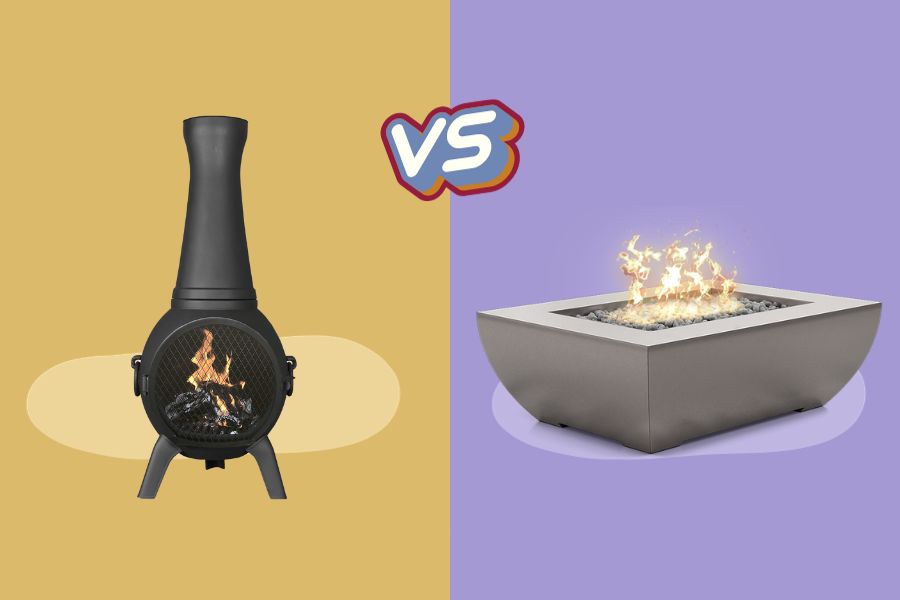
Are you contemplating between a chiminea or fire pit for your backyard? Both chimineas and fire pits can create a warm, welcoming atmosphere outdoors. They are vastly different, though. Often made from steel or cast iron, fire pits provide an open fire perfect for roasting marshmallows or cooking food. On the other hand, brightly decorated ... Read more
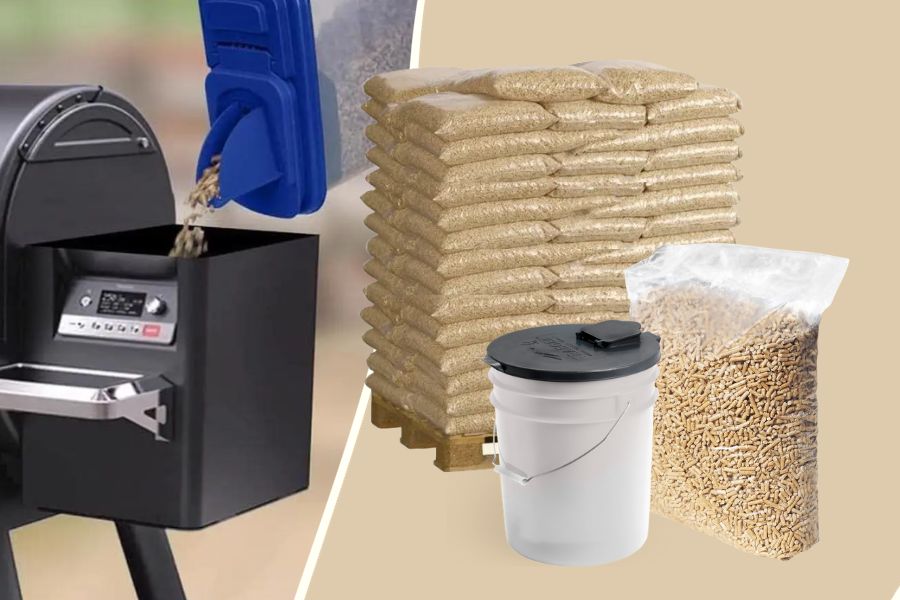
Welcome to your definitive wood pellet storage guide! Knowing how to store wood pellets is crucial, whether for your pellet grill or fuel needs. You might ask, why? Storing pellets incorrectly can turn good pellets into bad wood pellets, especially when exposed to moisture. The best bet is to store your wood pellets in a ... Read more



