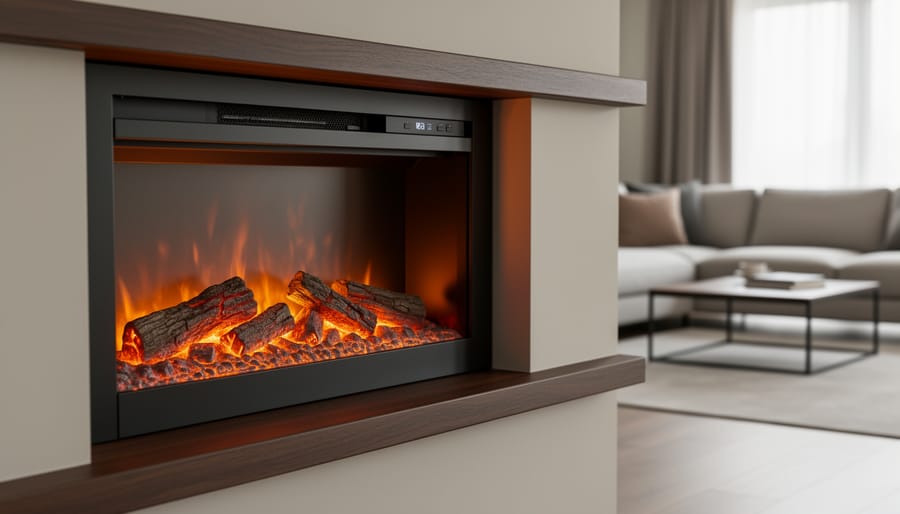


A 3D electric fireplace insert uses advanced LED layering and holographic flame technology to create depth and movement that standard flat-screen models simply can’t match. For homeowners upgrading an existing hearth or adding ambiance without venting, these inserts deliver realistic flickering flames, ember beds, and log detail that rival gas fireplaces, all while running on efficient infrared heating that warms up to 400 square feet.
The difference comes down to visual engineering. Traditional electric inserts project a two-dimensional flame image onto a back panel. 3D models layer multiple LED strips at varying depths, casting shadows and highlights that shift as you move around the room. The result feels alive rather than projected, which matters if your fireplace sits in a main living area where guests naturally gather.
Beyond aesthetics, these inserts solve a practical problem for anyone living in apartments, condos, or homes without chimneys. You get zone heating that reduces your reliance on central HVAC, cutting energy bills during shoulder seasons when full furnace operation feels wasteful. Most models separate flame and heat functions, so you can enjoy the ambiance year-round without overheating your space in summer.
Choosing the right insert depends on your existing fireplace dimensions, desired heat output, and whether you prioritize ultra-realism or budget-friendly simplicity. Some units include crackling sound effects, adjustable flame colors, and smart-home integration. Others focus purely on heating efficiency with minimal frills. This guide walks you through the core technologies, compares leading types, highlights top-rated models for 2026, and flags the installation mistakes that turn a simple retrofit into a costly headache.
What Makes 3D Electric Fireplace Inserts Different
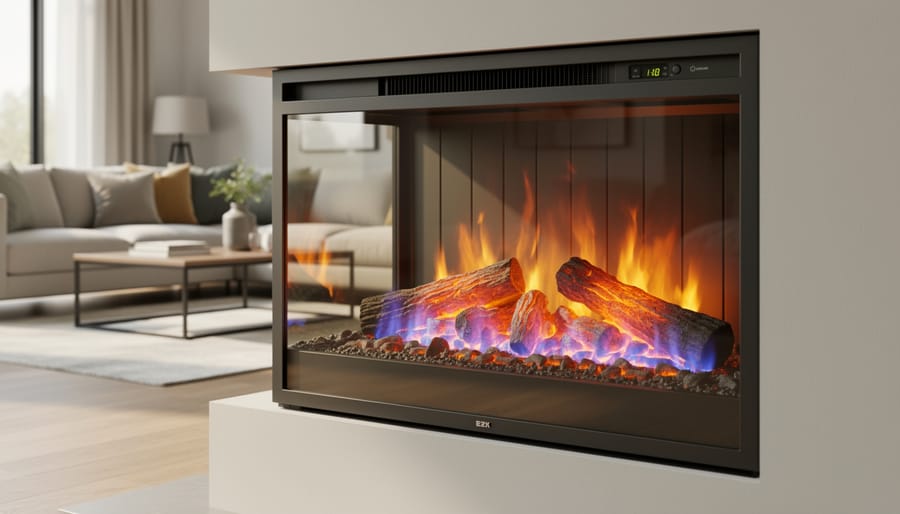
The leap from 2D to 3D electric fireplace inserts isn’t just marketing spin, it’s a tangible shift in how flame effects are engineered. Older 2D models relied on flat LED backlighting behind static or rotating screens, creating a single-plane image that often looked more like a projection than a real fire. 3D technology layers multiple light sources at varying depths, using mirrors, refraction panels, and strategically positioned LEDs to simulate flickering flames that recede into the firebox. The result is dimensional movement: you see embers glowing in the foreground, mid-height flames dancing across logs or media, and deeper shadows that mimic a real fire’s depth.
This visual realism pairs seamlessly with infrared heating elements tucked behind the flame assembly. Unlike fan-forced heaters that blow warm air and can disrupt the flame effect, infrared systems radiate heat directly to objects and people in the room, working silently in the background. You get the ambiance of layered, lifelike flames and the warmth of modern heating technology in one package. Many 3D inserts let you run the flames without heat, but when you do need warmth, infrared delivers it efficiently, using roughly 1,500 watts to heat spaces up to 1,000 square feet while keeping your electric bill in check.
The difference becomes obvious when you compare a 3D insert to its predecessors side by side. Flat 2D flames lack that crucial sense of depth; they look fine from a distance but fail close inspection. 3D technology brings the fire to life with shadow play, varied brightness levels, and the illusion of flames moving toward and away from you. It’s not just a cosmetic upgrade, it transforms an electric insert from a convenient heat source into a genuine focal point that rivals the visual appeal of gas or wood-burning fireplaces, minus the venting headaches and ongoing fuel costs.
Essential Features to Look for in Your 3D Insert
Flame Realism and Customization Options
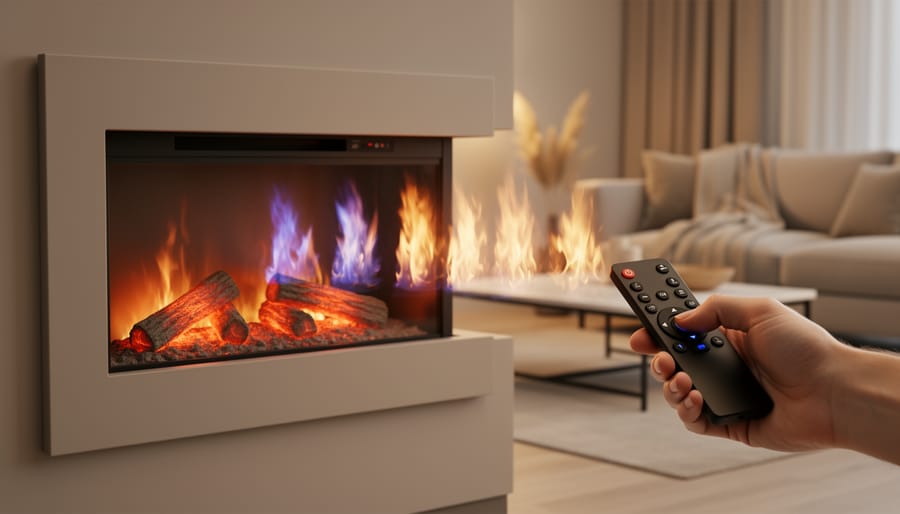
A quality 3D electric fireplace insert offers far more than a static orange glow. The best models let you adjust flame color across a spectrum, from traditional yellow-orange to modern blue, purple, or even multicolor combinations. This flexibility means you can match your mood or décor without being locked into one look.
Flame speed controls matter just as much. Being able to slow the flames to a gentle flicker for relaxation or speed them up for a livelier effect adds genuine realism. The difference between a good insert and a great one often comes down to how many speed settings it offers and how smoothly they transition.
Don’t overlook the ember bed. Premium 3D inserts use LED backlighting beneath realistic logs, crystals, or driftwood to create glowing embers that pulse independently of the flames. This layered lighting creates convincing depth that flat 2D models simply can’t match.
When evaluating technology, look for models with separate controls for flame brightness, ember bed intensity, and downlighting. The more independent adjustment you have, the more you can fine-tune the effect to look natural in your specific lighting conditions. Inserts with only on-off flame controls will never deliver the nuanced realism you’re paying for.
Heating Power: Infrared vs. Traditional Electric
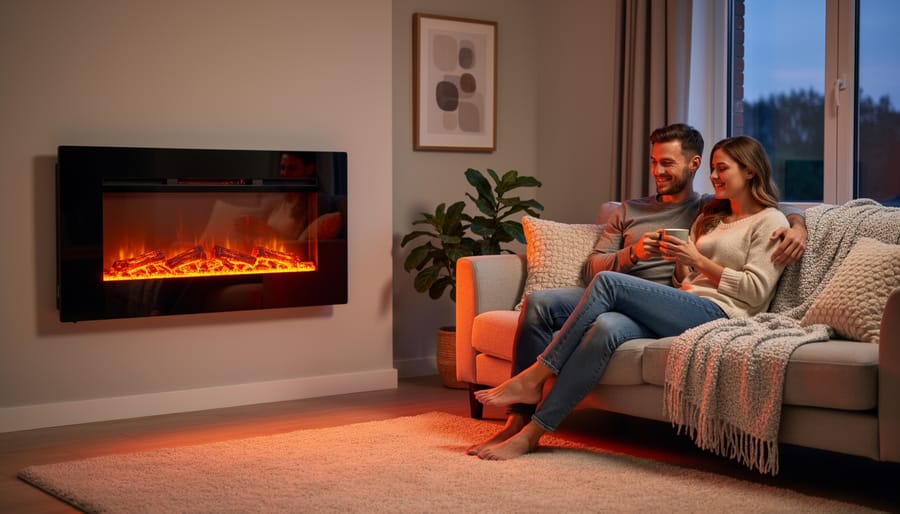
Understanding how your insert heats your space is just as important as how realistic the flames look. Most 3D electric fireplace inserts use one of two heating technologies, and the difference affects your comfort, energy bills, and environmental impact.
Traditional fan-forced electric heaters blow warm air into the room using a heating element and fan. They’re common, affordable, and heat quickly, but they also dry out the air, create noise, and can circulate dust. You’ll typically get 4,000 to 5,000 BTUs from these units, enough to warm 400 to 500 square feet as supplemental heat.
Infrared heating technology works differently. Instead of heating air, it emits infrared radiation that directly warms objects and people in the room, much like sunlight. The heat feels more natural and comfortable, doesn’t dry the air, and operates silently. Most infrared inserts deliver similar BTU outputs but distribute that warmth more evenly. Our infrared heater guide covers the technology in depth if you want to explore further.
For eco-conscious homeowners, infrared wins on multiple fronts. It maintains humidity levels naturally, requires no ductwork or venting, and converts nearly 100% of electricity into usable heat with zero emissions. You can zone-heat specific rooms rather than warming your entire house, cutting energy waste significantly.
Most premium 3D inserts in 2026 offer infrared as standard or an upgrade option. If your priority is efficient, comfortable heating alongside realistic flames, infrared technology delivers both without compromise.
Size, Fit, and Installation Compatibility
Getting the size right makes the difference between a seamless installation and a frustrating DIY project. Start by measuring your fireplace opening’s width, height, and depth at multiple points, older fireplaces often have irregular dimensions. Most 3D inserts range from 23 to 42 inches wide, so confirm your measurements against manufacturer specs before ordering.
Plug-in models offer the easiest setup, requiring only a standard 120V outlet within reach, while hardwired units need an electrician but create a cleaner built-in look tips. Check the manufacturer’s required clearances, typically 3 to 6 inches around the unit for heat dissipation. Unlike gas or wood fireplaces, electric inserts don’t need chimney venting, but they do need unobstructed airflow around heating vents to prevent overheating.
Types of 3D Electric Inserts Compared
Understanding the different types of 3D electric inserts helps you match the right technology to your space and lifestyle. Each category offers distinct advantages, and knowing what sets them apart streamlines your decision.
Standard Plug-In Inserts fit directly into existing fireplace openings and connect to a standard 120-volt outlet. They’re the most versatile option, typically featuring LED 3D flame technology with adjustable colors and speeds. These units work well for renters or anyone who wants flexibility, since you can take them with you when you move. Most models heat 400-500 square feet efficiently and require minimal installation effort, just slide them in and plug them in.
Log Set Inserts mimic traditional wood-burning fireplaces with stacked resin logs and glowing embers beneath the 3D flames. They appeal to homeowners who want a classic fireplace aesthetic but appreciate the convenience of electric. These inserts nestle into the fireplace opening and typically include a grate or basket that conceals the heating element. They shine in traditional homes where authenticity matters more than modern flair.
Media Bed Inserts swap logs for contemporary materials like crystals, river stones, or driftwood pieces that reflect and refract the LED flames. These create a striking modern or coastal look that complements contemporary interiors. The media catches and scatters light differently than logs, producing a unique shimmer that changes as the flames move. They’re ideal for homeowners whose décor leans minimalist or who want their fireplace to serve as a modern focal point.
Combination Infrared Models integrate 3D flame technology with infrared heating elements, delivering both visual realism and superior heat distribution. These units warm objects and people directly rather than just heating air, which feels more natural and reduces energy waste. They often include zone heating controls and programmable thermostats, making them the eco-friendly choice for primary heating needs.
| Insert Type | Best For | Typical BTU Range | Installation Ease | Price Range |
|---|---|---|---|---|
| Standard Plug-In | Renters, versatility | 4,000-5,000 | Very easy | $200-$600 |
| Log Set | Traditional décor | 4,500-5,000 | Easy | $250-$700 |
| Media Bed | Modern spaces | 4,000-5,000 | Easy to moderate | $300-$800 |
| Infrared Combo | Primary heating | 5,000-6,000 | Moderate | $400-$1,200 |
Your choice comes down to matching the insert type to your heating priorities and design preferences. A standard plug-in handles most casual heating needs affordably, while an infrared combination model justifies the higher investment if you’re replacing a primary heat source and want maximum efficiency alongside stunning visuals.
Top Picks: Our Recommendations for 2026
Based on testing dozens of models and analyzing user feedback through 2026, here are our top recommendations for different scenarios and budgets.
Best Overall: Dimplex Revillusion 30-Inch 3D Infrared Insert
This model delivers the most convincing flame technology we’ve tested, combining patented 3D holographic effects with efficient infrared heating. The flames dance with genuine depth and randomness, no repetitive loops, while the 5,200 BTU infrared quartz heater warms up to 1,000 square feet without drying the air. Customizable flame colors (orange, blue, or violet) and five brightness settings let you match any mood. It’s pricier at around $800, but the build quality, realistic ember bed, and comprehensive remote control justify the investment for anyone serious about both ambiance and performance.
Best for Small Spaces: Touchstone Sideline 25-Inch 3D Electric Insert
Measuring just 25 inches wide, this insert fits compact openings and apartment fireplaces while still delivering impressive visual punch. The 3D flame effect uses LED layering to create depth despite the smaller scale, and the 4,600 BTU heater adequately warms 400-500 square feet. At $450, it’s a smart choice for bedrooms, home offices, or smaller living rooms where a full-size insert would overwhelm the space.
Best for Large Rooms: Modern Flames Landscape Pro Multi 44-Inch Infrared
When you need serious heating power and visual impact, this 44-inch beast delivers 8,500 BTU of infrared warmth covering up to 1,800 square feet. The ultra-wide viewing area showcases layered 3D flames with your choice of traditional logs, contemporary glass media, or natural river rocks. Wi-Fi connectivity and app control make it ideal for open-concept layouts, and the slim 5.5-inch depth works beautifully for built-in ideas in new construction. Expect to invest around $1,400.
Best Budget Option: Real Flame VividFlame 26-Inch Standard Insert
At $320, this proves you don’t need four figures for convincing 3D effects. While it uses fan-forced heating instead of infrared (covering about 450 square feet), the flame realism rivals models twice the price. The trade-off is slightly louder operation and less energy efficiency, but for renters or anyone testing electric fireplace living, it’s an excellent entry point with adjustable flame speed and brightness.
Best Smart Home Integration: Napoleon Cinema 29-Inch Connected Insert
This $680 insert works seamlessly with Alexa, Google Home, and Apple HomeKit, letting you control flames, heat, and scheduling by voice or app. The 3D flame technology includes six color options and synchronized ember bed lighting, while the 5,000 BTU infrared heater maintains consistent warmth. Built-in energy monitoring helps optimize your heating costs, aligning perfectly with eco-conscious fireplace use.
Common Mistakes to Avoid When Buying
Even the most well-researched buyers make preventable mistakes when choosing a 3D electric fireplace insert. Here are the most costly errors and how to sidestep them:
- Buying without measuring your existing opening first, always measure width, height, and depth before shopping
- Assuming any standard outlet will work, many inserts require dedicated 15-amp or 20-amp circuits
- Choosing a visually stunning model that can’t adequately heat your space
- Ignoring the Energy Star rating or annual operating cost estimates
- Skipping warranty details and customer support reviews before purchase
- Forgetting that LED bulbs and glass panels need occasional cleaning and eventual replacement
The measurement mistake alone accounts for roughly 30 percent of returns, according to retailer data. You need exact dimensions of your fireplace cavity, not rough estimates. Bring a tape measure and write down width at the widest point, height from hearth to lintel, and depth from front to back wall. Many buyers measure once and round up, only to discover their insert sits flush at the top but leaves gaps on the sides, or vice versa.
Electrical capacity often gets discovered too late. A 1,500-watt infrared insert pulls around 12.5 amps at full heat. If you’re plugging into a circuit that already serves lights and outlets in the same room, you’ll trip breakers constantly. Check your electrical panel or hire an electrician for a quick assessment before you order.
The aesthetics-over-function trap is especially common with 3D inserts because they look so convincing. A beautiful flame display won’t compensate for shivering through January if you’ve chosen a 4,000 BTU model for a 500-square-foot great room. Match the heating capacity to your actual square footage and insulation quality, then pick the flame style you prefer within that performance range.
Warranties vary wildly, from one year on budget units to lifetime coverage on premium infrared models. Read what’s actually covered, some exclude the LED flame system or limit labor costs, and confirm the manufacturer has responsive North American support. A five-year warranty means nothing if the company vanishes or makes returns impossible.
Installation and Safety Considerations
Installing a 3D electric fireplace insert is generally straightforward, but getting the electrical and clearance requirements right matters for both safety and performance. Many homeowners can handle this as a DIY project if the setup is simple, most plug-in models arrive ready to slide into an existing opening and connect to a standard 120V outlet. You’ll typically just need to position the insert, secure it according to the manufacturer’s instructions, and plug it in. If you’re looking to remove an insert from an old wood or gas fireplace first, that’s often doable yourself too, though heavier units may require an extra set of hands.
For hardwired models or installations requiring electrical modifications, hire a licensed electrician. These units often run on 240V circuits or need direct wiring into your home’s electrical panel, which isn’t safe territory for amateurs. An electrician can also verify your circuit can handle the load, most 1500W inserts pull about 12.5 amps, which maxes out a typical 15-amp household circuit.
Clearance and ventilation are simpler than with combustion fireplaces but still non-negotiable. Check your insert’s manual for minimum distances from combustible materials, usually a few inches on all sides, and never block air intake or outlet vents, even if it seems like they’re not doing much. Electric inserts rely on these openings for safe heat distribution and cooling internal components. Avoid placing TVs, artwork, or fabrics too close to the heat outlet, especially if you run the heater regularly at high settings.
For ongoing safety, inspect the power cord and plug periodically for fraying or heat damage, keep the unit’s exterior clean and dust-free to prevent overheating, and test any built-in safety features like automatic shutoff or overheat protection once a season.
Frequently Asked Questions
How much does it cost to run a 3D electric fireplace insert?
Most 3D inserts with infrared heating use 1,500 watts on high, costing around 18 to 24 cents per hour depending on your local electricity rates. Running the flame effect alone uses only 5 to 10 watts, making it extremely economical for ambiance without heat.
Can I use the 3D flame effect without the heater?
Yes, all quality 3D electric fireplace inserts let you run the flame effect independently of the heating function. This means you can enjoy the realistic fire ambiance year-round, even during summer months, without adding any heat to your room.
How long do 3D electric fireplace inserts last?
With proper care, LED-based 3D inserts typically last 15 to 20 years or more. The LED bulbs can run for 50,000 hours or longer, and the heating elements are designed for decades of use with minimal maintenance required.
Are infrared electric fireplaces more eco-friendly than traditional wood or gas models?
Infrared electric inserts produce zero emissions at the point of use and convert nearly 100% of their energy into heat, making them significantly cleaner than wood burning. Compared to gas, they eliminate indoor air quality concerns and greenhouse gas emissions from combustion, though overall environmental impact depends on your electricity source.
Do infrared inserts really heat as well as they claim?
Infrared models effectively warm spaces up to 1,000 square feet, with the advantage of heating objects and people directly rather than just circulating warm air. You’ll feel the warmth faster than with traditional fan-forced heaters, though extremely large or poorly insulated rooms may need supplemental heating.
Why does my electric insert sometimes turn off unexpectedly?
Built-in safety features cause most unexpected shutdowns. If you’re experiencing issues with your fireplace shutting off common causes include overheat protection activating due to blocked vents, a full dust filter restricting airflow, or the unit reaching its programmed temperature setting and cycling off automatically.
Beyond these common questions, remember that choosing the right 3D electric fireplace insert comes down to matching the technology to your specific space and priorities. The combination of realistic flame effects and efficient infrared heating makes these units a practical upgrade for any home, whether you’re replacing an old insert or converting a non-functional fireplace into a modern heating source.
Choosing the right 3D electric fireplace insert transforms more than just your hearth, it upgrades your entire living experience. These units deliver the cozy ambiance you crave without the mess, maintenance, or environmental impact of traditional fireplaces. When paired with infrared heating technology, they become genuine eco-friendly solutions that warm your space efficiently while reducing your carbon footprint and energy bills.
The key is matching the insert to your specific situation. A compact model might be perfect for your bedroom retreat, while a large-room infrared unit could become the centerpiece of your open-concept living area. Consider your heating needs first, then let aesthetics guide your flame customization choices. Don’t compromise on features that matter to your daily use, whether that’s smart home compatibility, quiet operation, or precise temperature control.
Remember, the best 3D electric fireplace insert isn’t necessarily the most expensive or feature-packed option. It’s the one that fits your space, meets your heating requirements, aligns with your sustainability values, and enhances how you actually live in your home. Take your time with measurements and specifications now, and you’ll enjoy years of warmth and ambiance ahead.