

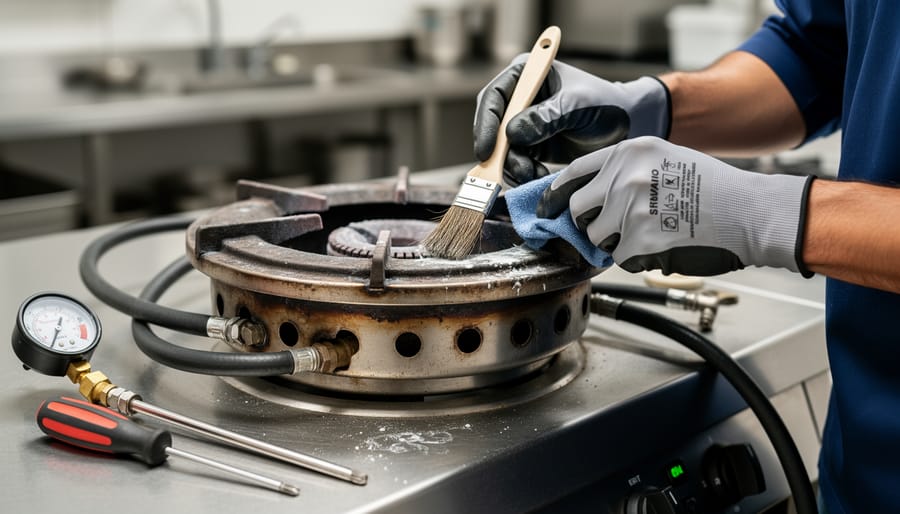
Choose stainless steel burners if you’re prioritizing longevity and corrosion resistance, as they withstand moisture and temperature extremes far better than cast iron alternatives. Inspect brass components regularly for signs of wear, particularly around valve connections and orifices where gas flow regulation occurs. Clean burner ports monthly using a wire brush and compressed air to prevent carbon buildup that reduces flame efficiency and creates uneven heating patterns.
Understanding what your propane stove burners are made from directly impacts how long they’ll last, how they’ll perform, and what maintenance they’ll require over their lifetime. The materials used in burner construction aren’t just technical specifications—they determine whether you’ll enjoy reliable cooking performance for years or face frequent replacements and frustrating malfunctions.
Most propane burners combine multiple materials, each serving a specific purpose. The burner head might be cast iron for heat distribution, while ports are brass for precise gas flow, and the frame could be stainless steel for structural integrity. This material layering affects everything from how quickly your burner heats up to how well it resists the outdoor elements if you’re using a portable stove.
The right material choice depends on your specific needs. Indoor stationary stoves benefit from cast iron’s excellent heat retention, while outdoor enthusiasts need stainless steel’s weather resistance. Budget-conscious buyers often start with aluminum burners, though they’ll sacrifice some durability. Making an informed material decision means fewer headaches down the road, better cooking experiences, and a worthwhile investment in your home’s warmth and functionality.
What Makes Propane Stove Burners Different
Propane stove burners stand apart from their electric and natural gas counterparts in several fascinating ways that directly impact your home heating experience. Understanding these differences helps you make the right choice for your lifestyle and heating needs.
At its core, propane is a remarkably efficient fuel that burns hotter and cleaner than many alternatives. When comparing propane versus other fuels, you’ll discover that propane produces approximately 2,500 BTUs per cubic foot, delivering intense, concentrated heat that can warm your space quickly and effectively. This impressive heat output means your burner needs to be engineered to handle higher temperatures without warping or degrading over time.
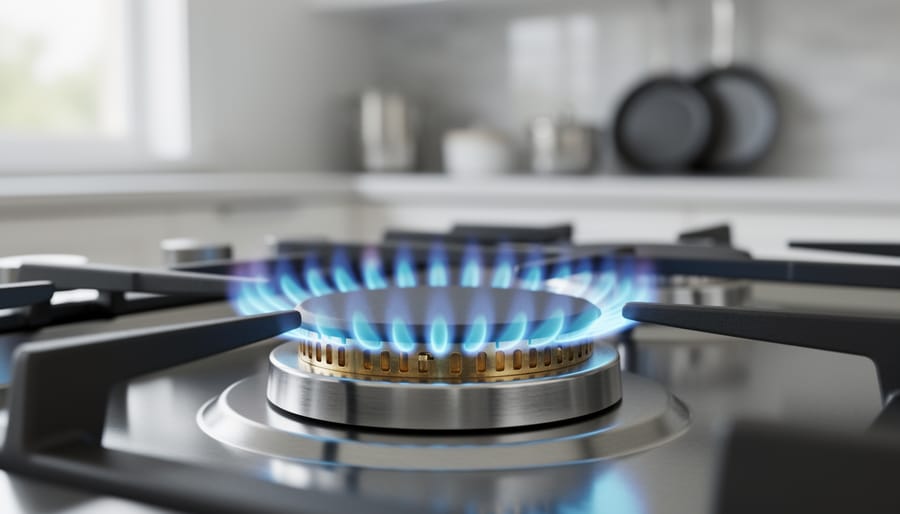
The combustion properties of propane also create unique design requirements. Propane burns with a blue flame when properly adjusted, indicating complete combustion with minimal waste and fewer emissions. This clean-burning characteristic makes propane an eco-friendly heating solution for environmentally conscious homeowners who want to reduce their carbon footprint without sacrificing warmth and comfort.
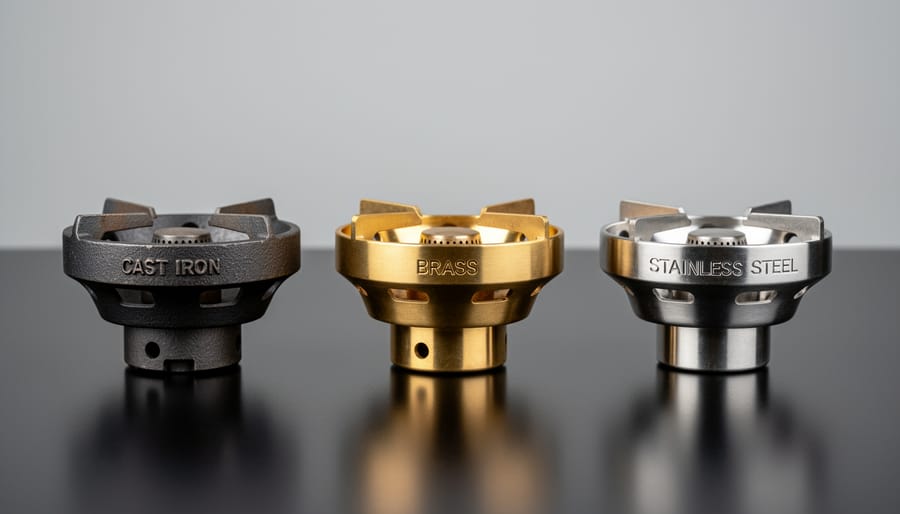
Because propane generates such intense heat, the burners must be constructed from robust, heat-resistant materials. Quality propane burners typically feature heavy-duty brass, stainless steel, or cast iron components that can withstand the demanding conditions of high-temperature operation. These materials resist corrosion, maintain structural integrity under thermal stress, and ensure long-lasting performance.
The pressure at which propane is delivered to your burner also differs from other fuels, requiring specialized orifices and valves sized specifically for propane’s flow characteristics. This precision engineering ensures optimal combustion efficiency, helping you get the most warmth from every gallon while maintaining safe, reliable operation. When you invest in properly designed propane burners, you’re choosing a heating solution that combines power, efficiency, and durability.
The Materials That Stand Up to Propane’s Heat
Cast Iron: The Traditional Workhorse
When it comes to propane stove burners, cast iron has earned its reputation as the traditional workhorse for good reason. This time-tested material excels at heat retention, holding warmth longer than many modern alternatives and distributing it evenly across your cooking surface or heating area. That steady, reliable heat makes cast iron a favorite among those who appreciate consistency in their home heating solutions.
The durability of cast iron is legendary. These burners can last for decades with proper care, often outliving the appliances they’re installed in. They stand up beautifully to the high temperatures propane produces and resist warping over time. This longevity makes cast iron an eco-friendly choice, reducing the need for replacement parts and minimizing waste.
However, there are some practical considerations to keep in mind. Cast iron burners are notably heavy, which can make installation more challenging and may require additional support structures. The debate of brass versus cast iron often centers on this weight difference.
Maintenance requires attention too. Cast iron needs regular cleaning to prevent rust, and you’ll want to keep it seasoned or properly treated to maintain its performance. Despite these requirements, many homeowners find the classic reliability and exceptional heat characteristics of cast iron make it worth the extra effort, especially when creating that warm, inviting atmosphere in their living spaces.
Brass Burners: Premium Performance
If you’re looking for the premium option in propane stove burners, brass delivers performance that truly stands out. This beautiful material has earned its reputation among homeowners who value both quality and longevity in their heating solutions.
Brass burners excel at resisting corrosion, making them an excellent long-term investment for your home. Unlike materials that degrade when exposed to moisture and combustion byproducts, brass maintains its integrity year after year. This durability means fewer replacements and less waste, aligning perfectly with eco-friendly heating practices.
The heat distribution from brass burners is remarkably even, creating that consistent, comforting warmth we all desire in our living spaces. The material’s excellent thermal conductivity ensures efficient fuel usage, which translates to better performance and lower propane consumption over time.
Beyond functionality, brass brings undeniable aesthetic appeal to your fireplace setup. The warm, golden tones add a touch of elegance that complements various home décor styles, enhancing your space as a true lifestyle element rather than merely a heating appliance.
The investment in brass burners does come with a higher upfront cost compared to cast iron or stainless steel alternatives. However, when you consider the extended lifespan, superior performance, and timeless beauty, many homeowners find brass burners worth every penny for creating lasting warmth and ambiance in their homes.
Stainless Steel: The Modern Standard
When you’re choosing materials for your propane stove burner, stainless steel has become the go-to option for good reason. It’s earned its reputation as the modern standard by offering homeowners an excellent combination of reliability, performance, and value that fits beautifully into today’s living spaces.
One of stainless steel’s greatest strengths is its remarkable resistance to rust and corrosion. Unlike cast iron that needs constant attention to prevent oxidation, stainless steel maintains its integrity even in humid environments or when exposed to moisture. This durability means your investment continues delivering warmth and ambiance year after year without the worry of deterioration.
For busy homeowners, the ease of maintenance is a game-changer. Stainless steel’s smooth surface wipes clean effortlessly, requiring nothing more than a damp cloth to keep it looking pristine. There’s no need for special treatments or seasoning routines.
Heat efficiency is another standout feature. Stainless steel distributes heat evenly across your burner surface, ensuring consistent performance that translates to efficient propane use and lower operating costs. This eco-friendly aspect aligns perfectly with sustainable home heating practices.
When comparing brass and stainless steel options, stainless steel typically offers better value for most homeowners, balancing professional-grade performance with accessible pricing that doesn’t compromise quality or safety.
Aluminum Alloys: Lightweight Alternatives
Aluminum alloys bring a welcome lightness to propane stove burners, making them an attractive option for homeowners who value portability and ease of handling. These materials conduct heat remarkably well, ensuring your burner heats up quickly and distributes warmth evenly across cooking surfaces. This efficiency translates to faster meal preparation and better energy use, aligning beautifully with eco-friendly heating solutions for your home.
The weight advantage of aluminum truly shines when you’re moving your propane burner between locations or storing it seasonally. You’ll appreciate the reduced strain, especially if you enjoy outdoor cooking or need to rearrange your space frequently. Aluminum burners also resist rust, which helps maintain that clean, polished appearance over time.
However, it’s important to understand aluminum’s limitations before making your purchase decision. While these burners perform admirably for moderate use, they’re generally less durable than their cast iron or stainless steel counterparts. Aluminum can warp under extremely high temperatures or develop dents from heavy impacts. The material also tends to have a shorter lifespan when subjected to daily, intensive use.
For weekend entertainers or those seeking a secondary burner for occasional use, aluminum alloys offer an excellent balance of performance and practicality. Just remember that proper care and avoiding excessive heat will help maximize your burner’s longevity.
How Burner Material Affects Your Cooking Experience
The material of your propane stove burners plays a more significant role in your cooking experience than you might initially realize. It’s not just about durability—though that certainly matters—but about how the material responds to flame, distributes heat, and ultimately transforms your cooking from basic to brilliant.
Cast iron burners are the workhorses of the propane cooking world. They retain heat exceptionally well, creating a steady, consistent cooking surface that responds predictably to your adjustments. When you’re simmering a delicate sauce or maintaining a precise temperature for specialty cooking, cast iron’s thermal mass works in your favor. The heat spreads evenly across the burner surface, reducing those frustrating hot spots that can scorch your food. However, cast iron does take a bit longer to heat up initially, so patience is part of the experience.
Brass burners offer a completely different feel. They heat quickly and respond almost immediately when you adjust the flame, giving you the kind of control that experienced cooks appreciate. The heat distribution is remarkably uniform, and brass naturally resists corrosion from moisture and cooking residues. You’ll notice the difference especially when you’re cooking dishes that require frequent temperature changes—the burner keeps pace with your culinary decisions rather than lagging behind.
Stainless steel brings modern efficiency to the table. These burners heat up faster than cast iron while still providing decent heat retention. They’re particularly appealing if you value easy maintenance alongside performance. The flame pattern tends to be clean and well-defined, which helps with precision cooking. From an eco-friendly perspective, the efficiency of heat transfer means you’re not wasting propane, making each cooking session more sustainable.
The practical reality is that your burner material directly affects fuel efficiency, cooking consistency, and even how much attention you need to give your dishes while they’re cooking. Understanding these differences helps you choose burners that match your cooking style and create the warm, satisfying cooking experiences that turn a house into a home.
Maintenance and Longevity: Getting the Most from Your Investment
Taking care of your propane stove burners isn’t just about keeping them looking good—it’s about protecting your investment and ensuring safe, efficient operation for years to come. The good news is that with the right approach, maintaining these hardworking components is surprisingly straightforward.
For brass burners, regular cleaning prevents tarnishing and maintains their attractive appearance. Wipe them down with warm, soapy water after the burner has completely cooled, then dry thoroughly to prevent water spots. Avoid abrasive cleaners that can scratch the surface. Brass naturally develops a patina over time, which many homeowners find adds character, but if you prefer that golden shine, a brass polish works beautifully.
Cast iron burners require a slightly different touch. These durable workhorses can handle more aggressive cleaning when needed, but they benefit from staying dry to prevent rust. After cleaning, ensure they’re completely dry before storage or use. If you notice any rust forming, address it quickly with a wire brush and re-season if necessary. Understanding cast iron maintenance issues helps you catch problems early and extend the life of your burners significantly.
Stainless steel burners are perhaps the easiest to maintain. A simple wipe-down with a damp cloth handles everyday cleaning, while occasional use of stainless steel cleaner keeps them looking pristine. Always wipe in the direction of the grain to avoid scratching.
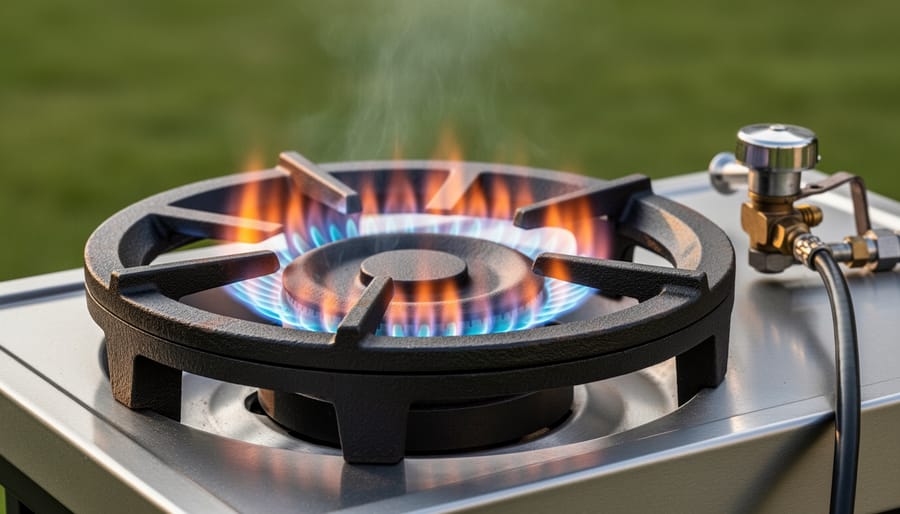
Watch for these warning signs across all burner types: uneven flame patterns, yellow or orange flames instead of blue, difficulty igniting, or visible cracks and warping. These indicators suggest it’s time for professional inspection or replacement.
Extending burner lifespan comes down to consistency. Clean spills promptly, ensure proper ventilation during use, and never use your burners as storage surfaces. Schedule annual professional inspections to catch small issues before they become costly problems. With these simple practices, your propane stove burners will continue warming your home efficiently while maintaining that inviting ambiance you love.
Safety Considerations for Propane Burner Materials
When it comes to propane burners in your home, material safety isn’t just about performance—it’s about protecting your family and your investment. Understanding how different materials respond to prolonged heat exposure helps you make smarter choices for your living space.
Quality burner materials should maintain their structural integrity even after countless heating cycles. Cast iron and stainless steel excel here, resisting warping and cracking that can develop over time with inferior materials. When burners begin to deform, they can create uneven flame distribution or cause flame quality problems that compromise both efficiency and safety. Always inspect your burners regularly for signs of deterioration, including unusual discoloration, pitting, or visible cracks.
Proper ventilation becomes increasingly critical as burner materials age. Even the most heat-resistant materials can develop microscopic changes that affect combustion efficiency. Ensure your space has adequate airflow, and consider upgrading to eco-friendly models with improved combustion technology if your current burners show signs of aging.
You’ll know it’s time for replacement when you notice persistent uneven heating, visible material degradation, or increased soot production. These warning signs shouldn’t be ignored—compromised burner materials can lead to incomplete propane combustion, creating potential safety hazards. Modern replacement burners often feature enhanced safety mechanisms and improved materials that provide better heat resistance while reducing environmental impact. Think of burner replacement as an investment in both your home’s safety and your peace of mind.
Choosing the Right Burner Material for Your Home
Selecting the perfect burner material for your propane stove comes down to understanding your unique cooking lifestyle and home heating priorities. Think of this decision as an investment in your daily comfort and your home’s overall warmth experience.
If you’re someone who loves to cook frequently and isn’t afraid of a little hands-on maintenance, cast iron burners offer unmatched heat retention and durability. They’re the workhorses of the burner world, capable of handling high-heat cooking techniques and lasting for decades with proper care. However, they do require regular cleaning and occasional seasoning to prevent rust, making them ideal for homeowners who view kitchen maintenance as part of their routine.
For those seeking a balance between performance and convenience, stainless steel burners present an attractive middle ground. They resist corrosion naturally, clean up quickly, and maintain consistent heat distribution without demanding intensive upkeep. While they typically cost more upfront, many homeowners find the reduced maintenance effort worth the investment, especially in busy households where time is precious.
Budget-conscious homeowners might gravitate toward brass or aluminum burners, which provide reliable performance at a lower price point. These materials heat up quickly and work well for everyday cooking needs, though they may not offer the same longevity as their pricier counterparts.
From an eco-friendly perspective, consider how efficiently each material conducts heat. Better heat distribution means your propane burns more efficiently, reducing fuel consumption and your environmental footprint. Cast iron and quality stainless steel excel here, converting more of your propane’s energy directly into cooking heat rather than wasting it.
Ultimately, the right choice depends on how you’ll actually use your stove. Match the material to your cooking frequency, maintenance willingness, and long-term budget to ensure your propane burners enhance your home’s warmth and functionality for years to come.
Choosing the right material for your propane stove burners isn’t just about functionality—it’s about investing in the heart of your home. The burner material you select directly impacts how evenly your meals cook, how long your equipment lasts, and even how safely your family gathers around the warmth of your kitchen. Whether you’ve chosen the budget-friendly reliability of aluminum, the corrosion-resistant performance of stainless steel, or the professional-grade durability of cast iron, your decision shapes your daily cooking experience and your home’s overall ambiance.
Take a moment to evaluate your current setup. Are your burners performing as efficiently as they could? Do they complement the warmth and comfort you want to create in your home? Quality propane burners represent more than a simple appliance upgrade—they’re an investment in countless family meals, holiday gatherings, and quiet evenings that define your home’s character.
As you consider your options, remember that the best choice balances your cooking needs, maintenance preferences, and budget while supporting your commitment to creating a welcoming, efficiently heated home. The right burners will serve you reliably for years, delivering consistent performance and contributing to the warmth that makes your house truly feel like home.