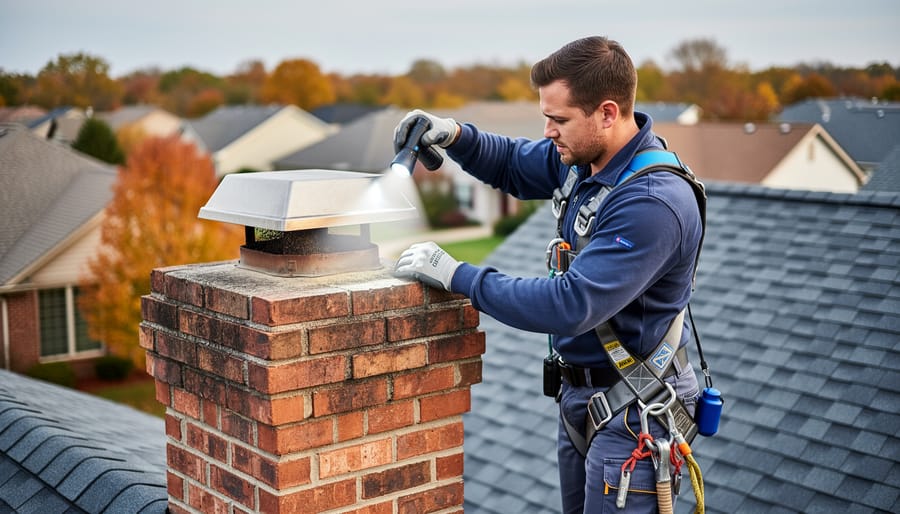
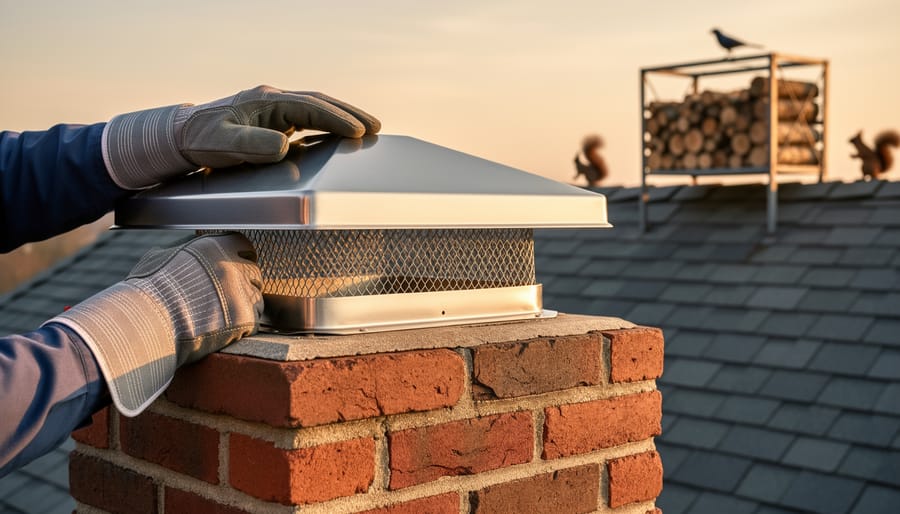


Inspect your chimney and fireplace annually for nests, droppings, and entry points where pests commonly infiltrate homes—birds, squirrels, raccoons, and insects frequently use these warm spaces as gateways into living areas. Seal gaps around the damper, install a sturdy chimney cap with mesh screening, and repair any cracks in masonry or mortar that could serve as access routes for unwanted visitors.
Remove ash buildup and debris promptly, as these materials attract insects and provide nesting materials for rodents seeking shelter near your home’s heat source. Clean your firebox thoroughly between burning seasons and store firewood at least 20 feet from your house, elevated off the ground to prevent termites, ants, and beetles from establishing colonies that migrate indoors.
Schedule chimney sweeps before pest season begins—typically early spring—to eliminate existing infestations before they spread throughout your home’s structure. When you discover active pest problems around your fireplace system, contact professional pest intervention services immediately, as DIY treatments often fail to address hidden nests within chimney flues and wall cavities.
Consider eco-friendly deterrents like copper mesh barriers for chimney openings and natural repellents such as peppermint oil around fireplace surrounds to discourage rodents without introducing harmful chemicals near areas where you gather with family. Your fireplace should enhance your home’s comfort and ambiance, not serve as an open invitation for pests to compromise your living space and peace of mind.
Why Your Fireplace Attracts Unwanted Visitors
Common Fireplace Pests You Need to Know
Your fireplace brings warmth and comfort to your home, but it can also become an unexpected gateway for unwelcome visitors. Understanding which pests are drawn to your chimney and fireplace will help you protect your cozy haven year-round.
Chimney swifts are small, cigar-shaped birds that naturally seek out hollow structures for nesting. While they’re protected by law in many areas, their presence can create noise and debris issues. These aerial acrobats typically visit during warmer months and communicate through distinctive chittering sounds.
Squirrels and raccoons view your chimney as prime real estate for raising their young. Squirrels are agile climbers that can squeeze through surprisingly small openings, while raccoons are strong enough to remove loose chimney caps. Both can cause significant damage to your chimney liner and create fire hazards with their nesting materials.
Bats often roost in chimneys during migration or seek shelter during colder months. These beneficial creatures help control insect populations but can carry diseases, making professional removal essential if they take up residence.
Flying insects like wasps and bees may build nests in unused chimneys, particularly during spring and summer. Their presence creates obvious safety concerns when you’re ready to light your first fire of the season.
Mice frequently use chimneys as protected pathways into your home’s warm interior. These persistent rodents can fit through openings as small as a dime and quickly establish themselves in your living spaces.
Various bird species beyond chimney swifts may accidentally fall into chimneys or deliberately nest on ledges, creating blockages that compromise your fireplace’s ventilation and safety. Regular inspection helps catch these issues before they become serious problems.
Prevention: Your First Line of Defense
Chimney Caps and Screens That Actually Work
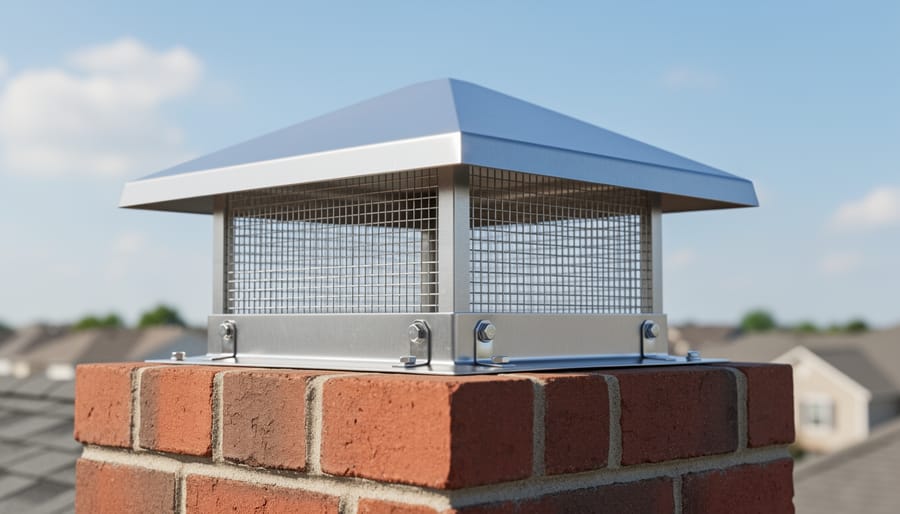
Your chimney is more than just a passage for smoke—it’s also a surprisingly popular entryway for unwanted guests like raccoons, squirrels, birds, and bats. The good news? A quality chimney cap with proper screening creates an effective barrier without compromising your fireplace’s ventilation or performance.
When selecting a chimney cap, look for durable stainless steel or copper construction that can withstand the elements and resist rust. The mesh screening should be tight enough to keep out pests—typically 5/8-inch or smaller openings work best—while still allowing smoke and gases to escape freely. Avoid screens with openings larger than 3/4-inch, as they can admit smaller animals and birds.
The cap should extend slightly beyond your chimney crown to provide weather protection and include a solid top to prevent rain, snow, and debris from entering. Multi-flue chimneys benefit from caps that cover the entire crown, offering comprehensive protection while maintaining that warm, finished look that complements your home’s aesthetic.
Professional installation ensures proper fit and secure mounting, which is crucial for both safety and effectiveness. A loose or improperly sized cap can actually attract pests seeking shelter or, worse, create dangerous airflow restrictions. While DIY installation is possible for handy homeowners, consider consulting with a certified chimney sweep who can assess your specific setup and recommend the most eco-friendly, efficient solution.
Regular inspection and cleaning of your chimney cap—ideally twice yearly—keeps it functioning optimally and helps you spot potential pest activity before it becomes a serious problem. This simple preventative measure protects both your home’s warmth and your family’s peace of mind.
Smart Firewood Storage Practices
Your cozy fireside ambiance can quickly become a gateway for unwanted houseguests if you’re not careful about firewood storage. The wood you bring inside for those relaxing evenings by the fire often harbors termites, carpenter ants, beetles, and spiders that are just waiting for an opportunity to relocate into your warm home.
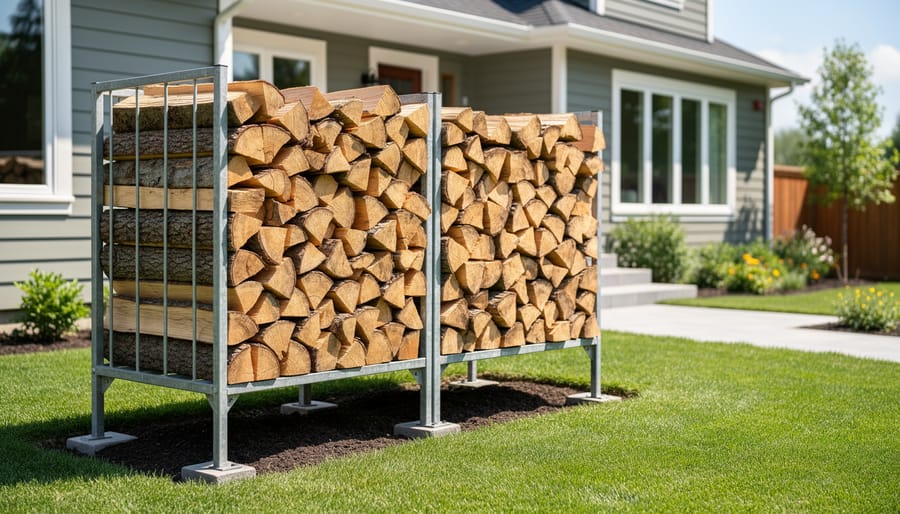
The golden rule of firewood storage is simple: keep it at least 20 feet away from your house, shed, or any other structure. This distance creates a natural buffer zone that discourages pests from making the journey from your woodpile to your living space. Stack your firewood on a raised platform or pallets, elevating it at least six inches off the ground. This elevation prevents ground-dwelling insects and moisture from turning your fuel supply into a thriving pest colony.
Never store firewood in your garage, basement, or directly against your home’s exterior walls. These convenient locations might save you a few steps during cold weather, but they essentially roll out the welcome mat for wood-destroying insects. Choose a spot with good air circulation and sun exposure to help the wood dry properly while making it less attractive to moisture-loving pests.
Before bringing any piece of wood inside, give it a thorough inspection outdoors. Look for visible insects, small holes, sawdust trails, or hollow-sounding wood when tapped. Only carry in what you plan to burn within the next day or two, and store it in a designated firewood rack near your fireplace rather than piling it up for the season. This practice minimizes the time pests have to emerge and explore your home while maintaining that warm, inviting atmosphere you love.
Sealing Entry Points Around Your Fireplace
Your fireplace creates a welcoming ambiance in your home, but unfortunately, pests find these warm entry points just as inviting. Taking time to seal potential access routes around your fireplace keeps unwanted visitors out while maintaining your home’s cozy atmosphere.
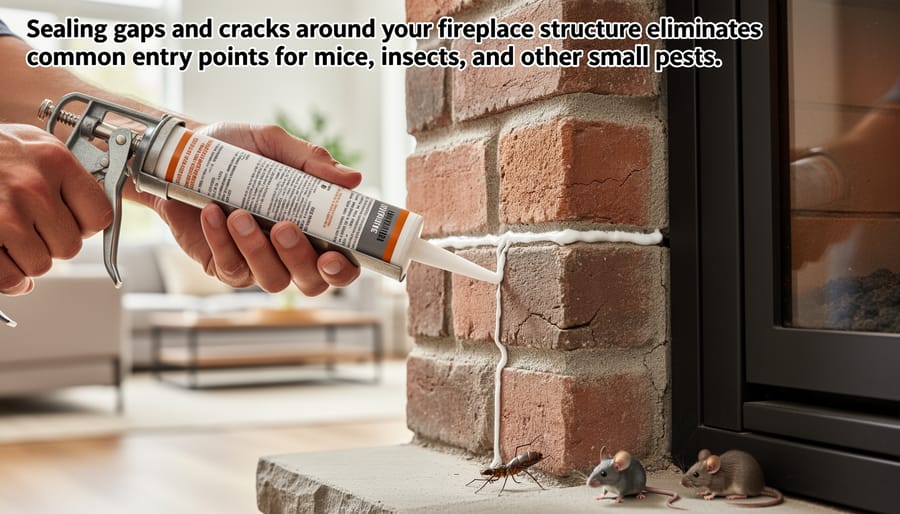
Start by examining the area where your fireplace meets the wall and floor. Cracks as small as a quarter-inch can welcome mice, insects, and other pests. Use high-temperature silicone caulk for gaps around the firebox, as standard caulk may crack under heat exposure. For larger openings, consider fire-resistant expanding foam, followed by caulk for a smooth finish.
Don’t overlook your damper, a common entry point when left open or damaged. When your fireplace isn’t in use, keep the damper closed. If it doesn’t seal properly due to warping or rust, replacement parts are readily available and worth the investment for both pest control and energy efficiency.
Check the exterior where your chimney meets the roofline. Damaged flashing or mortar provides easy access for birds, squirrels, and insects. While you’re evaluating these areas, inspect for gaps around gas lines or electrical connections that serve gas fireplaces.
Regular inspections, ideally twice yearly, help you catch new vulnerabilities before they become pest highways. This proactive approach protects your home while ensuring your fireplace remains the heart of your living space.
Safe Pest Treatment Methods for Active Infestations
When to Call a Professional vs. DIY Solutions
Knowing when to tackle a pest problem yourself versus calling in the professionals can save you time, money, and potential headaches. Generally speaking, small-scale issues like a few ants near your fireplace hearth or occasional spiders can be managed with simple DIY methods such as natural repellents and proper cleaning routines. These minor nuisances typically don’t pose structural risks to your home or chimney system.
However, certain situations absolutely require professional intervention. If you discover bats roosting in your chimney, never attempt removal yourself—bats are protected in many areas and require specialized, humane relocation by licensed experts. Similarly, raccoons, squirrels, or birds nesting in your flue present serious safety and legal concerns that professionals are best equipped to handle. Large wasp or hornet nests near chimney caps also warrant expert removal to avoid dangerous stings.
When it comes to DIY vs professional treatment, consider the scope of the infestation. Signs of extensive termite damage, visible rodent highways throughout your walls, or recurring pest problems despite your efforts indicate it’s time to call the pros. Professional pest control specialists have access to eco-friendly treatment options and can identify entry points you might miss, particularly around chimney structures and fireplace installations.
Your safety should always come first. If you’re uncomfortable climbing ladders to inspect chimney areas or dealing with potentially aggressive wildlife, professional help ensures the job gets done safely and effectively while protecting your home’s cozy warmth.
Eco-Friendly Treatment Options
When it comes to protecting your cozy hearth and home from unwanted visitors, choosing eco-friendly pest treatment options makes perfect sense for homeowners who already value sustainable living through efficient heating practices. These natural solutions work harmoniously with your commitment to creating a healthy, environmentally conscious home environment.
Natural repellents offer an excellent first line of defense against common household pests. Essential oils like peppermint, eucalyptus, and cedarwood effectively deter insects and rodents without introducing harsh chemicals near your fireplace or living spaces. Simply mix a few drops with water in a spray bottle and apply around potential entry points, including chimney openings and woodpile areas. Diatomaceous earth, a powder made from fossilized algae, provides another non-toxic barrier that’s particularly effective against crawling insects.
For rodent issues, humane live traps allow you to relocate unwanted guests without harm, aligning with sustainable living principles. Place these traps near your firewood storage or basement areas where pests typically hide during colder months.
Plant-based solutions like neem oil work wonders for treating infestations while remaining safe around pets and family members gathered by the fire. You can also incorporate pest-deterring plants like lavender and mint around your home’s exterior, creating a natural protective barrier.
Remember that prevention remains your most eco-friendly tool. Regular chimney inspections, proper firewood storage off the ground, and sealing entry points reduce the need for any treatments. By choosing these gentle yet effective methods, you’re protecting both your warm sanctuary and the environment you cherish.
Chemical Treatments: What’s Safe Near Your Fireplace
Sometimes, despite your best prevention efforts, chemical treatments become necessary to eliminate stubborn pest infestations near your fireplace. However, the combination of chemicals and heating sources requires careful consideration to protect both your home’s safety and your family’s health.
When selecting pest control products for use around fireplaces and chimneys, always choose non-flammable formulations specifically labeled as safe for use near heat sources. Water-based products are generally safer than oil or petroleum-based alternatives, which can ignite when exposed to high temperatures. Look for low-VOC (volatile organic compounds) options that won’t release harmful fumes when your fireplace is in use.
Boric acid dust is a particularly effective eco-friendly option for treating crawl spaces and hidden areas around your hearth. It’s minimally toxic to humans and pets while remaining lethal to insects, and it won’t combust under normal fireplace conditions. Diatomaceous earth is another natural alternative that works mechanically rather than chemically, making it safe around heating elements.
Critical safety considerations include never applying chemical treatments directly to hot surfaces or immediately before lighting your fireplace. Allow at least 24 to 48 hours for products to dry completely, and ensure proper ventilation during and after application. If you’re using your fireplace regularly during cold months, consider timing treatments for warmer seasons when the hearth isn’t in active use.
For severe infestations, professional pest control services familiar with fireplace systems offer the safest approach. They understand the unique challenges of treating these areas while maintaining your home’s warmth and safety standards.
Maintenance Routines That Keep Pests Out Year-Round
Pre-Season Fireplace Inspections
Before you light that first cozy fire of the season, a thorough inspection can prevent unwelcome surprises and ensure your fireplace remains both a source of comfort and a pest-free zone. Start by examining your chimney and firebox with a flashlight, looking for telltale signs of nesting activity. Birds, squirrels, and raccoons often view chimneys as ideal shelter, leaving behind twigs, leaves, and droppings that create fire hazards and block proper ventilation.
Check the damper area carefully for insect activity, particularly paper wasps and hornets that favor the protected space. Look for mud tubes along the firebox walls, which signal termite activity, and inspect mortar joints for deterioration that could provide entry points for various pests. The ash pit also deserves attention, as it can harbor everything from mice to larger wildlife.
Don’t overlook less obvious indicators like unusual odors, which often suggest decomposing animals or accumulated droppings. Staining on the firebox walls or chimney liner might point to water intrusion, creating conditions that attract pests seeking moisture. If you discover active infestations or extensive damage, professional quarterly pest control services combined with chimney expertise ensure comprehensive solutions. This proactive approach protects your home’s warmth and your family’s safety throughout the heating season.
Off-Season Protection
When the weather warms up and cozy fires become a distant memory, your fireplace and chimney still need attention to keep unwanted guests from moving in. Think of off-season care as setting up a gentle but firm “no vacancy” sign for pests looking for their next home.
Start by closing your damper completely once you’re done using your fireplace for the season. An open damper is like leaving your front door wide open—it’s an invitation for birds, squirrels, raccoons, and insects to explore. However, before sealing everything up, make sure no animals are already inside. A quick visual inspection or listening for unusual sounds can save you from accidentally trapping a creature in your chimney.
Spring or early summer is the perfect time to schedule a professional chimney inspection. A certified technician can spot potential entry points, damage to the chimney cap or screen, and signs of existing pest activity that you might miss. They’ll also check for nests that need removal before they become bigger problems.
Throughout the warmer months, make it a habit to peek at your fireplace area regularly. Look for droppings, unusual debris, or strange odors that might indicate pest activity. Catching problems early means simpler, more eco-friendly solutions and less stress when the first cool evening arrives and you’re ready to light that welcoming fire again.
Special Considerations for Different Fireplace Types
Each fireplace type presents unique pest challenges that require specific prevention strategies. Understanding your fireplace’s particular vulnerabilities helps you create a targeted pest defense plan that keeps your home warm and critter-free.
Wood-burning fireplaces face the most diverse pest threats. The chimney’s warmth and vertical structure attract birds, squirrels, raccoons, and bats seeking nesting sites. Stack firewood at least 20 feet from your home and inspect each log before bringing it inside, as wood-boring beetles, carpenter ants, and termites often hitch rides indoors. Install a quality chimney cap with mesh screening no larger than half an inch to block larger animals while maintaining proper ventilation. Schedule annual chimney inspections to catch pest activity early, especially checking for nests during spring months.
Gas fireplaces offer fewer pest entry points but aren’t immune to problems. While they lack the wood-carrying risk, their venting systems can still attract nesting birds and rodents. The pilot light’s warmth draws insects during colder months, particularly cluster flies and boxelder bugs. Check exterior vent terminations regularly for nest materials or blockages, and ensure vent caps remain secure and undamaged. Spiders occasionally build webs near gas connections, so include these areas in your regular cleaning routine.
Bioethanol fireplaces represent the lowest pest risk among fireplace types. These ventless units eliminate chimney-related pest issues entirely, making them an eco-friendly heating solution that doubles as natural pest prevention. However, the fuel’s ethanol content can attract ants and fruit flies if spilled. Store fuel in sealed containers away from living areas, wipe up any spills immediately, and maintain clean burner surfaces. If you’re considering outdoor heating alternatives, bioethanol options provide warmth without creating additional pest entry points.
Regardless of your fireplace type, combining system-specific preventative measures with regular maintenance creates the strongest defense against unwanted visitors.
Creating a warm, inviting home where you can gather around the hearth shouldn’t mean sharing that space with unwanted guests. The good news is that with the right approach, you can enjoy the comfort and ambiance of your fireplace while keeping pests firmly outside where they belong.
Remember that effective pest management isn’t about a single solution—it’s an integrated approach that combines prevention, early detection, and safe treatment methods. Regular chimney inspections, proper screening, maintaining a clean firebox, and storing firewood correctly all work together to create an inhospitable environment for insects and rodents. When issues do arise, addressing them quickly with eco-friendly treatments protects both your family and the environment.
Think of pest control as an essential part of your home maintenance routine, just like cleaning your chimney or servicing your heating system. By staying proactive, you’re not just eliminating nuisances—you’re protecting your home investment, preserving your indoor air quality, and ensuring that your cozy evenings by the fire remain exactly what they should be: peaceful, comfortable, and filled with the warmth that makes a house truly feel like home.