

Your B-vent flue system quietly works behind the scenes to safely exhaust combustion gases from your natural gas or propane fireplace, but when problems arise, they can threaten both your comfort and safety. This double-walled venting system draws air from inside your home for combustion while expelling exhaust through the space between its inner and outer pipes—a clever design that eliminates the need for an outdoor air source but requires proper understanding to maintain effectively.
Recognize the warning signs that demand immediate attention: condensation streaking down the flue pipes, rust spots appearing on the vent cap, soot accumulating around your fireplace opening, or persistent burning odors when your fireplace operates. These symptoms often indicate blocked passages, improper installation angles, or deteriorating seals that compromise the system’s ability to draft correctly.
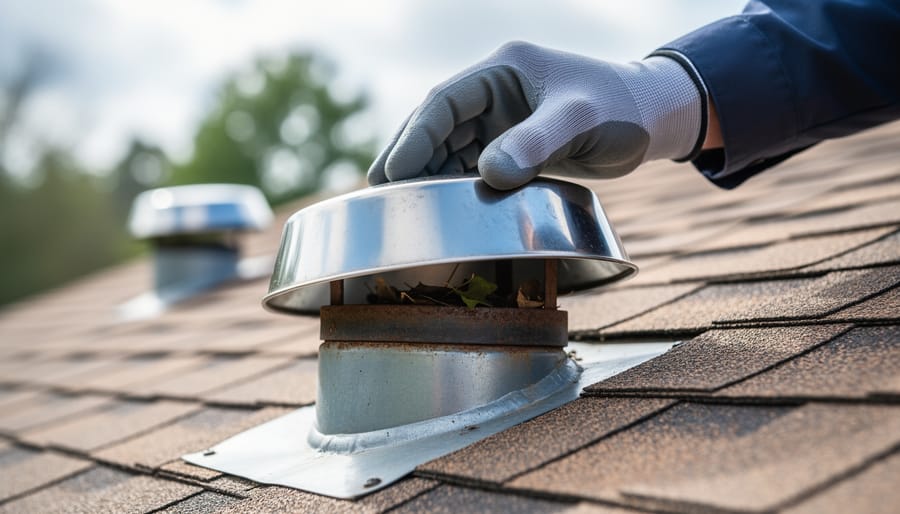
Inspect your B-vent termination cap seasonally for bird nests, leaves, or debris blocking the outlet, as even partial obstructions force dangerous gases back into your living space. Check that all pipe sections remain properly connected with secure fasteners, since vibrations and house settling can loosen joints over time.
Understanding your B-vent system empowers you to maintain a warm, inviting atmosphere while protecting your household from carbon monoxide exposure. Unlike traditional masonry chimneys, these engineered systems offer efficient, eco-friendly heating when properly maintained, combining modern convenience with responsible energy use. The key lies in recognizing that your B-vent flue isn’t just a pipe—it’s a precision ventilation system that deserves regular attention and respect.
What Makes B-Vent Flues Different from Other Venting Systems
The Double-Wall Design That Keeps Your Home Safe
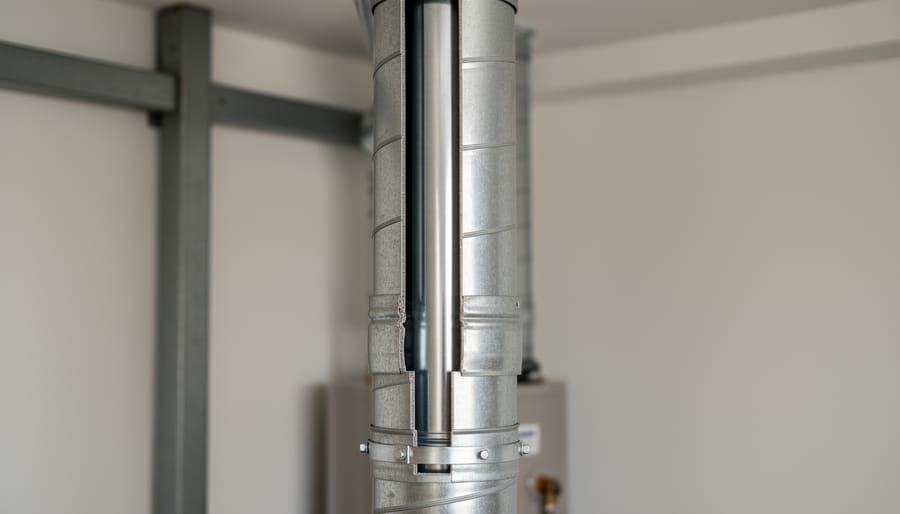
Think of a B-vent flue as a pipe within a pipe, a clever design that’s been keeping homes safe for decades. The inner pipe carries those hot combustion gases from your gas fireplace or furnace up and out of your home, while the outer pipe acts as a protective shield. But here’s where it gets really interesting: the space between these two walls isn’t just empty space. It’s actually working hard to protect your home.
As those hot gases rise through the inner pipe, fresh air gets pulled down through the gap between the walls. This constant air circulation serves as a natural cooling system, keeping the outer pipe’s temperature low enough that it won’t damage your wood framing, insulation, or other combustible materials in your walls and ceiling. It’s like having a built-in safety buffer that’s always on the job.
This double-wall design is precisely why B-vent systems can be installed closer to combustible materials than single-wall pipes, making them a practical choice for many homes. The outer pipe typically stays cool enough to touch, even when your fireplace is creating that cozy warmth you love.
Understanding this design helps you appreciate why maintaining both walls matters so much. Any damage to either pipe, any blockage in that crucial air space, or improper installation can compromise this safety system. That’s why regular inspections aren’t just recommended, they’re essential for keeping your home and family protected while you enjoy the comfort of your fireplace.
Where B-Vent Systems Work Best (And Where They Don’t)
B-vent systems shine in certain applications where they bring reliable performance and cost-effectiveness to your home heating setup. They work beautifully with traditional gas fireplaces, serving as the heart of cozy living spaces where families gather on chilly evenings. You’ll also find them performing admirably with gas-fired water heaters and furnaces, particularly in homes where these appliances operate at lower temperatures.
The key to B-vent success lies in understanding its sweet spot: medium-efficiency appliances that generate naturally buoyant exhaust gases. When properly installed, B-vent gas fireplace ventilation creates a gentle, consistent draft that safely carries combustion byproducts outside your home. These systems work especially well in homes with adequate indoor air for combustion and relatively mild climates.
However, B-vents aren’t the right choice for every situation. High-efficiency appliances that extract more heat from fuel produce cooler exhaust gases that won’t rise effectively through a B-vent system. If you’re looking at condensing furnaces or modern high-efficiency units, you’ll need direct-vent or power-vent systems instead. Similarly, extremely cold climates present challenges, as frigid temperatures can interfere with proper drafting.
Homes built with tight construction standards may also struggle with B-vent systems, as these installations draw combustion air from inside your home. In such cases, direct-vent systems that pull air from outside offer a safer, more eco-friendly solution that won’t compromise your indoor air quality or energy efficiency.
The Most Common B-Vent Flue Problems Homeowners Face
Backdrafting: When Dangerous Gases Enter Your Home
Backdrafting occurs when combustion gases that should be venting safely up your B-vent flue reverse direction and flow back into your living space. Think of it as your fireplace essentially breathing the wrong way, pulling dangerous exhaust gases into your home instead of sending them outside where they belong.
Several factors can trigger this hazardous situation. Improper installation tops the list, particularly when the vent isn’t sized correctly or lacks adequate vertical rise. Negative pressure in your home creates another common culprit. This happens when exhaust fans, clothes dryers, or even a powerful range hood compete for air, essentially sucking the oxygen from your space and reversing the natural draft. Blockages from bird nests, debris, or excessive creosote buildup can also force gases backward.
Recognizing the warning signs could save your family’s health. Watch for black soot marks around your fireplace opening or on nearby walls. A smoky smell when your fireplace operates signals trouble. Most critically, pay attention if your carbon monoxide detector sounds an alarm, as backdrafting creates serious carbon monoxide risks.
If you suspect backdrafting, take immediate action. Extinguish the fire, open windows for ventilation, and evacuate if your CO detector activates. Never ignore these symptoms or attempt temporary fixes. Contact a certified chimney professional to inspect your system, identify the root cause, and implement proper solutions before using your fireplace again.
Corrosion and Deterioration You Can’t Always See
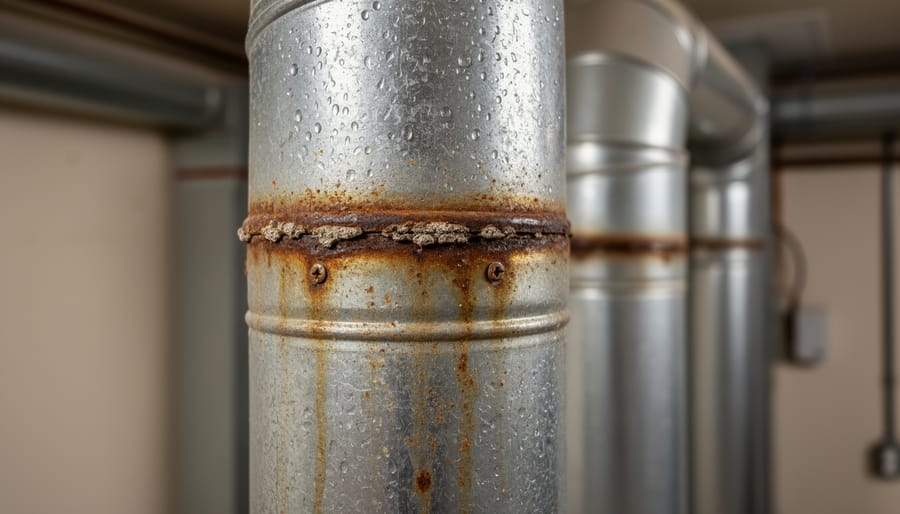
One of the trickiest aspects of B-vent systems is that some of the most serious damage happens where you can’t easily spot it. Over the years, condensation forms inside the flue as hot combustion gases cool and meet cold metal surfaces. This moisture, combined with acidic byproducts from burning natural gas or propane, creates a corrosive environment that gradually eats away at the metal from the inside out.
This deterioration is especially common in older systems or those that weren’t properly sized for the appliance they serve. You might notice rust stains on the outside of your chimney or around the base where the B-vent connects to your fireplace. Sometimes you’ll spot small holes or perforation in visible sections of pipe. Flaking metal or white, powdery deposits are also telltale signs that corrosion has taken hold.
The real concern is that compromised B-vent can allow dangerous carbon monoxide to leak into your living spaces rather than safely venting outside. If your system is more than 15-20 years old and showing visible rust, or if you notice any of these warning signs during your seasonal inspections, it’s time to consult a professional about replacement. Modern B-vent materials and proper installation can restore both safety and efficiency to your home heating setup.
Installation Mistakes That Create Long-Term Headaches
Even the best B-vent system won’t perform properly if it’s installed incorrectly. Unfortunately, installation mistakes are surprisingly common and can create problems that persist for years.
One of the most frequent errors involves termination height. Your B-vent flue needs to extend at least three feet above the roof penetration and two feet higher than any roof surface within ten feet. Cutting corners here creates backdraft issues and potentially dangerous exhaust spillage into your home.
Incorrect pipe sizing is another headache-inducer. Each appliance requires specific flue dimensions based on its BTU output. Using undersized pipes restricts airflow and causes incomplete combustion, while oversized pipes prevent proper draft formation. Both scenarios compromise your fireplace’s efficiency and your family’s safety.
Missing components like the draft hood connector or storm collar might seem minor, but they’re essential for proper operation and weatherproofing. Similarly, damaged sections with dents, rust, or separated joints disrupt the critical air circulation that makes B-vent systems work.
Finally, watch for excessive horizontal runs. B-vent systems need mostly vertical routing to maintain proper draft. Too much horizontal piping, especially without adequate pitch, allows condensation buildup and restricts exhaust flow. These installation shortcuts might save time initially, but they’ll cost you comfort and safety down the road.
Essential B-Vent Flue Maintenance for Peace of Mind
Your Seasonal Inspection Checklist
Regular seasonal inspections of your B-vent flue help ensure your fireplace remains a safe, welcoming centerpiece in your home. Think of it as a health check-up for your heating system—a little preventive care goes a long way.
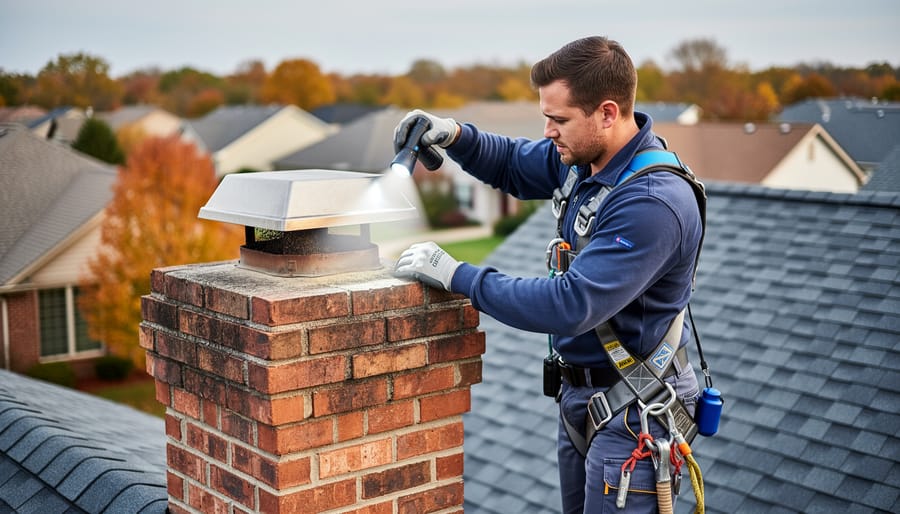
Start your inspection from the outside by examining the flue cap. Look for visible rust, dents, or damage that might compromise its protective function. Check that the cap sits securely and hasn’t shifted during storms. While you’re up there (or better yet, using binoculars from the ground), scan for signs of birds’ nests or other animal intrusions that could block proper venting.
Inside your home, carefully examine visible sections of the B-vent pipe. Run your eyes along all connections, ensuring they’re tight and properly secured with no gaps. Loose joints can allow dangerous combustion gases to escape into your living space. Check the clearances between the vent pipe and any combustible materials—these distances matter for safety and should match manufacturer specifications.
Look for rust spots, corrosion, or discoloration on the pipe surface. Minor surface rust might be cosmetic, but extensive corrosion signals it’s time for professional evaluation. Similarly, inspect the pipe for any warping or buckling, which indicates overheating problems.
What you can handle yourself: visual checks, cleaning accessible exterior surfaces, and noting any concerns. When to call a professional: anytime you spot rust, loose connections, blockages, structural damage, or if you’re uncomfortable climbing ladders. Annual professional inspections complement your seasonal checks, ensuring your fireplace remains both an eco-friendly heating solution and a cozy gathering spot for years to come.
Cleaning Your B-Vent System the Right Way
Good news for busy homeowners: cleaning a B-vent system is considerably less demanding than traditional chimney maintenance. Unlike wood-burning chimneys that accumulate creosote and ash, B-vent systems running on natural gas or propane produce minimal residue. However, regular cleaning remains important for optimal performance and safety.
Most B-vent systems need professional inspection and cleaning every one to two years, depending on usage. If you use your gas fireplace daily throughout winter, annual cleaning makes sense. Lighter users can typically extend this to every two years without concern.
The cleaning process itself is straightforward. Since there’s no creosote buildup to worry about, technicians primarily check for dust, debris, spider webs, or small animals that might have wandered into the system during off-seasons. A specialized brush designed for metal venting and a vacuum with appropriate attachments handle most cleaning needs.
While you can perform basic visual inspections yourself by examining the visible portions of your B-vent pipe, professional cleaning is recommended. Technicians have the proper tools and expertise to check the entire system, including hard-to-reach connections and the termination cap. They’ll also verify proper clearances and seal integrity, ensuring your system continues providing efficient, eco-friendly heating for years to come. This modest investment in maintenance protects both your comfort and your home.
When to Call a Professional Inspector
While DIY maintenance keeps your B-vent system running smoothly, certain situations call for professional expertise. Schedule an inspection when moving into a new home to ensure the previous owner maintained the system properly and verify it meets current safety standards. After any home renovations, especially work affecting your roof, attic, or fireplace room, have a certified inspector examine your B-vent for damage or displacement.
If you notice persistent odors, visible rust, or soot buildup despite regular cleaning, don’t delay in calling a professional. Annual inspections are ideal timing for busy homeowners who want to maintain their heating system as both a reliable warmth source and a beautiful lifestyle element.
A thorough professional inspection includes examining the entire vent run from appliance to termination cap, checking for proper clearances, testing draft performance, and verifying secure connections. Expect your inspector to use specialized cameras for hard-to-reach areas and provide a detailed report of findings. This investment protects your family’s safety while ensuring your fireplace remains an eco-friendly heating solution that enhances your home’s ambiance for years to come.
Making Your B-Vent System More Efficient and Eco-Friendly
Upgrading Components for Better Performance
Upgrading your B-vent system with modern components can significantly enhance your fireplace’s performance while keeping your home safer and more energy-efficient. Today’s advanced B-vent caps feature improved weatherproofing and better draft control, preventing downdrafts that can send smoke back into your living space. These caps are engineered to handle wind from multiple directions, ensuring consistent venting even during stormy weather.
Modern dampers designed specifically for B-vent systems offer precise control over airflow, helping you maintain optimal combustion efficiency. Unlike older models, contemporary dampers seal more effectively when your fireplace isn’t in use, preventing heated air from escaping up the flue and reducing your energy bills. This upgrade transforms your fireplace into a more eco-friendly heating solution by minimizing wasted energy.
Termination caps have also evolved considerably, now meeting stricter building codes while providing superior protection against rain, snow, and debris. Many newer terminations include built-in spark arrestors and animal guards, adding layers of safety and peace of mind. When selecting upgraded components, ensure they’re UL-listed and compatible with your existing B-vent system. Professional installation guarantees proper fit and code compliance, protecting both your investment and your family’s safety.
Balancing Your B-Vent Fireplace with Whole-Home Heating
Your B-vent fireplace can be a smart partner in your whole-home heating strategy when used thoughtfully. Rather than heating your entire home to 72 degrees, try setting your central thermostat to 65-68 degrees and using your gas fireplace to warm the rooms where your family actually spends time. This zone heating approach can significantly reduce your energy bills while keeping everyone cozy.
The key is understanding that your B-vent system works most efficiently when your flue is properly maintained. A clean, well-functioning flue ensures complete combustion, which means you’re getting maximum heat from every bit of gas burned while minimizing wasted energy up the chimney. This efficiency translates directly to lower utility costs and a smaller carbon footprint.
Consider running your fireplace during peak family hours in the evening, then letting your central system maintain overnight temperatures. Many homeowners find they can reduce their furnace runtime by 30-40% during heating season by strategically using their gas fireplace as supplemental heat. This balanced approach not only saves money but also reduces wear on your primary heating system, extending its lifespan. Remember, a properly vented fireplace isn’t just about safety—it’s about making your home heating work smarter, not harder, for both your wallet and the environment.
Safety Guidelines You Can’t Afford to Ignore
Carbon Monoxide Detectors: Your First Line of Defense
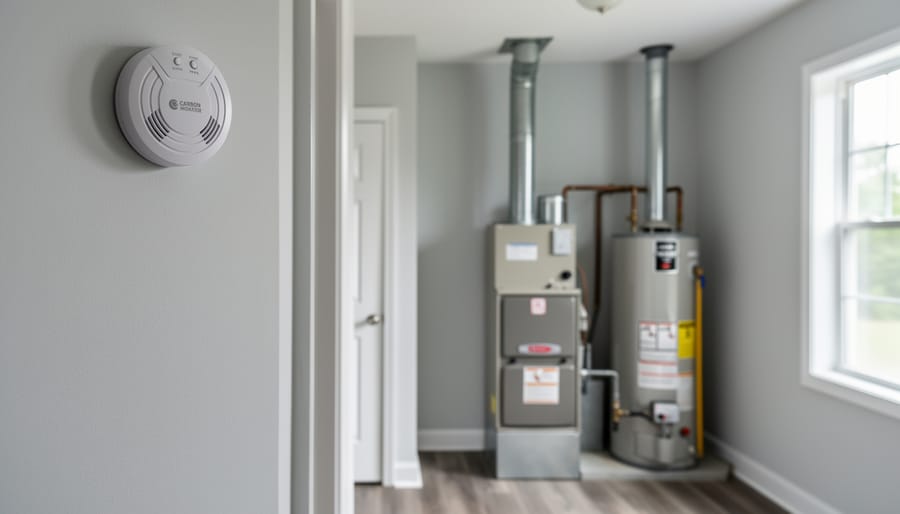
Think of carbon monoxide detectors as vigilant guardians for your home, especially when you’re enjoying the cozy comfort of gas appliances like a B-vent fireplace. Install detectors on every level of your home, particularly near sleeping areas and within 15 feet of gas appliances. Mount them at knee height, as carbon monoxide mixes with air rather than rising or sinking.
Test your detectors monthly by pressing the test button, and replace batteries twice yearly. Replace the entire unit every 5-7 years, as sensors lose effectiveness over time.
If your detector sounds, immediately move everyone outside to fresh air and call 911. Never ignore an alarm or assume it’s a malfunction. Symptoms of carbon monoxide exposure include headaches, dizziness, and nausea. This silent threat makes properly functioning detectors absolutely essential for any home with gas appliances. Your detector isn’t just a safety device; it’s your family’s lifeline, ensuring you can enjoy your fireplace’s warmth with complete peace of mind.
Clearance Requirements That Keep Your Home Safe
Your B-vent system needs proper breathing room to keep your home safe. Building codes specify minimum clearances from combustible materials like wood framing, drywall, and insulation, typically requiring at least one inch of air space around the flue pipe. These clearances aren’t arbitrary regulations—they’re life-saving guidelines designed to prevent heat transfer that could ignite surrounding materials.
When clearances are compromised, the consequences can be serious. Heat naturally radiates from your B-vent pipe, even though it runs cooler than traditional chimneys. If combustible materials sit too close, they undergo a process called pyrolysis, where prolonged heat exposure gradually lowers their ignition temperature. What seems safely warm today could become a fire hazard over years of use.
During installation or remodeling, materials sometimes shift or get added without consideration for your flue system. Insulation might be packed too tightly around the pipe, or renovations could bring new framing closer than safe. Regular visual inspections of accessible portions of your B-vent, especially in attics and crawl spaces, help catch these issues before they become dangerous. Remember, maintaining proper clearances protects both your family and your investment in comfortable, eco-friendly home heating.
Your B-vent flue system is more than just a series of pipes – it’s the guardian of your home’s comfort and safety. When properly maintained, this hardworking ventilation system quietly does its job year after year, allowing you to enjoy those cozy evenings by the fire without worry. The peace of mind that comes from knowing your system is operating safely and efficiently is truly priceless.
Taking action today means protecting your investment and your family tomorrow. Schedule that annual inspection you’ve been putting off, mark your calendar for regular visual checks, and address any concerns promptly. Remember, a small investment in preventive maintenance now can save you from costly repairs or dangerous situations down the road.
Think of your B-vent system as a partner in creating the warm, inviting atmosphere that makes your house a home. With proper care and attention, it will continue delivering reliable, eco-friendly heating for decades to come. The gentle warmth radiating from your fireplace, the peaceful crackling of flames, and the comfort of knowing everything is working safely – that’s the reward for being a responsible homeowner. Don’t wait until problems arise; embrace proactive maintenance and enjoy countless seasons of worry-free warmth.