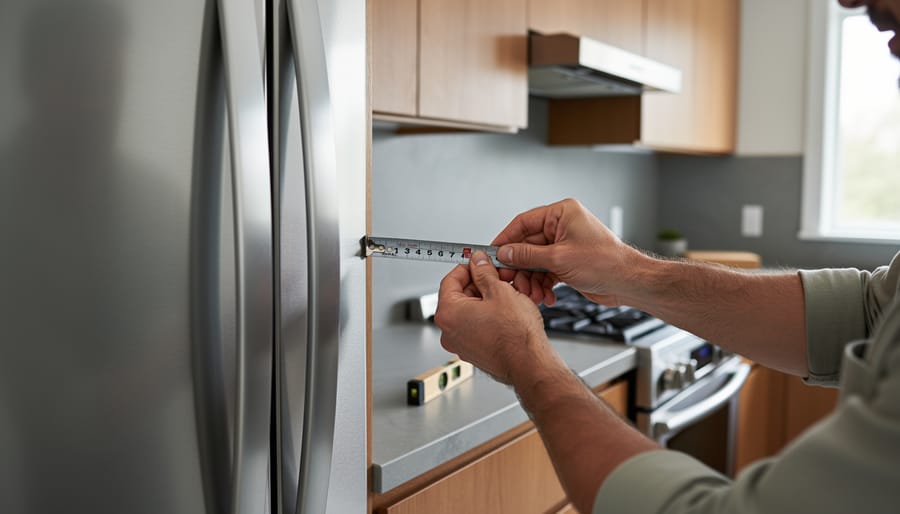


Measure the exact space where your GE appliance will sit before you shop, accounting for door swing clearance, adjacent cabinet widths, and the recommended breathing room behind and beside the unit. Most GE refrigerators need at least one inch clearance on sides and two inches at the back, while ranges typically require specific distances from combustible materials. Pull out your tape measure and record the height, width, and depth of your opening, then check these numbers against GE’s published specifications to avoid costly returns or renovation delays.
Download the complete specification sheet directly from GE’s website by entering your model number into their product support page, which provides detailed measurements, electrical requirements, and installation clearances in an easy-to-read format. These sheets typically include cutout dimensions, which differ from the appliance’s external measurements and determine whether your cabinetry needs modification. Pay special attention to the electrical specifications, whether you need a 110V or 220V outlet, the amperage requirements, and whether gas models need a specific BTU rating from your supply line.
Verify your home’s utility connections match the appliance requirements before delivery day, since upgrading electrical circuits or gas lines adds both time and expense to your project. When choosing kitchen appliances, understanding specifications prevents installation surprises. Check that your water line pressure falls within GE’s recommended range for dishwashers and refrigerators with ice makers, and confirm your ventilation system meets the CFM requirements for range hoods. Having these details confirmed beforehand transforms what could be a stressful installation into a smooth, professional experience that gets your kitchen functioning exactly as planned.
What Makes GE Appliance Specifications Different
When you’re planning your dream kitchen, understanding GE appliance specifications isn’t just about reading numbers on a page. GE takes a distinctive approach to how they document their appliances, and knowing these quirks can save you from costly surprises during installation.
Unlike some manufacturers who provide minimal measurements, GE tends to offer comprehensive specification sheets that include not just the appliance dimensions, but also detailed cutout sizes, clearance requirements, and even weight distributions. This thorough documentation reflects their commitment to helping homeowners and installers get it right the first time. However, this abundance of information can feel overwhelming if you’re not sure what to look for.
One area where GE stands apart is their sizing conventions. While industry standards typically measure appliances in nominal sizes (like a 30-inch range), GE provides both nominal and actual dimensions. The difference matters more than you might think. That 30-inch range might actually measure 29.875 inches wide, which becomes critical when you’re working with tight cabinet spaces or custom countertops.
GE also includes what they call “recommended clearances” versus “minimum clearances” in their specifications. This two-tiered approach gives you flexibility while ensuring safety. The minimum clearances meet code requirements, but the recommended measurements provide breathing room for better performance and easier maintenance. Think of it like planning space around a fireplace, where adequate clearance isn’t just about meeting requirements but creating a functional, comfortable environment.
Another unique aspect is GE’s detailed utility connection specifications. They don’t just tell you that an appliance needs a 240-volt connection; they specify the exact amperage, whether a neutral wire is required, and the recommended circuit breaker size. This level of detail helps prevent installation delays and ensures your home’s electrical system can handle your new appliance safely and efficiently.
The Critical Measurements You Can’t Afford to Ignore
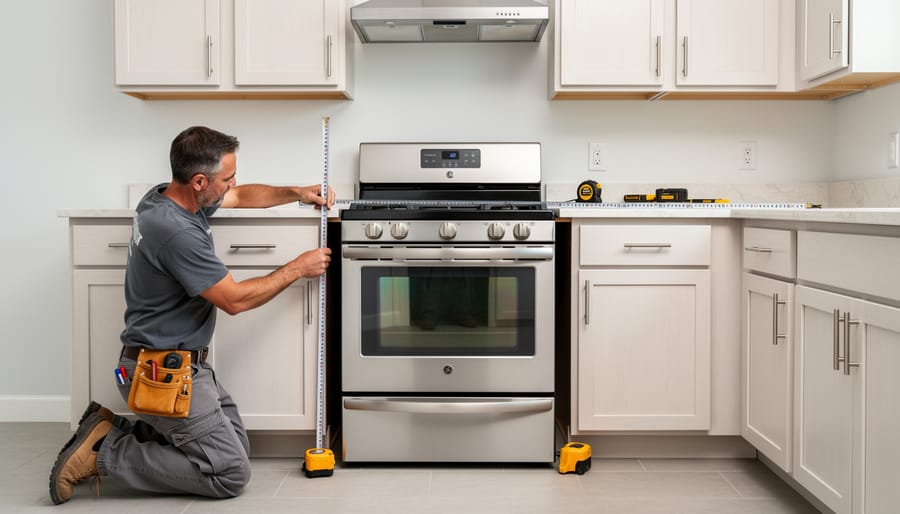
Cutout Dimensions vs. Actual Appliance Size
Understanding the difference between cutout dimensions and actual appliance size is crucial for a successful installation. Think of it this way: the appliance itself is like a picture frame, while the cutout is the space on your wall where it hangs. You need enough room for both the frame and a little breathing space.
The actual appliance size refers to the exterior dimensions of your GE range or refrigerator as it sits in your kitchen. The cutout dimension, however, is the opening you need to create in your cabinetry or wall. This space must be larger to allow for proper ventilation, electrical connections, and sometimes just to slide the appliance into place without scraping your beautiful cabinets.
For example, a GE 30-inch freestanding range typically measures 29.875 inches wide (the actual appliance), but GE recommends a 30-inch cabinet opening. The extra eighth of an inch on each side prevents a too-tight squeeze during installation. Similarly, a GE French door refrigerator might have an actual width of 35.75 inches but require a 36-inch cutout for ventilation and door swing clearance.
Here’s where things get interesting: beyond just width, you need to consider depth and height too. A slide-in range needs countertop overlap at the sides but clearance behind for the electrical outlet. Just like stove weight considerations matter for floor support, these spatial requirements ensure your appliance functions safely and efficiently. Always check GE’s specification sheet for both measurements before cutting into cabinetry or assuming your old appliance’s footprint will work for the new model.
Ventilation and Clearance Requirements
When planning your kitchen layout, proper ventilation and clearance around GE appliances isn’t just a suggestion—it’s essential for safety, efficiency, and longevity. Think of it like ensuring your fireplace has adequate airflow; without it, you’re asking for trouble.
GE specifies minimum clearances for each appliance type, and these measurements matter more than you might think. For refrigerators, you’ll typically need at least one inch of space on each side and two inches in the back. This breathing room allows heat from the compressor to escape efficiently, much like how proper ventilation keeps your heating systems running smoothly. Without adequate clearance, your refrigerator works harder, consumes more energy, and wears out faster—the opposite of the eco-friendly approach we advocate for all home systems.
Ranges and cooktops require even more careful attention to appliance spacing requirements. GE generally recommends 30 inches of clearance above cooktops to combustible surfaces unless you’re using a specially rated range hood. Side clearances typically range from zero to six inches depending on the model and adjacent materials. These specifications protect your cabinetry from heat damage and reduce fire risk.
Dishwashers need minimal side clearance but require proper ventilation underneath and behind to prevent moisture buildup. Over-the-range microwaves must align with specific height requirements—usually 13 to 16 inches above the cooktop surface.
Always consult your specific model’s installation guide, as requirements vary. Cutting corners on clearances compromises performance, safety, and warranty coverage. Just as you wouldn’t compromise on fireplace safety standards, don’t skimp on appliance ventilation requirements.
Door Swing and Handling Space
When planning your GE appliance installation, don’t forget about the space needed when doors are actually open. A refrigerator door typically swings out in a 90-degree arc, requiring clearance of 24 to 36 inches from the hinge side. This becomes especially important in galley kitchens or when appliances sit near walls or islands.
French door refrigerators need less swing space per door but require room for both doors to open simultaneously. Range oven doors pull down and extend outward 20 to 24 inches, so you’ll want at least 30 inches of clear floor space in front for safe access when removing hot dishes.
Handle protrusion adds another 2 to 4 inches to your appliance’s footprint, which matters when calculating walkway clearances. For comfortable kitchen flow, aim for at least 42 inches between your appliance handles and any opposing cabinets or islands. If you’re working with tighter spaces, 36 inches is the minimum recommended clearance.
Consider how drawers, dishwasher doors, and adjacent cabinet doors might conflict when opened together. Much like planning proper clearances around a cozy gathering space, thoughtful appliance placement ensures your kitchen functions smoothly for years to come.
Power and Utility Connection Specs That Impact Your Home
Electrical Requirements and Circuit Needs
Understanding your electrical needs before purchasing GE appliances can save you from unexpected installation costs and delays. Just like planning the perfect fireplace installation requires knowing your home’s structure and power capabilities, selecting the right appliances means ensuring your electrical system can support them safely and efficiently.
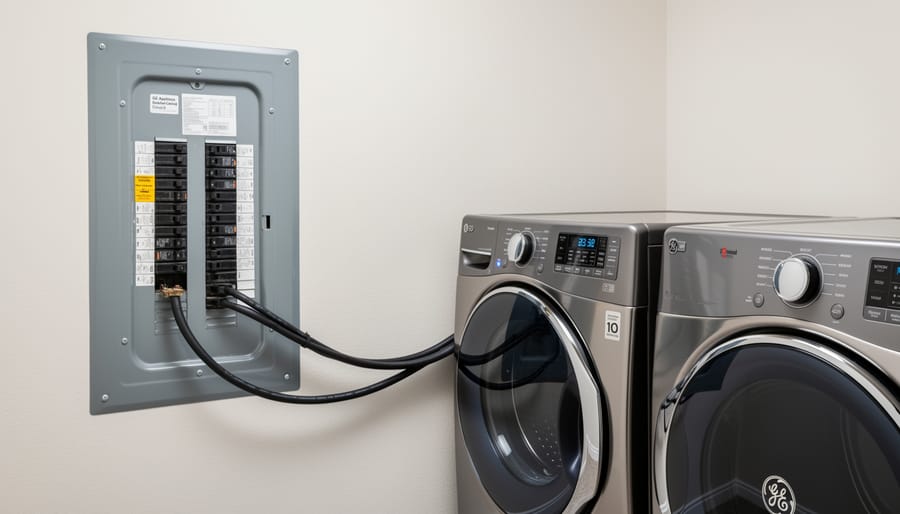
Most GE refrigerators operate on standard 120-volt household current and draw between 5 to 15 amps, typically working fine on a shared circuit. However, larger appliances tell a different story. GE electric ranges and wall ovens require 240-volt dedicated circuits with 40 to 50-amp capacity, which means they need their own exclusive power line running directly from your electrical panel. Think of it like giving your appliance its own dedicated pathway, similar to how a gas fireplace needs its own gas line.
GE dishwashers usually run on 120 volts and need 15 to 20 amps, and building codes typically require a dedicated circuit for these as well. Electric dryers follow the same pattern as ranges, demanding 240 volts and a dedicated 30-amp circuit. Microwaves generally work with standard 120-volt outlets but perform best on their own 20-amp circuit to prevent tripping breakers during operation.
When discussing your kitchen plans with an electrician, bring the specific model numbers you’re considering. The electrical requirements appear clearly in each appliance’s specification sheet, usually listed under “Electrical Connection” or “Power Requirements.” Your electrician will verify whether your current panel has capacity for additional circuits or if upgrades are necessary. This proactive approach ensures your new appliances operate efficiently and safely, much like proper ventilation planning ensures your home’s heating systems work at their best.
Gas and Water Connection Specifications
Getting your GE appliances connected safely starts with understanding the utility requirements—much like ensuring your home’s heating system has proper ventilation and fuel supply. Let’s walk through what you need to know.
For gas ranges and cooktops, GE typically requires a 1/2-inch gas supply line with a manual shutoff valve located within 6 feet of the appliance. Your home’s gas pressure should fall between 4 and 13 inches of water column, depending on whether you’re using natural gas or LP (propane). The connection point is usually at the back of the range, positioned to allow some flexibility during installation. Think of it like routing a gas line to a fireplace insert—precision matters, but there’s room to work within safe parameters.
Water connections for GE dishwashers need steady pressure between 20 and 120 psi, with 120°F hot water delivering the best cleaning results. The water inlet is typically located at the front left or right corner beneath the unit, with a 3/8-inch compression fitting. You’ll want the shutoff valve accessible but tucked away—usually under the kitchen sink.
Here’s a practical tip: before finalizing your appliance purchase, have a plumber verify your existing gas line size and water pressure. Upgrading from a smaller gas line or installing a pressure regulator is far easier before installation day. Many homeowners discover these requirements late, causing delays and added expense. Planning ahead ensures your new GE appliances operate efficiently and safely, giving you the same peace of mind you’d expect from any well-designed home comfort system.
How GE Specs Connect to Your Overall Kitchen Design
Just as understanding fireplace specifications ensures your heating solution integrates seamlessly with your home’s architecture and lifestyle needs, knowing your GE appliance specifications creates the foundation for a kitchen that truly works for you. When you grasp the critical measurements and requirements, you’re not just buying appliances—you’re orchestrating a space where form meets function beautifully.
Think about it this way: a fireplace needs proper clearances, venting, and fuel connections to operate safely and efficiently. Your kitchen appliances require the same thoughtful approach. That 36-inch refrigerator isn’t just a number on paper—it determines whether you’ll have comfortable workspace beside it or feel cramped every time you cook. The counter depth specification affects traffic flow, just like proper hearth dimensions influence how you gather around a fire.
Understanding GE specifications empowers you during kitchen layout planning, much like choosing between a traditional wood-burning fireplace and an eco-friendly electric model shapes your living space. When you know your wall oven requires 240 volts and specific amperage, you can plan electrical work during renovation rather than facing costly surprises later. Similarly, verifying your dishwasher’s water inlet location prevents installation headaches down the road.
These specifications also guide aesthetic cohesion. Matching cabinet panel specifications to your GE dishwasher creates that seamless, built-in look many homeowners desire—comparable to selecting a fireplace surround that complements your room’s character. Even seemingly minor details, like handle styles across your appliance suite, contribute to visual harmony.
Most importantly, proper specification planning creates a kitchen that adapts to your lifestyle. Whether you’re passionate about gourmet cooking or prioritize energy-efficient solutions for sustainable living, understanding what each GE appliance offers helps you make informed choices. Your kitchen becomes more than functional—it becomes a gathering place with the same welcoming warmth you’d expect from a well-designed fireplace, tailored precisely to how you live.
Energy Efficiency Ratings and What They Mean for Your Home
When you’re investing in new GE appliances, understanding energy efficiency ratings isn’t just about choosing eco-friendly options—it’s about making smart financial decisions for your home. Just as you’d consider the efficiency of a modern fireplace insert versus an older model, knowing how to read appliance energy ratings helps you understand the long-term value of your purchase.
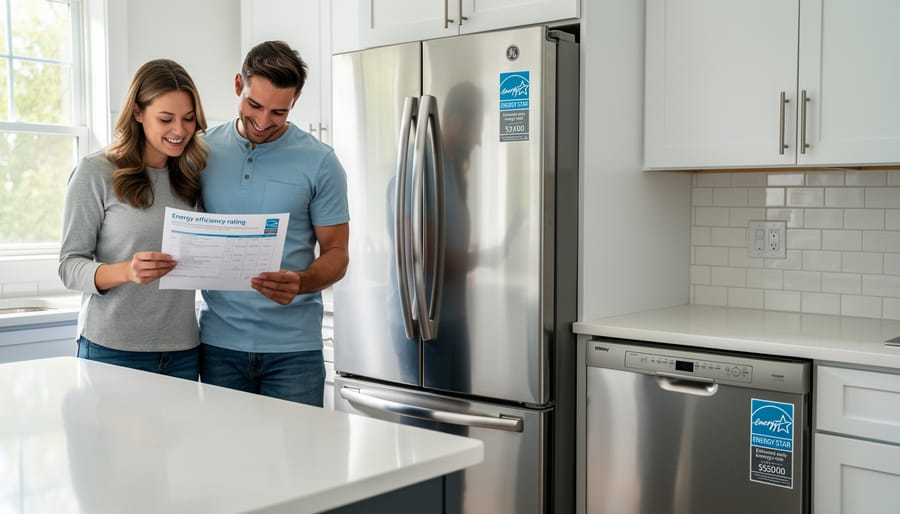
GE appliances that carry the Energy Star certification meet strict energy efficiency guidelines set by the EPA. You’ll typically find these ratings on a bright yellow EnergyGuide label attached to new appliances. This label shows estimated yearly energy consumption in kilowatt-hours (kWh) and projected annual operating costs, giving you a clear picture of what to expect on your utility bills.
For perspective, an Energy Star certified GE refrigerator uses about 15% less energy than models that simply meet federal minimum standards. Over the appliance’s lifetime, this translates to hundreds of dollars in savings. Similarly, an efficient GE dishwasher might use only 270 kWh annually compared to 330 kWh for standard models—a difference that adds up month after month.
The energy consumption impact becomes even more meaningful when you consider your entire home ecosystem. Just as upgrading to an efficient gas fireplace reduces heating costs while maintaining ambiance, choosing energy-efficient appliances creates a ripple effect throughout your household budget.
Beyond cost savings, these ratings reflect your environmental footprint. Lower energy consumption means reduced greenhouse gas emissions, connecting your kitchen choices to broader sustainability goals. When reviewing GE specifications, look for the blue Energy Star logo and compare the EnergyGuide numbers across similar models to make informed decisions that benefit both your wallet and the planet.
Where to Find Accurate GE Specifications (And How to Read Them)
Finding accurate GE appliance specifications doesn’t have to feel like deciphering an ancient manuscript. The most reliable source is GE’s official product pages, where you can download complete spec sheets as PDFs. Simply search for your model number, which you’ll find on the appliance’s rating plate or in your owner’s manual, and look for the “Specifications” or “Dimensions and Installation Information” download link.
When you open that spec sheet, you’ll notice GE organizes information into clear sections: overall dimensions, cutout dimensions, clearance requirements, and utility connections. Pay close attention to the difference between the appliance’s actual size and the required cutout or installation space. Just as you’d carefully measure your fireplace opening before ordering a new insert, precision matters here. A common mistake is measuring only the appliance itself and forgetting about ventilation clearances, which can lead to costly modification work later.
Look for the installation diagrams near the back of the spec sheet. These visual guides show exactly where connections need to be and how much breathing room your appliance needs. GE typically includes both minimum and recommended clearances, and going with the recommended measurements gives you flexibility for future maintenance access.
One critical tip: always download the spec sheet for your exact model number, not just a similar-looking appliance. Even models that appear identical might have different depth requirements or electrical needs. When planning your space, treat these specifications as non-negotiable starting points, much like how proper chimney dimensions ensure safe fireplace operation. Taking this careful approach now saves headaches during installation and ensures your kitchen functions beautifully for years to come.
Just as you wouldn’t install a fireplace without carefully measuring your space and understanding ventilation requirements, bringing a new GE appliance into your home deserves the same thoughtful planning. Taking the time to thoroughly review specifications before making your purchase isn’t just smart—it’s essential for avoiding costly mistakes and ensuring your kitchen renovation goes smoothly.
Think of spec sheets as your roadmap to success. They tell you whether that beautiful range will actually fit in your designated space, if your electrical system can handle the load, and what clearances you need to maintain for safe operation. This careful attention to detail creates a kitchen that functions beautifully and safely, much like how proper planning creates the perfect ambiance with your home’s heating solutions.
Before you make your final decision, measure your space twice, verify your utility connections, and download those spec sheets directly from GE’s website. Don’t hesitate to consult with a professional installer if you’re uncertain about electrical capacity or gas line requirements. Consider creating a checklist that includes dimensions, clearances, utility requirements, and any special installation needs.
Remember, a well-planned appliance installation contributes to your home’s overall comfort and efficiency—values that align perfectly with thoughtful home improvements. Your kitchen should bring the same warmth and satisfaction to your daily life as a crackling fire brings to a winter evening. Invest the time upfront, and you’ll enjoy years of trouble-free performance.