

The question of whether your fireplace counts as an appliance isn’t just semantics—it directly impacts your home insurance coverage, property tax assessment, and installation permit requirements. The answer depends entirely on which type of fireplace you own and how your local jurisdiction defines “appliance” in their codes.
Traditional masonry fireplaces built into your home’s structure typically don’t qualify as appliances because they’re permanent architectural features. However, gas fireplace inserts, electric units, and freestanding wood stoves almost always fall under appliance classifications since they’re manufactured products with mechanical components that can be installed, serviced, or removed.
This distinction matters when you’re filing insurance claims for damage, applying for installation permits, or negotiating home sale terms. Appliances often require different coverage than structural elements, may need certified installation by licensed professionals, and can affect your home’s assessed value differently than built-in features.
Understanding how your specific fireplace is classified helps you navigate conversations with insurance agents, contractors, and home inspectors with confidence. Whether you’re drawn to the crackling authenticity of wood-burning warmth or exploring eco-friendly heating solutions like high-efficiency gas models, knowing the legal and financial framework ensures you’re making informed decisions that protect both your investment and your family’s comfort.
The Appliance Definition Problem
What Building Codes Actually Say
The International Residential Code (IRC) draws a clear distinction that many homeowners find surprising. According to the IRC, traditional masonry fireplaces are classified as permanent building features, not appliances. Think of them like your home’s foundation or walls—they’re part of the structure itself. However, factory-built fireplaces, inserts, and freestanding units fall under appliance classification because they’re manufactured, tested products that can be replaced or removed.
This matters more than you might think. Building codes require masonry fireplaces to meet specific construction standards, including proper clearances, hearth dimensions, and chimney requirements. Factory-built units must carry UL listing and follow manufacturer installation specifications. Your local building department treats these differently during inspections and when issuing permits.
Here’s where it gets practical: most municipalities require permits for both types, but the inspection process varies. A masonry fireplace needs structural approval during construction, while a factory-built model requires verification of proper clearances and venting. Understanding fireplace regulations in your area helps ensure your installation meets code, protects your home’s value, and keeps your family safe while enjoying that cozy warmth you’re after.
How Insurance Companies View Your Fireplace
When it comes to your homeowner’s insurance policy, the classification of your fireplace can significantly impact your coverage and premiums. Insurance companies typically evaluate fireplaces based on their risk profile rather than getting caught up in whether they’re technically appliances or fixtures.
Most insurers classify traditional wood-burning fireplaces and masonry chimneys as permanent structural features of your home. These are generally covered under your dwelling coverage, the part of your policy that protects the physical structure. Gas and electric fireplaces, especially freestanding models, often fall into a gray area where they might be considered built-in appliances or home systems.
Here’s why this matters for you: If your fireplace causes damage—say, a chimney fire or a gas leak—your coverage depends partly on how it’s classified and whether you’ve properly maintained it. Insurance companies want to know about fireplaces during underwriting because they represent potential fire hazards. Homes with wood-burning fireplaces may face slightly higher premiums due to increased risk, while modern eco-friendly gas or electric models might have minimal impact on your rates.
Always disclose all fireplace types to your insurer and ask specifically how they’re classified in your policy. This transparency ensures you’re adequately covered and helps prevent claim denials down the road.
When Your Fireplace IS Considered an Appliance
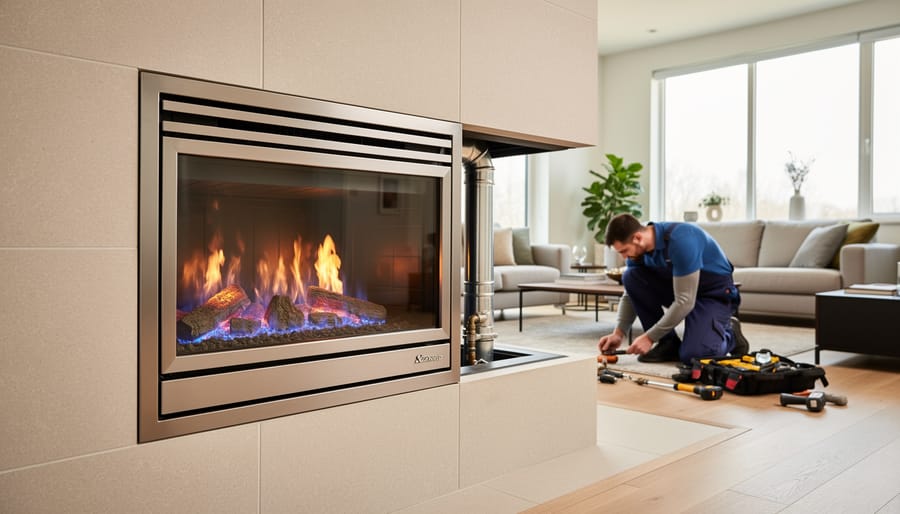
Gas Fireplace Inserts and Direct-Vent Models
When it comes to gas fireplace inserts and direct-vent models, there’s little ambiguity: these are definitively classified as appliances in virtually every regulatory framework. Unlike traditional wood-burning fireplaces built into your home’s structure, these units are manufactured products that arrive complete and ready for installation.
The appliance classification stems from several key factors. First, these systems require professional installation with specific venting requirements and gas line connections that must meet local building codes. They’re also governed by appliance safety standards and must carry certifications from organizations like the American Gas Association. This means permits are almost always required for installation, and your homeowner’s insurance will treat them as mechanical systems rather than architectural features.
From a practical standpoint, this classification actually works in your favor. Gas units qualify for energy efficiency rebates and tax credits available to heating appliances. They’re also easier to replace or upgrade since they’re not permanently integrated into your home’s structure. When selling your home, these units add value as modern heating appliances while providing the cozy ambiance you love, making them a smart investment for both comfort and efficiency.
Electric and Bioethanol Fireplaces
When it comes to electric and bioethanol fireplaces, there’s absolutely no debate—these are undeniably appliances. Electric fireplaces plug directly into your wall outlet, just like any other household appliance. They generate heat through electrical heating elements and create flame-like effects using LED technology, making them as much an appliance as your refrigerator or dishwasher.
Bioethanol fireplaces, while using liquid fuel instead of electricity, also clearly fall into the appliance category. These innovative units burn clean bioethanol fuel and require no venting, chimney, or gas lines. Both types offer fantastic benefits for modern homeowners: easy installation, portability, and zero emissions within your home.
For insurance and permit purposes, these are always classified as appliances. This classification typically simplifies installation requirements since they don’t need extensive modifications to your home’s structure. Electric models are particularly eco-friendly when paired with renewable energy sources, while bioethanol options provide real flames without traditional fireplace emissions. Their appliance status means straightforward shopping, clear manufacturer warranties, and hassle-free setup—perfect for adding ambiance without major renovation commitments.
Prefabricated Fireplace Systems
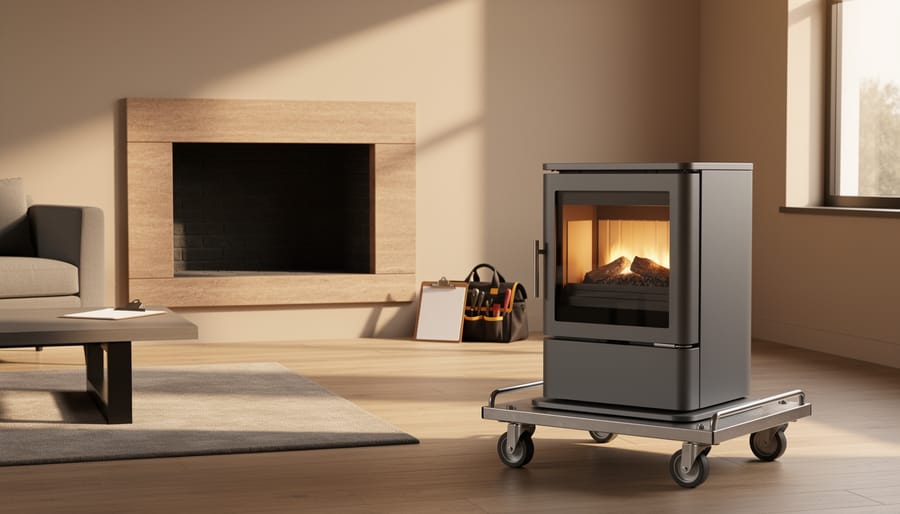
Factory-built or prefabricated fireplaces typically fall squarely into the appliance category, which is an important distinction for homeowners to understand. These systems arrive at your home as complete, self-contained units manufactured in controlled factory settings, much like your refrigerator or dishwasher.
Unlike traditional masonry fireplaces built brick-by-brick on-site, prefabricated models consist of metal fireboxes, insulated chimneys, and ventilation components designed to work as a cohesive system. This manufacturing approach means they’re regulated like appliances, requiring specific safety certifications and installation standards.
Insurance companies and building departments generally treat these units as appliances because they can be installed, replaced, or removed without major structural changes to your home. You’ll typically find model numbers, BTU ratings, and manufacturer specifications on these systems, just like any other heating appliance.
For homeowners, this classification often simplifies installation permits and insurance documentation. However, it also means you’ll need to follow manufacturer guidelines carefully and ensure proper professional installation to maintain warranties and meet safety codes.
When Your Fireplace is NOT an Appliance
Traditional Masonry Fireplaces
Traditional masonry fireplaces built with brick, stone, or other permanent materials occupy a unique category in the appliance debate. From both legal and practical perspectives, these fireplaces are generally considered structural elements rather than appliances. Here’s why this distinction matters for your home.
Unlike freestanding stoves or fireplace inserts that you could theoretically remove and take with you, a masonry fireplace is permanently integrated into your home’s architecture. The chimney, firebox, and hearth are constructed as part of the building itself, running from foundation to roofline. This permanent nature means these fireplaces typically transfer with the property during sale, just like your walls or roof.
For insurance purposes, traditional fireplaces are usually covered under your home’s structural policy rather than as separate appliances. This affects how they’re assessed for coverage and claims. When it comes to property taxes and home valuations, appraisers treat masonry fireplaces as architectural features that add to your home’s overall value and appeal, much like built-in cabinetry or architectural molding.
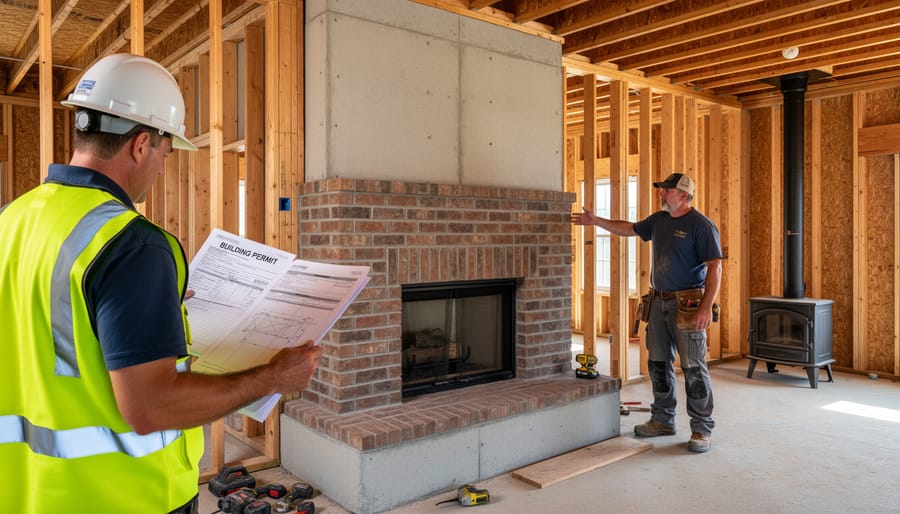
Building codes also treat them differently. While you might not need permits to install a plug-in electric fireplace, constructing a traditional masonry fireplace requires substantial permitting and inspections because you’re modifying your home’s structure. This classification actually protects homeowners by ensuring these permanent features meet rigorous safety standards for long-term use.
Outdoor Fire Features
When you step into your backyard, outdoor fire features occupy their own unique category in the appliance conversation. Outdoor fireplaces, fire pits, and chimineas typically aren’t classified as appliances in the traditional sense, though local building codes may disagree depending on your location.
Most outdoor fire features fall into the “permanent fixture” or “outdoor structure” category rather than appliances. However, built-in outdoor fireplaces with gas lines often require permits similar to indoor units, especially when they’re part of your home’s overall heating infrastructure. Freestanding fire pits and portable units generally face fewer restrictions.
From an insurance perspective, outdoor fire features are usually covered under your property policy rather than appliance coverage. Still, it’s worth checking with your insurer, particularly if you’ve invested in a high-end outdoor fireplace system. These eco-friendly heating solutions extend your living space while creating ambiance, but understanding their classification helps ensure you’re properly covered and compliant with local regulations.

Why This Classification Actually Matters to You
Permits and Installation Requirements
Whether your fireplace is classified as an appliance significantly impacts your installation journey and the permits and local regulations you’ll need to follow. Gas fireplaces, typically considered appliances, usually require licensed HVAC or gas technicians for installation, along with gas line permits and inspections to ensure safe operation. Electric fireplaces offer the simplest path, often requiring no permits since they’re plug-and-play appliances, though built-in models may need electrical permits if hardwiring is involved.
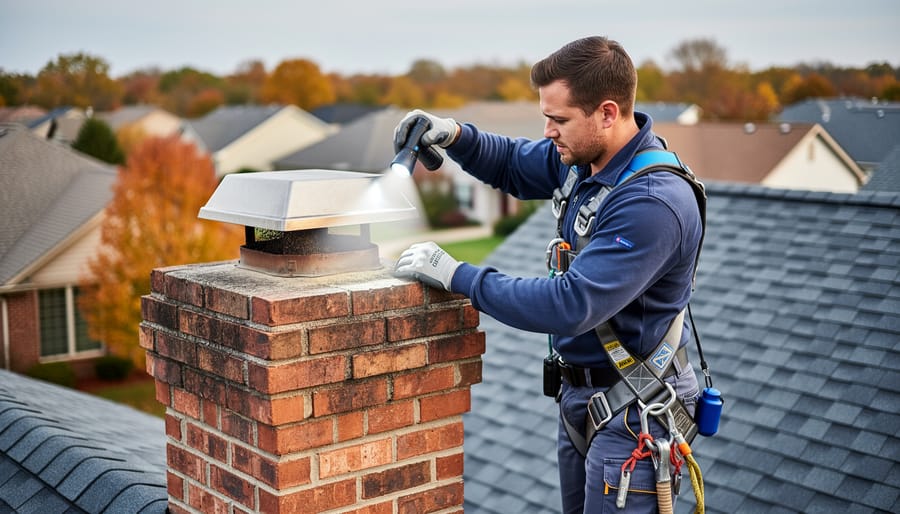
Traditional wood-burning fireplaces fall into a different category entirely. Since they’re structural features rather than appliances, you’ll need building permits, chimney inspections, and often a masonry specialist or certified chimney professional. Many municipalities have specific requirements for ventilation, clearances, and emissions standards, especially for new installations.
Ethanol and gel fireplaces occupy a middle ground, with requirements varying widely by location. Always check with your local building department before starting any fireplace project to ensure compliance and safety while protecting your investment.
Home Value and Real Estate Considerations
Whether your fireplace qualifies as an appliance can significantly impact your home’s value and how it’s presented to potential buyers. Real estate appraisers often evaluate fireplaces differently based on their type. Built-in wood-burning fireplaces typically add to your home’s architectural character and may increase property value, while standalone gas or electric units might be treated as removable appliances, similar to a refrigerator or stove.
When listing your home, understanding this distinction helps you highlight the right features. A permanent fireplace installation could be a selling point that justifies a higher asking price, while portable units might not carry the same weight in negotiations. Property tax assessors may also factor in permanent fireplace structures when determining your home’s assessed value, potentially affecting your annual tax bill. If you’re considering energy-efficient options, eco-friendly heating solutions like modern gas inserts or electric models can appeal to environmentally conscious buyers while keeping operational costs reasonable.
Maintenance and Inspection Rules
When your fireplace qualifies as an appliance, it typically faces different maintenance requirements than structural fireplaces. Gas and electric fireplace inserts generally need annual professional servicing, similar to your furnace or water heater. These safety inspections verify proper ventilation, gas line integrity, and electrical connections, and many insurance companies require documentation of these checkups.
Traditional masonry fireplaces, considered structural elements, follow building code requirements rather than appliance regulations. You’ll need chimney sweeping and inspection, but the focus shifts to structural integrity and creosote buildup rather than mechanical components.
Wood and pellet stoves must meet EPA certification standards and often require certified installer documentation for insurance purposes. Your local building department can clarify which inspection schedule applies to your specific fireplace type. Keep all service records handy, as they’re valuable for insurance claims, home sales, and ensuring your family’s safety while enjoying cozy evenings by the fire.
Smart Questions to Ask Before Installing or Buying
Before you invest in a new fireplace or begin an installation project, asking the right questions can save you from costly surprises down the road. Think of this as your financial and safety checklist to ensure everything goes smoothly.
Start by asking your contractor or installer: “How is this fireplace classified in our area, and what permits do we need?” Different municipalities have varying rules, and what’s considered an appliance in one city might not be in another. Also ask, “Will this installation require electrical or gas line work that needs separate permits?”
Your insurance agent needs to be in the loop too. Ask them directly: “Does adding this fireplace affect my homeowner’s insurance coverage or premiums?” and “Do I need to report this as an appliance or as a permanent home improvement?” These questions can prevent coverage gaps that might leave you vulnerable.
For property tax purposes, contact your local assessor’s office with this question: “Will this fireplace increase my home’s assessed value, and if so, by how much?” Understanding the tax implications upfront helps you budget appropriately.
Don’t forget about ongoing maintenance and eco-friendly operation. Ask your installer: “What annual inspections or maintenance does this fireplace require?” and “What are the most energy-efficient ways to operate this unit?” These questions ensure your fireplace remains a safe, sustainable heating solution for years to come.
Finally, if you’re buying a home with an existing fireplace, ask the inspector: “Is this unit currently up to code, and are there any safety concerns?” This protects your investment and your family’s wellbeing.
Understanding whether your fireplace qualifies as an appliance isn’t just about semantics—it has real implications for your home, your wallet, and your peace of mind. As we’ve explored, the answer truly depends on your specific fireplace type and local regulations. Gas and electric fireplaces typically fall under the appliance category, while traditional wood-burning fireplaces generally don’t. Pellet stoves and inserts often land somewhere in between, depending on how your local authorities classify them.
The good news is that you’re now equipped with the knowledge to navigate this question confidently. Before making any decisions about installation, insurance coverage, or property improvements, take the time to check with your local building department and insurance provider. They’ll give you the definitive answer for your situation. Consider consulting with a certified fireplace professional who understands both the technical requirements and local codes. This small investment in expert guidance can save you from costly mistakes down the road while ensuring your fireplace provides that warm, inviting atmosphere you’re looking for—safely and in compliance with all regulations. Your home’s warmth and your family’s safety are worth getting it right.