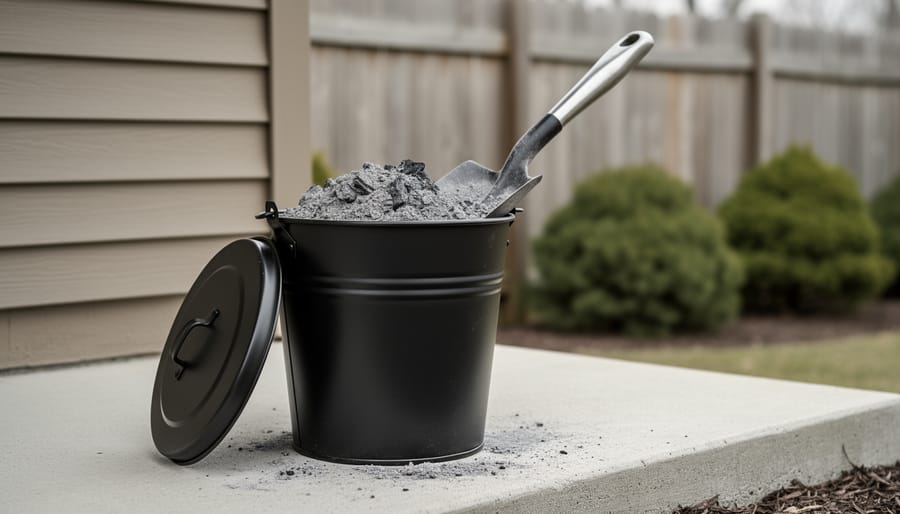


Let coal ash cool completely for at least 48 hours in the stove or fireplace before attempting any removal—hot embers can remain active far longer than you might expect and pose serious fire hazards. Store cooled ash in a metal container with a tight-fitting lid, never plastic or combustible materials, and keep it on a non-flammable surface away from your home, garage, or any wooden structures. Unlike wood ash, which gardeners often use as soil amendment, coal ash contains heavy metals and sulfur compounds that make it unsuitable for composting or spreading on lawns and gardens.
Dispose of coal ash through your regular household trash once you’ve confirmed it’s completely cold, or check with your local waste management authority about specific requirements in your area—some municipalities have designated disposal sites for coal byproducts. Understanding proper disposal becomes increasingly important as more homeowners discover coal as a heating source for its long burn times and heat output, yet many underestimate the unique handling requirements compared to traditional wood-burning systems.
The ash itself contains potentially harmful substances including arsenic, mercury, and lead, making improper disposal not just a fire risk but an environmental and health concern. This guide walks you through the complete disposal process while exploring why coal ash differs fundamentally from other fireplace byproducts, what regulations govern its handling, and how to transition toward cleaner heating alternatives that maintain the warmth and ambiance you love without the disposal complications.
Why Coal Ash Is Different From Wood Ash
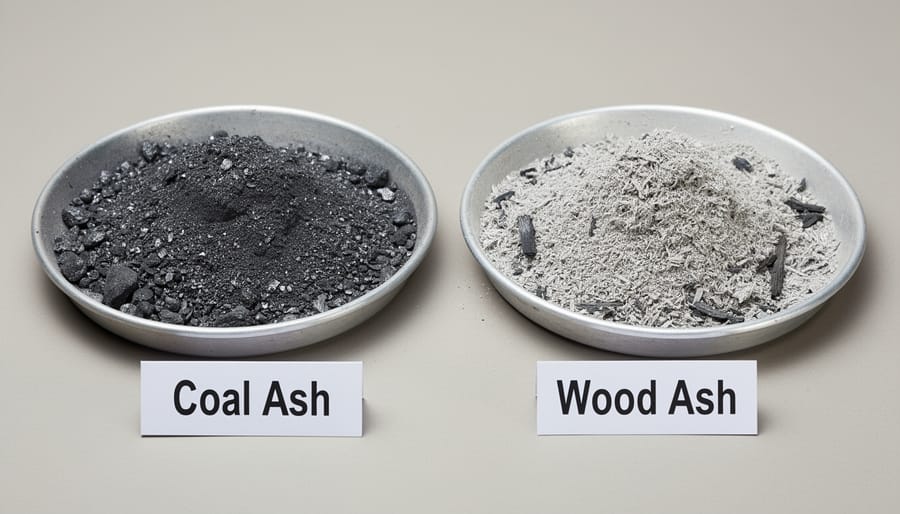
If you’ve been burning wood in your fireplace for years, you might assume coal ash can be handled the same way. Unfortunately, that’s a dangerous misconception. While wood ash has been a beloved garden amendment for generations—rich in potassium and helpful for adjusting soil pH—coal ash is an entirely different animal, and not one you want anywhere near your vegetable garden.
The critical difference lies in what’s left behind after combustion. When wood burns, it releases most of its harmful compounds as smoke, leaving behind relatively benign minerals and nutrients. Coal, however, concentrates toxic heavy metals that survive the burning process. Coal ash contains concerning levels of arsenic, lead, mercury, cadmium, and chromium—elements that pose serious health risks through skin contact, inhalation, or contamination of soil and water.
Beyond heavy metals, coal ash harbors sulfur compounds and other hazardous materials that wood ash simply doesn’t contain. These substances can leach into groundwater, contaminate gardens, and create respiratory hazards when disturbed. Even small amounts can be problematic, especially for children and pets who might come into contact with contaminated soil.
This toxic composition means coal ash requires completely different handling than its wood-burning cousin. Where you might spread wood ash around your roses or add it to your compost pile, coal ash must be contained, kept dry, and disposed of according to local regulations. There’s no repurposing it as a soil amendment, no sprinkling it on icy walkways, and certainly no casual scattering in the backyard.
Understanding this fundamental difference is your first step toward safe disposal and protecting your family’s health. While coal-burning fireplaces provided warmth for previous generations, today’s awareness of coal ash hazards makes proper handling absolutely essential for responsible homeowners.
Safe Storage Before Disposal
Cooling and Container Selection
Patience is your best friend when dealing with coal ash. Unlike wood ash, coal ash retains heat for an exceptionally long time—sometimes up to several days. Before you even think about handling it, let those embers cool completely for at least 72 hours. Yes, three full days. This waiting period isn’t just a suggestion; it’s a crucial safety measure that protects your home from potential fire hazards.
Once you’re confident the ash has cooled, it’s time to choose the right container. Metal is your only option here—specifically, a metal container with a tight-fitting lid. Think of a galvanized steel ash bucket or similar sturdy metal vessel. The lid is non-negotiable because it limits oxygen flow, which helps prevent any remaining embers from reigniting. Never use plastic buckets, cardboard boxes, or paper bags, as these combustible materials can easily catch fire if any hidden heat remains in the ash.
Place your metal container on a non-combustible surface, like concrete or stone, and keep it away from your home’s exterior walls, wooden decks, or any other flammable materials. Even after transferring the ash, avoid storing the container in garages, sheds, or near combustible items. This simple act of choosing the right container and location can mean the difference between a safe disposal process and a devastating house fire. Your home’s warmth should come from your fireplace, not from an accidental blaze.
Storage Location and Duration
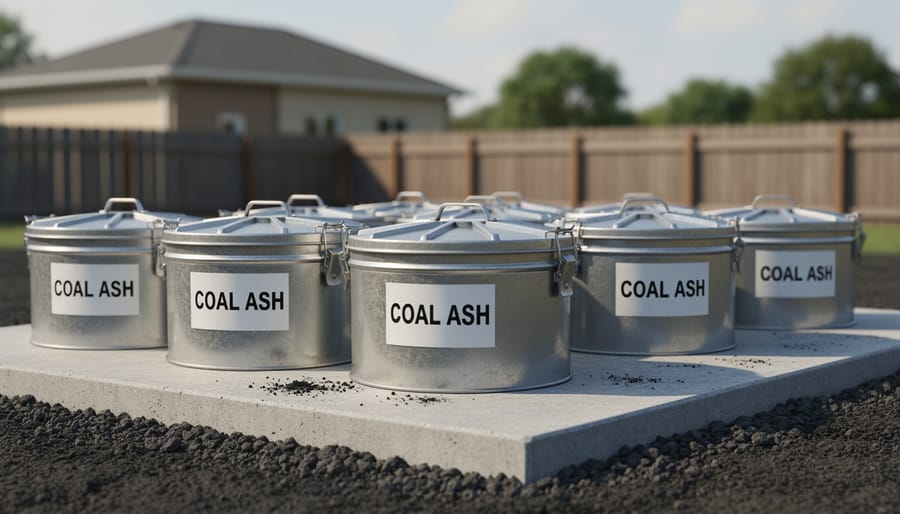
Proper storage of coal ash is critical for preventing potential fire hazards and protecting your home. Once you’ve transferred your ash to a metal container with a tight-fitting lid, the next step is finding the right spot to keep it safe.
Always place your ash container outdoors, away from your home’s exterior walls, deck, garage, or any other structures. A minimum distance of ten feet is recommended, though more distance provides additional peace of mind. The ground beneath should be non-combustible—concrete, bare soil, or gravel work well. Never store ash containers on wooden surfaces, grass, or near anything flammable like firewood stacks, dried leaves, or outdoor furniture.
Weather protection is equally important. While your metal container should be watertight, heavy rain or melting snow can potentially compromise even sealed lids. Consider placing the container under an overhang or in a sheltered area that still maintains proper distance from structures. If you live in a windy area, ensure the container is stable and won’t tip over, which could scatter ash across your yard.
Regarding storage duration, coal ash should remain in your metal container for at least five to seven days before final disposal. This waiting period ensures any hidden embers have completely extinguished. Some experts recommend waiting even longer during dry conditions when fire risk increases.
Remember, this cooling period isn’t just a suggestion—it’s a vital safety measure that protects your property and your family. Patience during this storage phase makes all the difference in preventing accidental fires while you transition toward safe, responsible ash disposal.
Responsible Coal Ash Disposal Methods for Homeowners
Municipal Waste Programs
Your local municipality likely has specific guidelines for coal ash disposal that differ from standard household waste. Start by contacting your city or county’s waste management department directly. Most have dedicated websites with searchable databases where you can type in specific materials like “coal ash” or “fireplace ash” to find disposal instructions. Don’t assume coal ash follows the same rules as wood ash, as many communities treat them quite differently due to coal ash’s potentially harmful heavy metal content.
Many communities offer special collection days for household hazardous waste, and coal ash often qualifies for these events. These typically occur quarterly or semi-annually and provide a safe way to dispose of materials that shouldn’t enter regular landfills. Mark your calendar when these dates are announced, as they fill up quickly in many areas.
If your municipality allows coal ash in regular trash collection, you’ll need to follow specific bagging and labeling requirements. Most require double-bagging in heavy-duty plastic bags to prevent tearing and ash dispersal. Ensure the ash is completely cool before bagging—waiting at least 72 hours after your last fire is wise, as hot embers can smolder undetected for days. Seal bags tightly and clearly label them as “COAL ASH” using permanent marker. Some areas require additional outer containers or specific colored bags.
Never mix coal ash with recycling, yard waste, or compost bins, regardless of what you might do with wood ash. Following these protocols protects sanitation workers and ensures environmentally responsible disposal that keeps your home safe while respecting community standards.
Landfill Disposal Guidelines
If your municipality allows landfill disposal of coal ash, you’ll need to follow specific procedures to ensure safe handling. First, contact your local waste management facility to confirm they accept coal ash and understand their requirements. Most approved landfills require coal ash to be completely cooled for at least 72 hours before transport, stored in metal containers with tight-fitting lids to prevent dust dispersal.
When preparing for disposal, double-bag the cooled ash in heavy-duty plastic bags or place it in sealed metal containers. Never use paper bags, as they can tear and create airborne particles. Some facilities require documentation showing the ash originated from residential use rather than commercial operations, so keep records of your heating practices.
Disposal fees vary widely by location, typically ranging from $5 to $25 per load for residential quantities. Some municipalities include coal ash disposal in regular waste management fees, while others charge separately. Call ahead to verify costs and schedule drop-off times, as many facilities designate specific days for ash disposal.
Always transport ash in your vehicle’s trunk or truck bed, secured to prevent spillage. Remember, proper landfill disposal, while legal in some areas, represents the least eco-friendly option. Consider this an opportunity to explore cleaner heating alternatives that eliminate disposal concerns altogether while creating a healthier home environment.
What NOT to Do With Coal Ash
Unlike wood ash, which can enrich your garden, coal ash requires much more careful handling. Think of it this way: coal ash isn’t a garden-friendly byproduct—it’s a waste material that needs proper disposal.
Never add coal ash to your compost pile or spread it in your garden beds. Coal ash contains heavy metals and other compounds that can contaminate your soil and potentially harm plants, pets, and even make their way into homegrown vegetables. This isn’t the eco-friendly solution you might hope for.
Don’t scatter coal ash across your lawn or property. What seems like a convenient disposal method can create long-term environmental problems and health hazards for your family and neighbors.
Avoid dumping coal ash in wooded areas, streams, or any natural spaces. This pollutes waterways and harms local ecosystems—something we should all work to prevent as responsible homeowners.
Finally, never mix coal ash with your regular household trash unless your local waste management specifically allows it. Many communities have separate requirements for coal ash disposal due to its classification as a special waste material. Always check with your local waste authority first to ensure you’re following proper disposal guidelines and protecting both your family and the environment.
Reducing Coal Ash at the Source
Efficient Burning Techniques
The good news is that you can significantly reduce the amount of coal ash your fireplace produces while getting more warmth from every piece of fuel. It all starts with proper coal selection—higher quality anthracite coal contains less impurities and moisture, which means less ash residue and more efficient heat output for your home.
Once you’ve selected quality fuel, mastering air control makes a substantial difference. Too much air creates an overly hot fire that burns through coal quickly without maximizing heat transfer, while too little air leads to incomplete combustion and excess ash. Finding that sweet spot where your coal burns steadily with a consistent blue flame ensures you’re getting the most from each load while minimizing waste.
Regular maintenance also plays a crucial role in efficient burning practices. Shake or stir your grate periodically to allow ash to fall through while keeping active coals burning hot. This prevents ash buildup from smothering your fire and reduces overall volume. When you combine quality fuel with thoughtful burning techniques, you’ll enjoy a warmer home with considerably less ash to manage—a win for both comfort and convenience.
Transitioning to Cleaner Heating Options
If you’re regularly dealing with coal ash disposal, it might be the perfect time to explore cleaner heating options that offer the warmth and ambiance you love without the hassle. Modern gas fireplaces provide instant heat at the flip of a switch, with realistic flame effects that create beautiful focal points in your home—and zero ash to manage. Bioethanol fireplaces are another elegant alternative, burning cleanly without requiring ventilation or chimney systems, making them incredibly versatile for any space.
For those who appreciate the traditional crackle and glow of a real fire, contemporary wood-burning stoves with advanced combustion technology burn significantly cleaner than coal while still delivering that authentic hearth experience. These eco-friendly options not only reduce your environmental footprint but also eliminate the concerns around hazardous ash disposal, making your home heating routine safer and more convenient. The initial investment often pays off through reduced maintenance, improved air quality, and the peace of mind that comes with choosing sustainable heating solutions for your family.
Health and Safety Considerations
Handling coal ash requires more caution than you might think, and understanding the risks helps protect your family and home. Unlike wood ash, which is relatively benign, coal ash contains trace amounts of heavy metals and other compounds that demand respectful handling.
The primary hazard you’ll encounter is dust. When coal ash becomes airborne, it can irritate your lungs, eyes, and skin. This is especially concerning during windy days or when transferring ash from one container to another. Always work in well-ventilated areas, and consider wearing a dust mask or respirator designed for fine particles. Safety glasses and gloves are essential companions—they create a simple barrier between you and potential irritants.
This is particularly important for families: keep children and pets well away from stored coal ash. Curious little ones and animals don’t understand the risks, and ingestion or prolonged contact can cause health issues. Store your ash containers in areas that are completely off-limits to them, such as a locked shed or garage section they cannot access.
Watch for warning signs that something’s gone wrong with your disposal routine. If you notice unusual odors, discoloration in your lawn or garden where ash was disposed, or if family members develop persistent respiratory irritation, it’s time to reassess your methods. Never assume ash is completely cool—hot embers can hide beneath gray surfaces for days, creating fire risks.
Consider this an opportunity to evaluate whether coal heating still fits your lifestyle. As you navigate these safety requirements, you might find yourself drawn to cleaner, lower-maintenance alternatives that let you enjoy your home’s warmth without the disposal concerns. Your family’s health and safety should always come first in your heating choices.
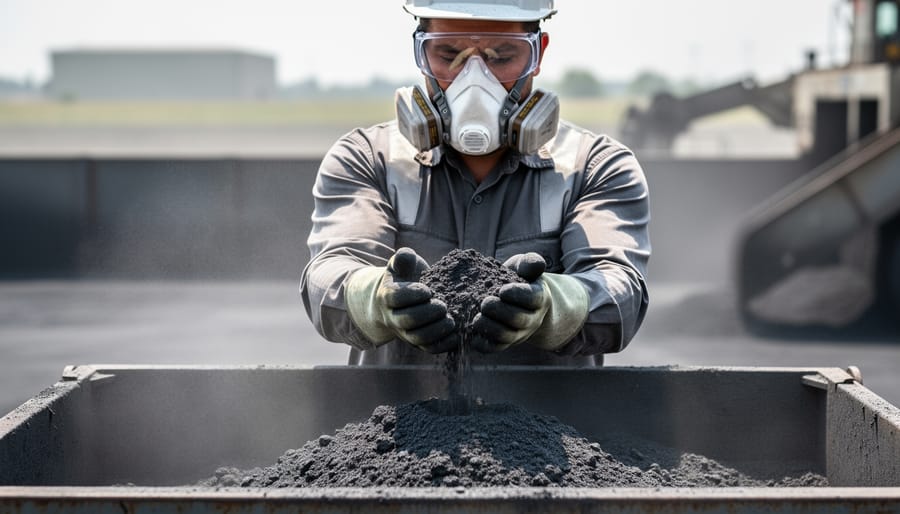
Taking care of coal ash properly isn’t just about following rules—it’s about creating a safer, healthier home for you and your family while being a responsible steward of your environment. Whether you’re safely storing ash in a metal container, checking with your local waste management facility about disposal options, or reconsidering your heating choices altogether, every step you take makes a difference.
Before your next cleanup, take a moment to review your local regulations. Many communities have specific guidelines for coal ash disposal that reflect the unique environmental concerns in your area. What’s acceptable in one town might not be in another, so a quick phone call or online search can save you headaches down the road.
If you’re finding coal ash disposal challenging or costly, it might be the perfect time to explore cleaner, more convenient heating alternatives. Modern fireplaces and heating solutions offer the warmth and ambiance you love without the disposal concerns or environmental impact.
Remember, your fireplace is more than a heat source—it’s part of your home’s character and your family’s comfort. Treating it with care, maintaining it properly, and disposing of ash responsibly ensures it remains a source of joy rather than worry for years to come.