

Prioritize insulation and air sealing before investing in any heating system—even the most efficient furnace wastes energy if heat escapes through poorly sealed windows, doors, and attics. This single step can reduce your heating costs by 20-30% and makes whatever system you choose work smarter, not harder.
Compare the true cost of efficiency by looking beyond purchase price to lifetime operating expenses. Heat pumps currently lead in energy efficiency, converting electricity to heat at 300-400% efficiency rates, while natural gas furnaces max out around 98% and traditional fireplaces often lose 90% of heat up the chimney. Understanding these numbers helps you make decisions that save money over years, not just months.
Consider zone heating to reduce waste in rooms you rarely use. Modern programmable thermostats, space heaters in frequently occupied areas, and supplemental heating sources like gas or pellet stoves can cut your whole-home heating bill substantially without sacrificing comfort where it matters most.
Recognize that efficiency means different things depending on your climate, fuel costs, and home layout. A heat pump that excels in moderate climates struggles in subzero temperatures, while radiant floor heating offers unmatched comfort but requires significant upfront investment. The most efficient system for your neighbor might waste money in your situation.
This guide breaks down each heating method with honest assessments of costs, performance, and practical tradeoffs, helping you find the solution that keeps your home warm without draining your wallet or compromising your comfort.
What ‘Efficient’ Really Means When Heating Your Home
When you’re searching for the most efficient way to heat your home, you’ll quickly discover that “efficient” isn’t as straightforward as it sounds. Understanding the different types of efficiency will help you make the right choice for your specific situation.
Energy efficiency measures how much heat you get from each unit of fuel consumed. It’s typically expressed as a percentage or ratio, like Annual Fuel Utilization Efficiency (AFUE) ratings. A furnace with 95% AFUE converts 95% of its fuel into heat, while only 5% escapes as waste. Sounds simple enough, right? But here’s where it gets interesting.
Cost efficiency tells a different story. It’s about dollars per degree of warmth, not just BTUs. A heating system might be incredibly energy efficient but still expensive to run if the fuel costs are high. For example, electric resistance heating converts nearly 100% of electricity into heat, making it extremely energy efficient. However, in many regions, electricity costs significantly more than natural gas, making it less cost-efficient despite its impressive conversion rate.
Then there’s practical efficiency, which is where real life happens. This considers how well a heating method works in your actual home, with your existing setup, in your climate zone. A highly efficient heat pump might work beautifully in moderate climates but struggle when temperatures plunge below freezing. Similarly, a beautiful fireplace creates wonderful ambiance and zone heating for gathering spaces, but wouldn’t be practical as your sole heat source in a northern winter.
The truth is, there’s no single “most efficient” heating solution that works for everyone. Your home’s insulation, local fuel costs, climate, and existing infrastructure all play crucial roles. A Vermont farmhouse has different needs than a California bungalow. That’s why the smartest approach often combines multiple heating methods, using each where it performs best while creating the comfortable, inviting home environment you deserve.
Heat Pumps: The Technical Winner (With Some Caveats)
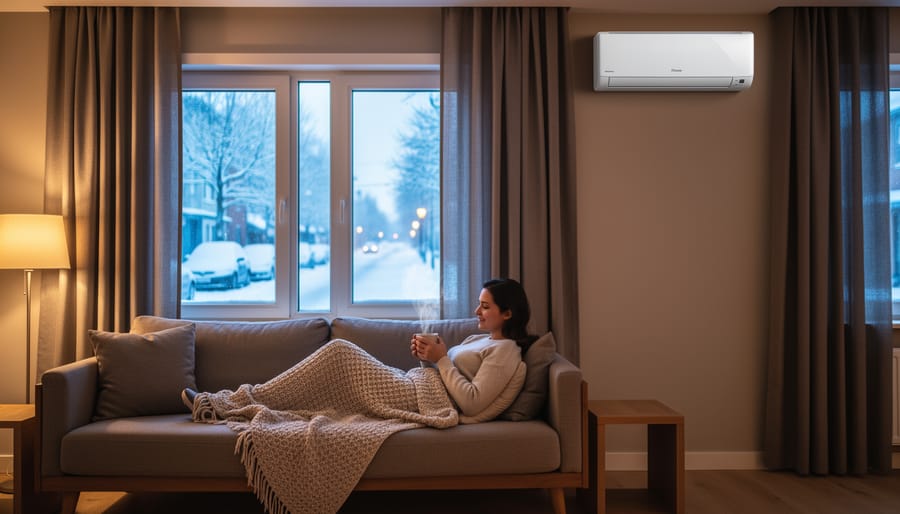
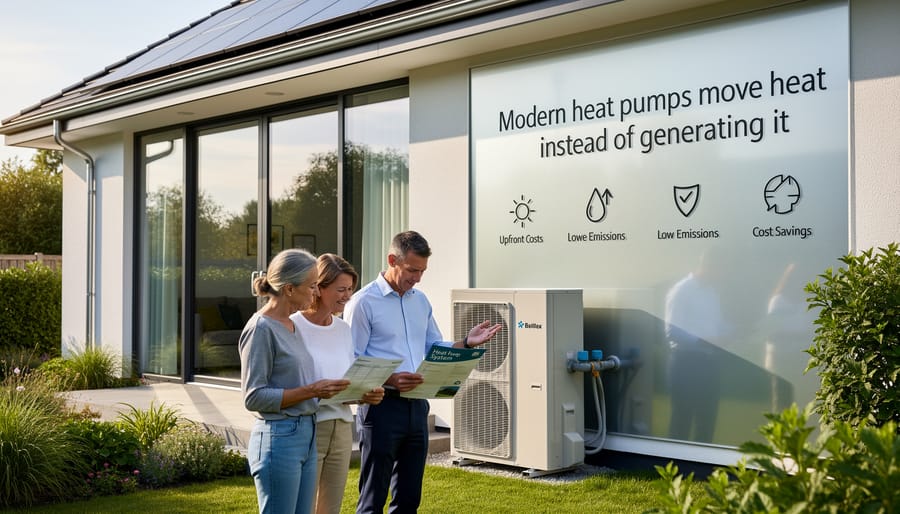
When it comes to pure energy efficiency, heat pumps are the undisputed champions of home heating. Here’s why they’re such technical marvels: instead of burning fuel to generate heat like your furnace or fireplace, heat pumps simply move existing heat from one place to another. Even on a cold winter day, there’s heat energy in the outdoor air, and heat pumps extract it and bring it inside your home.
Think of it like a refrigerator running in reverse. Your fridge pulls heat out of the interior and releases it into your kitchen. A heat pump does the opposite, pulling heat from outside and delivering it indoors. This process uses far less energy than creating heat from scratch, which is why heat pumps can deliver 2-4 times more heating energy than the electricity they consume. That’s an efficiency rating traditional heating systems simply can’t match.
The catch? Heat pumps work best in moderate climates. While modern cold-climate models have improved dramatically and can function effectively down to about 5 degrees Fahrenheit, their efficiency does drop as temperatures plummet. If you live somewhere with prolonged sub-zero winters, you might need a backup heating source for those brutal cold snaps.
Then there’s the upfront investment. Heat pumps typically cost more to install than traditional furnaces, ranging from $4,000 to $8,000 or higher depending on your home’s size and existing infrastructure. However, the lower monthly operating costs often offset this initial expense within several years, especially if you’re replacing an older, inefficient system.
Heat pumps also handle cooling in summer, giving you year-round climate control from a single system. That dual functionality adds value beyond just heating efficiency.
The bottom line: if you live in a region with relatively mild winters and can manage the upfront cost, a heat pump is your most efficient primary heating choice. For colder climates, pairing a heat pump with a supplemental heating source, like an eco-friendly fireplace for zone heating in your main living areas, creates a balanced approach that maximizes both efficiency and comfort while maintaining the cozy ambiance that makes a house feel like home.
Natural Gas Furnaces: The Practical Middle Ground
Natural gas furnaces have earned their reputation as the workhorse of home heating, particularly in regions where winters mean business. If you’re exploring heating options that balance efficiency with practicality, natural gas deserves serious consideration.
Modern natural gas furnaces have come a long way from their predecessors. Today’s high-efficiency models boast Annual Fuel Utilization Efficiency (AFUE) ratings between 90% and 98.5%, meaning nearly all the fuel you’re paying for actually heats your home rather than escaping through the chimney. Compare this to older furnaces that might hover around 60% efficiency, and you’ll understand why upgrading can significantly reduce your heating bills.
The real sweet spot for natural gas heating is in colder climates where heating demands are substantial and consistent. While heat pumps have gained attention for their efficiency, they can struggle when temperatures plummet below freezing. Natural gas furnaces maintain their heating power regardless of outdoor conditions, delivering reliable warmth when you need it most.
Cost-effectiveness is another compelling factor. In areas with established natural gas infrastructure, the fuel itself typically costs less per unit of heat than electricity or heating oil. Your monthly savings can be substantial during peak winter months.
However, natural gas isn’t without considerations. Availability is the first hurdle. If your neighborhood lacks natural gas lines, installation costs can be prohibitive. There are also environmental factors to weigh, as natural gas is still a fossil fuel, though it burns cleaner than oil or coal.
From a lifestyle perspective, gas furnaces operate quietly in the background, unlike the visible warmth and ambiance of a fireplace. They’re efficient workhorses rather than gathering points for family moments. Many homeowners find the ideal solution combines a high-efficiency gas furnace for primary heating with eco-friendly fireplace options for supplemental warmth and that irreplaceable cozy atmosphere.
Where Fireplaces Fit in the Efficiency Equation
Traditional Wood-Burning Fireplaces: Charm vs. Efficiency
Let’s be honest: traditional wood-burning fireplaces are magical for creating ambiance, but they’re among the least efficient heating methods available. These classic hearths typically operate at just 10-20% efficiency, meaning 80-90% of the heat they generate literally goes up the chimney. That’s a tough pill to swallow when you’re trying to reduce heating costs.
The main culprit? Open fireplaces pull warm air from your home to feed the fire, then send it straight outside along with most of the heat produced. You might feel wonderfully toasty sitting directly in front of the flames, but rooms farther away can actually become colder as the fireplace draws heated air away from your living spaces.
Does this mean you should abandon your traditional fireplace altogether? Not necessarily. Think of it as a lifestyle element rather than your primary heating solution. A crackling fire on a winter evening offers irreplaceable charm and can provide supplemental warmth when you’re gathered in one room.
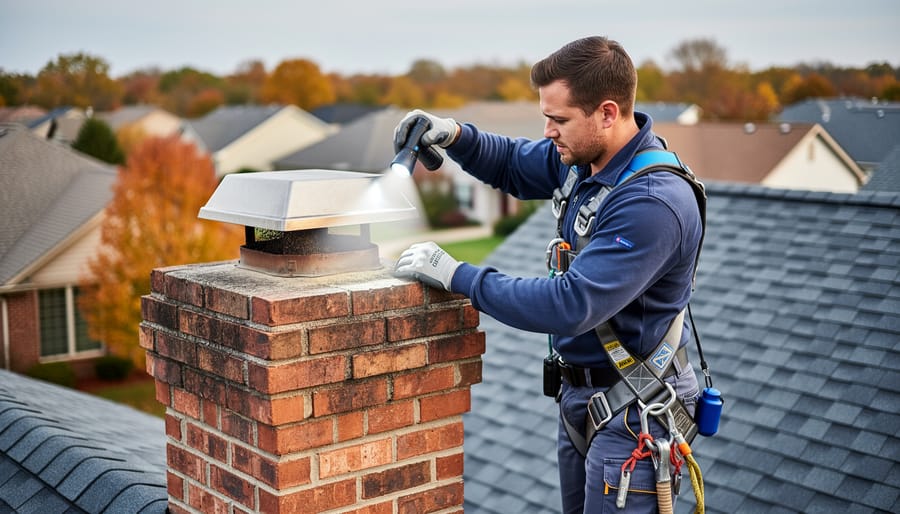
If you want to keep enjoying your traditional fireplace while improving its performance, consider these practical upgrades: Install glass doors to reduce air loss when the fire dies down, use a fireplace grate with a heat exchanger to capture more warmth, and always close the damper when the fireplace isn’t in use. Adding a blower can help circulate warm air into the room rather than letting it escape.
For those seeking both ambiance and better efficiency, modern fireplace inserts can boost performance dramatically while maintaining that beloved wood-burning experience.
High-Efficiency Wood Stoves and Inserts: The Game Changers
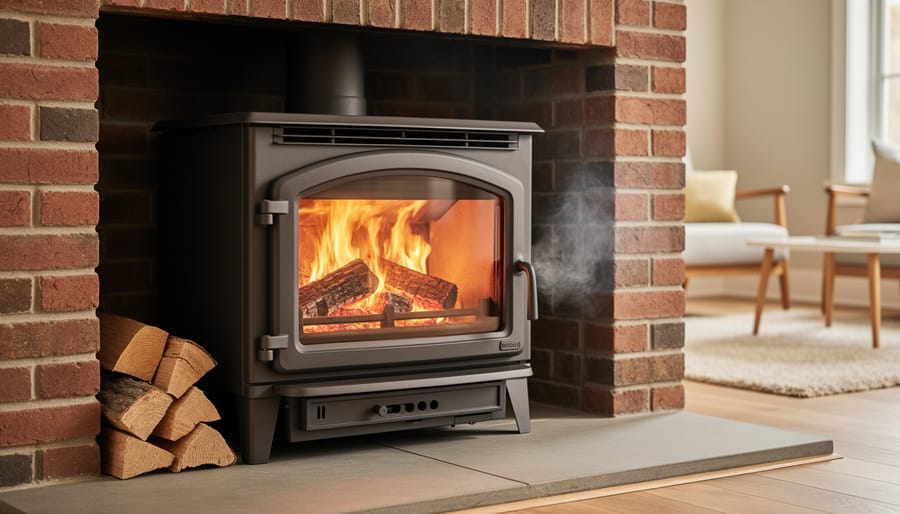
Modern wood heating has come a long way from the smoky, inefficient fireplaces of the past. Today’s EPA-certified wood stoves and fireplace inserts are genuine game changers, achieving impressive efficiency ratings of 70-80%. That’s a dramatic leap from traditional open fireplaces, which typically hover around 10-15% efficiency.
What makes these modern units so effective? They incorporate advanced combustion technology that burns wood more completely, extracting maximum heat while producing minimal smoke and emissions. Secondary combustion chambers re-burn gases and particles that would otherwise escape up the chimney, capturing energy that older designs waste. The result is more warmth for your home and less impact on the environment.
For the right home, a high-efficiency wood stove can serve as primary heating, especially in smaller, well-insulated spaces up to 2,000 square feet. Larger homes often benefit from using them as powerful supplemental heat sources that reduce reliance on other heating systems.
The economics are compelling too. In areas with access to affordable firewood, heating costs can be significantly lower than electricity or propane. If you have your own woodlot or can source sustainable local wood, the savings multiply. Speaking of sustainability, when you burn seasoned wood from responsibly managed forests, you’re tapping into a renewable resource that can be carbon-neutral, making it one of the most eco-friendly heating options available.
The lifestyle element shouldn’t be overlooked either. There’s something deeply satisfying about the radiant warmth and flickering flames of a wood fire. It transforms heating from a utility bill into a hands-on experience that connects you with traditional home comfort while using cutting-edge efficiency technology.
Gas Fireplaces: Convenience Meets Respectable Efficiency
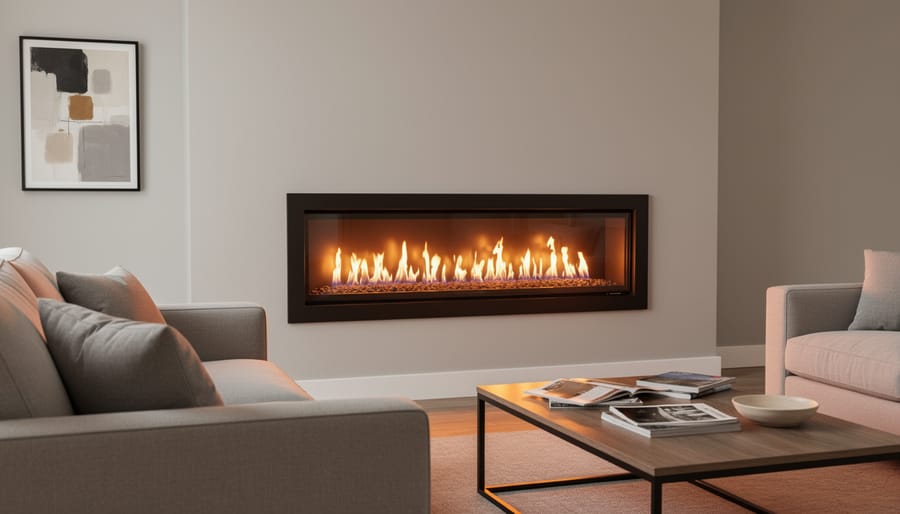
Gas fireplaces have come a long way from their decorative predecessors, and today’s direct-vent models offer efficiency ratings between 70-85%, making them a respectable heating option that bridges the gap between ambiance and practicality. Unlike traditional wood-burning fireplaces that lose most of their heat up the chimney, direct-vent gas fireplaces draw combustion air from outside and exhaust directly outdoors, keeping nearly all the generated heat exactly where you want it—inside your home.
What makes gas fireplaces particularly appealing is their role in zone heating. Rather than cranking up your central heating system to warm an entire house, you can heat just the rooms you’re actually using. This targeted approach can significantly reduce your overall energy consumption, especially if you spend most of your time in specific living areas. Plus, there’s virtually no maintenance required—no ash to clean, no wood to haul, and no chimney sweeping appointments to schedule.
Gas fireplaces shine brightest as supplemental heat sources rather than primary heating systems. They’re ideal for taking the chill off cool evenings, warming up a drafty room, or reducing reliance on your main heating system during milder weather. When you combine their practical efficiency with the cozy atmosphere they create, gas fireplaces offer homeowners an eco-friendly solution that enhances both comfort and lifestyle.
Bioethanol Fireplaces: Ambiance Without the Heating Power
Let’s be honest: bioethanol fireplaces are beautiful, but they’re not going to be your go-to heating solution. These elegant units burn clean, renewable bioethanol fuel and create a lovely dancing flame without requiring a chimney or venting. From an eco-friendly perspective, they’re appealing since bioethanol is derived from plant materials and produces minimal emissions.
However, their heat output is quite modest, typically ranging from 2,000 to 6,000 BTUs, which might warm a small room slightly but won’t replace your primary heating system. Think of them more as decorative heating solutions that add ambiance and a touch of warmth rather than serious heating appliances. They’re perfect for creating atmosphere in spaces where installing a traditional fireplace isn’t practical, but you’ll still need your furnace or heat pump doing the heavy lifting when temperatures drop.
Electric Heating: Simple but Expensive to Run
Electric heating options like baseboard heaters and space heaters offer an interesting efficiency paradox. Technically, they’re 100% efficient at converting electricity into heat—every watt of power becomes a watt of warmth in your home. There’s no combustion process losing energy through exhaust, and no heat escaping up a chimney. From a pure conversion standpoint, that’s as good as it gets.
However, efficiency isn’t the whole story. While electric heaters convert energy perfectly, electricity itself is typically the most expensive fuel source per unit of heat produced. Running electric baseboard heaters throughout an entire home in cold climates can lead to substantial utility bills that quickly outweigh the convenience factor.
That said, electric heating absolutely has its place in a smart home heating strategy. In mild climates where heating needs are minimal, electric space heaters can provide occasional warmth without the expense of installing a full heating system. They’re also ideal for heating specific rooms on demand—think of warming up a chilly bathroom or home office during working hours. When effective room heaters are used selectively rather than as your primary heat source, they become cost-reasonable solutions.
Modern electric heaters have evolved considerably too, with comparing electric heater types revealing options from quick-heating infrared models to steady oil-filled radiators. The key is using them strategically as supplemental heating rather than your home’s backbone warmth solution.
The Smart Strategy: Combining Methods for Maximum Efficiency
Here’s the truth about home heating efficiency: the smartest approach isn’t choosing one perfect system, but rather creating a thoughtful combination that works with your lifestyle and home layout. Think of it as building layers of warmth, each serving a specific purpose.
Start with your primary heating system as your foundation. Whether you have a heat pump, furnace, or boiler, this should maintain a comfortable baseline temperature throughout your home. The key is programming it wisely. Set your programmable thermostat to lower temperatures when you’re sleeping or away, then raise it during active hours. This simple habit can slash heating bills by 10-15% without sacrificing comfort.
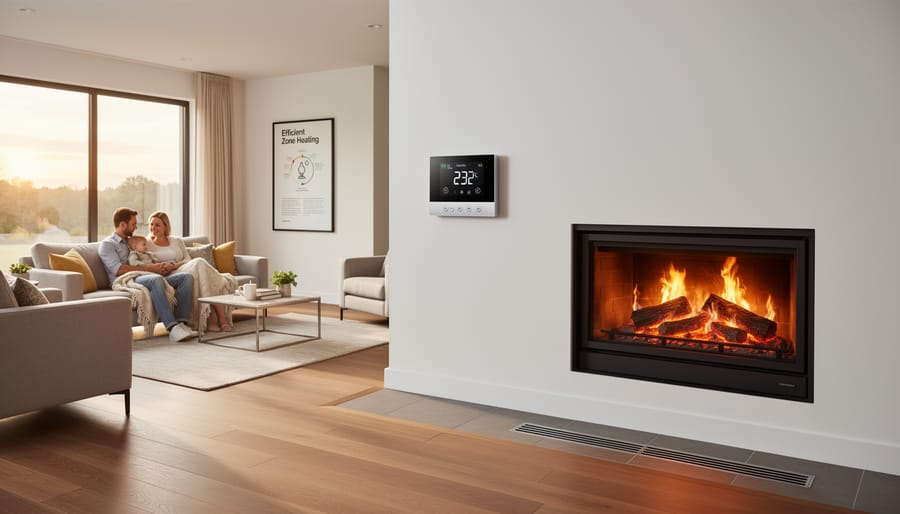
Now here’s where zone heating becomes your secret weapon. Rather than keeping every room at 70 degrees, focus your heating efforts where you actually spend time. This is where fireplaces shine as both a practical heating solution and a lifestyle element. Use your wood stove or gas fireplace to create a cozy, warm living space during evenings, allowing you to lower the thermostat in unused bedrooms and spaces. You’re not just saving energy; you’re creating an inviting atmosphere that draws family together.
Before investing heavily in any heating strategy, address your home’s insulation. Heat loss through poorly insulated attics, walls, and windows undermines even the most efficient systems. Seal air leaks around doors and windows, add weatherstripping, and consider upgrading attic insulation first since heat rises and escapes through your roof.
The winning formula looks like this: maintain a modest baseline temperature with your primary system, optimize your heating system with smart programming, use supplemental sources like fireplaces for occupied spaces, and ensure your home retains the warmth you’re creating. This layered approach balances energy efficiency with the comfort and ambiance that makes a house truly feel like home.
The truth is, there’s no universal answer to what’s most efficient for heating your home. Your ideal solution depends entirely on your unique circumstances—the climate where you live, your budget constraints, your home’s construction and insulation, and yes, your lifestyle preferences too. A heat pump might be exceptionally efficient in a mild climate but struggle in extreme cold. A fireplace might not top the efficiency charts, but it creates an irreplaceable ambiance that transforms your living space into a true sanctuary.
The most important thing is to make informed choices that work for you. Consider what efficiency truly means in your situation—it’s not just about energy ratings, but about balancing operating costs, comfort, and the warmth that makes your house genuinely feel like home. Whether you choose cutting-edge technology, time-tested methods, or a combination of both, understanding your options puts you in control of creating the comfortable, inviting space you deserve.