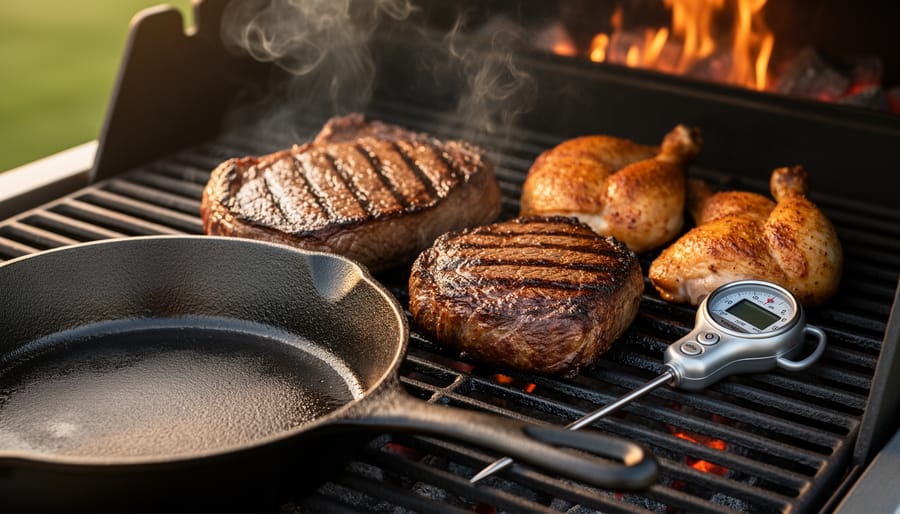
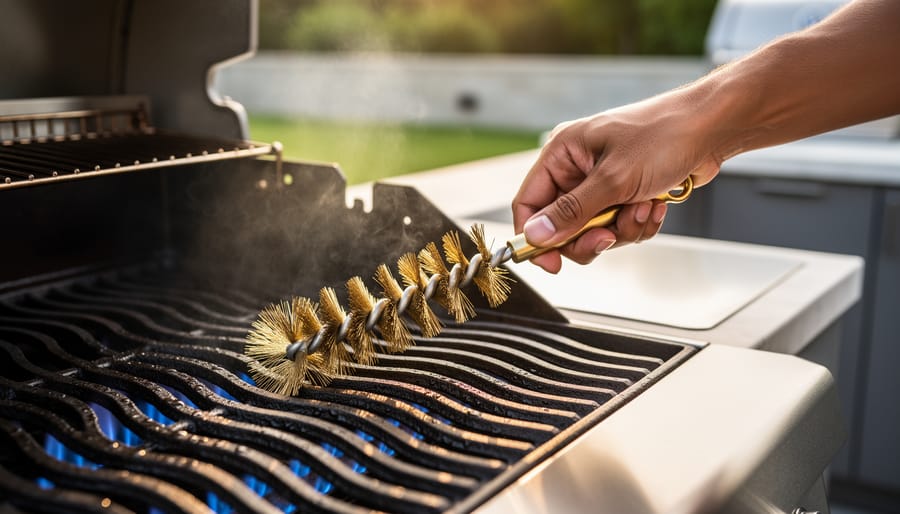


Clean your Napoleon grill grates after every use while they’re still warm, using a high-quality brass brush to prevent rust and food buildup that compromises flavor. This simple habit takes just two minutes but extends your grill’s lifespan by years while ensuring consistently delicious results.
Empty your grease tray weekly during peak grilling season to prevent dangerous flare-ups and maintain proper airflow throughout your system. Napoleon’s precision engineering depends on unobstructed ventilation, and a clogged grease management system forces your burners to work harder, wasting propane and reducing heat consistency.
Inspect burner tubes and Flav-R-Wave cooking systems every three months for spider webs, debris, and corrosion. These blockages cause uneven heating and yellow flames instead of the crisp blue burn that signals optimal performance. A simple visual check and gentle brush-out prevents expensive repairs down the road.
Deep clean your entire grill twice annually—spring and fall—by removing cooking grids, burners, and heat distribution components for thorough washing. This preventive maintenance protects your investment just like servicing your home’s heating system, ensuring your Napoleon delivers restaurant-quality results for decades rather than years.
Your Napoleon grill represents a significant investment in outdoor living and culinary excellence. Unlike basic grills that deteriorate after a few seasons, Napoleon’s premium construction rewards proper care with exceptional longevity. Understanding your specific model’s maintenance requirements transforms routine cleaning from a chore into a simple ritual that preserves performance, prevents costly repairs, and keeps your outdoor cooking space ready for spontaneous gatherings or carefully planned celebrations.
Why Napoleon Grills Deserve Special Attention
Understanding Your Napoleon’s Construction
Your Napoleon grill represents a thoughtful investment in outdoor cooking, combining premium materials that each deserve specific attention to maintain their beauty and performance. Understanding what your grill is made of helps you care for it properly, much like knowing the materials in your home’s fireplace ensures its longevity.
Most Napoleon grills feature high-grade stainless steel, typically 304-grade, which resists rust and maintains its shine with regular cleaning. This material requires gentle, non-abrasive care to preserve its protective chromium layer. You’ll find cast iron components in many models, particularly the cooking grids and sear plates. These robust pieces retain heat beautifully but need protection from moisture to prevent rust—think of them as requiring the same careful attention as cast iron cookware in your kitchen.
Many Napoleon grills also incorporate porcelain-coated components, offering the durability of steel or cast iron with an easy-clean surface. This glossy coating resists staining and simplifies maintenance, but it can chip if struck, so handle these parts carefully during cleaning.
By recognizing these different materials in your grill’s construction, you’re better equipped to provide the right care for each component, ensuring your outdoor cooking investment delivers reliable performance for years to come.
The Cost of Neglect
Skipping maintenance on your Napoleon grill isn’t just inconvenient—it can genuinely affect your grilling experience and wallet. Take rust, for example. When grease and moisture sit on stainless steel components without regular cleaning, surface corrosion can develop within months, especially in coastal or humid climates. One grill owner discovered her burners had rusted through after just two seasons of neglecting post-cook cleanups, requiring a $200 replacement that proper grill care could have prevented.
Uneven heating is another common issue. When grease builds up on burners and heat distributors, hot spots and cool zones appear across your cooking surface. That perfectly marbled steak suddenly cooks unevenly, with some areas charred while others remain underdone. Beyond frustration, this wastes fuel as you compensate by cranking up the heat.
The good news? These problems are entirely preventable. Even occasional maintenance dramatically extends your grill’s lifespan from the typical 5-7 years to well over a decade, protecting your investment and keeping those backyard gatherings delicious.
Essential Cleaning After Every Cook
The Burn-Off Method That Actually Works
After you’ve finished grilling, resist the urge to turn off your Napoleon immediately. Instead, let’s harness that residual heat to make your life easier. Crank your burners to high and close the lid for 10-15 minutes. This intense heat—typically reaching 500-600°F on your Napoleon—will transform stuck-on food particles into ash that brushes away effortlessly.
Think of it as a self-cleaning cycle for your grill, similar to how your oven tackles baked-on messes. The timing matters here: too short and you’ll still have stubborn residue, too long and you’re wasting propane. Napoleon grills are engineered to maintain consistent high temperatures, making this burn-off method particularly effective.
Once the cycle completes, turn off the burners and let everything cool for about 5 minutes. Then, while the grates are still warm (but safe to handle), use a quality grill brush to sweep away the ash. You’ll notice the difference immediately—those cooking grates will look nearly new with minimal effort.
This simple routine after every cookout prevents buildup that becomes harder to remove later, protecting your investment and ensuring your Napoleon performs beautifully for years to come. It’s the kind of maintenance habit that feels almost effortless once you make it part of your grilling ritual.
Cleaning Grates Without Damaging Them
Keeping your Napoleon grill grates clean doesn’t mean scrubbing them to oblivion. The right approach protects your investment while maintaining that perfect sear.
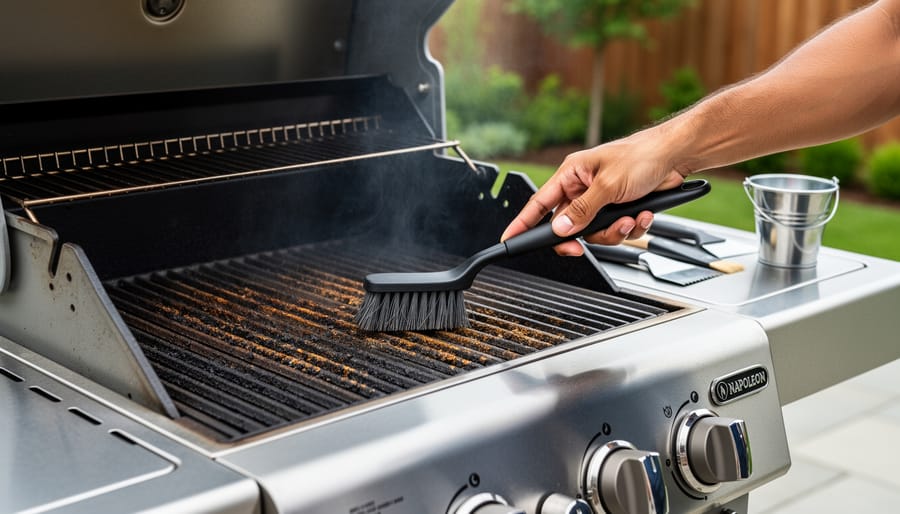
Start with the right brush. Choose a high-quality stainless steel bristle brush or a bristle-free alternative for cast iron grates with porcelain coating. These gentler options prevent chipping and flaking that can compromise your grates over time. Avoid metal scrapers or wire wheels that dig too aggressively into protective finishes.
Timing matters when cleaning. Brush your grates while they’re still warm (but not blazing hot) after cooking. This sweet spot makes stuck-on food easier to remove without requiring excessive force. Use long, consistent strokes following the grate direction rather than scrubbing in circles.
For stubborn residue, heat your grill to medium-high for 10-15 minutes to carbonize debris, making it easier to brush away. This method is gentler than harsh chemical cleaners that can damage coatings.
After brushing, consider properly oiling grill grates to create a protective barrier. This simple step prevents rust and helps maintain that natural non-stick surface your Napoleon grates develop over time. A light coating of high-heat cooking oil applied with a paper towel does wonders for preservation while supporting eco-friendly maintenance practices.
Quick Exterior Wipe-Down
A quick exterior wipe-down after each grilling session takes just minutes but makes a remarkable difference in preserving your Napoleon’s showroom appearance. Once your grill has cooled down enough to touch safely, use a damp microfiber cloth or soft sponge to gently wipe away any grease splatters, fingerprints, or food residue from the exterior surfaces. For stainless steel models, always wipe in the direction of the grain to prevent scratching and maintain that beautiful finish you invested in.
Pay special attention to the control panel area and handles, where buildup tends to accumulate from frequent contact. If you encounter stubborn spots, a mild solution of warm water and dish soap works wonderfully without harsh chemicals. This simple routine prevents grease and grime from baking onto surfaces during your next cooking session, which would require much more aggressive cleaning later. Think of it like maintaining the warmth and beauty of your outdoor living space—a little consistent care keeps everything inviting and enjoyable for years to come.
Deep Cleaning Your Napoleon Grill
Tackling the Grease Management System
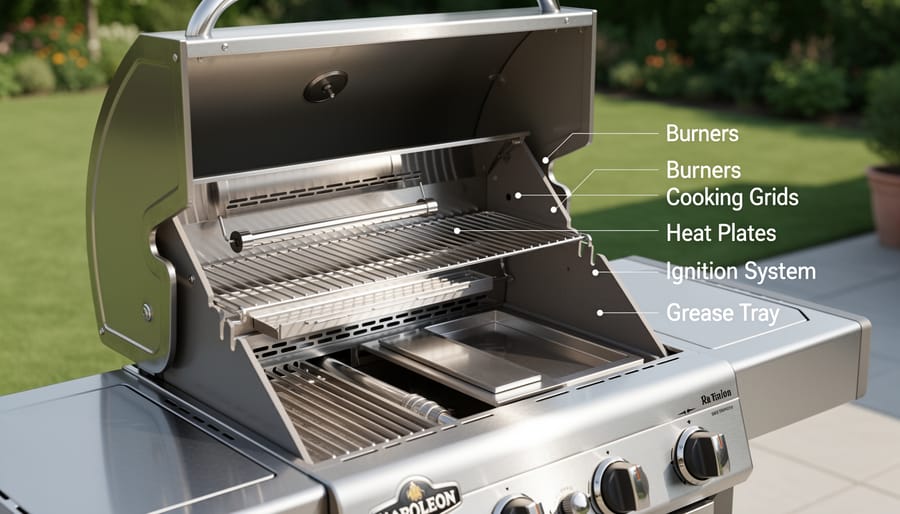
Your Napoleon grill’s grease management system is essential for safe, flare-up-free cooking. Think of it as your grill’s safety valve—when maintained properly, it protects both your investment and your outdoor cooking experience.
Start by letting your grill cool completely before tackling grease cleanup. Remove the drip tray, typically located beneath the cooking grates, and dispose of accumulated grease into a heat-safe container—never directly into your trash. Napoleon’s wave-design drip trays channel grease efficiently, but they work best when cleaned after every few uses.
The grease cup, positioned at the back or bottom of your grill, collects the runoff. Check it regularly, especially during grilling season when you’re cooking fatty meats. A full grease cup can overflow, creating a fire hazard and attracting unwanted pests to your outdoor space.
For deeper cleaning, use warm soapy water and a non-abrasive scrubber on all grease management components. Many Napoleon models feature removable parts that are dishwasher-safe, making maintenance even simpler. Rinse thoroughly and dry completely before reassembling.
Consider lining your drip tray with aluminum foil for easier cleanup—just ensure proper airflow isn’t blocked. This simple step reduces cleaning time while maintaining the efficient, eco-friendly operation that makes outdoor grilling such an enjoyable part of your home lifestyle.
Burner and Venturi Tube Maintenance
Your Napoleon grill’s burner and venturi tubes are like the lungs of your outdoor cooking companion—they need clear airways to breathe properly and deliver that perfect flame. Over time, these essential maintenance tasks become crucial as spiders love building homes in venturi tubes during off-seasons, and debris can accumulate in burner ports.
Start by turning off the gas supply completely and disconnecting the propane tank. Remove the cooking grates and heat diffusers to access the burners. Inspect each burner tube carefully for spider webs, which can block gas flow and create dangerous uneven flames. Use a flexible bottle brush or pipe cleaner to gently clear the venturi tubes—these are the openings where air mixes with gas.
Check each burner port along the top of the tubes. If you notice clogs, use a straightened paper clip or small wire to carefully clear them, working from the inside out. Never use toothpicks, as they can break off and worsen blockages.
Before reassembling, do a visual inspection with a flashlight to ensure all passages are clear. This simple maintenance protects your investment and ensures safe, efficient grilling season after season.
Heat Distribution Components
Your Napoleon grill’s heat distribution components work behind the scenes to create that perfect, even sear you love. Depending on your model, you’ll find wave-shaped stainless steel rods, flavorizer bars, or heat tents positioned above the burners. These clever components deserve attention during your regular maintenance routine.
Remove these pieces every few grilling sessions and give them a thorough inspection. Built-up grease and food residue can create hot spots that interfere with consistent cooking temperatures. Use a grill brush to scrub away debris, then wash with warm soapy water. For stubborn buildup, let them soak for 15 minutes before scrubbing.
Check for corrosion or warping while cleaning. Though Napoleon’s quality stainless steel resists damage, these hardworking components eventually need replacement. Properly maintained heat distribution parts not only ensure your steaks cook evenly but also protect burners from grease drips, extending your grill’s lifespan and maintaining its efficient performance season after season.
Interior Cleaning That Makes a Difference
The heart of your Napoleon grill deserves careful attention to maintain that signature cooking performance you’ve invested in. Start by letting the grill cool completely, then remove the cooking grids and heat distribution plates to access the firebox. Use a grill brush or scraper designed for stainless steel to gently loosen carbon buildup from the interior walls and bottom. Think of this as creating a clean canvas for your next grilling session.
For stubborn residue, a mixture of warm water and mild dish soap works wonders without harsh chemicals. Avoid abrasive cleaners that could damage Napoleon’s premium finishes. Pay special attention to the burner tubes, carefully brushing away debris from the ports to ensure even heat distribution. This simple step prevents hot spots and maintains fuel efficiency, making your grill both eco-friendly and cost-effective.
Empty the drip tray regularly to prevent grease fires and keep your outdoor cooking space clean. Consider this maintenance routine as protecting not just your equipment, but the warmth and memories you create with family and friends around the grill.
Protecting Your Grill Between Uses
Cover Selection and Usage
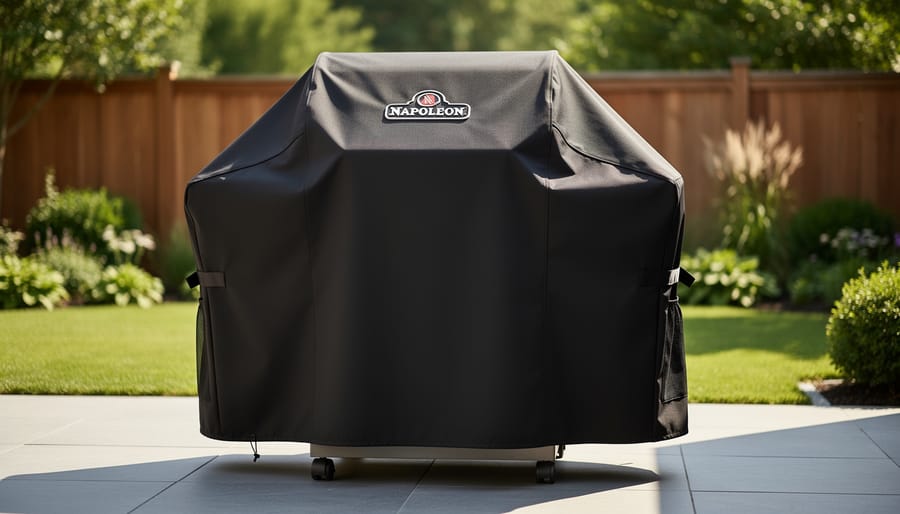
A quality cover for your Napoleon grill is like a warm blanket for your outdoor investment, but choosing the right one makes all the difference. Look for heavy-duty, weather-resistant materials with reinforced seams and ventilation panels. These vents are crucial—they allow moisture to escape rather than trapping it against your grill’s surface, which can actually accelerate rust and corrosion.
The best covers fit snugly without suffocating your grill. Adjustable straps help secure the cover during windy conditions while maintaining proper airflow. Avoid cheap vinyl covers that create a greenhouse effect, trapping condensation underneath.
Here’s an important truth: covers can sometimes do more harm than good. If you cover your grill immediately after cooking while it’s still warm, you’re creating the perfect moisture trap. Always let your Napoleon cool completely and wipe away any surface moisture first. In humid climates or coastal areas, consider leaving your grill uncovered in covered outdoor spaces where it can breathe naturally. The goal is protection from the elements while preventing the moisture buildup that becomes your grill’s worst enemy.
Winterization and Off-Season Care
When winter approaches or you’re planning an extended break from grilling, proper winterization protects your Napoleon investment and ensures it’s ready when you need it again. Think of this process like preparing a cozy retreat—you’re creating the ideal environment to preserve your grill’s quality during its off-season rest.
Start by giving your grill a thorough cleaning, removing all food residue, grease, and ash. Any leftover moisture combined with organic material can accelerate rust formation during cold or humid months. Once clean, apply a light coating of cooking oil to cast iron grates and other exposed metal surfaces to create a protective barrier against moisture.
For propane grills, disconnect and remove the tank, storing it upright in a well-ventilated outdoor area away from your home. Natural gas users should turn off the supply line at the source. This simple fuel line consideration prevents potential gas leaks and safety hazards during storage.
Invest in a high-quality, breathable grill cover designed for your Napoleon model. Avoid plastic tarps that trap moisture—proper covers allow air circulation while blocking rain and snow. If storing in an unheated garage or shed, consider placing moisture-absorbing packets inside the cooking chamber.
Position your covered grill away from areas prone to flooding or heavy snow accumulation. Check periodically throughout the off-season, brushing away snow buildup and ensuring the cover remains secure. This minimal attention prevents unpleasant surprises when grilling season returns.
Troubleshooting Common Napoleon Maintenance Issues
Dealing With Rust and Discoloration
Discovering surface rust on your Napoleon grill doesn’t mean it’s time to panic. Catching rust early makes all the difference. For minor spots, create a paste using baking soda and water, then gently scrub with a soft cloth or non-abrasive pad. For stainless steel surfaces, specialized stainless steel cleaners work wonders to restore that showroom shine while removing fingerprints and minor discoloration.
Understanding what’s normal versus concerning helps you respond appropriately. The bluish or golden tint that appears on stainless steel after high-heat cooking is typically cosmetic and won’t affect performance. This heat discoloration actually shows your grill is working properly. However, pitting, flaking, or rust that persists after cleaning requires attention to prevent spreading.
Prevention remains your best strategy. Always wipe down exterior surfaces after cooking, especially in coastal or humid environments where salt air accelerates corrosion. Apply a thin coat of food-safe oil to cast iron grates after each use, and keep your grill covered when not in use. Investing a few minutes in preventive care preserves both your grill’s appearance and functionality for years of outdoor cooking enjoyment.
Fixing Uneven Heating Problems
Uneven heating often traces back to simple maintenance issues rather than mechanical failure. When you notice hot spots or cool zones on your cooking surface, the culprit is usually debris blocking your burner ports. Food particles, grease, and even spider webs can obstruct these tiny openings, disrupting the gas flow pattern and creating temperature inconsistencies across your grilling space.
Start by removing your cooking grates and heat distribution plates to access the burners directly. Inspect each burner tube carefully, looking for clogs in the port holes. Use a thin wire or specialized burner cleaning tool to gently clear any blockages. Work from the center outward to avoid pushing debris deeper into the ports.
Check your venturi tubes at the burner base where air and gas mix. These need clear passages for proper combustion. Even a small obstruction here can cause yellow flames instead of the ideal blue, indicating incomplete burning and reduced heat output.
Finally, examine your heat distribution system. Napoleon grills use wave-shaped stainless steel barriers that direct heat evenly across the cooking surface. If these are warped, misaligned, or caked with buildup, they cannot distribute heat properly. Clean them thoroughly and ensure correct positioning. Regular attention to these components maintains the even, reliable heating that makes your Napoleon investment worthwhile.
When to Replace vs. Restore Components
Regular grate maintenance extends component life, but knowing replacement timing protects both performance and safety. Burners showing rust-through holes or uneven flame patterns despite thorough cleaning need replacing to maintain cooking efficiency and prevent gas hazards. Grates with severe warping or crumbling cast iron compromise heat distribution and food safety. Flavorizer bars with multiple perforations lose their protective function. Consider restoration when surface rust appears but structural integrity remains solid—wire brushing and re-seasoning often revive these pieces beautifully. From a sustainability perspective, replacing individual worn components rather than discarding functional grills reduces waste significantly. Napoleon’s readily available replacement parts make this eco-friendly approach practical. Watch for decreased performance even after cleaning, visible structural damage, or parts over ten years old in high-use grills. Quality replacements maintain your grill’s premium performance while honoring your investment in durable outdoor cooking.
Taking care of your Napoleon grill isn’t just about maintenance—it’s about honoring a centerpiece of your outdoor living space. Just as you’d care for a beautiful fireplace that brings warmth and gathering moments indoors, your grill deserves that same thoughtful attention. When you invest a few minutes after each cookout and dedicate an hour or two each season to deeper care, you’re not checking off a chore list. You’re ensuring countless future evenings of sizzling steaks, laughter with friends, and the unmistakable satisfaction of cooking over open flames in your own backyard.
Think of your Napoleon as part of your home’s story—a reliable companion for celebrations, quiet family dinners, and everything in between. The time you spend cleaning grates, checking burners, and protecting surfaces directly translates into better-tasting food and years of dependable performance.
Here’s one final tip: keep a dedicated grill tool kit in a nearby storage spot. Having everything at hand—brush, scraper, oil, and cloth—makes maintenance feel effortless rather than overwhelming.
Now get out there and enjoy what that well-maintained grill was made for: creating delicious memories under the open sky.